English
 中文简体
中文简体 русский
 Español
 Deutsch
You can learn the recent information of Shijing.


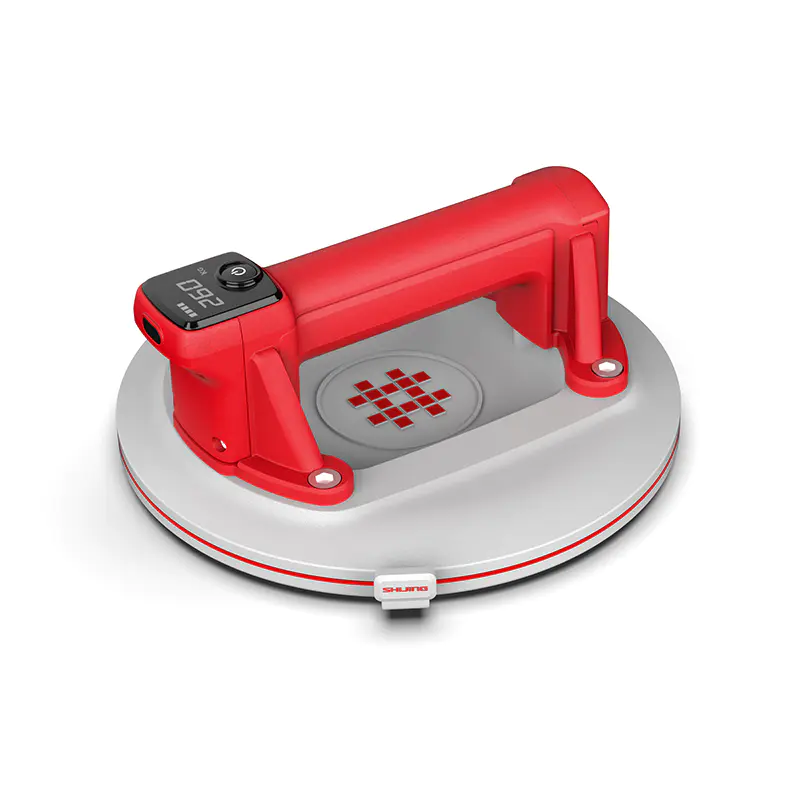
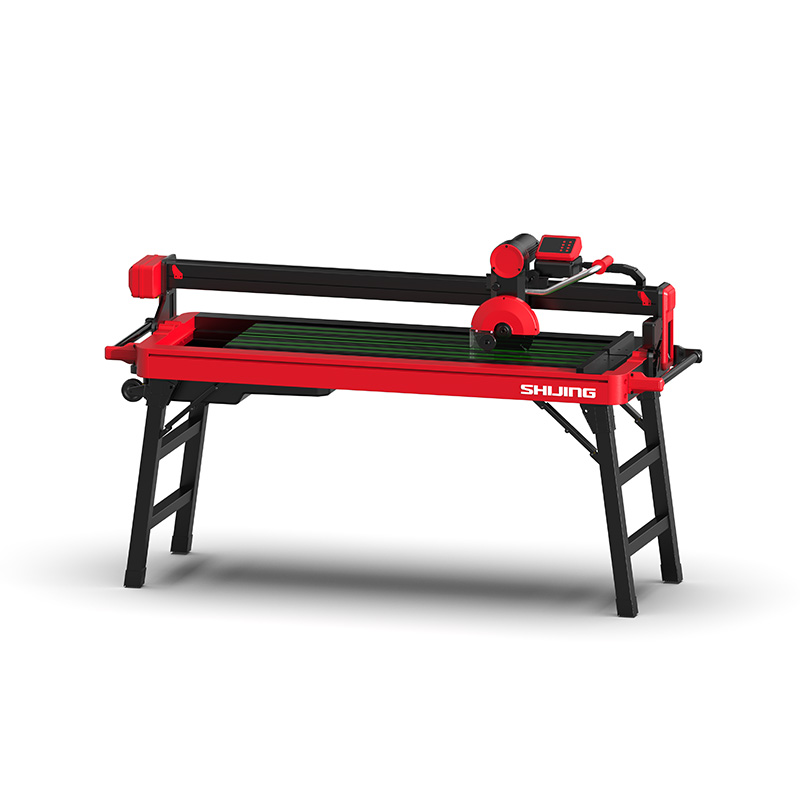
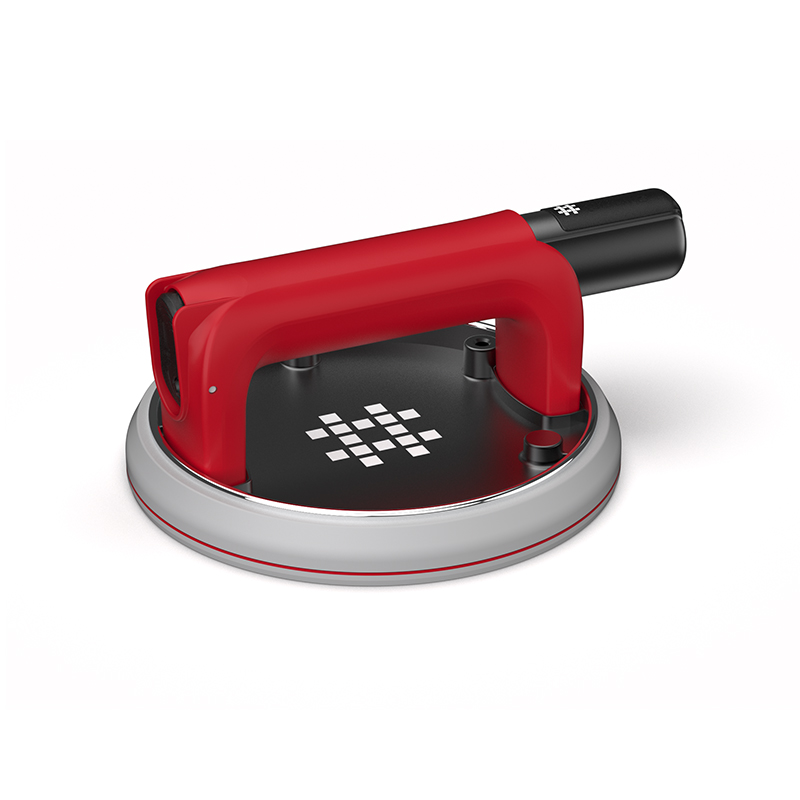
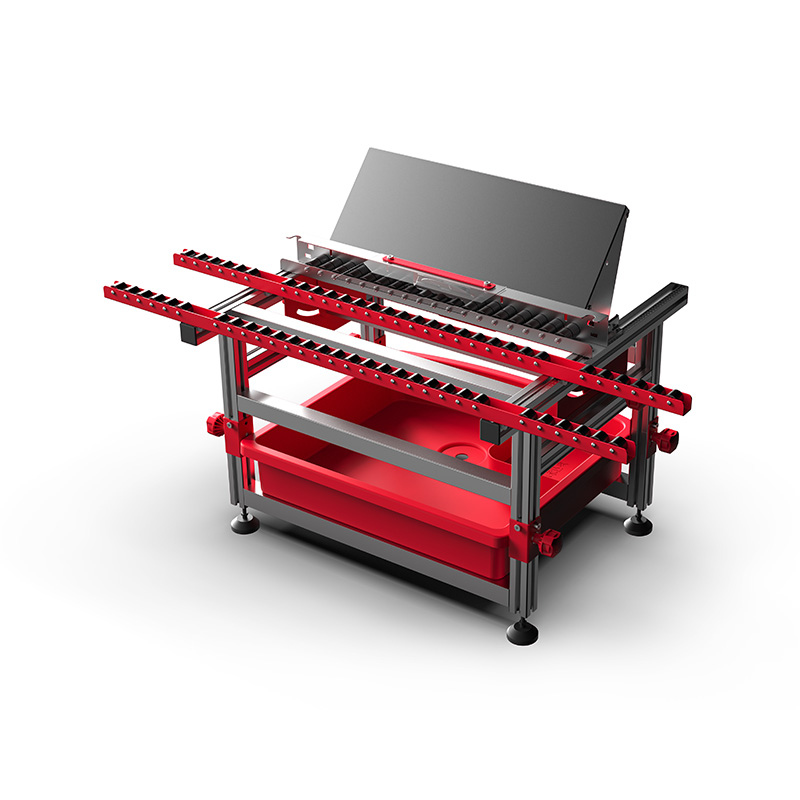
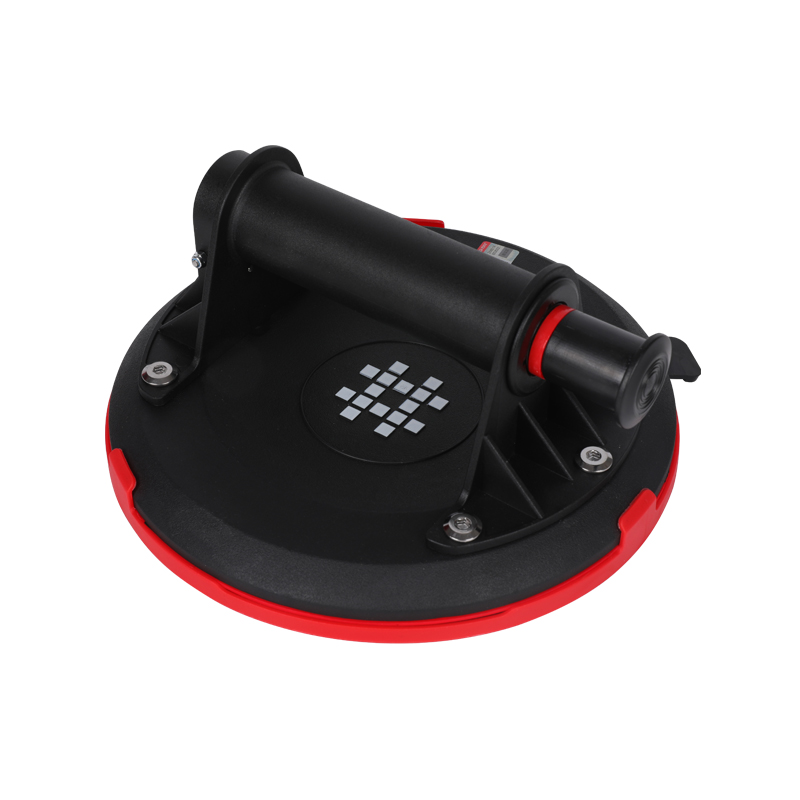
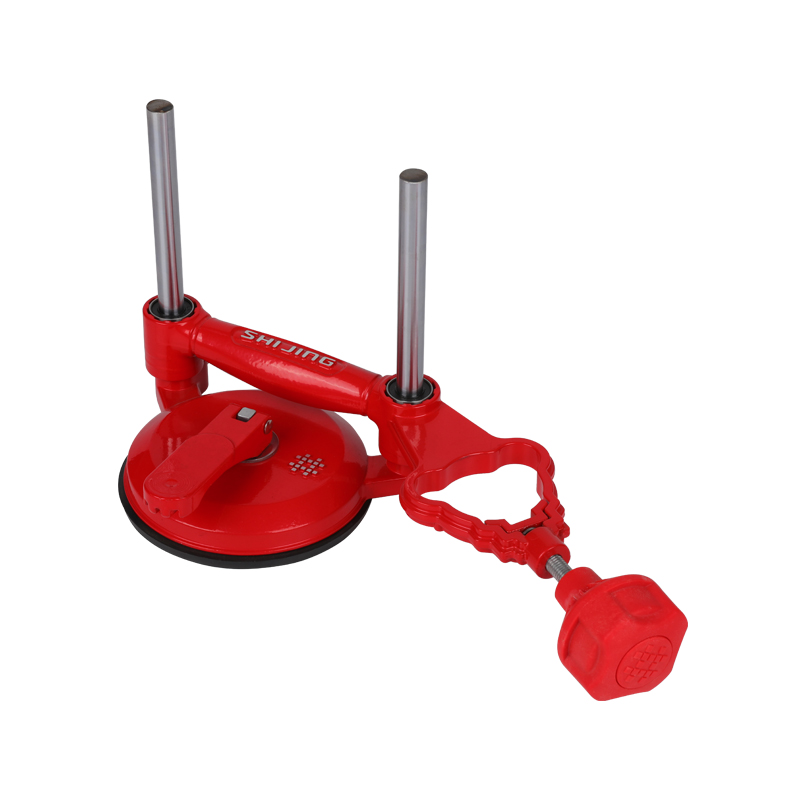
Installing large tiles changes the pace of a job. The pieces are wide, the edges can be demanding to control, and a small shift in balance can turn a routine move into a careful one. A Large Format Tile Lifting Frame can change that process by giving workers a steadier way to move, position, and set large surfaces without forcing the tile to carry all the strain through a few contact points. For contractors, installers, and buyers who focus on practical handling tools, the interest is not just in what the frame is, but in how it fits into real work, real transport, and real installation steps.
The idea is simple. When a tile becomes larger, the handling task becomes less forgiving. The material can flex, the grip can feel awkward, and the movement path often needs more control than a single person can provide. A Large Format Tile Lifting Frame gives that task a clearer structure. It turns a difficult lift into a more organized movement, which matters on floors, walls, and any job site where time, care, and tile condition all matter together.
Why large tiles become harder to move without support
Large tiles are not only heavier in a practical sense. They are also harder to balance, harder to turn, and harder to keep steady when the hands or tools do not spread the load well. A broad tile can catch air, bend slightly, or feel unstable when it is carried from one side. Even before installation begins, the worker has to think about space, angle, edge protection, and the path from storage to the work area.
| Common handling issue | What it can affect | What a steadier frame can help with |
|---|---|---|
| Uneven grip | Tile balance | More even support across the surface |
| Edge stress | Chipping or cracking risk | Less pressure at a few small points |
| Flex during movement | Alignment trouble | More stable carrying and turning |
| Awkward lift path | Worker fatigue | Clearer control during repositioning |
| Tight work area | Slower placement | Better movement into position |
In many jobs, the difficulty is not a single dramatic problem. It is a chain of small issues. A tile that shifts a little during transfer may need to be reset. A tile that is difficult to turn may need extra hands. A tile that is carried with uneven force may arrive at the installation point already under strain. That is where a Large Format Tile Lifting Frame becomes part of the working method rather than an accessory.
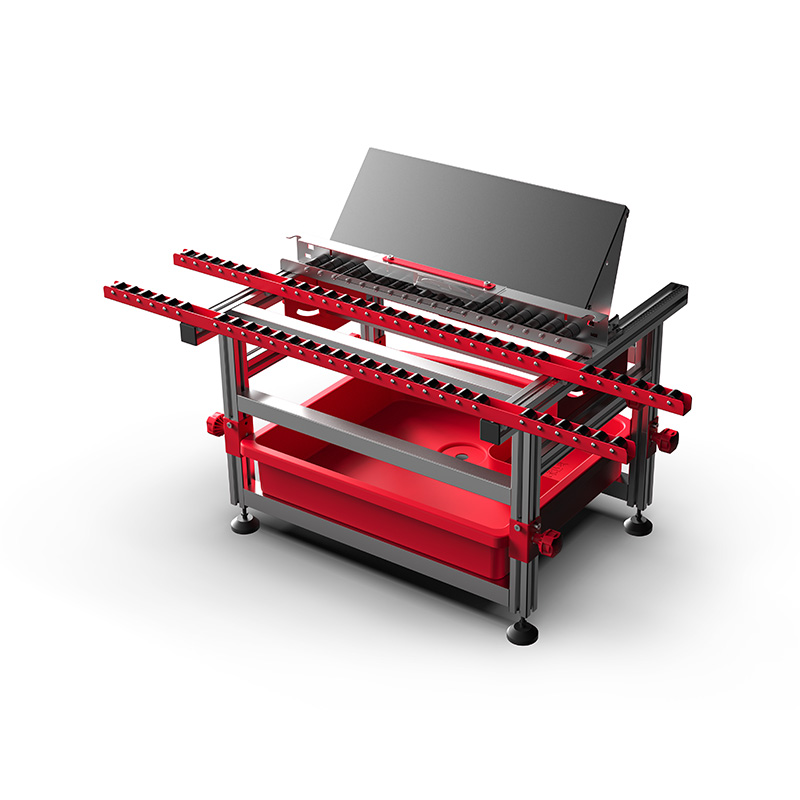
How a lifting frame supports tile installation
A tile that is difficult to hold by hand often becomes easier to manage once the load is spread out. A frame gives workers a wider and more controlled contact area, which helps during transport, rotation, and placement. Instead of holding the tile at a few points, the worker can move it with a more unified grip.
This matters during installation because placement is rarely a single motion. The tile may need to move from a rack, pass through a doorway, turn around a corner, and settle into a final position with care. A Large Format Tile Lifting Frame helps keep the tile in a more consistent shape during those steps. That does not remove the need for skill, but it supports it.
The frame is also useful when a job calls for repeated movement. In that setting, every extra adjustment has a cost. Time is lost, the tile is exposed to more touch points, and the chance of a small mistake rises. A steadier handling setup reduces those extra adjustments and helps the crew keep a clean sequence from pickup to setdown.
Another practical value is coordination. When more than one worker is involved, each person needs a clear sense of where the load sits and how it will move. A frame gives that movement a visible structure. That makes communication easier, which can matter as much as strength.
What makes the tool suitable for slab and ceramic projects
Not all large tile jobs are the same. Some involve thinner slab material. Some use ceramic tile that still needs careful handling because of its size. Some projects require movement across smooth indoor spaces, while others involve more uneven site conditions. A handling tool needs to fit those differences without making the job more complicated.
A Large Format Tile Lifting Frame becomes useful when it offers a balance of support, reach, and control. The tool should feel stable enough for larger surfaces, but not so awkward that it becomes hard to move through real job-site spaces. It should also match the way the tile is stored, lifted, and set.
| Project condition | Handling need | Frame characteristic that matters |
|---|---|---|
| Thin slab material | Lower flex tolerance | Stable support across the surface |
| Ceramic tile panels | Controlled movement | Steady grip and balanced load path |
| Indoor installation | Narrow turning space | Manageable frame size and shape |
| Repeated transfers | Less fatigue | Practical weight and clear handling |
| Mixed tile formats | Flexible use | Adjustability for different sizes |
A useful frame is not only about holding weight. It is about helping the user work through the full process with less hesitation. Buyers often care about that detail because the real test of a tool is how it behaves when conditions are not ideal. A frame that handles one tile well but becomes awkward in another setting may not serve a contractor for long.
How handling difficulties can be reduced during installation
The goal during installation is not only to move a tile from one place to another. The goal is to move it with a steady path and enough control that placement remains manageable. A Large Format Tile Lifting Frame supports that goal by reducing the need for repeated hand changes and by helping the crew maintain a more even grip.
One practical result is less edge pressure. When workers carry a large tile by hand, some spots take more load than others. A frame helps spread that load more evenly. That can make the tile easier to keep flat and easier to align as it approaches the installation area.
Another result is better pacing. A crew does not need to rush every move when the tile is better supported. That can improve decision-making in the moment. Workers can pause, adjust, and continue without forcing the tile through a stressful motion.
A few habits can improve the result even more:
- Check the contact points before pickup.
- Keep the movement path clear before lifting.
- Match the frame position to the tile shape.
- Move with steady coordination rather than quick corrections.
- Set the tile down only after the placement path is ready.
These steps sound simple, but they can shape the whole process. Handling large tile is often less about force and more about control. The right frame supports that shift in approach.
Which features buyers should check before choosing one
Buyers usually compare more than the name on the tool. They look at what the frame can do, how it feels to use, and whether it suits the kind of work they handle. A purchase decision should focus on practical points rather than surface claims.
Some features worth checking include:
- Frame size and how well it matches the tile range.
- Weight balance when the tool is carried or moved.
- Grip support across the tile surface.
- Adjustability for different job types.
- Ease of setup before use.
- Material choice and resistance to wear.
- Compatibility with common work habits on site.
A Large Format Tile Lifting Frame should also be easy to understand. If a tool takes too much effort to set up, workers may avoid using it. If it is clear and predictable, it is more likely to become part of the daily workflow.
A buyer may also want to think about storage and transport. A frame that is difficult to stack, carry, or store can create problems outside the job itself. Good handling tools should fit the whole working cycle, not only the lifting moment.
How to use the tool correctly for different tile sizes
Using a frame well starts before the tile leaves the rack. The worker should inspect the tile surface, check the frame position, and make sure the path is free of clutter. The goal is to avoid trying to fix problems while the tile is already in motion.
The use process often follows a simple rhythm:
- Place the frame according to the tile shape.
- Check that the support points are aligned.
- Confirm that the tile sits evenly in the frame.
- Lift in a controlled motion.
- Move along a clear path.
- Set the tile down only when the final area is ready.
Different tile sizes call for different attention. A narrower panel may need a tighter setup. A wider slab may need more careful balance during turning. A taller piece may be more sensitive to side pressure. A Large Format Tile Lifting Frame is useful when it helps the crew adapt without changing tools every time the tile shape changes.
One mistake to avoid is forcing a tile into a carrying position that does not fit it well. Another is moving too quickly before the tile has settled into the support points. These errors can create avoidable strain and slow the job later.
What buyers should know before ordering from a supplier
Buying handling tools for a project is not the same as picking a general accessory. The buyer needs clear information about the work the tool will support. That includes tile size, job environment, crew size, transport needs, and storage limits.
Before placing an order, buyers often check:
- The tile types that will be handled.
- Whether the frame suits indoor or mixed-site work.
- The expected use frequency.
- The ease of spare part replacement.
- The condition of the surface contact points.
- The level of training needed for the crew.
A supplier conversation should focus on fit, not just appearance. A Large Format Tile Lifting Frame can look similar across listings, yet still differ in balance, support style, and ease of use. Clear questions help avoid mismatch later.
It also helps to ask how the frame is packed and shipped. Damage in transit can affect the working surface before the tool even reaches the site. A buyer who checks those details early is less likely to face delays later.
How the tool is made and checked before delivery
Manufacturing a handling frame is not only about shaping metal or assembling parts. It is about building a tool that can support repeated use while remaining stable and practical. Each stage matters because a frame that feels solid on paper still has to prove itself in daily handling.
In a typical production flow, material selection comes first. After that, parts are shaped, aligned, joined, and checked for fit. The frame should remain balanced when assembled. Contact points should sit evenly. Moving parts, if present, should operate without drag.
Before delivery, a manufacturer may inspect for:
- Smooth assembly and fit.
- Stable support points.
- Surface condition and finish.
- Consistent movement of adjustable parts.
- Packaging that protects the tool in transit.
A Large Format Tile Lifting Frame that passes these checks is more likely to behave predictably at the work site. Predictability matters because workers need to trust the tool during lifting, turning, and placement. If the tool reacts in a steady way, the crew can focus on the tile rather than the frame itself.
Where handling tools fit into modern tile work
Large tile work has become more common in spaces where clean surfaces and broad visual continuity are valued. That shift has changed the handling problem. Bigger surfaces create cleaner results, but they also create a more demanding movement task. A frame fits into that change by giving the crew a clearer method for managing the load.
For installers, the benefit shows up in control. For buyers, the benefit shows up in practical use. For suppliers, the focus is often on whether the tool matches the work pattern of the customer. A Large Format Tile Lifting Frame can serve all three groups when it is built around real job conditions rather than assumptions.
The key idea is not complexity. The key idea is support. When a tile is large, support has to be broad, steady, and easy to use. That is the reason handling tools remain relevant in tile work, especially when the goal is to move material without adding avoidable strain to the job.
When a Large Format Tile Lifting Frame is selected with the right size, used with a clear process, and checked with care before shipment, it becomes part of a smoother working routine. The result is not only easier movement. It is a more controlled path from storage to placement, which is what tile handling needs most.
.jpg "1220 Level Ruler")