English
 中文简体
中文简体 русский
 Español
 Deutsch
You can learn the recent information of Shijing.




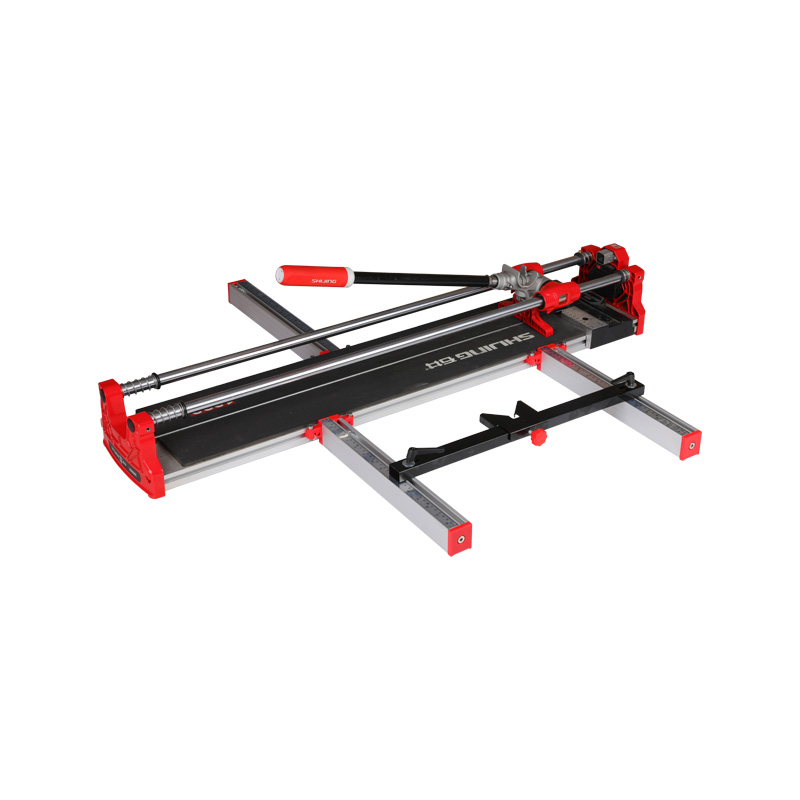

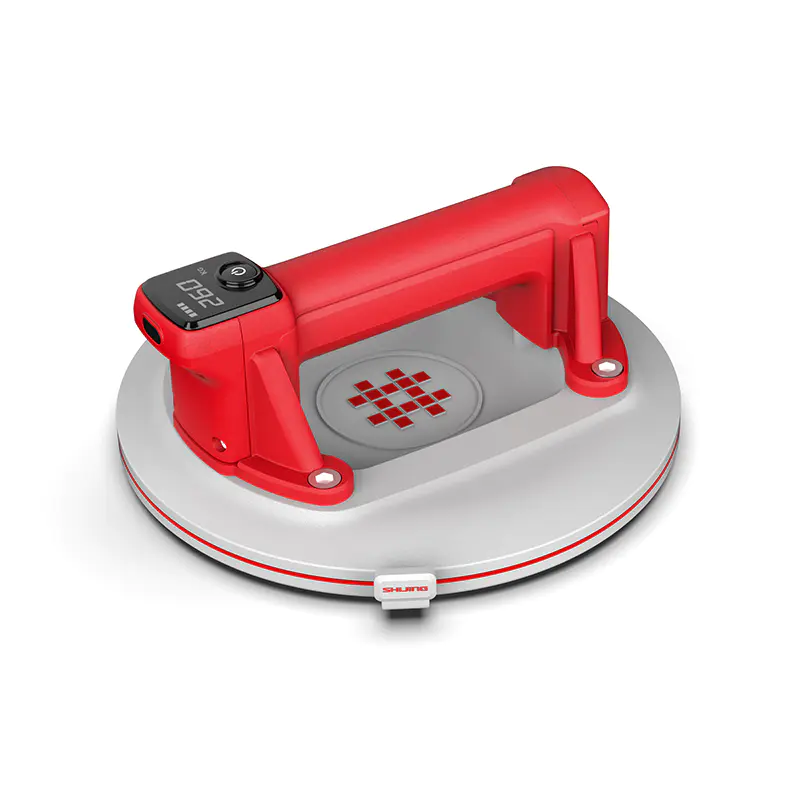
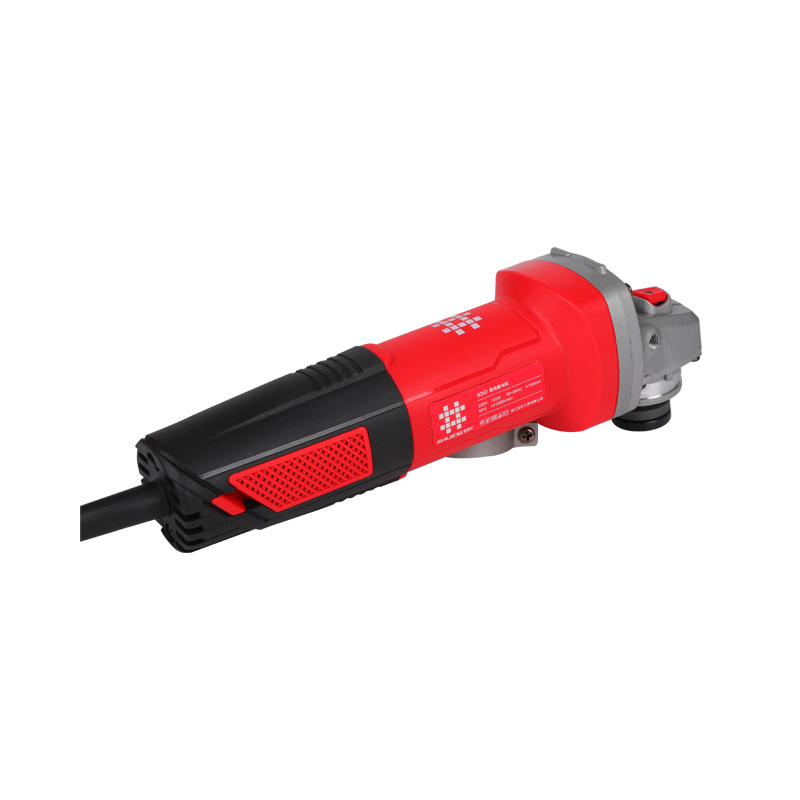
Ceramic tile cutting often looks straightforward until a particular shape, narrow edge, or installation position requires more control. A cut that appears simple on a flat tile can become harder when the cutting path changes direction or when the finished edge will remain visible. The choice of tool, cutting disc, tile support, and operating method can all affect the result.
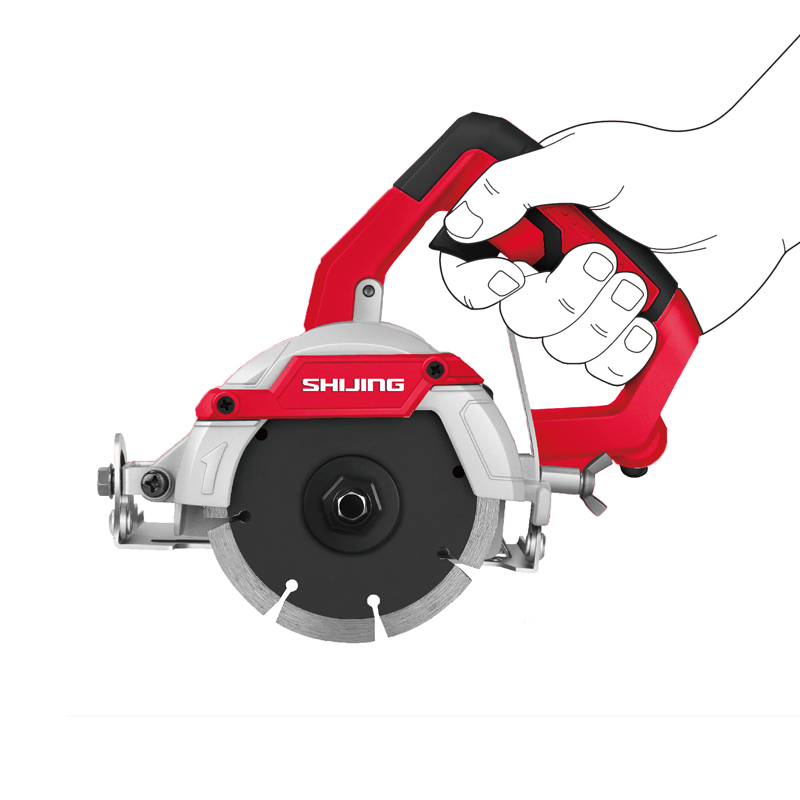
An Angle Grinder For Ceramic Tile can be used for different cutting tasks when the setup matches the material and the intended cut. Straight cuts require a controlled path, while curved openings and L-shaped sections require more attention to direction and support. The cutting process also involves more than moving a disc through the tile. Marking, positioning, pressure, speed, and edge handling all have a role.
Rather than treating each cutting issue separately, it is useful to look at the process from preparation through finishing. This approach helps explain why a stable setup can make a difference when working with ceramic tile and why different cutting shapes require different handling.
Which Diamond Disc Is Suitable for Ceramic Tile
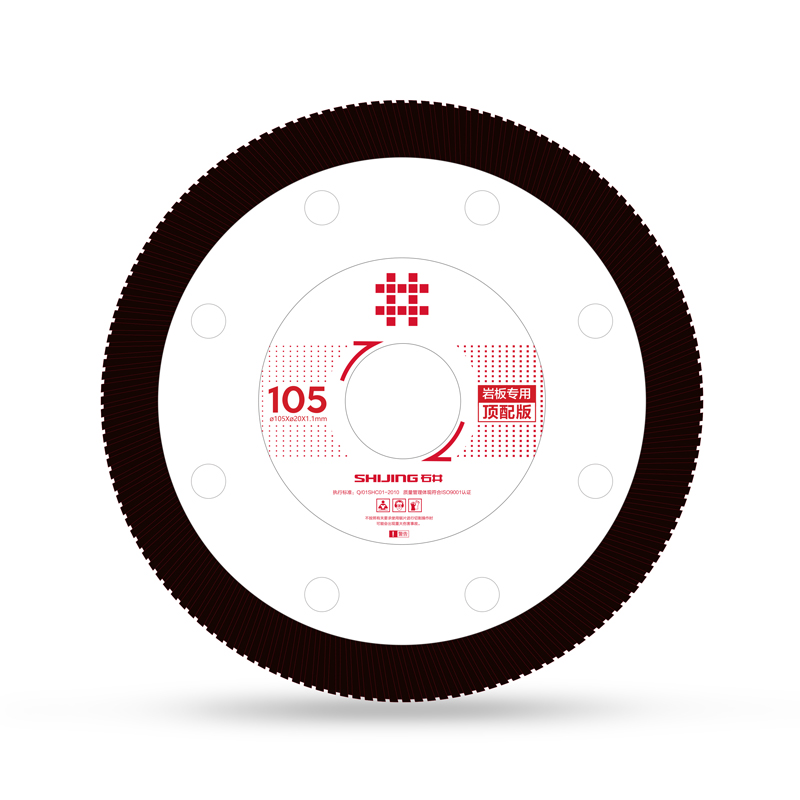
The cutting disc is the contact point between the tool and the tile, so its condition and intended application matter before any cutting begins. A disc designed for hard mineral materials is generally considered when ceramic surfaces need to be cut. The disc should also be compatible with the grinder and suitable for the dimensions specified by the tool.
Disc thickness can affect the character of the cut. A thinner disc can create a narrower cutting path, while a thicker one removes more material along the path. The appropriate choice depends on the cutting task rather than simply selecting a disc based on appearance.
The condition of the disc should also be checked before use. A worn or damaged disc may behave differently from one in good condition. Uneven movement, excessive vibration, or an irregular cutting path can make precise work harder.
| Disc consideration | Why it matters during tile cutting |
|---|---|
| Intended material use | Helps match the disc to the ceramic surface |
| Disc thickness | Influences the width of the cutting path |
| Disc condition | Affects cutting consistency and control |
| Compatibility | Ensures the disc suits the grinder |
For an Angle Grinder For Ceramic Tile, the disc should therefore be treated as part of the overall cutting setup rather than an isolated accessory. The cutting task, tile characteristics, and required finish all need to be considered together.
How Should Ceramic Tile Be Marked for Precise Cuts
A clean cut starts before the grinder touches the tile. The intended shape needs to be transferred clearly onto the surface so the operator has a visible path to follow.
Measurement should be taken from the actual installation position whenever possible. Small differences in placement can change where a cut needs to begin or end. Once the position is established, the cutting line can be marked in a way that remains visible during handling.
For a straight cut, a single clear line is usually easier to follow than several overlapping marks. For a shaped opening, it can help to mark the complete outline before beginning. This gives the operator a reference for where individual sections meet.
A practical preparation sequence can include:
- Check the required finished dimensions.
- Mark the cutting path clearly.
- Confirm the position against the installation area.
- Make sure the marked surface can be seen throughout the operation.
- Recheck intersecting lines before cutting.
Marking also helps separate the planning stage from the cutting stage. Once the intended path is established, attention can remain on keeping the grinder aligned with that path.
How Does Tile Support Improve Cutting Control
Ceramic tile is relatively rigid, but it can still move or flex when it is not properly supported. The position of the support can therefore influence how the material behaves during cutting.
A tile resting unevenly may shift as the disc passes through it. A section that extends too far beyond its support can also experience movement near the cutting area. Such movement makes it harder to maintain a consistent path.
The support should provide a stable working surface while leaving enough room for the intended cutting path. The tile should not be positioned in a way that allows the cut section to move unexpectedly during the operation.
For larger pieces, the support arrangement may need to account for both sides of the cutting line. For smaller pieces, preventing movement becomes especially important because there may be less surface area available for stable positioning.
| Cutting stage | Support consideration |
|---|---|
| Marking | Keep the tile stable while measurements are checked |
| Straight cutting | Support the material along the cutting area |
| Nearing an edge | Avoid unnecessary movement of the remaining section |
| Shaped cutting | Allow room for the planned cutting path |
This preparation gives an Angle Grinder For Ceramic Tile a more stable working condition. The tool can only follow a controlled path if the material itself remains reasonably steady.
How Does Cutting Speed Affect Ceramic Tile Accuracy
Cutting speed refers not only to how quickly the grinder moves across the tile but also to whether that movement remains consistent. A rushed movement can make it harder to follow the marked path, while an excessively hesitant motion can make the operation less fluid.
The appropriate pace depends on the material, cutting disc, depth, and shape of the cut. A straight line may allow a steady continuous movement, whereas a shaped opening may require slower changes in direction.
The operator should avoid forcing the tool through the material simply to shorten the cutting process. A controlled movement gives more opportunity to maintain alignment with the marked line.
Speed also becomes important when approaching corners or changes in direction. Sudden movement at these points can alter the cutting path. Keeping the motion controlled allows the disc to follow the intended shape more consistently.
For precise work, consistency matters more than simply moving quickly. The cutting pace should remain manageable throughout the operation, with particular attention given to changes in direction and the final section of a cut.
How Does Grinder Pressure Influence Cut Quality
Pressure works together with cutting speed. Pressing the grinder aggressively into the tile can make the tool harder to control, while inconsistent pressure can create an uneven cutting movement.
A more controlled approach allows the cutting disc to do its work without relying on excessive force. The operator can guide the tool along the marked path while maintaining a stable position.
Pressure also needs to change naturally when the cutting direction changes. A straight section may allow a steady movement, while a corner or curved section requires more careful guidance.
Several signs can indicate that the operating pressure needs attention:
- The grinder becomes difficult to keep aligned.
- The cutting path begins to move away from the mark.
- The tool vibrates noticeably during movement.
- The operator needs to push harder to maintain progress.
These conditions do not necessarily point to a single cause, but they show why cutting technique matters alongside tool selection. For an Angle Grinder For Ceramic Tile, controlled pressure helps maintain contact with the intended cutting path without making the operation unnecessarily forceful.
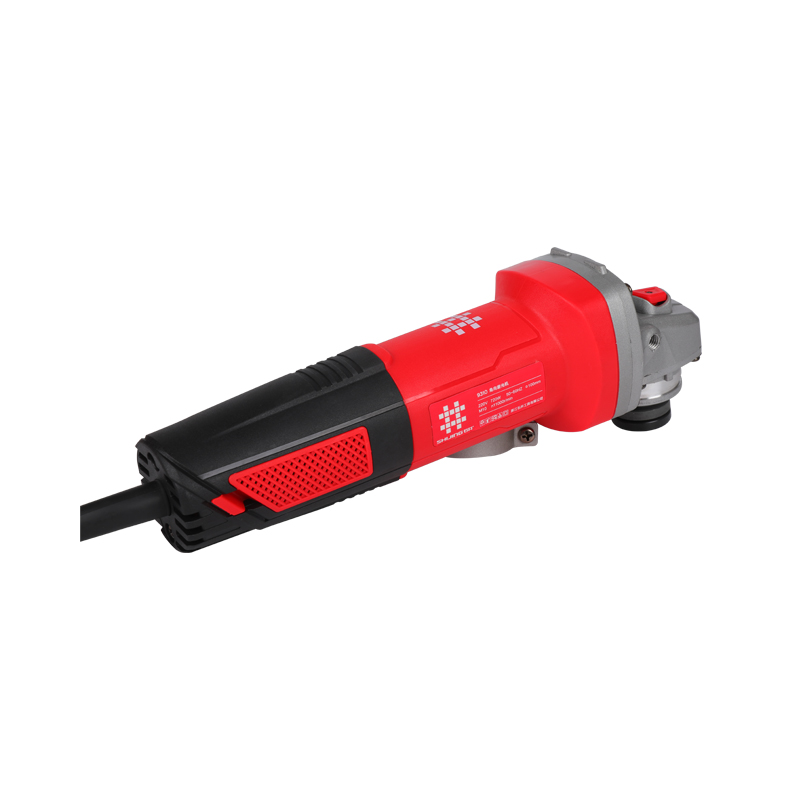
How Can Edge Chipping Be Minimized During Tile Cutting
The appearance of the finished edge is an important part of ceramic tile cutting, particularly when the edge will remain visible after installation. Small pieces can break away from the edge when the cutting process is not well controlled.
Several factors can influence edge condition. The cutting disc, direction of movement, pressure, support, and condition of the tile surface all interact during the operation. A glazed surface can also respond differently from the material beneath it.
The beginning and end of a cut deserve particular attention. These areas involve a change in how the disc enters or leaves the material, so sudden movements can affect the edge.
A controlled approach can include keeping the tile supported, following the marked path gradually, and avoiding abrupt changes in pressure. For shaped cuts, the cutting path should be planned so that corners are approached deliberately rather than reached through an uncontrolled turn.
Edge quality should also be considered before cutting begins. If a particular edge will be visible, the cutting plan may need to account for which side of the tile receives the cutting action and how the finished piece will be positioned.
The goal is not to treat every tile in exactly the same way. Different tile surfaces and cutting shapes can require adjustments in handling.
How Can an Angle Grinder Handle Curved Tile Cuts
Curved cuts require a different approach from a straight line because the cutting direction changes continuously. Trying to make a curve through one quick movement can make the path difficult to control.
A useful approach is to establish the complete curved outline before cutting. The operator can then work gradually along the intended path instead of attempting to remove the entire shape at once.
For a tighter curve, several controlled passes may provide more control than trying to make a single aggressive movement. The amount of material removed should remain manageable so that the cutting path can be adjusted as the shape develops.
Curved cutting can also create more attention around the edge because the direction of the disc changes throughout the operation. Stable tile support becomes particularly important, as movement can affect the shape of the curve.
When using an Angle Grinder For Ceramic Tile for a curved opening, the cutting process should therefore be treated as a sequence of controlled movements rather than one continuous turn. The marked outline provides the reference, while steady handling determines how closely the finished opening follows that outline.
How Can an Angle Grinder Make L-Shaped Tile Cuts
L-shaped cuts are common when a tile needs to fit around an obstruction or into a corner. Unlike a simple straight cut, an L-shaped opening contains two connected cutting paths and a defined corner.
The shape should be marked completely before cutting begins. Both lines need to be checked against the intended installation position so that the intersection occurs where required.
It is also useful to consider the order of the cuts. One path can be established first, followed by the second path, with careful attention to the point where they meet. The grinder should not be forced into the corner simply to complete the shape quickly.
The remaining material around the opening needs to stay supported during the process. If the tile shifts as the two cuts approach each other, the final shape can become harder to control.
| L-shaped cut factor | Practical focus |
|---|---|
| Marking | Confirm both connected cutting lines |
| Support | Keep the surrounding tile stable |
| Cutting direction | Maintain control as the paths approach |
| Corner | Avoid abrupt movement at the intersection |
| Final fit | Check the opening against the installation position |
This type of work shows why precise tile cutting depends on the entire process rather than one individual operation. With suitable preparation, controlled movement, and attention to the cutting path, an Angle Grinder For Ceramic Tile can be used for both straightforward and shaped ceramic tile work.