English
 中文简体
中文简体 русский
 Español
 Deutsch
You can learn the recent information of Shijing.



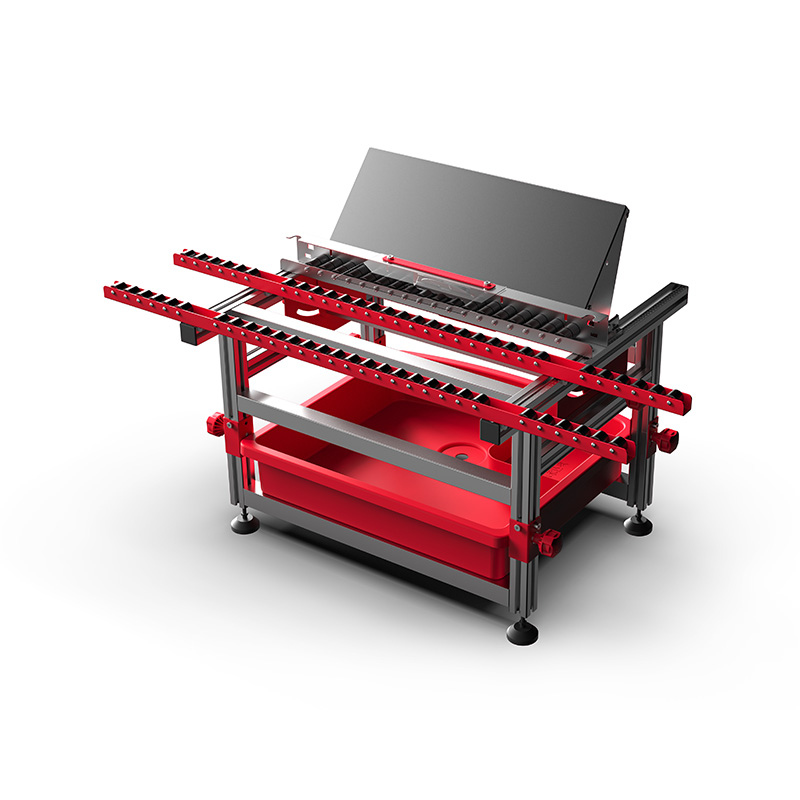
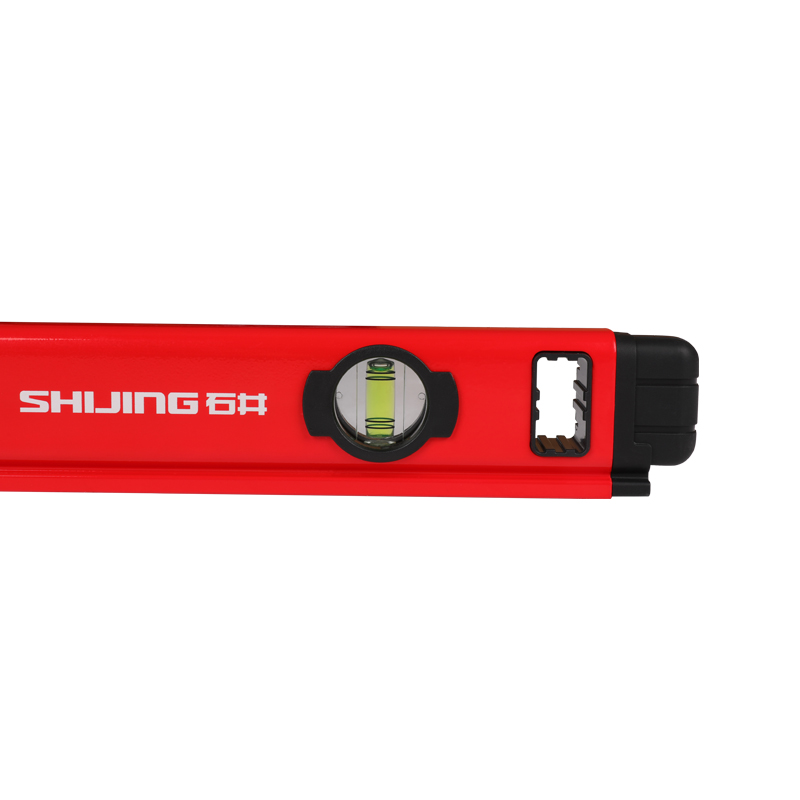
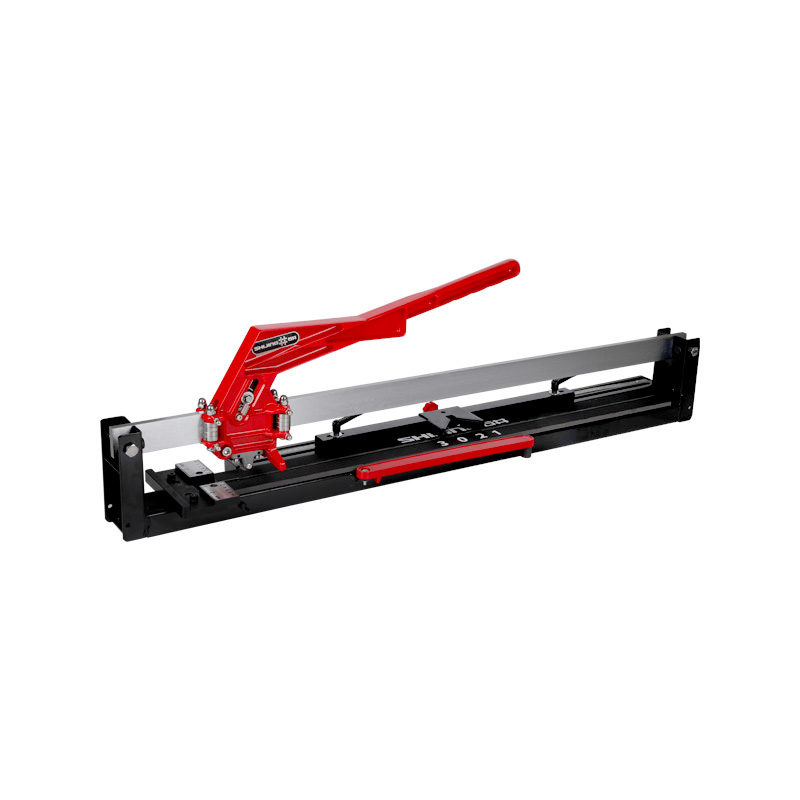
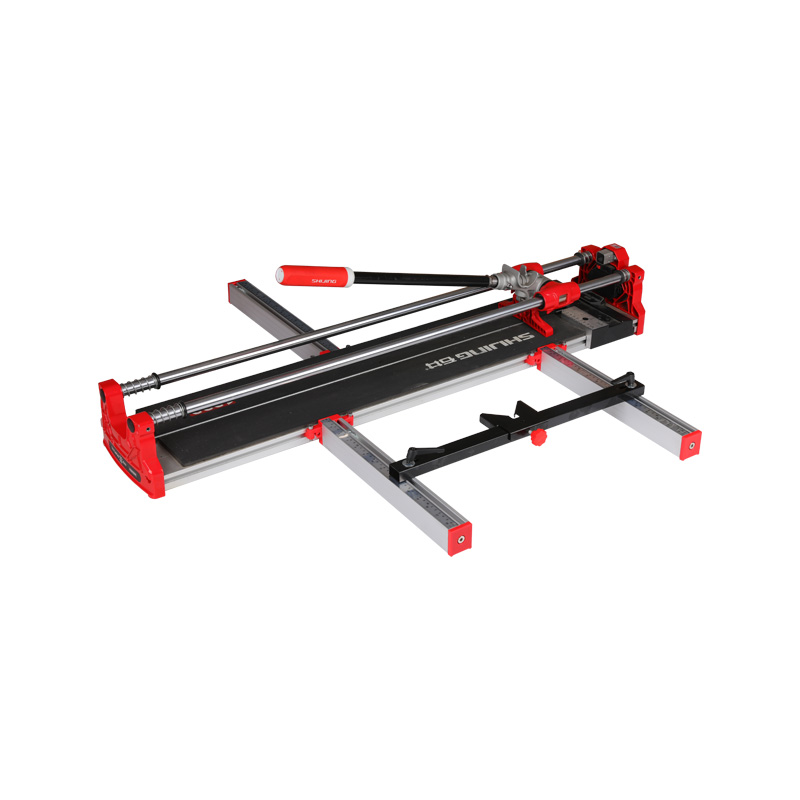
Cutting tile by hand looks straightforward. Mark the tile, run the cutting wheel across the surface, then separate the piece along the scored line. In practice, the result can vary quite a bit. Tile material, surface texture, thickness, tool condition, and even the position of the cut can change how the piece behaves.
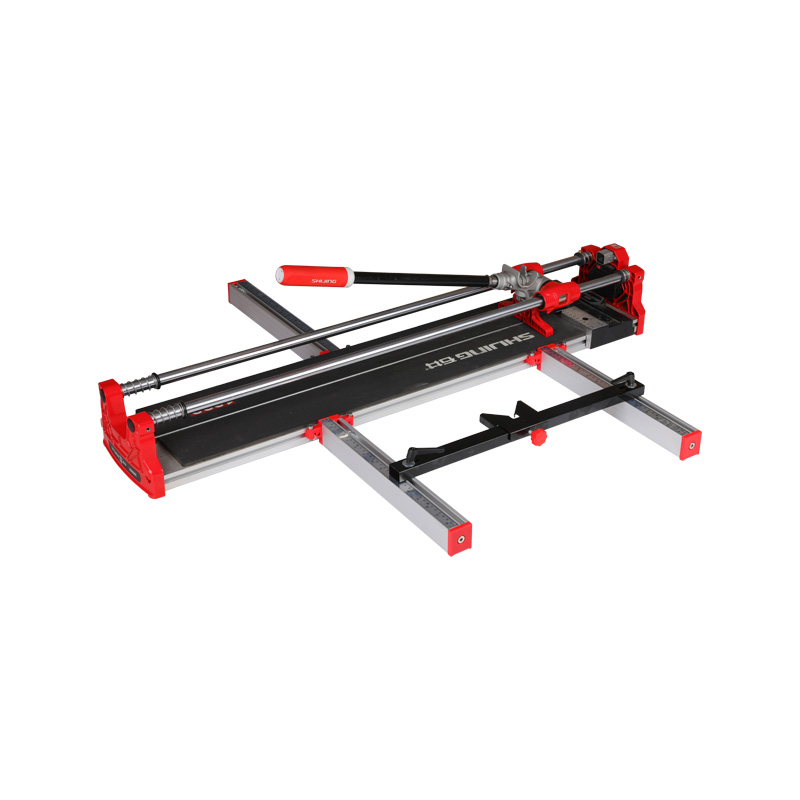
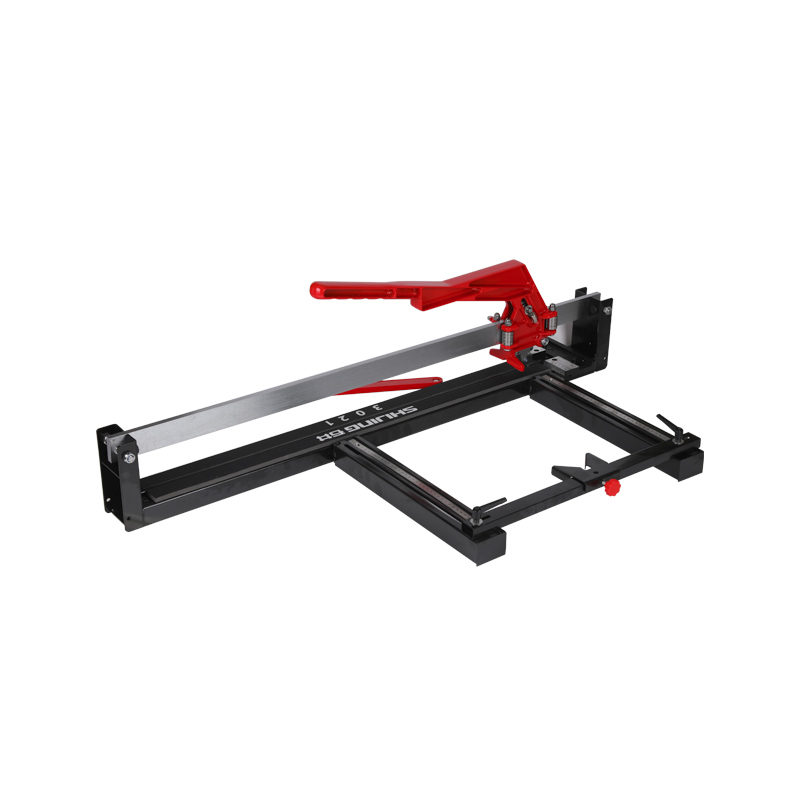
A Tile Cutting Hand Tool is mainly suited to controlled straight cuts. It gives the user a direct way to score the tile without relying on a powered blade. That makes the cutting process relatively simple, but it also means that small mistakes in positioning or pressure are easier to notice.
The tile needs to be suitable for the method, the cutting line needs to be placed accurately, and the scoring action needs to stay consistent. Problems that appear at the final break often begin earlier in the process. Looking at each stage separately makes it easier to see where those problems come from.
Which Tiles Work Well With a Tile Cutting Hand Tool
Tile does not all behave in the same way under a scoring wheel. Ceramic tile is often easier to work with by hand because its surface can respond well to a controlled score. A denser tile may require more attention during both scoring and separation.
Thickness is another factor. A thin wall tile can react differently from a thicker floor tile. The surface finish matters too. A smooth surface gives the wheel a relatively clear path, while a strongly textured surface can make it harder to keep the score where it belongs.
The shape of the cut should be considered at the same time. Straight cuts are a natural fit for manual cutting. Curves, notches, and small openings are a different matter and may call for another cutting method.
| Tile feature | What it can mean during cutting |
|---|---|
| Smooth surface | The scoring wheel can follow the marked line more easily |
| Textured surface | Maintaining a consistent score may require more attention |
| Thin tile | The separation process may feel different from thicker material |
| Thick tile | Scoring and breaking may require closer control |
| Dense structure | The tile may respond differently to the scored line |
There is no need to assume that a method will work the same way on every tile. If there is any uncertainty, using an unused piece of the same material as a test piece can show how the surface responds before an actual installation piece is cut.
What Should You Check Before Starting a Tile Cut
A little preparation can prevent problems that are difficult to correct later. The tile should sit flat and remain still while the score is being made. Dust or small particles underneath it can create movement at the wrong moment.
The cutting tool should also be checked before use. The scoring wheel should move freely, while the guide should remain in position rather than shifting during operation. If something feels loose, it is better to deal with it before cutting.
The tile itself deserves a quick inspection. Existing cracks, damaged corners, or chips close to the proposed cutting line can affect the way it breaks. A clean surface also makes the marked line easier to follow.
A practical pre-cut check can include:
- Wipe the tile surface clean.
- Make sure the support area is stable.
- Check the scoring wheel for visible wear.
- Make sure the guide moves without unwanted play.
- Mark the cutting position clearly.
- Leave enough working space around the tile.
None of these steps is complicated. They simply remove some of the variables that can make a straight cut harder to control.
How Should You Mark the Tile Before Cutting
A cutting mistake can begin before the tool touches the tile. If the line is in the wrong place, a smooth scoring action will not correct it.
Measure from the edge that will actually be used during installation. It is easy to measure from the wrong side when several pieces are being prepared at once, especially if the tiles have similar faces and backs.
The mark should remain visible while the tile is being cut. A line that is too faint can become difficult to follow once dust appears on the surface. At the same time, the mark should not be so wide that it becomes unclear where the wheel should travel.
For repeated pieces, it helps to keep the same reference point when marking each tile. This is less about speed and more about avoiding small differences from one piece to the next.
Before moving the tool, check three things:
Is the measurement correct? Is the tile facing the intended direction? Is the line easy to follow?
If all three are clear, the scoring stage becomes much more straightforward.
How Much Pressure Should You Use When Scoring
Pressure is one of the easier parts of manual cutting to misjudge. Too little pressure may leave a weak or broken score. Too much can make the tool harder to guide and may leave unnecessary marks on the surface.
The scoring wheel should move along the line in a steady motion. Repeatedly stopping, starting, or going back over the same area can produce an inconsistent score.
The hand holding the tool should allow enough control to keep the wheel moving in one direction. Meanwhile, the tile needs to stay firmly supported. If the tile shifts under the wheel, even a well-marked line can become difficult to follow.
It is tempting to push harder when the tile feels resistant. That is not always helpful. The purpose of scoring is to create a controlled line that guides the break. The aim is not to cut through the tile in one pass.
A spare piece of the same tile can be useful when the correct pressure is unfamiliar. A few practice cuts can show how the surface responds without putting an installation piece at risk.
How Does the Scoring Wheel Affect the Cutting Process
The scoring wheel has a small physical contact area with the tile, but its condition can influence the entire cutting process. A wheel that moves smoothly is easier to keep on the intended line.
Wear can become noticeable when the score starts looking inconsistent or the wheel no longer travels across the surface in the same way. Alignment matters as well. If the wheel and guide do not stay in the same path, maintaining a straight score becomes more difficult.
A quick inspection can help separate tool-related problems from operating mistakes.
| Scoring wheel condition | What may happen |
|---|---|
| Smooth movement | The score is easier to control |
| Uneven movement | The line may become inconsistent |
| Visible wear | Scoring may require greater attention |
| Misalignment | The wheel may move away from the intended line |
| Loose connection | Tool movement may feel unstable |
The wheel is only one part of the setup, though. A properly moving wheel will not compensate for a tile that shifts during scoring. Likewise, a stable tile cannot solve a problem caused by a wheel that is not tracking correctly.
Why Can a Tile Break Unevenly After Scoring
An uneven break can be frustrating because the scoring stage may appear to have gone well. In many cases, however, the final break reflects something that happened earlier.
The score may not have formed a continuous path across the tile. It may also have drifted slightly from the intended line. When the tile is separated, the break can then move away from that path.
The way pressure is applied during separation also matters. Pressure concentrated on one area can produce a different result from pressure that allows the scored line to guide the break naturally.
Tile condition should not be overlooked. A small crack, damaged edge, or unusual surface feature near the cut can influence the direction of the break.
When a piece breaks poorly, it is useful to work backward through the process instead of simply applying more force next time:
- Check the original marking.
- Look at the scored line.
- Check whether the tile moved.
- Inspect the scoring wheel.
- Consider the tile's surface and structure.
- Review how pressure was applied during separation.
This approach can help identify the actual source of the problem rather than treating every uneven break as a force issue.
What Common Mistakes Affect Manual Tile Cutting
Small errors can add up during manual tile cutting. One common example is starting the scoring action before checking whether the tile is properly positioned. Another is changing direction midway through the score in an attempt to correct the path.
Going back over a line several times can also create problems. If the initial pass is misplaced, repeating the same movement does not necessarily create a better cutting path.
There is also a tendency to use more force when a tile does not separate immediately. Excessive pressure during the break can place stress on areas away from the intended line.
For repeated work, consistency matters more than trying to make every individual cut through force or speed. Keeping the same sequence from one piece to another makes unexpected results easier to identify.
Some useful habits include:
- Check the tile position before scoring.
- Keep the scoring movement steady.
- Avoid unnecessary changes in direction.
- Do not rely on force to correct a poor score.
- Check the tool when cutting behavior changes.
- Inspect each cut before preparing the next piece.
These are simple working habits, but they can make the process easier to control.
When Is a Tile Cutting Hand Tool Practical for Tile Jobs
A Tile Cutting Hand Tool can make sense when the job mainly involves straight cuts and the tile can be supported securely. It is a manual approach, so the user has direct control over the scoring movement rather than relying on a powered cutting action.
The tile itself remains the deciding factor. A method that works comfortably with one ceramic tile may not behave the same way with a denser or differently finished material. Testing a spare piece can help clarify whether the selected method suits the job.
The type of cut also matters. Long straight cuts are one situation. Curved cuts, detailed shapes, and small openings require a different level of control and may not be suitable for the same manual process.
Working conditions can influence the decision as well. A compact manual setup may fit some indoor tasks where a powered cutting arrangement is unnecessary. The work surface still needs to be stable, and the tile needs enough support to remain in place.
In practical terms, the choice comes down to the tile, the shape of the required cut, and the conditions in which the work will be carried out. A Tile Cutting Hand Tool can be a suitable option for certain straight-cut tasks, provided the material and cutting requirements match the method.
.jpg "9510-2700mm Electric Cutter For Porcelain Slab With 3380mm Rail")
.jpg "1220 Level Ruler")
.jpg "P617 Electrical Air Pump")
-5.jpg "P622 Tension Suction Cup")