English
 中文简体
中文简体 русский
 Español
 Deutsch
You can learn the recent information of Shijing.


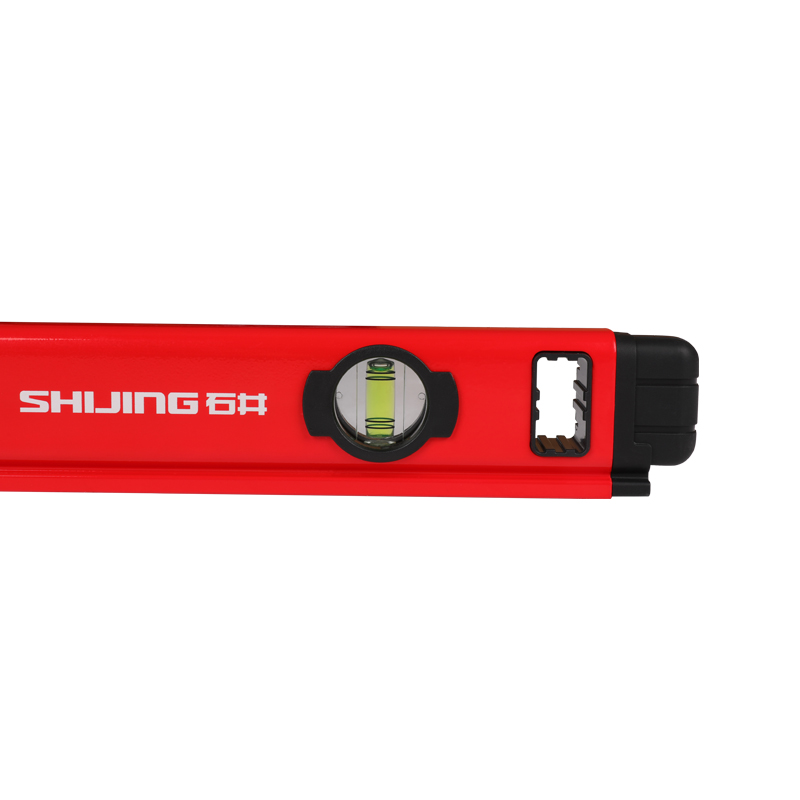
A level tool may look simple in design, yet its performance depends on suitable material selection, careful assembly, and consistent quality checks during production. For buyers, installers, and distributors, the real value is not only in how the tool looks on the shelf, but in how it behaves once it is placed on a wall, frame, shelf, or workbench. An Aluminium Spirit Level Ruler is often chosen because it brings together a light body, a firm frame, and a clear reading surface that supports everyday alignment work.
For manufacturers, the challenge is to keep the shape straight, keep the reading stable, and keep the product practical for different working habits. That means the path from raw profile to finished tool is more than a routine cut-and-pack process. It includes material selection, shaping, assembly, checking, and handling. When these steps are handled with care, the result is a tool that feels steady in use and remains suitable for repeated work across different settings.
What Is a Level Ruler and How Does It Work in Daily Measurement Tasks
A level ruler is a hand tool used to show whether a surface sits flat, stands upright, or holds a planned angle. In daily work, people use it when hanging frames, fitting shelves, placing cabinets, setting tiles, or checking a work surface before fastening parts. The reading is usually easy to see, which makes the tool useful in places where a quick check matters.
The working idea is straightforward. A small indicator inside the body moves within its chamber, and the user reads the center point against the marked line. When the indicator rests in the middle, the surface is aligned in the intended way. When it shifts aside, adjustment is needed. Because the reading is immediate, the tool can save time in installation and reduce rework later.
For the user, the main value is clarity. A solid frame helps the reading stay stable, while a clean viewing area helps the eye catch movement without strain. That is why the structure of the body matters just as much as the indicator itself. In many workshops, the tool sits within arm's reach because it is used so often during fitting and alignment.
| Common task | What the tool helps check | Why it matters |
|---|---|---|
| Hanging wall items | Straight placement | Keeps the final look even |
| Shelf fitting | Flat support line | Helps items sit safely |
| Frame installation | Upright position | Prevents visible leaning |
| Cabinet work | Side and surface alignment | Supports a neat fit |
| Tile setting | Surface consistency | Reduces uneven edges |
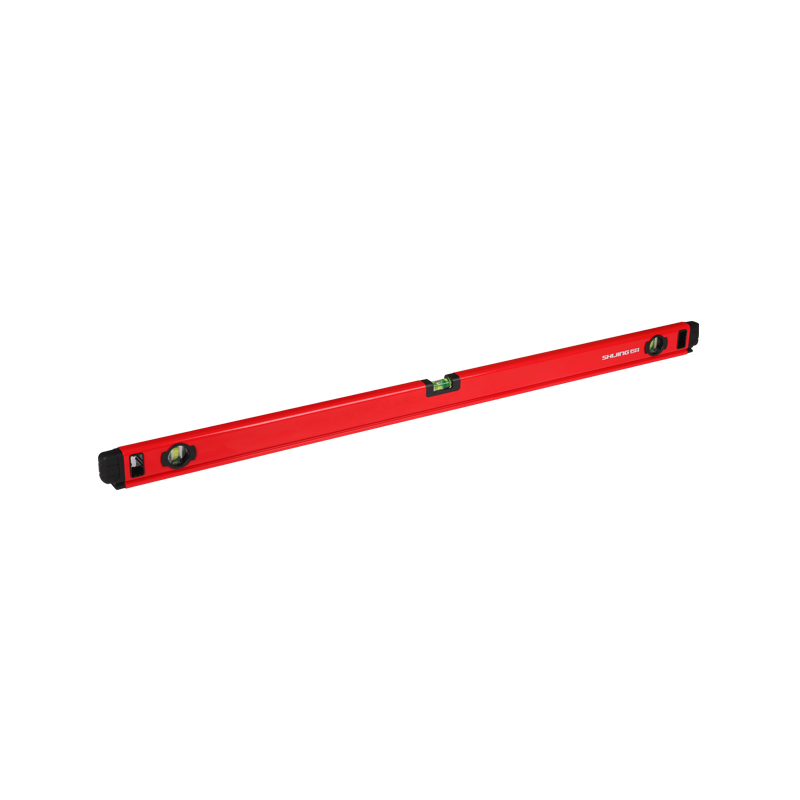
Why Is Aluminium Chosen for Level Rulers in Construction and DIY Applications
An Aluminium Spirit Level Ruler is often selected because aluminium offers a practical balance between weight and structure. It is light enough to carry across a job site, but it still gives the body enough firmness for routine handling. That balance matters when the tool is used often throughout the day.
Another reason is resistance to routine wear. On a workbench, in a storage box, or in the back of a van, the tool may meet other items, receive light knocks, or face changing indoor and outdoor conditions. A body made from aluminium can handle that kind of daily movement more comfortably than some softer materials. It also supports surface treatment well, which helps the tool keep a clean appearance and a more stable feel.
For DIY users, the material choice also affects handling. A lighter tool feels easier during home projects, especially when the user is reaching above shoulder height or checking a long edge. For builders and installers, the material supports repeated use without making the tool feel bulky. That is part of why aluminium remains a common choice in this category.
There is also a visual side to the material. A clean finish gives the tool a neat appearance, which can matter in retail displays and in professional kits. Buyers often notice the frame first, and a consistent finish suggests attention in production. That impression can influence purchase decisions even before the product is tested in use.
How Is It Manufactured From Profile to Finished Tool
The path from profile to finished tool starts with the body shape. The profile is formed to create a straight and stable frame, and the cutting stage prepares each piece for assembly. At this point, accuracy in length and edge finish matters, because small issues can affect both feel and use later on.
After cutting, the surface is prepared. This may include cleaning, finishing, or treatment that supports appearance and durability. The aim is not only to make the tool look tidy, but also to help it resist marks from handling and storage. A good finish can make the product more pleasant to hold and easier to present in retail or wholesale packaging.
The next stage is assembly. The reading chambers are placed into the body, the ends are fitted, and the scale or marking area is added where needed. Each part needs to sit in the right position, because a small shift can change how the reading appears to the user. The frame must remain straight, and the chambers must sit securely so the tool can hold its behavior over time.
Packaging comes after assembly and checking. A product that has been handled carefully during packing is more likely to reach the buyer in the same condition it left the plant. For that reason, the manufacturing chain is not complete until the finished item is protected for transport and storage.
| Production stage | Main purpose | Quality point to watch |
|---|---|---|
| Profile preparation | Form a stable body | Straight shape and clean edges |
| Cutting | Set the working length | Even size and neat end finish |
| Surface treatment | Support appearance and wear | Smooth finish and consistent look |
| Chamber fitting | Hold the reading unit | Secure placement and correct alignment |
| Final packing | Protect the product | Safe transit and storage readiness |
How Do Manufacturers Test Levels to Maintain Measurement Accuracy
Testing begins with the frame. If the body bends, twists, or carries a hidden flaw, the reading can be affected even when the internal chamber is set correctly. That is why a straight frame is checked before the product moves forward. A level that cannot hold a stable body shape will not serve its purpose for long.
The reading area also needs attention. The indicator must sit in a position that can be read clearly, and it should react in a way that feels steady rather than loose. Manufacturers often check whether the reading behaves the same way when the tool is placed on a surface, then turned and checked again. If the result changes in an unusual way, the item may need to be adjusted or removed from the batch.
Another part of testing is visual inspection. Scratches, loose ends, or poor fitting can affect confidence even if the reading still looks acceptable. Buyers notice these details, and users often do too. A tool that looks neat and behaves steadily tends to create a stronger sense of trust during everyday use.
Testing also helps protect consistency across a batch. When one item feels different from another, a buyer may question the reliability of the whole shipment. Consistent checking during production gives the manufacturer a clearer picture of whether the process is staying within the intended range.
How to Choose the Right Level Ruler for Different Working Environments
The right choice depends on how the tool will be used. A home user often looks for easy handling and clear reading, while a builder or installer may focus more on firmness, grip, and day-to-day durability. The working environment shapes the design choice more than the label on the package.
For indoor fitting work, a compact body may be easier to move around tight spaces. For wall work, framing, or shelf alignment, a longer body can help the user span a wider area and read the surface with more confidence. The key is to match the tool to the task rather than choosing by appearance alone.
A buyer should also think about handling. If the tool will be carried often, weight can matter. If it will stay in a workshop, storage space and surface protection may matter more. In damp or dusty settings, the finish and end protection deserve attention because the tool may face more wear between uses.
| Working environment | Useful design cue | Buying note |
|---|---|---|
| Home repair | Easy handling | Choose a body that feels comfortable in hand |
| Cabinet fitting | Clear reading | Look for a clean viewing area |
| Wall installation | Stable placement | A steadier frame helps with alignment |
| Workshop use | Durable finish | Surface protection matters during storage |
| On-site work | Easy carrying | Lighter handling can support frequent movement |
What Features Should Buyers Check Before Ordering in Bulk
Bulk buyers usually look beyond appearance. They want a product that stays consistent from one unit to the next, so they often check frame feel, reading clarity, finish quality, and packing method. A sample may look fine on a desk, but a larger order needs the same result across many pieces.
The frame should feel firm and straight. The reading unit should sit cleanly in its position. The surface should be even, with no rough edges that might affect handling or create a poor impression. If the tool includes a scale, the marking should be easy to see and placed in a way that supports quick use.
Packaging also matters in bulk orders. Buyers often need cartons that protect the surface and keep the product organized during shipping. Clear packing methods can reduce damage and make warehouse handling easier. For buyers who sell in shops or online, packaging can also affect how the product is received before use begins.
Communication with the maker is part of the decision too. Buyers may ask about body finish, label placement, packing style, and design changes. A supplier that responds clearly is often easier to work with because the order details stay organized from the start.
Which Design Works Better for Construction and Home Improvement Projects
Different projects call for different handling styles. Some users want a narrow body that moves easily in tight areas, while others prefer a wider body that feels steady on open surfaces. The better choice depends on the task, the space, and the way the tool will be held.
For construction work, a design that supports firm placement can be useful when checking frames, edges, or long runs. In home improvement, a shape that feels comfortable during repeated short checks may matter more. The tool is used in both settings, but the rhythm of the work is not the same.
Some buyers also pay attention to the grip feel. A body that is easy to hold can make repeated checks less tiring. End protection can matter too, because the tool may be placed down often or moved across rough surfaces. A design that handles that routine well tends to fit more working habits.
Instead of asking which shape is always better, it is more practical to ask which one fits the way the job is done. That question usually leads to a clearer choice and fewer mismatches after purchase.
Tips for Maintaining the Tool and Extending Its Service Life
Good maintenance starts with simple habits. After use, the body should be wiped clean so dust and marks do not build up along the surface. If the tool has been used in a damp area, drying it before storage can help keep the finish in better condition.
Storage matters as well. A level that is thrown into a crowded box may suffer knocks that affect the frame or the reading area. Keeping it in a separate space, sleeve, or protected rack can help it stay straighter for longer. That is especially useful for tools used in daily site work.
Users should also avoid using the body as a striking edge or a temporary support for heavy items. Even when the tool feels firm, repeated misuse can change its shape and reduce confidence in the reading. A level works as a measuring aid, not as a lever or hammer substitute.
If the reading starts to seem unusual, the tool should be checked rather than ignored. A quick inspection can reveal whether the issue comes from dirt, storage damage, or wear. Early attention often prevents small problems from becoming a larger concern.
For buyers and distributors, maintenance advice is worth sharing with the end user. A product that is cared for properly is more likely to stay in service and deliver a steady reading over time. That reflects well on the product and on the source that supplied it.
An Aluminium Spirit Level Ruler is not complicated in appearance, but its value depends on details that are easy to miss. Material choice, straightness, clean assembly, careful checking, and sensible use all shape the experience. When those parts are handled with care, the tool remains practical for jobs that need a clear and steady reading.
.jpg "7565E 5 Lines Laser (Green Light)")
-3.jpg "P620 Suction Cup With 2 Jaw")