English
 中文简体
中文简体 русский
 Español
 Deutsch
You can learn the recent information of Shijing.
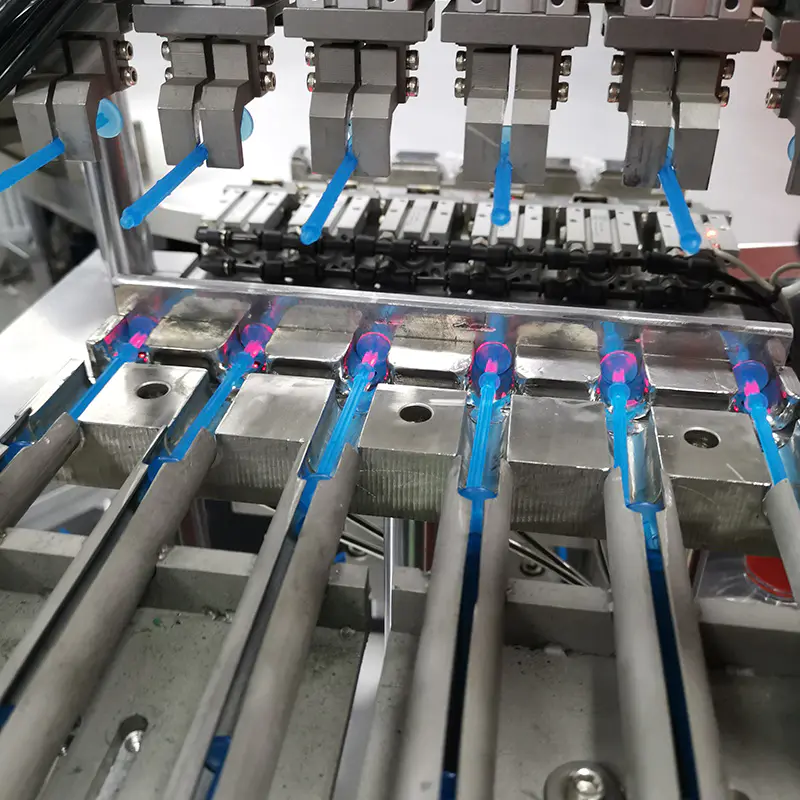
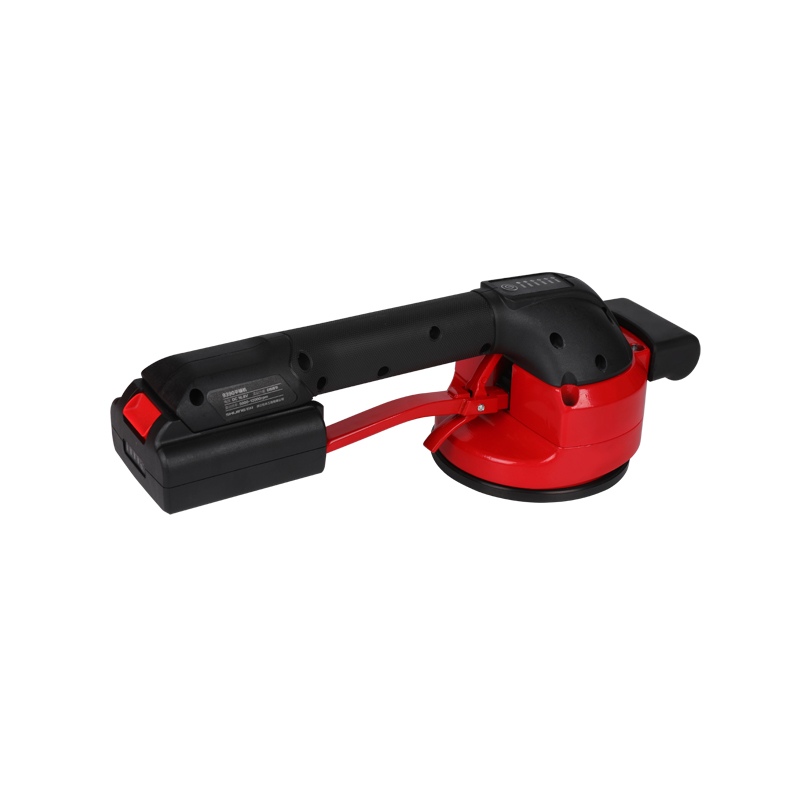

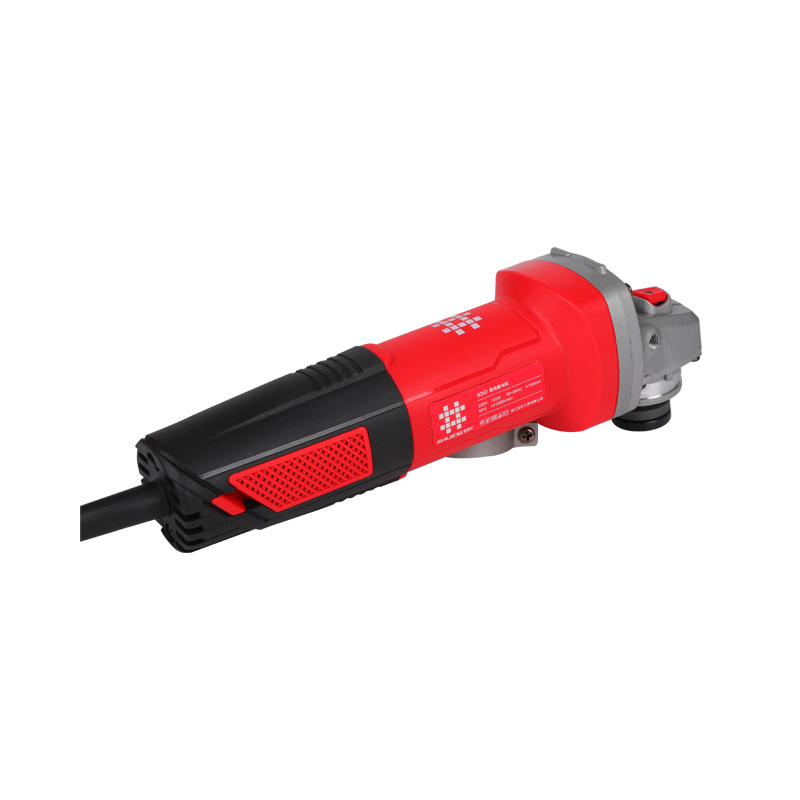
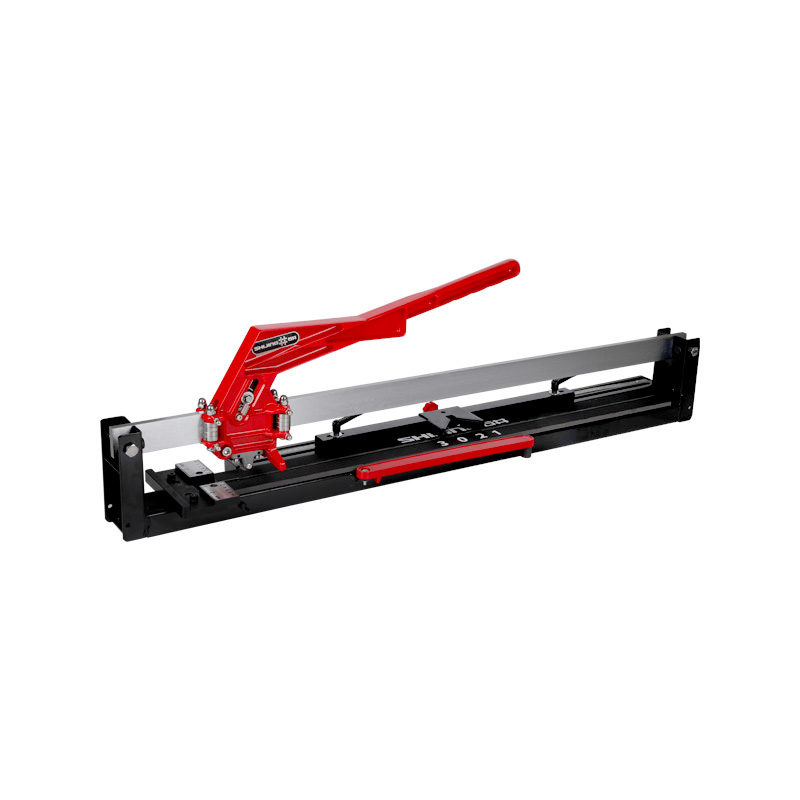
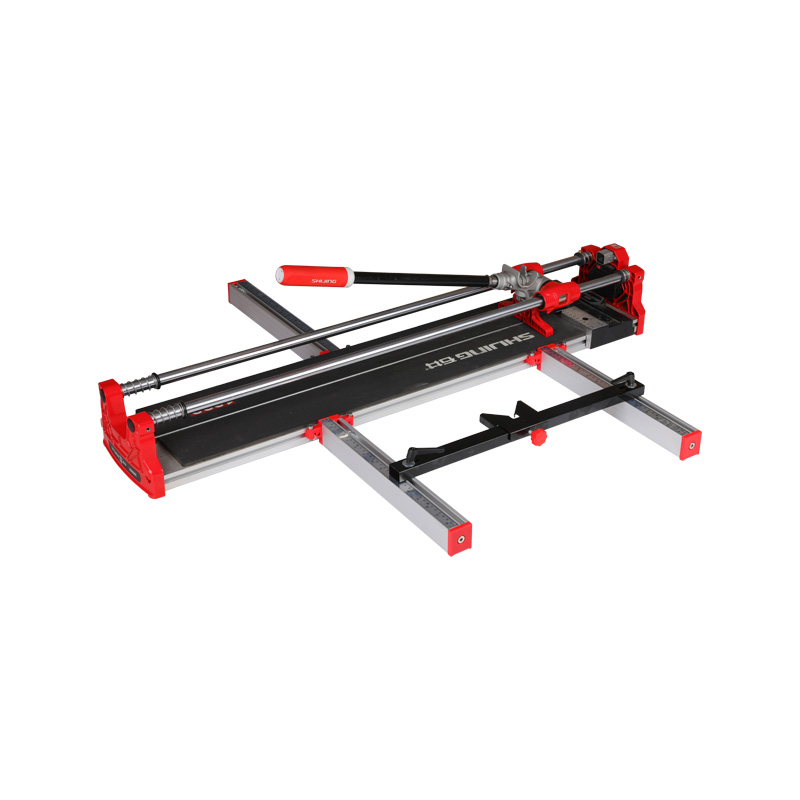

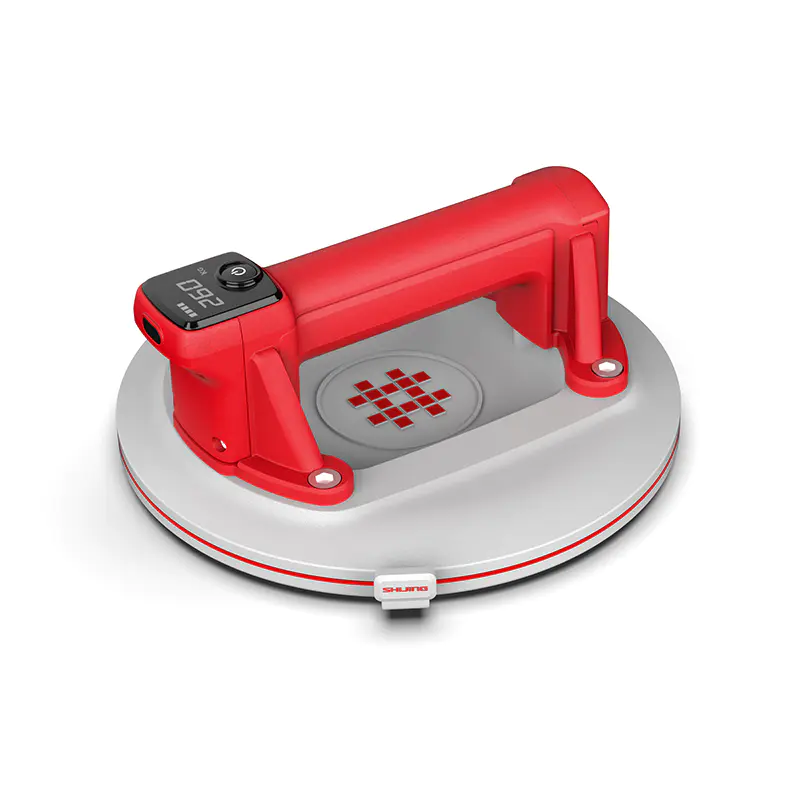
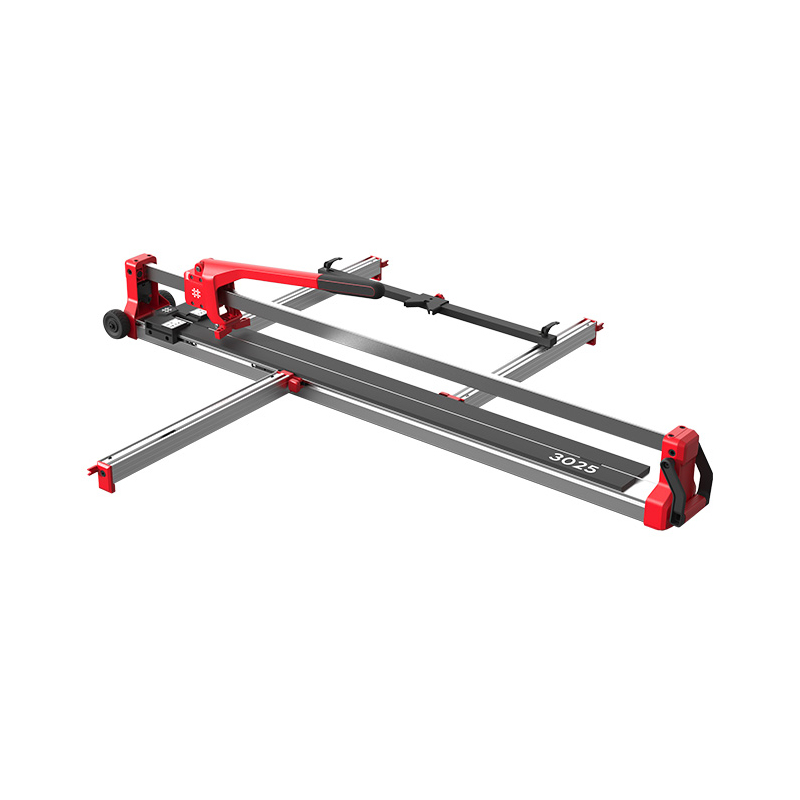
An Iron Base Plate Manual Tile Cutter is often chosen for work that needs control, a steady cutting path, and a simple hand-operated approach. It fits many tile installation tasks because it does not depend on power, does not create a noisy cutting process, and gives the user direct control over each step. For manufacturers, contractors, and buyers who handle tile projects, the interest is usually practical: how it feels in use, how it holds the tile, and how it supports cleaner edge lines without making the work complicated.
In real use, people rarely ask only what the tool is. They want to know where it fits, which tile types it can handle, why the base structure matters, and how to avoid common mistakes during use. That is where an Iron Base Plate Manual Tile Cutter becomes a useful topic for industry readers. The focus is not on claims, but on the kind of details that help someone choose with more confidence and use the tool with better control.
What Makes It Fit Different Tile Installation Projects
An Iron Base Plate Manual Tile Cutter can fit a wide range of installation tasks because its operation is direct and easy to follow. It is useful in settings where a worker needs a clear cutting line, a steady work surface, and a tool that can be moved and stored without much effort. Many users value that balance between simple structure and practical function.
It is also suited to jobs where the cutting work is done alongside other installation steps. A tile setter may need to trim edges, adjust spacing, or prepare pieces for corners and wall areas. In those cases, a manual cutter often supports a smoother workflow than a more complicated tool. The tool does not need long setup time, so the user can focus on the tile itself.
Common project needs include:
- Straight trimming for wall and floor tiles
- Corner adjustments during installation
- Small repair jobs
- On-site cutting where space is limited
- Work that calls for quick handling rather than a large setup
That kind of flexibility is a major reason the tool remains relevant in both home and construction settings.
Why the Base Design Matters
An Iron Base Plate Manual Tile Cutter depends heavily on the base structure because the base supports the tile during the entire cutting process. A firm base helps the tile sit in place without shifting, which makes the cutting line easier to follow. When the base feels steady, the user can move with more confidence and less hesitation.
The base also affects how the tool handles pressure. If the support feels weak, the tile may move slightly while scoring or breaking. This may cause uneven edges or make it harder to keep the cut aligned with the marked line. A strong base gives the tool a more grounded feel, which matters when working with harder or more fragile tile surfaces.
The benefit is not only about strength. It is also about control. A stable base helps the hand guide the tool in a smoother way, and that often leads to more consistent results from one cut to the next.
How It Helps Create More Accurate Cuts
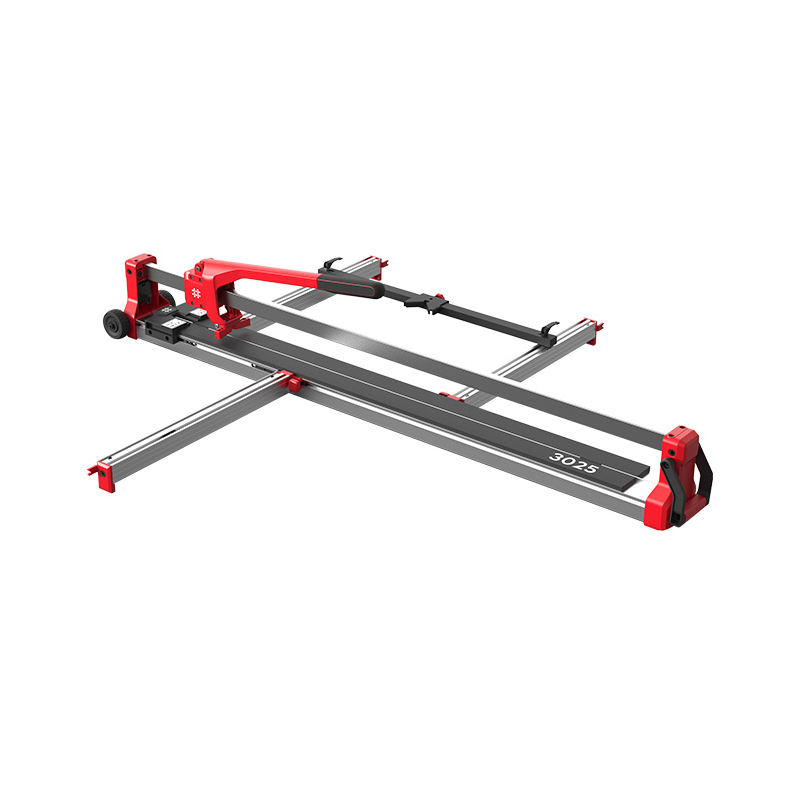
An Iron Base Plate Manual Tile Cutter is often valued because it supports a controlled cutting motion. Accuracy in manual tile work comes from several parts working together: the base, the rail, the cutting wheel, and the user's hand pressure. When these parts work in a balanced way, the cut line is easier to maintain.
Accuracy begins with proper preparation before the tool starts moving. The tile needs to sit flat, the mark needs to be clear, and the cutter needs to line up with the intended path. Once the scoring begins, the goal is not force but steady contact. A consistent pass is usually more useful than a rushed one.
Accuracy also depends on how the tile is broken after scoring. If the pressure is applied too quickly or unevenly, the break may stray from the marked line. A calm hand and a stable support surface can reduce that risk. In practical terms, better accuracy often comes from careful preparation rather than extra effort during the cut.
A few habits help keep the result cleaner:
- Check that the tile lies flat before scoring
- Match the cutting line with the guide path
- Apply pressure with control instead of force
- Break the tile in a steady motion
- Replace worn cutting parts when they no longer glide well
How to Choose the Right Model for Ceramic and Porcelain Tiles
An Iron Base Plate Manual Tile Cutter should be chosen with the tile type in mind. Not every tile behaves the same way, so the cutter needs to match the work the user expects to do. Ceramic tiles often cut with less resistance, while porcelain tiles may call for a more careful approach and a cutter that feels firm under pressure.
The shape and thickness of the tile also matter. A tile with a smooth, even surface may be easier to guide, while a dense tile can ask more from the cutting wheel and the frame. A buyer should look at whether the tool seems suited for the kinds of tile used in the target market or project type.
When comparing options, the user may check:
- The feel of the base and frame
- The smoothness of the sliding motion
- The clarity of the guide line
- The comfort of the handle
- The ease of replacing worn parts
The right choice is usually the one that fits the work pattern, not the one that promises more than the user needs.
How to Use It Step by Step for Cleaner Edges
An Iron Base Plate Manual Tile Cutter works well when each step is done in order. The tool is simple in structure, but the result depends on careful handling. The tile should be measured, marked, and placed with attention before the cutting process begins. Rushed preparation often shows up later in the edge quality.
A practical workflow usually looks like this:
- Mark the tile clearly before placing it on the cutter
- Set the tile flat against the base
- Align the cutting wheel with the line
- Move the wheel once with steady pressure
- Break the tile in a controlled way after scoring
The user should avoid repeating the scoring motion too many times on the same line, since that can weaken the surface in an uneven way. It is also wise to keep the hands clean and the work area free from loose debris. Small particles can affect how the tile sits and how the wheel moves.
Cleaner edges usually come from patience. A slow, even motion is often more effective than a strong hand.
What to Know Before Using It for Home and Construction Work
An Iron Base Plate Manual Tile Cutter is often used in places where the work environment changes from one job to another. A home renovation may involve limited space and light-duty trimming, while construction work may involve repeated cuts and a faster pace. The user should think about the environment before starting.
It helps to check the work surface, the tile layout, and the available room around the tool. If the cutter is used on an uneven surface, the base may not perform as intended. A flat area gives the tool a more reliable foundation and makes the cutting path easier to follow.
The user should also pay attention to handling habits. Safe and consistent use is usually linked to simple routines such as cleaning the base, checking the wheel, and keeping the tile aligned. These habits do not add much time, but they can support a smoother result.
| What to Check | Why It Matters | Practical Sign |
|---|---|---|
| Work surface | A flat surface supports steadier cutting | Less shifting during use |
| Tile placement | Proper placement helps the line stay true | Cleaner scoring path |
| Cutting parts | Worn parts can reduce smooth movement | Uneven edge quality |
| Hand pressure | Controlled pressure supports cleaner breaks | Less chance of chipping |
| Clean workspace | Loose debris can affect alignment | Better overall handling |
That kind of basic preparation often makes the tool easier to use, especially in busy work settings.
How It Compares with Electric Tile Cutting Tools
An Iron Base Plate Manual Tile Cutter and an electric cutter serve similar purposes, but they fit different work habits. A manual tool gives the user direct control and a quieter work experience. An electric tool may suit other situations where power-driven cutting is needed, but it can bring more setup, more noise, and a different level of surface handling.
For short tasks or simple trim work, many users prefer the manual approach because it feels straightforward. The tool can be carried more easily, stored without much space, and used without connecting to a power source. That matters in small rooms, on-site repairs, or places where the work needs to stay compact.
Electric tools may be chosen for other reasons, but the manual cutter remains useful when the goal is clean hand-guided trimming. The choice is often shaped by the job type, the working space, and the user's comfort with each method.
A quick comparison:
- Manual tools suit direct control and simpler handling
- Electric tools suit powered cutting tasks
- Manual cutters usually involve less setup
- Electric cutters may require more space and preparation
- Manual tools can feel more suitable for short, focused jobs
Which Features to Look for When Buying One
An Iron Base Plate Manual Tile Cutter should be judged by the features that affect day-to-day use. Buyers often look for a stable frame, a smooth guide, and a cutting wheel that moves without dragging. These details are more useful than surface appearance alone, because they affect how the tool feels in actual work.
The handle is another point worth checking. A comfortable handle can make repeated use easier, especially when the user needs to move carefully through a set of cuts. The alignment system should also feel clear enough that the tile can be positioned without guesswork.
When comparing choices, it helps to look at the following practical points:
- Frame steadiness
- Guide movement
- Cutting wheel condition
- Ease of cleaning
- Simple part replacement
- Clear support for tile placement
A buyer may also compare how the tool feels with different tile sizes. A cutter that works smoothly with one tile type may not feel as balanced with another. That is why real use matters more than a quick visual check.
In factory and supply discussions, this is where the conversation often becomes more useful. The focus shifts from appearance to handling, from general description to work performance, and from broad claims to the small details that shape daily use.
An Iron Base Plate Manual Tile Cutter stays relevant because it fits practical work. It supports straightforward cutting, keeps the process visible to the user, and gives enough control for common installation tasks. For people who care about handling, fit, and ease of use, those are the points that matter most.
-4.jpg "P621 Angle Suction Cup")
.jpg "8111 Mobile Knee Pads")