English
 中文简体
中文简体 русский
 Español
 Deutsch
You can learn the recent information of Shijing.

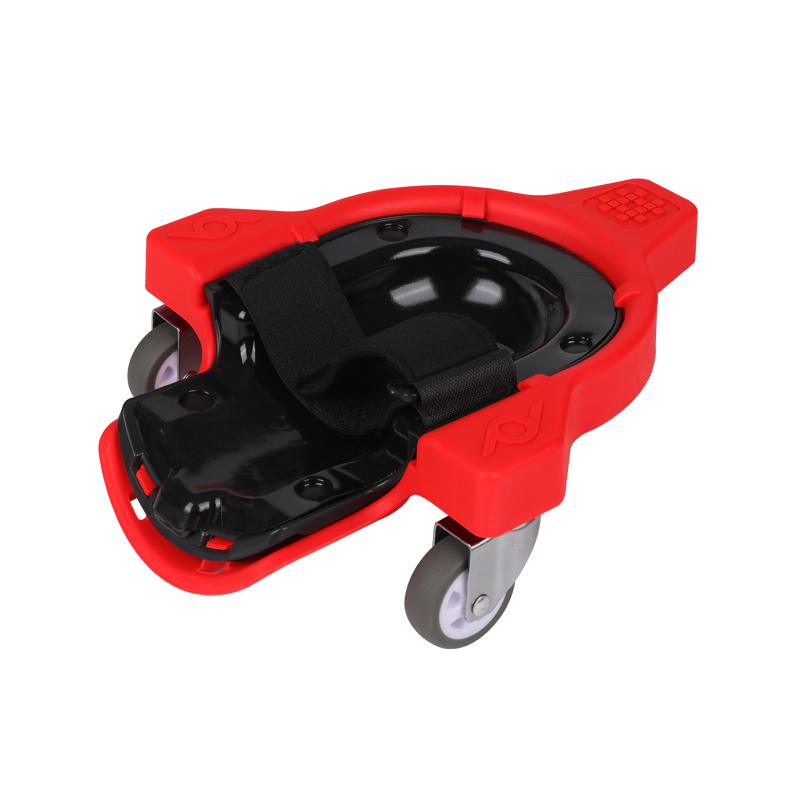
Mobile Knee Pads are used in installation and leveling environments where kneeling is part of normal working rhythm rather than an occasional posture. On site, work is rarely static. People shift between measuring, adjusting, fixing, and checking positions, often staying close to the ground for extended periods.
In this kind of workflow, the main issue is not only comfort, but how the body transitions between movements without breaking concentration. Standing up repeatedly can interrupt alignment judgment, especially during repetitive installation steps. So the support tool is often evaluated based on how naturally it fits into that movement cycle.
Another point that often appears in real use is ground variation. Even when the surface looks flat, small inconsistencies can influence balance and pressure distribution. That is where Mobile Knee Pads tend to be introduced as a support element rather than a fixed-position aid.
What mobile knee pads bring to leveling work and installation accuracy improvements
During leveling or alignment tasks, precision is often influenced by how steady the operator can remain while making small adjustments. Mobile Knee Pads are used in these situations to reduce unnecessary posture changes between steps.
Instead of completing one action, standing up, then returning again, the movement can stay closer to the working plane. This creates a more continuous adjustment rhythm, especially when multiple alignment points need to be checked in sequence.
In practical scenarios, this shows up in a few consistent ways:
- Less interruption between measurement and adjustment steps
- Reduced repositioning when moving along a surface line
- More stable body reference during fine alignment work
- Smoother transition when shifting from one working zone to another
It is not a change in installation method itself, but more about how movement is organized around the task. Over time, this tends to make repetitive alignment work feel less fragmented.
Why adjustable leveling design matters in uneven ground working conditions
Uneven ground is not always obvious at a quick glance. Small slopes, surface gaps, or material transitions can create subtle instability during kneeling work. The body naturally compensates for this, but compensation often shifts pressure unevenly across joints.
This is where adjustable leveling design becomes relevant in Mobile Knee Pads. Instead of forcing a fixed contact angle, the structure can adapt to changes in surface direction, helping maintain a more consistent working posture.
The difference becomes clearer when comparing typical working behavior.
| Working Condition | Without Adjustable Support | With Adjustable Support |
|---|---|---|
| Slight slope surface | Continuous micro balance correction | More stable base response |
| Mixed surface texture | Uneven pressure distribution | More even contact adaptation |
| Frequent direction changes | Repeated posture reset | Smoother transition between positions |
| Long kneeling duration | Faster fatigue accumulation in one area | More distributed workload across support points |
In real use, this does not eliminate surface complexity. It simply reduces how strongly those variations are transferred directly into the knee and lower body posture.
What design elements influence comfort and stability in mobile knee pads
Comfort in kneeling support tools is rarely determined by a single component. It usually comes from how multiple structural elements interact during movement.
In Mobile Knee Pads design, several factors tend to influence user experience in a noticeable way:
- Contact surface behavior during pressure changes
- Internal support distribution when weight shifts slightly
- Response speed during directional movement
- Base grip consistency during lateral repositioning
- Flexibility balance between rigidity and movement allowance
Each element contributes in a different direction. For example, contact surface design affects how pressure spreads when weight increases, while movement response influences whether shifting feels controlled or slightly unstable.
In practical working conditions, users often describe comfort not in technical terms, but in continuity. If movement feels predictable and does not require constant correction, the structure is usually considered comfortable enough for repeated tasks.
Small inconsistencies, even if structurally minor, can become noticeable after repeated cycles of kneeling and repositioning.
How mobile knee pads help reduce strain during long kneeling construction tasks
Extended kneeling work creates a repeating load pattern. The same area of the knee and surrounding structure is engaged continuously, especially during installation, finishing, or alignment tasks that require ground-level focus.
Mobile Knee Pads help redistribute this load across a wider contact area. Instead of pressure being concentrated in one point, it is shared across a structured surface that moves with the user.
This does not change the nature of the work, but it changes how the body experiences repetition over time.
In real usage patterns, a few changes are often observed:
- Longer intervals between posture adjustments
- Reduced need to fully stand up just to relieve pressure
- More continuous working rhythm during installation cycles
- Less sharp buildup of localized discomfort during repeated kneeling
The effect is gradual rather than immediate. It becomes more noticeable in longer tasks where repetition is consistent and movement cycles are frequent.
Mobile Knee Pads in this context function more like a stabilizing layer between the body and the ground, rather than a fixed support point.
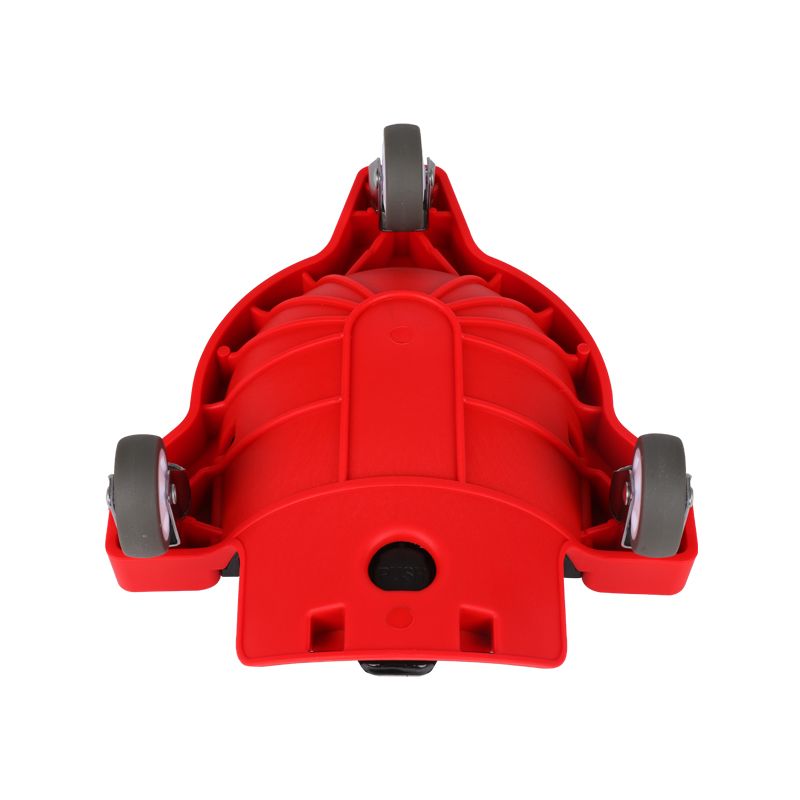
How mobile knee pads support safer posture control during installation tasks
Posture control in installation work is often affected by small and repeated shifts in body angle. These adjustments usually happen naturally when reaching, aligning, or checking position points close to the ground.
Mobile Knee Pads are used to support these transitions so that movement stays more predictable. Instead of relying only on balance from the lower body, the support structure helps reduce sudden changes in stability during repositioning.
In real working conditions, this usually appears as:
- More controlled movement when changing kneeling direction
- Reduced imbalance during short reach adjustments
- Smoother shift between working angles without pause
The focus is on keeping movement continuous rather than limiting it.
How to use mobile knee pads for smoother floor installation workflow steps
Floor installation work usually follows a repeating pattern of placing, checking, adjusting, and fixing. When posture needs to be reset too often, it can interrupt visual alignment and slow down the natural rhythm of the task.
Mobile Knee Pads are often used to reduce these interruptions by keeping the working posture closer to the surface. This allows the user to stay within the same working zone for longer periods.
In practical use, this affects workflow behavior such as:
- Less frequent standing between short adjustment steps
- Easier return to previous position without full reset
- More continuous alignment checking across surface sections
- Reduced interruption during repeated installation cycles
The workflow becomes more connected between steps, especially when working along long layout lines.
Which working environments are suitable for mobile knee pads in daily jobsite use
Different jobsite environments place different demands on kneeling and movement. Mobile Knee Pads are generally used in situations where ground-level work is repeated and movement is frequent rather than static.
These environments are not defined by a single material or task type, but by how often position changes are required during work.
Typical usage environments include:
- Indoor finishing and surface adjustment areas
- Spaces with repeated layout marking or alignment tasks
- Work zones where standing movement is limited by space
- Ground-level installation areas with frequent repositioning
Suitability is usually connected to movement frequency and working posture duration rather than the specific trade.
What mobile knee pads bring to leveling work and installation accuracy improvements
In leveling and installation work, small posture changes can affect how accurately alignment is maintained along reference points. These changes often come from repeated standing and kneeling cycles during adjustment work.
Mobile Knee Pads are used to reduce the need for full posture resets between steps, allowing movement to remain closer to the working surface. This makes transitions between adjustment points more continuous.
In practice, this is reflected in:
- Reduced interruption between alignment and fixing steps
- More consistent working position along surface lines
- Smoother movement between adjacent installation points
- Less frequent posture resetting during repetitive work
The effect is mainly in workflow continuity rather than changing the installation method itself.
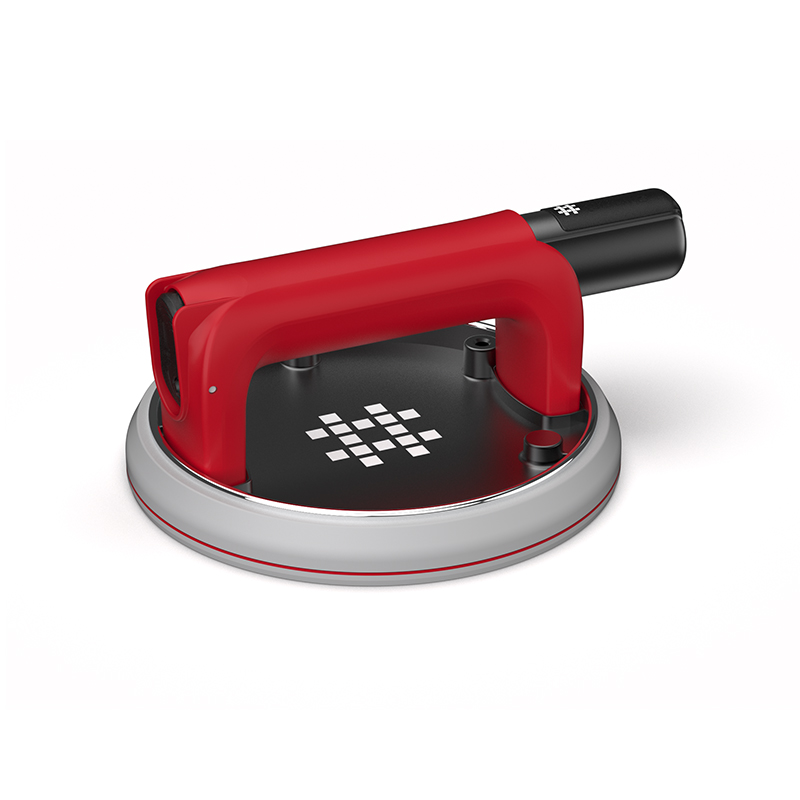
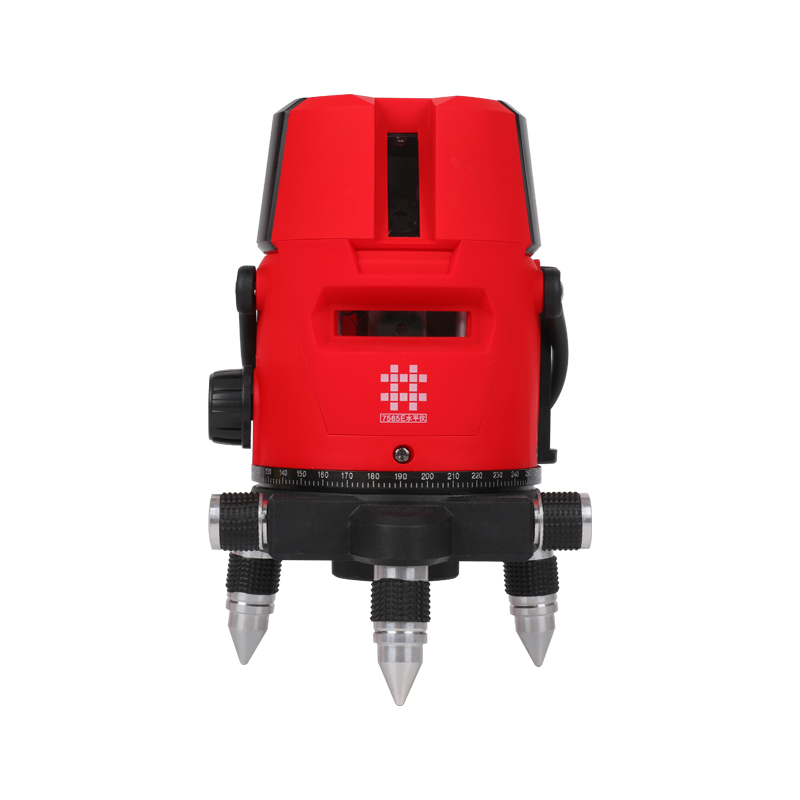
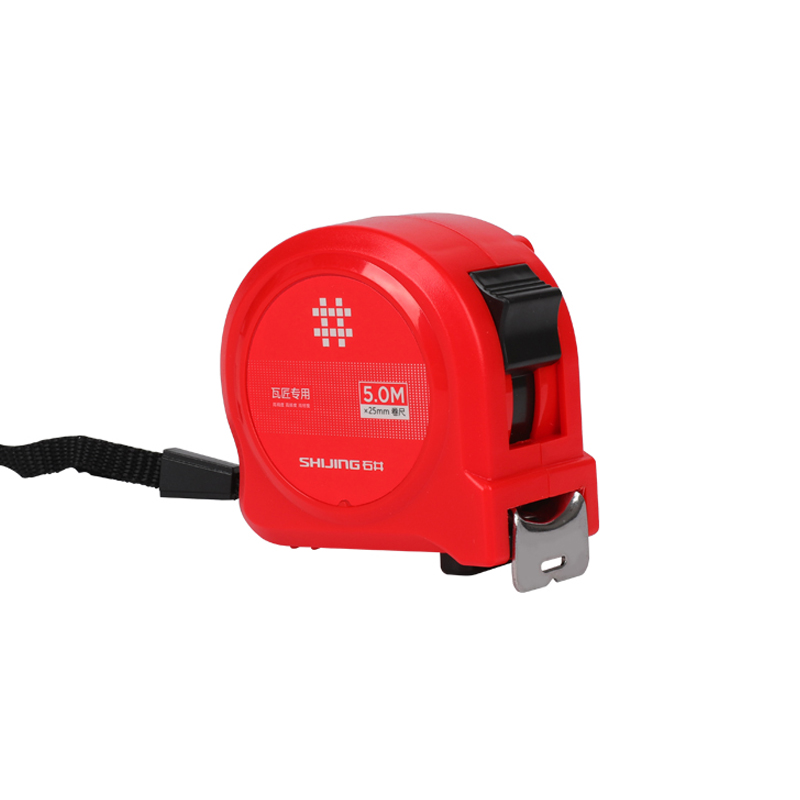
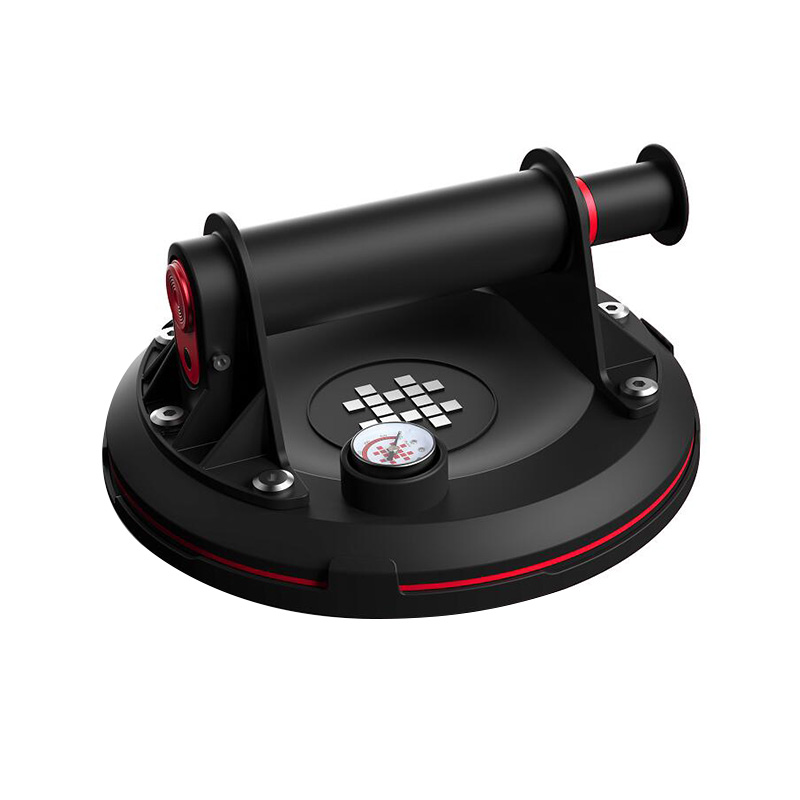
.jpg "P617 Electrical Air Pump")
-3.jpg "P620 Suction Cup With 2 Jaw")