English
 中文简体
中文简体 русский
 Español
 Deutsch
You can learn the recent information of Shijing.

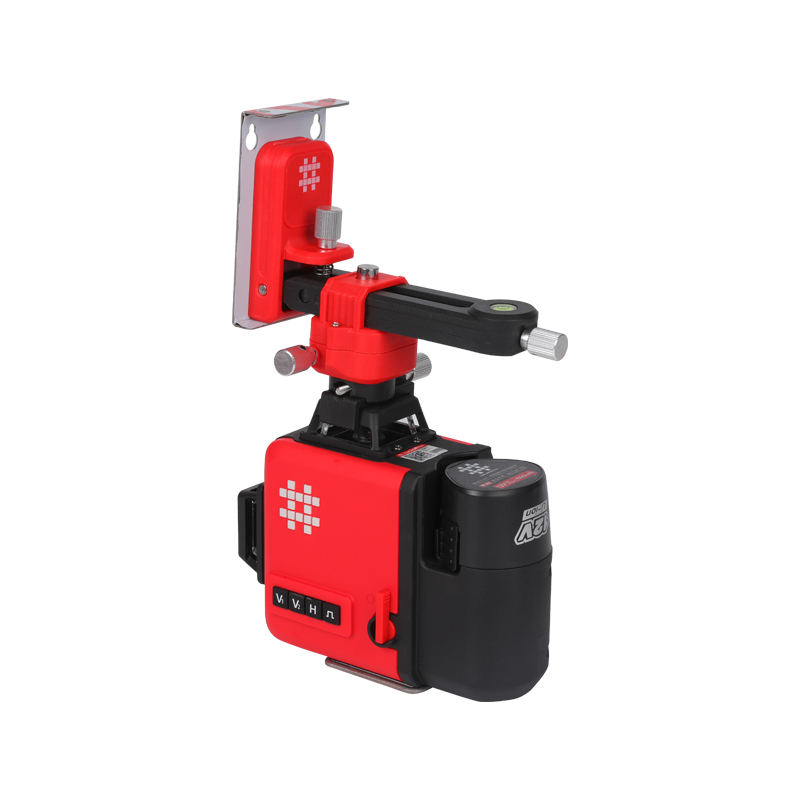
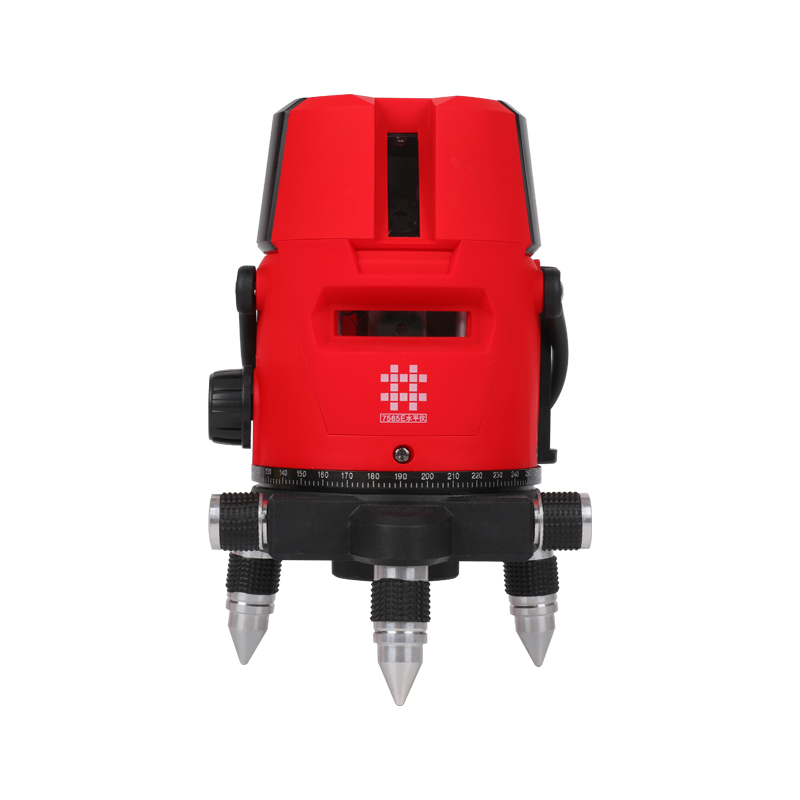
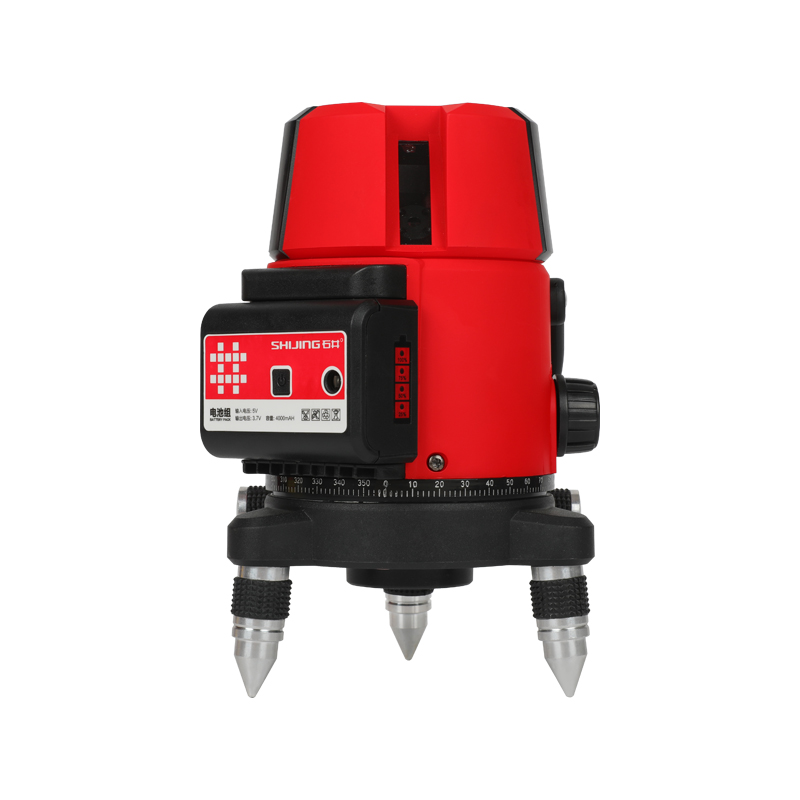
A 24 Lines Highlight Laser Level is often discussed in relation to layout work, interior fitting, and routine alignment tasks. For many users, the value is not in a single function, but in how different line patterns help keep a room, wall, or ceiling organized during setup. In practical use, the tool is usually chosen when a project needs repeated reference points across more than one direction.
What is a 24 Lines Highlight Laser Level and how does it support multi direction layout work
A multi direction layout tool is meant to give the eye more than one reference at the same time. In simple terms, it can project lines across different directions so the user can judge position, height, and alignment without moving the tool again and again. That is useful when a room has several surfaces that need to stay in line with one another.
In daily work, people may use it to:
- check whether two points stay on the same path
- compare wall positions during setup
- keep ceiling and floor references in view
- reduce repeated measuring during basic layout
The value here is not speed alone. It is also about keeping the layout readable. When several lines are visible together, it becomes easier to see how one area relates to another. For projects with repeated alignment steps, a 24 Lines Highlight Laser Level can make the whole process feel more orderly.
How does a 24 Lines Highlight Laser Level create stable reference lines through internal projection design
The line pattern comes from the way the internal light path is shaped before it reaches the surface. That design decides how the lines spread, how sharp they appear, and how much they remain visible after projection. If the internal path stays steady, the reference lines are easier to follow during work.
A stable projection design usually helps in three ways:
- It keeps the line shape more readable across a wall.
- It reduces the need to reset the tool too often.
- It helps the user judge position with less guesswork.
The difference is often clear when switching between open space and tighter indoor areas. In a larger room, line spread matters more. In a smaller room, line clarity and overlap may matter more. A 24 Lines Highlight Laser Level is often chosen because it gives enough line coverage to handle both situations without changing tools during the task.
| Situation | What the user checks | Why it matters |
|---|---|---|
| Small room setup | Line clarity and edge visibility | Helps keep nearby surfaces aligned |
| Larger indoor area | Line spread across the space | Makes it easier to follow reference points |
| Ceiling work | Overhead line position | Helps keep top surfaces in order |
| Wall layout | Vertical and horizontal match | Supports straight placement |
This kind of structure is useful because it turns a visual tool into a practical layout guide.
Why does laser visibility change when using a 24 Lines Highlight Laser Level in different lighting environments
Visibility is often one of the initial things people notice after setup. A line that looks clear in one room may appear softer in another. The reason is usually the amount of light already present in the area, along with how reflective the surface is.
A few common factors affect what the eye sees:
- bright daylight near windows
- glossy wall finishes
- darker painted surfaces
- distance between the tool and the target area
- the angle of view during use
On a matte wall, the line can look more defined. On a reflective wall, the line may scatter a little and become harder to track. That does not always mean the setup is wrong. It may only mean the viewing condition has changed.
For users, the practical question is often where and when to place the tool so the line remains easy to read. A 24 Lines Highlight Laser Level can be used more comfortably when the room light and surface finish are taken into account before the task begins.
How can a 24 Lines Highlight Laser Level be used in ceiling installation and wall partition alignment tasks
Ceiling and partition work often need clear reference lines because even a small shift can affect the visual result of the whole room. In these tasks, the line pattern is useful because it gives both horizontal and vertical guidance at the same time.
For ceiling work, the user may check:
- the position of hanging points
- the edge line of the frame
- whether one side sits in the same level path as another
For partition alignment, the same tool can help with:
- wall position before fixing
- straightness during frame placement
- keeping the upper and lower points in the same direction
The main benefit is that the user can hold a layout picture in view while moving through the room. That helps reduce repeated checking and keeps the work more consistent. A 24 Lines Highlight Laser Level can fit this kind of task because it provides several reference lines without forcing the user to rely on one single direction.
When the room shape is not simple, this becomes even more useful. Corners, openings, and mixed surfaces can make alignment harder to judge by eye alone. In those cases, the reference lines act like a guide rather than a final answer, which is often what users need during installation.
How to set up a 24 Lines Highlight Laser Level on uneven surfaces for consistent leveling results
Setting the tool on an uneven surface is a common situation in indoor and site based work. The main challenge is not only placing the device, but also making sure the reference lines remain stable enough to be usable during the task.
In practice, setup usually depends on three conditions. The initial factor is whether the base can reduce movement during operation. The second is whether the device can adjust its position after being placed. The third is how quickly the reference lines settle into a readable state.
When the surface is not stable, small adjustments in positioning can make a clear difference in how the lines behave across the room. A 24 Lines Highlight Laser Level is often used in these cases because multiple reference directions can help confirm whether the base position is reasonable.
Common setup considerations include:
- keeping the base away from vibration sources
- placing the device closer to a central working point
- checking line alignment across two or more walls
- confirming stability before marking begins
Even a slight tilt at the base can affect how lines travel across surfaces. That is why users often spend more time on placement than on the actual marking process.
Which factors affect the accuracy of a 24 Lines Highlight Laser Level during long working hours
Extended use introduces conditions that may influence how reference lines appear over time. These changes are usually gradual and often relate to environment, surface interaction, and operating stability.
| Factor area | What changes during use | Practical impact on work |
|---|---|---|
| Temperature variation | Internal balance shifts slightly | Lines may feel less steady across distance |
| Surface vibration | Small movement at the base | Alignment checks may need repetition |
| Extended continuous use | Heat build up in components | Line clarity may reduce in some conditions |
| Placement stability | Base position changes over time | Reference points may drift slightly |
In many cases, these effects are not immediately obvious. Instead, they appear during longer marking sessions where multiple walls or surfaces are being checked in sequence.
A 24 Lines Highlight Laser Level is often evaluated based on how consistently it maintains readable lines across different stages of work rather than only at the start of operation. Users usually rely on periodic checks against known reference points to confirm stability during longer tasks.
What usage tips help improve line clarity when working with a 24 Lines Highlight Laser Level on reflective walls
Reflective surfaces can change how laser lines are perceived. Instead of a sharp line, the reflection may spread or appear uneven depending on angle and surface finish. This is not a malfunction, but a visual interaction between light and material.
Several practical approaches can help improve readability:
- adjust viewing angle slightly rather than standing directly in front of the line
- reduce surrounding light where possible during marking
- position the device so the line crosses the surface at a moderate angle
- avoid placing the tool too close to glossy finishes when possible
- use consistent eye level when checking alignment points
In some cases, the same wall can show different clarity levels depending on where the user stands. That is why observation position becomes part of the workflow.
A 24 Lines Highlight Laser Level is often used in environments where wall finishes vary. The goal is not to change the surface, but to adapt how the line is observed so that layout decisions remain consistent during work.
When should a 24 Lines Highlight Laser Level switch between different operation modes in field applications
Different work stages may require different line behavior. Instead of using a single setting throughout the entire process, users often adjust modes based on task focus and spatial conditions.
Typical situations where a change in mode is considered:
- switching from general layout to detailed marking
- moving from open space to confined areas
- changing from wall work to ceiling related positioning
- reducing visible clutter when too many reference lines overlap
In open layout work, multiple lines can help establish overall structure. In tighter areas, fewer active lines may make it easier to focus on a specific alignment point.
A 24 Lines Highlight Laser Level is often used in a flexible way, where the selected mode depends on what part of the project is being handled at that moment. The aim is to keep reference information readable without adding unnecessary visual complexity.
The decision to switch modes is usually based on clarity rather than timing. When the user feels that too many lines interfere with judgment, simplifying the active projection can help restore focus on the intended alignment path.
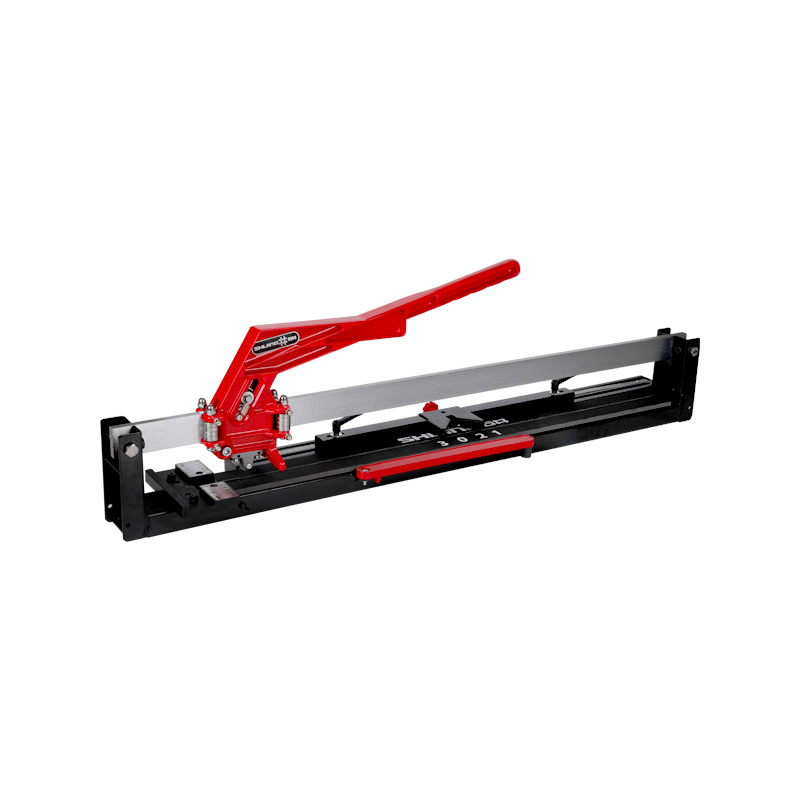
.jpg "9510-2700mm Electric Cutter For Porcelain Slab With 3380mm Rail")
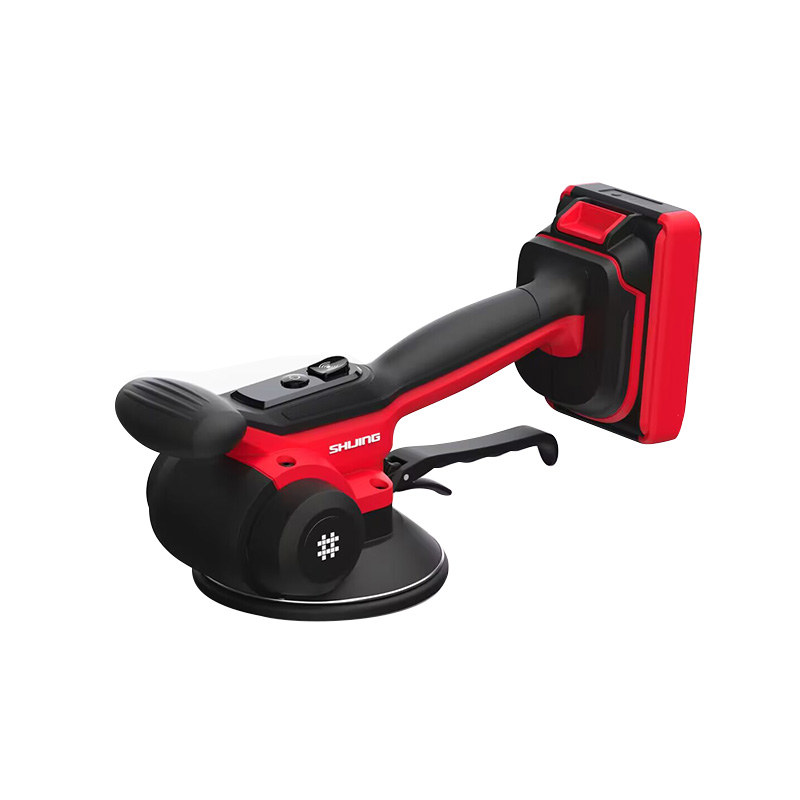
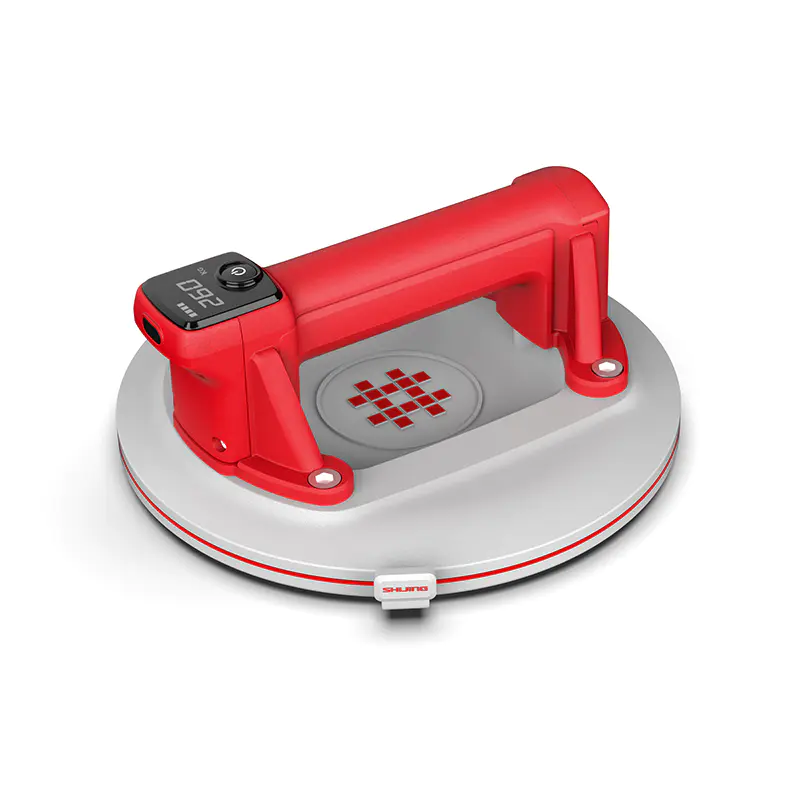
-1.jpg "P610 Suction Cup")