English
 中文简体
中文简体 русский
 Español
 Deutsch
You can learn the recent information of Shijing.

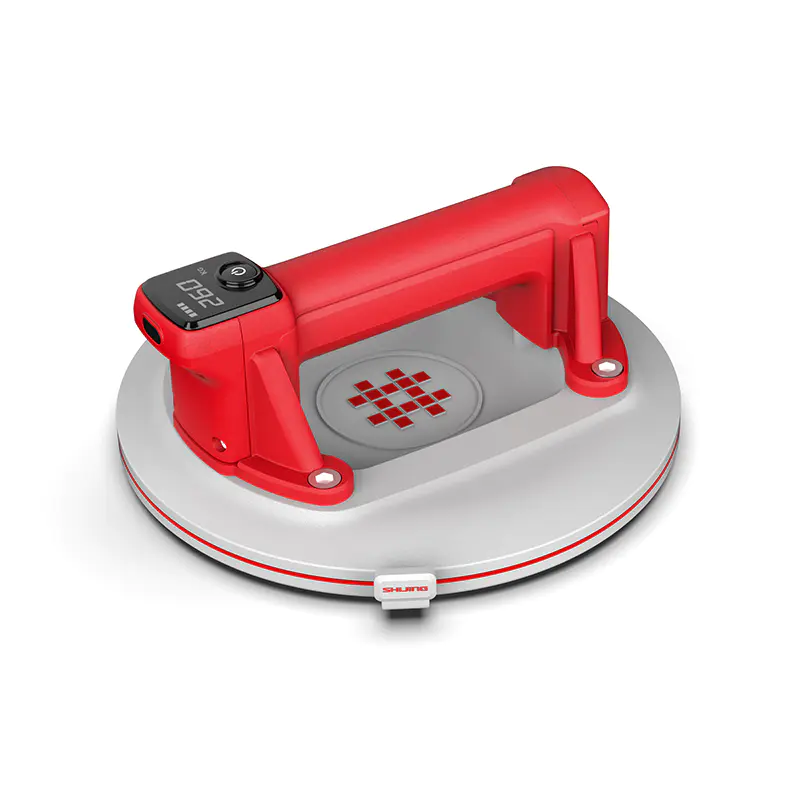
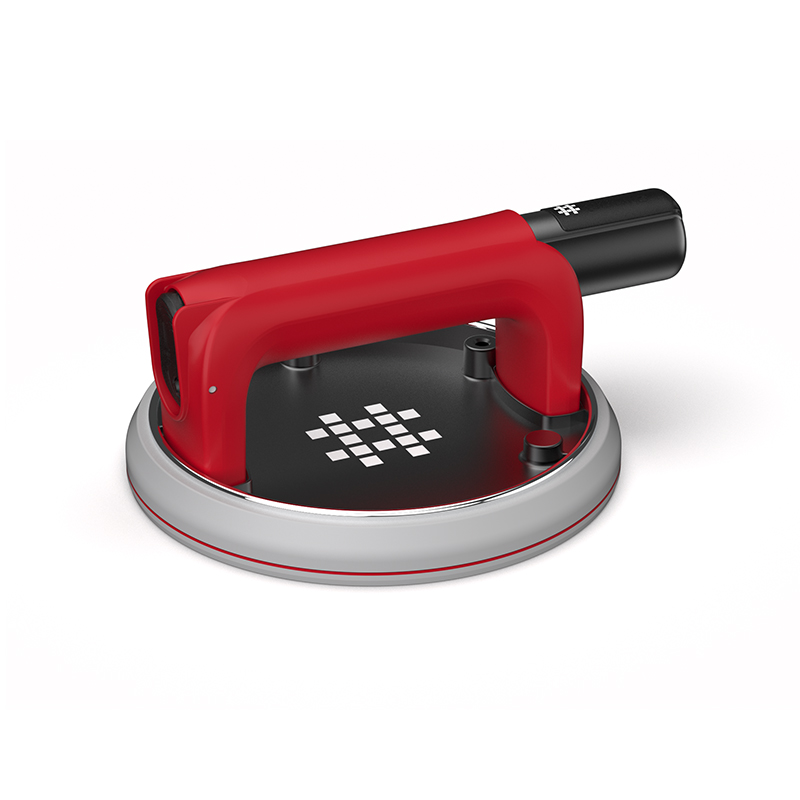
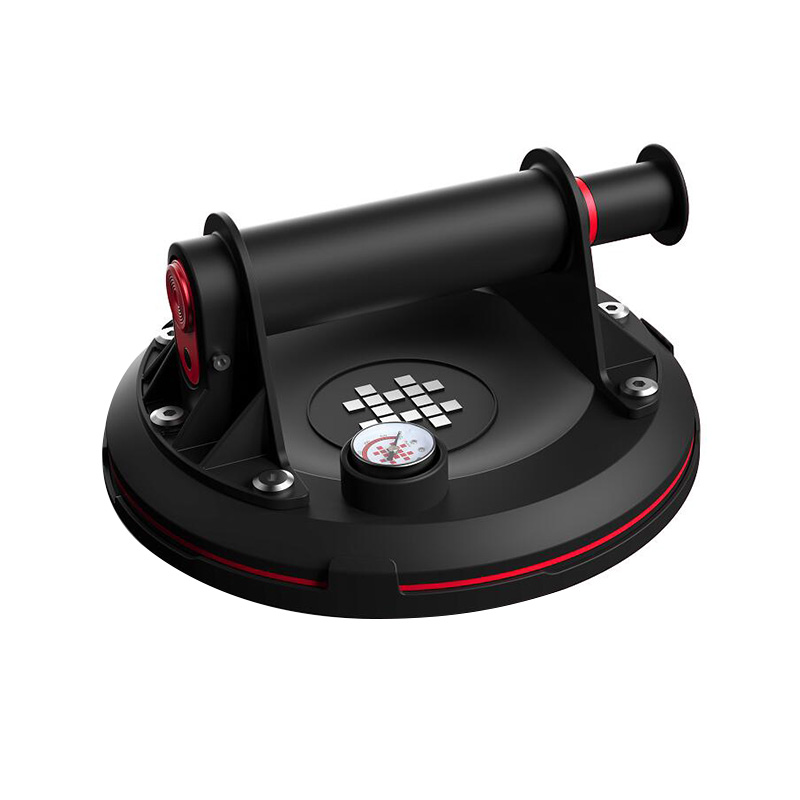
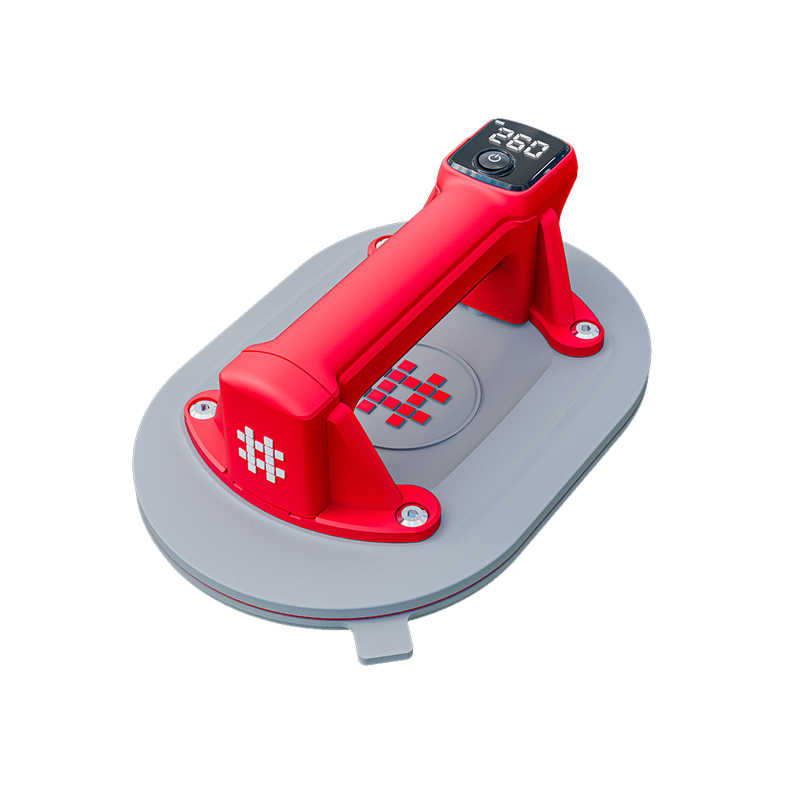
Industrial lifting often depends on simple contact done well. A suction-based system does not need to clamp a panel from the side or press it from several points. It works by creating a sealed area between the surface and the cup, then using air pressure to hold the load in place. In practice, that sounds straightforward. In real production settings, though, the result depends on surface condition, material shape, airflow control, and how carefully the cup is placed.
The same setup may behave differently from one task to another. A clean sheet of glass can respond in a very steady way, while a coated board or slightly flexible panel may need more careful alignment. That is why 200mm Vacuum Suction Cups are usually discussed not only as a part size, but as part of a wider handling process. The cup itself matters, but so does the surface around it.
When the system is used well, it supports movement with less direct contact on the workpiece. That reduces handling pressure on the visible surface and makes transfer easier in many routine operations. The key is not force alone. It is balance, placement, and consistency.
What Is a 200mm Vacuum Suction Cup Used for in Industrial Handling
A suction cup of this size is usually chosen for broad surfaces that need a stable contact area. It is common in tasks where flat panels, sheet materials, or smooth finished surfaces must be moved from one stage to another without leaving marks from a mechanical clamp. In that sense, 200mm Vacuum Suction Cups are often used where contact needs to be spread across a wider area rather than concentrated at a point.
Typical handling situations include:
- Moving smooth panels between workstations
- Holding material during positioning or alignment
- Supporting transfer tasks where surface protection matters
The larger face area can help the cup stay in contact with wider workpieces, but that does not mean every surface is suitable. If the material is too porous, uneven, or too soft, the contact may not hold in a steady way. In industrial use, matching the cup to the surface matters as much as choosing the size itself.
A useful way to think about it is this: the cup is not only lifting weight. It is helping control how the workpiece behaves during movement. That is often the real reason it is selected.
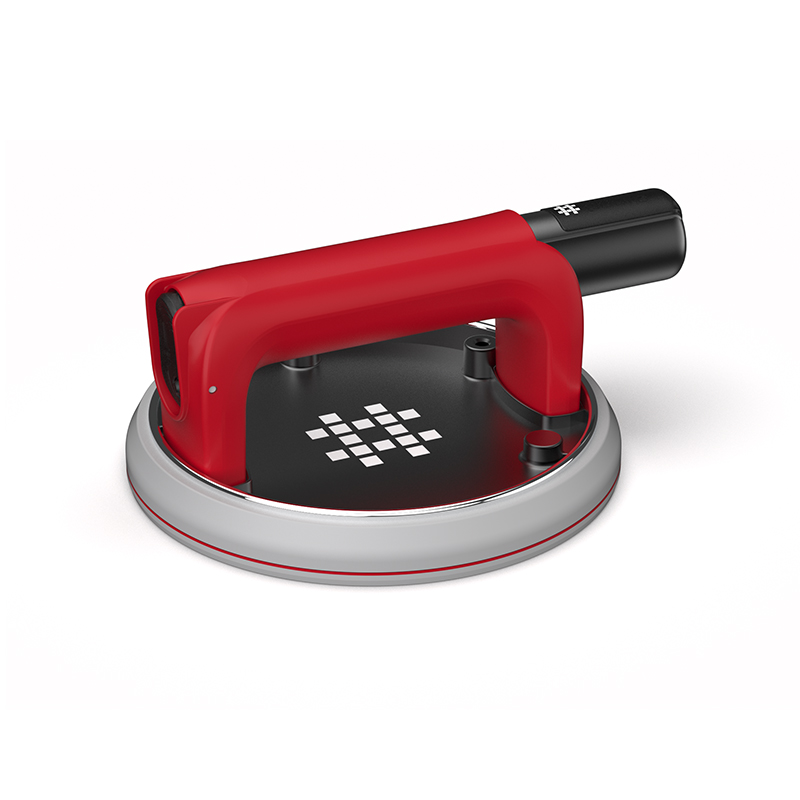
How Does a 200mm Vacuum Suction Cup Create Stable Holding Force in Real Applications
The holding force comes from pressure difference. Once the cup seals against the surface and air inside the contact area is reduced, outside air pressure presses the cup against the material. That sounds simple, but the stability of the hold depends on how evenly the seal is formed.
If the edge of the cup touches the surface cleanly, the grip tends to stay more even. If one side lifts slightly, the seal can weaken and the vacuum level may change. In practice, a steady hold usually depends on four things:
- Even contact across the sealing edge
- A surface that is reasonably smooth and clean
- A vacuum source that reacts without delay
- Proper alignment before lifting begins
Small changes matter. A slight tilt during placement can leave one side under more load than the other. A little dust or oil can reduce the seal even if the rest of the surface looks fine. When these conditions are controlled, 200mm Vacuum Suction Cups can support repeatable handling in ordinary production work.
The important point is that stable force is not only about suction. It is also about how the cup and surface meet before the lift starts.
Which Materials Work Well with 200mm Vacuum Suction Cups in Daily Production Tasks
Material choice affects how reliably the cup can seal. Smooth and rigid surfaces usually give a predictable result because the contact edge can settle evenly. In daily production, that often means glass, metal sheet, plastic board, and coated panels are common candidates.
| Material Type | Surface Behavior | Suction Interaction |
|---|---|---|
| Metal sheets | Rigid and even | Usually steady |
| Glass panels | Smooth and flat | Often consistent |
| Plastic boards | Slightly flexible | Depends on shape |
| Coated panels | Varies by finish | Needs surface check |
There is also the matter of surface finish. A clean flat surface is easier to handle than one with irregular texture or visible contamination. For that reason, 200mm Vacuum Suction Cups are usually part of a process check, not just a hardware choice. The material, its finish, and its behavior during motion all affect the result.
Why Surface Conditions Change the Performance of a 200mm Vacuum Suction Cup
Surface condition is often the difference between a steady hold and an unstable one. Dust, moisture, oil, and small surface irregularities can all interrupt the seal. Even when the cup is sized correctly, these small factors can reduce contact quality.
A clean surface helps the sealing edge sit evenly. A dirty or damp surface may create tiny gaps that are hard to see but still enough to change how the cup performs. Texture also matters. A very smooth surface usually gives a more predictable seal than one with fine unevenness.
In handling work, it is often useful to look at the surface in practical terms:
- Is it dry or slightly wet?
- Does it carry dust, oil, or residue?
- Is the finish smooth or lightly textured?
- Does the panel flex when lifted?
These small checks may seem ordinary, but they affect how 200mm Vacuum Suction Cups behave during actual lifting. A system that works well on one surface may need a different setup or placement method on another. That is why surface inspection is part of the lifting process, not a separate step.
When the surface condition is stable, the lifting action is easier to control. When the surface changes, the handling result changes with it.
What Load Factors Should Be Considered When Using a 200mm Vacuum Suction Cup for Lifting
With 200mm Vacuum Suction Cups, the real concern is how the load sits during movement. A panel that stays level is easier to manage. A panel that bends or shifts slightly during transfer can change how pressure is shared across the contact area.
A few situations often show up in real use:
- The object is picked up slightly off center
- The panel bends once it leaves the surface
- Movement changes direction while still in the air
- One side of the load starts to dip during transfer
None of these are unusual in handling work. They just make the system behave less steadily. In many cases, the cup is not struggling with the weight itself, but with how that weight moves.
How Does Air Leakage Affect the Stability of a 200mm Vacuum Suction Cup During Operation
Air leakage is rarely obvious at the start. It usually begins with small gaps that are hard to notice during placement. Over time, those small gaps allow air to enter the sealed space, and the holding behavior starts to change.
The change is not always sudden. Sometimes it shows up as a slow loss of grip. Other times, it feels like the load is not as steady when it moves.
Common reasons include:
- Tiny particles caught between surface and cup edge
- Slight uneven contact when the cup is placed
- Wear along the edge after repeated use
- Small surface texture differences that break full contact
Even a small amount of leakage can affect how 200mm Vacuum Suction Cups behave during lifting. The object may still be held, but the feeling of control can shift, especially when the direction changes or when the load stays in the air for longer than expected.
The key point is that leakage does not just reduce holding strength. It also changes how predictable the movement feels.
How to Choose Between Single Cup and Multi Cup Setup for 200mm Vacuum Suction Cup Systems
The choice between using one suction point or several is usually decided by how the object behaves, not just its size or weight. One cup gives a simple setup. Several cups spread the contact and change how the load is supported.
| Setup Type | What It Feels Like in Use | Main Behavior |
|---|---|---|
| Single cup | One main contact point | More sensitive to balance |
| Multi cup | Several contact points | Load shared across surface |
A single cup setup depends heavily on placement. If the object is not aligned well, it may tilt slightly during lifting. That is not always a problem, but it requires more attention during setup.
A multi cup setup spreads the contact, which can help when the surface is large or not perfectly uniform. At the same time, it introduces another factor: each cup needs to behave in a similar way. If one contact point is weaker, the balance can shift.
So the decision is less about which is stronger and more about what kind of surface behavior is expected. With 200mm Vacuum Suction Cups, the system around them matters just as much as the cup itself.
How to Maintain a 200mm Vacuum Suction Cup to Keep Long Term Consistent Performance
Maintenance is usually simple, but it has a direct impact on how the system feels during use. The key part is the edge that touches the surface. If that area changes shape or becomes dirty, the contact becomes less steady.
Over time, repeated use can leave small changes that are easy to overlook. The cup may still work, but the feel during lifting can slowly shift.
Things that are usually checked:
- The edge still sits evenly when placed on a flat surface
- No dust or residue is stuck on the contact area
- The material still feels flexible, not stiff
- No small cuts or flat spots are forming on the edge
| Area | What usually changes | What it affects |
|---|---|---|
| Edge contact | Slight wear or flattening | How evenly it seals |
| Surface contact area | Dust or residue buildup | Consistency of grip |
| Material body | Change in softness | Response during lifting |
For 200mm Vacuum Suction Cups, performance is closely tied to surface condition. When the edge stays clean and flexible, movement feels more stable. When it changes, the handling behavior tends to follow that change in a subtle way.
.jpg "7565E 5 Lines Laser (Green Light)")