English
 中文简体
中文简体 русский
 Español
 Deutsch
You can learn the recent information of Shijing.
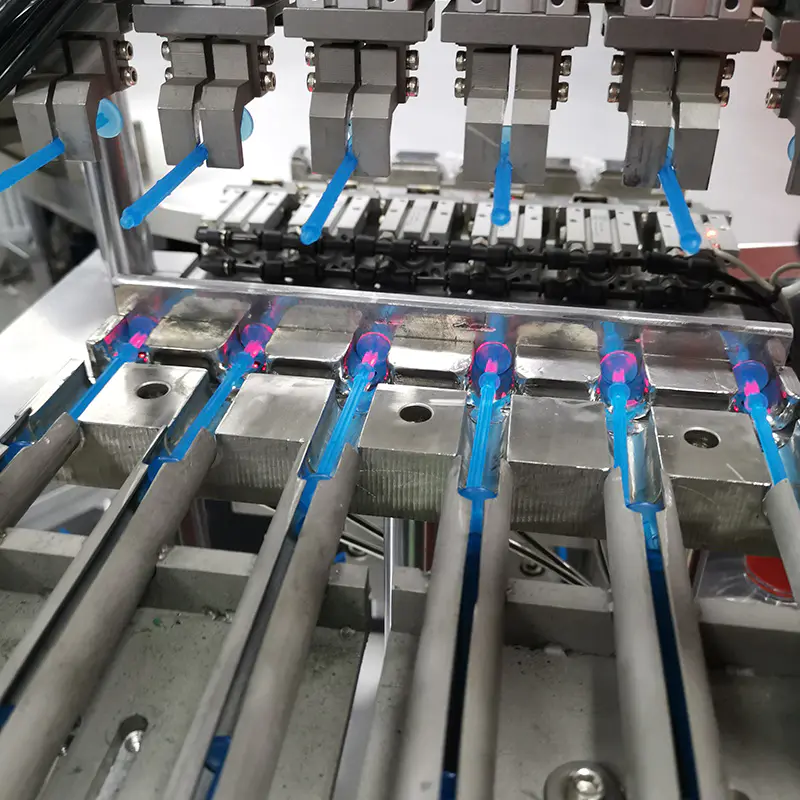


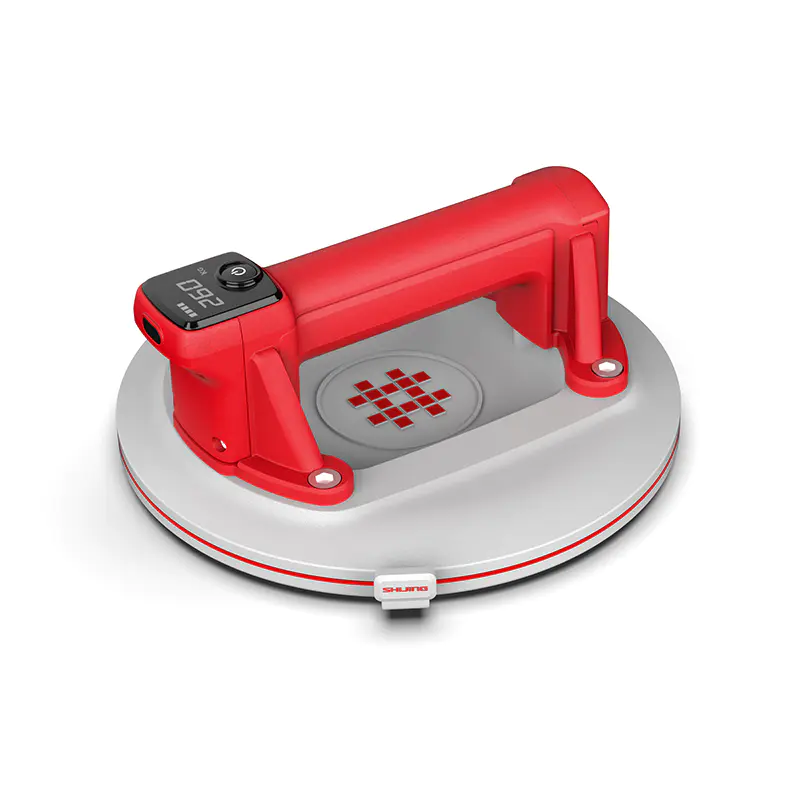
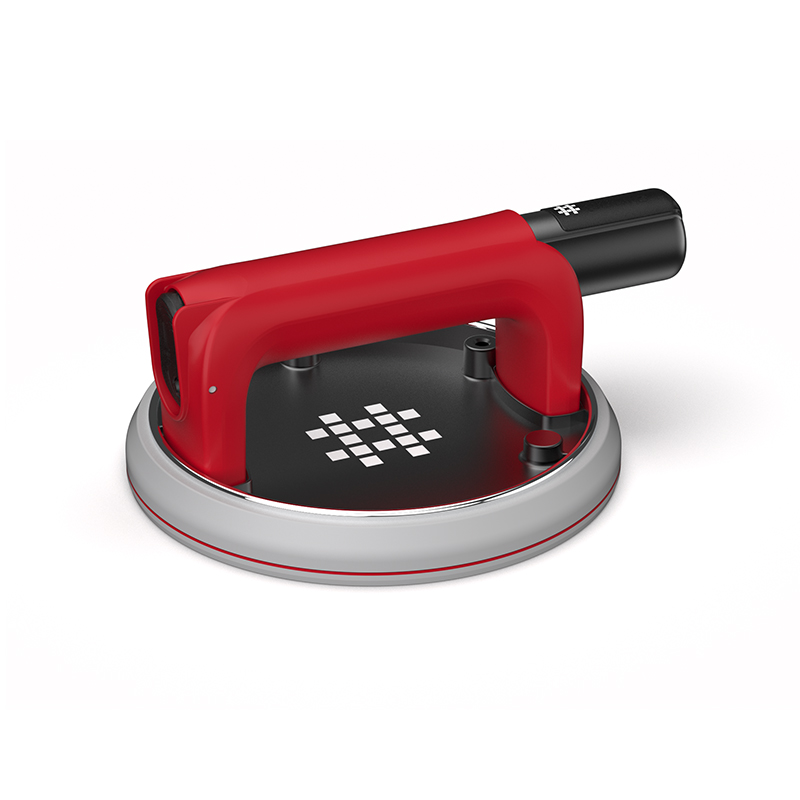
Vacuum based handling systems usually sit between mechanical motion and surface interaction. The behavior is not only about suction force, but also about how structure and sealing meet at the contact interface. In many setups, rigidity and sealing flexibility are combined rather than treated separately.
Metal framed suction structures appear in designs where deformation becomes a concern during repeated positioning. Aluminum based constructions are often selected in these cases because the body keeps its shape while the sealing part deals with surface variation.
What Is an Aluminum Suction Cup and How It Works in Industrial Vacuum Handling Systems
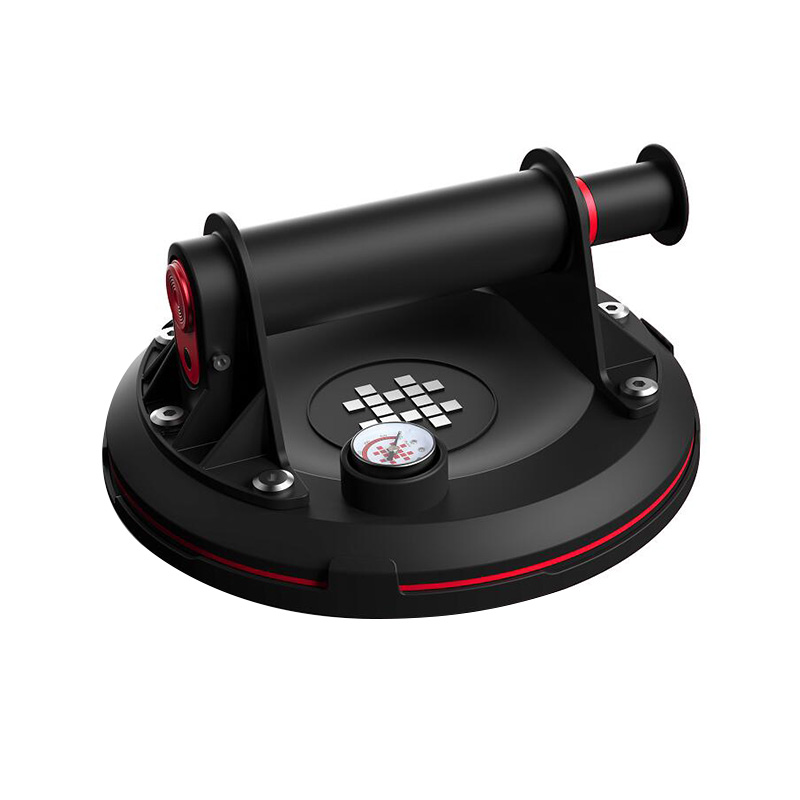
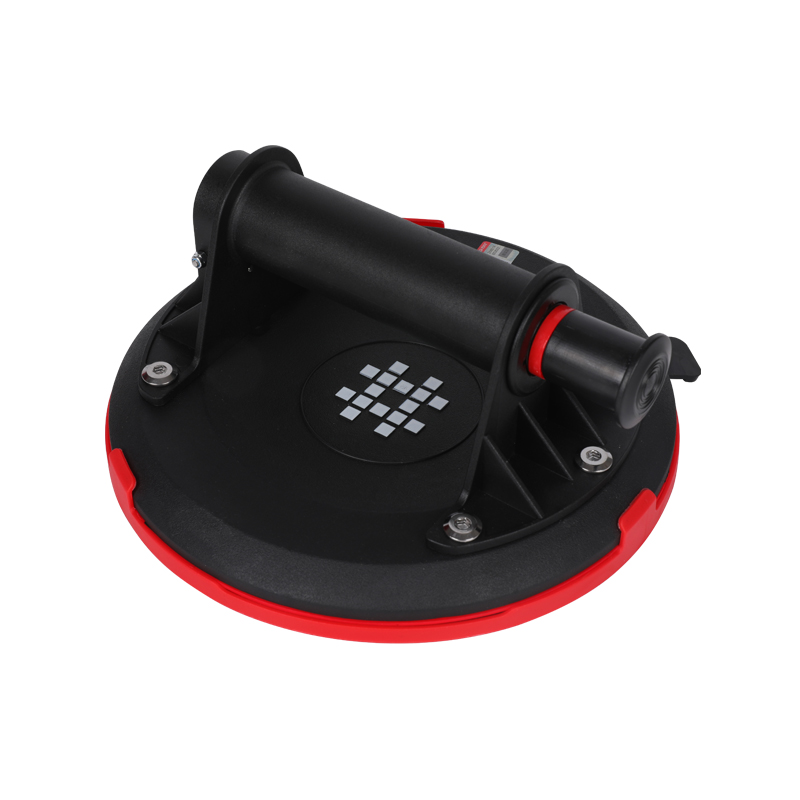
An Aluminum Suction Cup is not a single material component. It is closer to a combined assembly where a metal shell surrounds a sealed air chamber, and the actual grip comes from pressure difference rather than material adhesion.
Air is removed from the internal cavity, and the surrounding pressure pushes the structure toward the contact surface. What matters in real use is not just the vacuum level, but whether the internal space stays isolated long enough during movement.
Typical structure behavior:
- The aluminum body holds geometry under external load
- The sealing edge forms the actual air boundary
- The cavity acts as a controlled low pressure zone
The system behaves differently depending on how stable these three elements remain during operation.
How Aluminum Suction Cup Combines Metal Structure and Sealing Design for Stable Grip Performance
The interaction between rigid and flexible parts is not always symmetrical. The metal part does not directly contribute to sealing, but without it, the sealing element loses support and shape control.
In practice, the aluminum frame reduces deformation that would otherwise distort the sealing contact line. The sealing ring then takes over small irregularities that exist on the target surface.
| Element | Function in operation | Behavior under load |
|---|---|---|
| Aluminum housing | Maintains shape | Resists structural bending |
| Sealing ring | Forms contact barrier | Adjusts to micro gaps |
| Internal chamber | Holds pressure difference | Sensitive to leakage paths |
In Aluminum Suction Cup systems, small misalignment between these parts is usually more critical than the absolute force level.
Why Aluminum Is Chosen in Suction Cup Body Design for Mechanical Strength and Long Term Use
Aluminum is used mainly because it sits in a practical middle range of stiffness and processability. It is not the only option, but it tends to behave predictably when shaped into repeated structural parts.
During repeated cycles, the housing experiences slight stress changes. If the structure deforms too easily, the sealing interface stops working consistently. If it is too rigid without adaptation layers, it can transfer stress directly into the seal.
Some design considerations usually include:
- How the structure responds to repeated contact cycles
- Whether alignment stays stable after long operation
- How the sealing part is supported mechanically
In Aluminum Suction Cup designs, the metal part is less about holding force and more about keeping geometry stable enough for sealing to function properly.
How Surface Roughness Influences Aluminum Suction Cup Vacuum Sealing and Grip Reliability
Surface condition often changes performance more than internal design adjustments. Even when the system is well assembled, the contact area may behave differently depending on texture and micro irregularities.
A sealing ring can compensate for small gaps, but it has limits. Once surface variation becomes too uneven, air paths form faster than the system can maintain pressure balance.
In practical observation:
- Smooth surfaces tend to maintain contact without interruption
- Slightly textured surfaces rely heavily on seal compression
- Irregular surfaces create unstable contact zones that vary during motion
This is one of the reasons why Aluminum Suction Cup performance is often evaluated together with the target surface rather than as an isolated component.
Which Factors Affect Load Capacity in Aluminum Suction Cup Applications Under Real Working Conditions
Load behavior in vacuum handling is rarely determined by a single parameter. In actual use, it tends to shift depending on how pressure stability interacts with motion, contact condition, and sealing response. The same structure can feel stable in one setup and slightly inconsistent in another, even when the core design remains unchanged.
With Aluminum Suction Cup systems, the rigid body helps maintain geometry, but the effective holding condition still depends on how well the vacuum space is preserved during movement and how the load is transferred through the sealing interface.
Some influencing elements usually appear together rather than separately:
- Pressure balance inside the sealed cavity
- Contact consistency between seal and surface
- Direction and type of applied force during handling
- Small changes in alignment during repeated cycles
| Factor | Role in load behavior | Practical impact |
|---|---|---|
| Pressure stability | Maintains holding condition | Determines consistency during motion |
| Contact interface | Transfers force to surface | Sensitive to small surface variation |
| Structural alignment | Keeps geometry in position | Affects repeatability of grip |
| Sealing condition | Controls air leakage path | Influences duration of hold |
In many real systems, the limiting point is not sudden failure but gradual reduction in stability during operation.
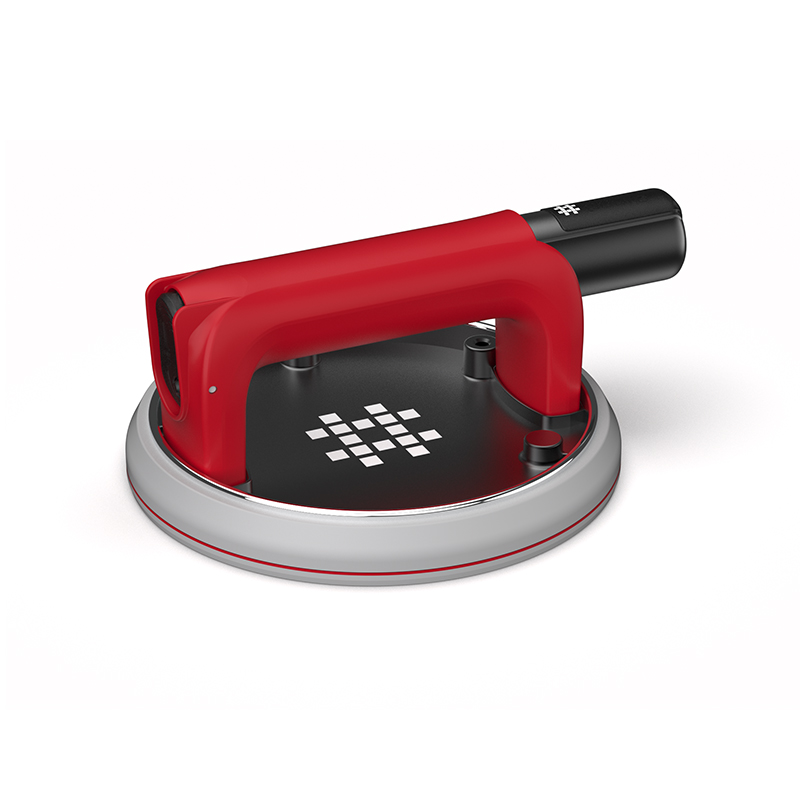
How O Ring Design Supports Vacuum Stability in Aluminum Suction Cup Systems During Operation
Its role is not limited to blocking air. It also manages small uneven zones that appear during contact, especially when motion or slight vibration is involved.
In practical behavior, the sealing ring tends to respond in three ways:
- Compression against surface irregularities
- Recovery after pressure release
- Redistribution of contact stress around edges
The effectiveness of this part depends on how consistently it maintains contact under repeated cycles. If the compression becomes uneven, air paths may appear even when the overall structure seems intact.
Another point often observed in use is that sealing performance is not only about material softness, but also about how the ring is supported by the surrounding metal structure. Without stable housing, the ring can deform in ways that reduce its ability to maintain a continuous boundary.
What Happens to Aluminum Suction Cup Performance in Vibration and Moving Industrial Environments
Motion introduces a different type of challenge compared to static conditions. When vibration or continuous movement is involved, the contact interface is no longer stable in a fixed state. Instead, it shifts slightly, and these small shifts accumulate over time.
In Aluminum Suction Cup systems, the rigid housing helps reduce structural movement, but it cannot fully eliminate micro changes at the sealing edge. These small variations are often enough to influence internal pressure balance.
Typical behaviors observed during movement include:
- Slight changes in contact position between seal and surface
- Temporary reduction in sealing consistency during vibration peaks
- Gradual variation in pressure retention over repeated cycles
The system does not usually fail instantly in such environments. Instead, performance tends to fluctuate, especially when surface texture is uneven or when alignment is not perfectly maintained throughout motion.
In practice, vibration exposes weak points that are not visible under static testing. These weak points are often related to sealing continuity rather than structural strength.
When to Use Aluminum Suction Cup Solutions for Automation Equipment and Robotic Handling Tasks
Selection of a vacuum based handling component is often less about capability labels and more about matching mechanical behavior with system requirements. Aluminum based suction structures are generally considered when geometry stability and repeatable positioning are important within a controlled motion system.
In automation environments, the decision tends to appear in situations where:
- The handling cycle involves repeated positioning on similar surfaces
- Structural deformation needs to remain limited during operation
- The contact interface must stay consistent across multiple cycles
- The system includes motion that may introduce minor alignment shifts
Aluminum Suction Cup systems are not necessarily used because of higher force demand, but more because they maintain predictable shape under repeated mechanical interaction.
In some setups, the choice also comes from practical assembly considerations. A stable housing allows easier integration into robotic arms or fixture systems, especially when multiple units operate in parallel.
The decision point is usually not isolated. It often sits between surface condition, motion behavior, and how much variation the system can tolerate without affecting downstream steps.
.jpg "P617 Electrical Air Pump")