English
 中文简体
中文简体 русский
 Español
 Deutsch
You can learn the recent information of Shijing.

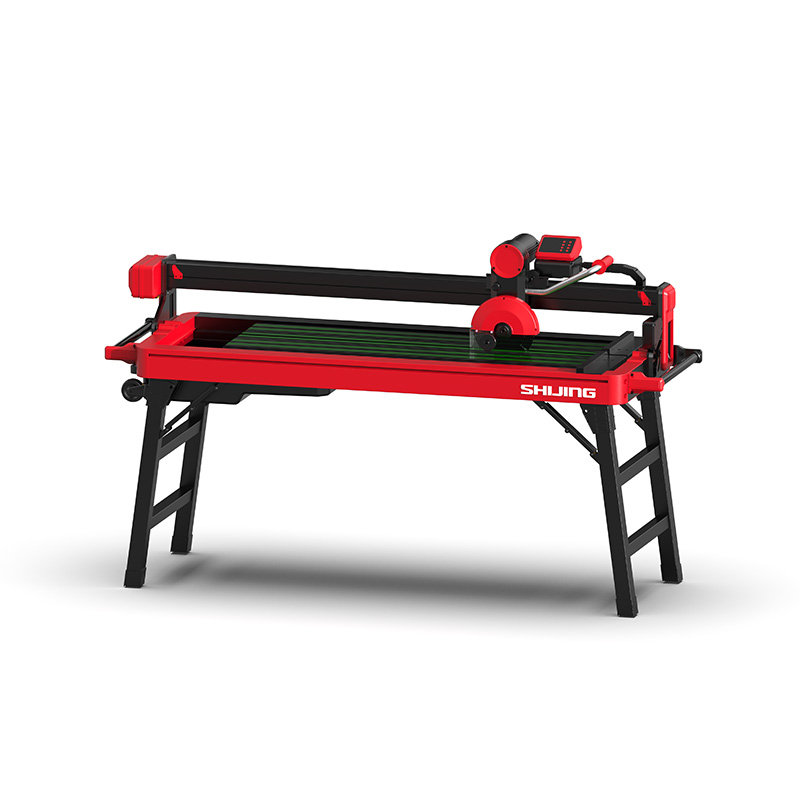
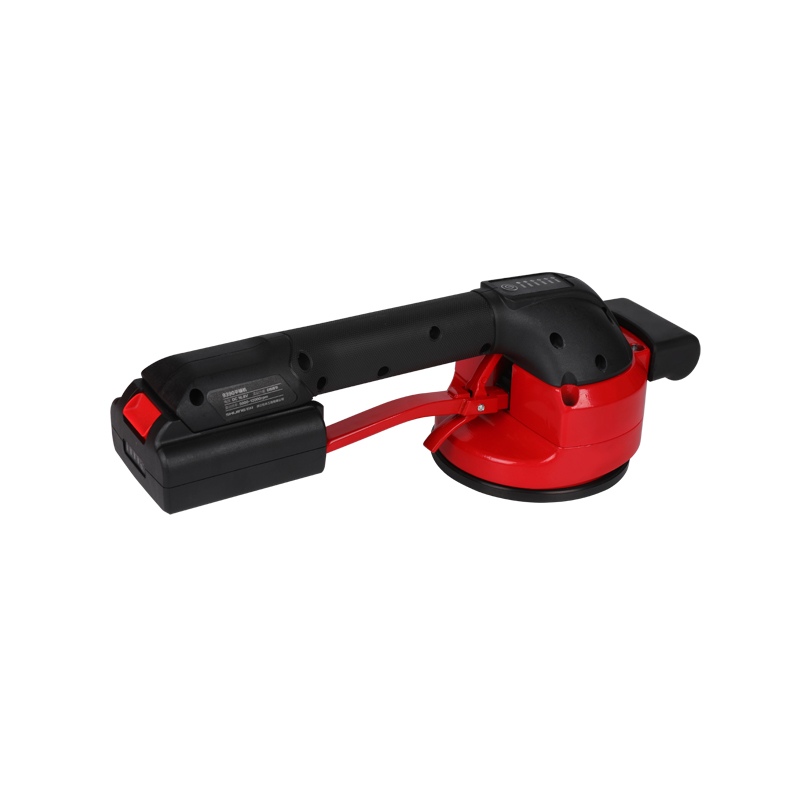

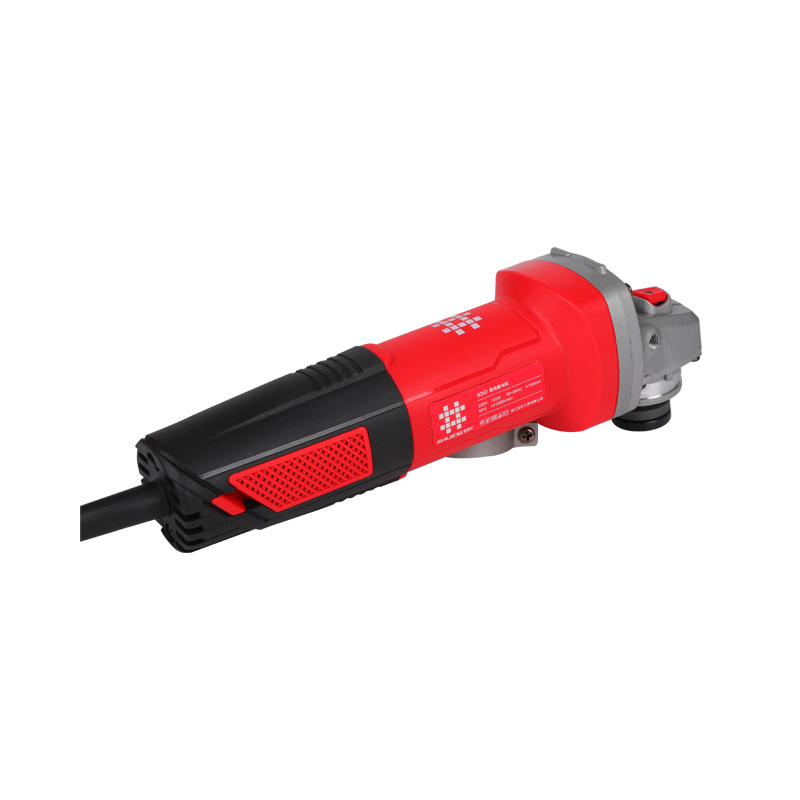
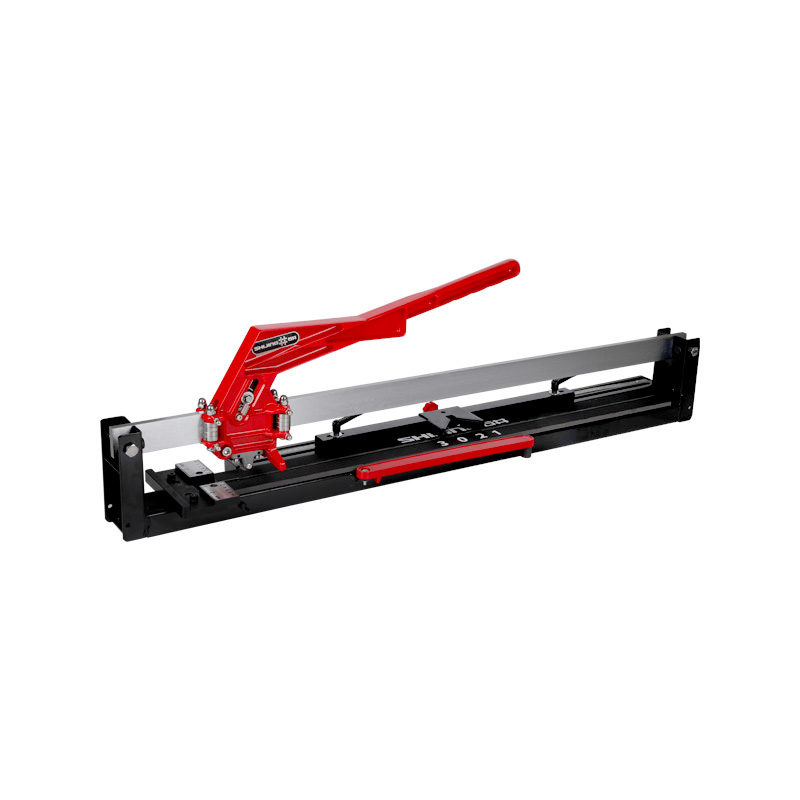
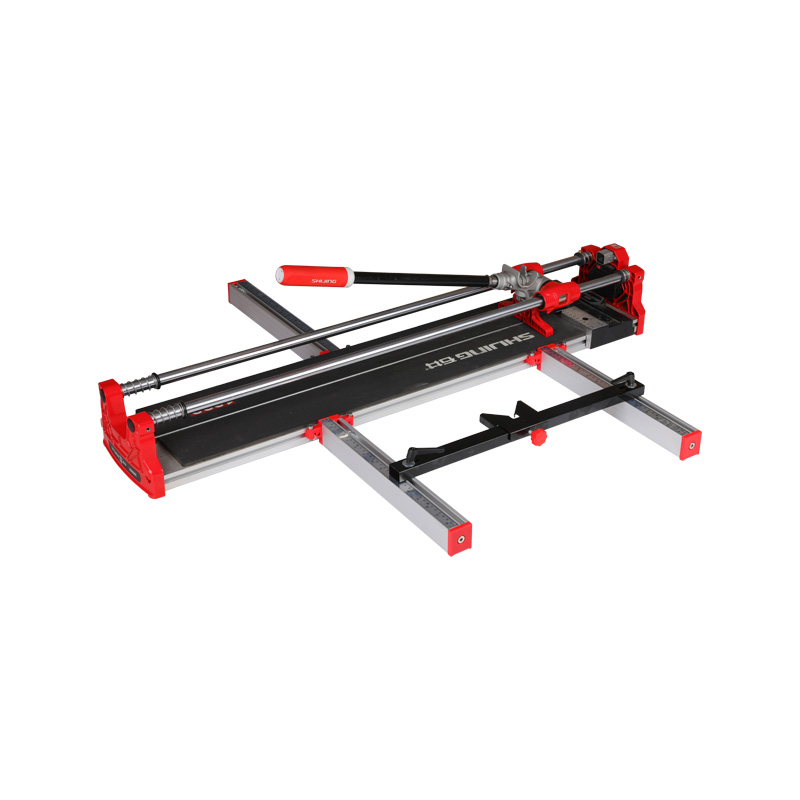

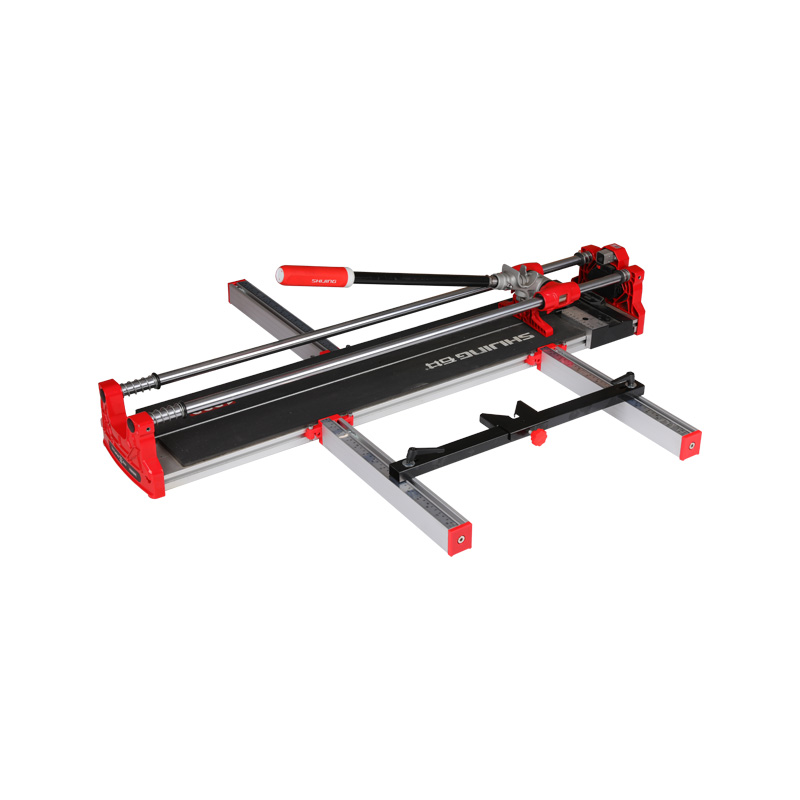
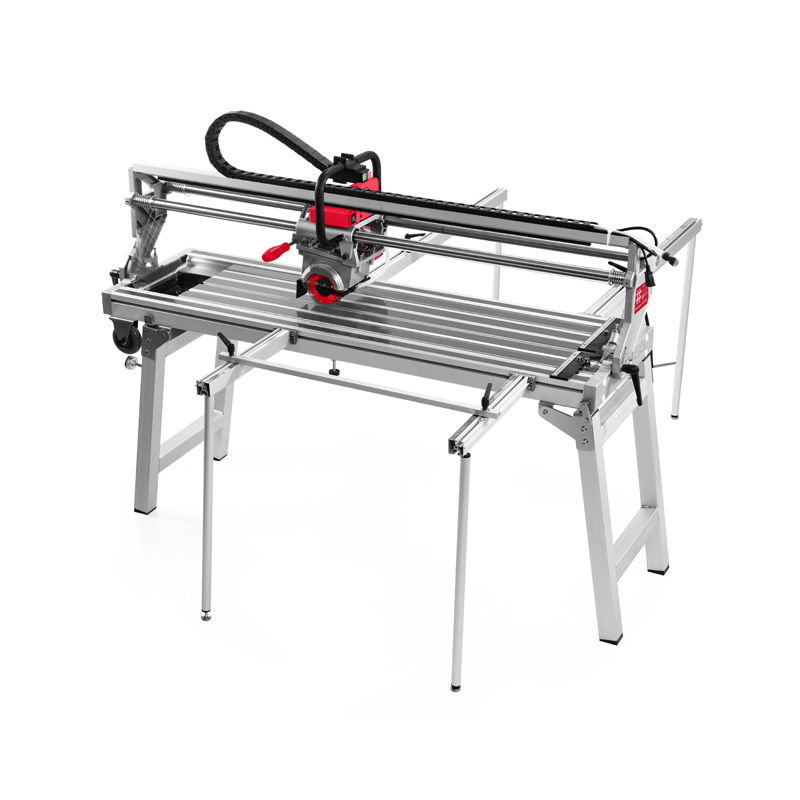
In tile installation work, cutting is usually a straightforward step, but the outcome often depends on small details during scoring and breaking. A Tile Cutting Hand Tool is commonly used for straight-line cutting where control during hand movement matters more than speed.
On different job sites, even the same tool can produce slightly different results. Tile type, hand pressure, and the way the scoring line is made all contribute to how the break develops. Most variations are noticed during repeated work rather than single cuts.
How tile hardness differences affect cutting results when using a tile cutting hand tool
When the surface is softer, the scoring wheel leaves a clear line quickly. The tile tends to follow that line during breaking without much resistance. However, too much pressure at this stage can still cause small edge chips.
Harder tiles behave in a less direct way. The wheel may feel like it is dragging slightly before the line becomes visible. If the pressure changes during scoring, the break can drift away from the intended path.
| Tile response type | Scoring behavior | Break behavior on site |
|---|---|---|
| Softer ceramic surface | Line appears quickly | Break follows line easily but sensitive to pressure changes |
| Denser tile surface | Requires more controlled pass | Crack may shift if pressure is inconsistent |
| Mixed internal layers | Uneven marking feel | Break path can vary slightly during separation |
What defines a stable cutting experience when using a tile cutting hand tool on different materials
A stable cutting feel is often recognized when the scoring wheel travels across the tile in one continuous motion without visible hesitation.
In real use, instability is rarely dramatic. It appears as slight fading of the scoring line or small changes in resistance under the hand. These small changes are often enough to affect how the tile breaks later.
On site, stability is usually influenced by simple conditions:
- Tile not fully aligned with the guide before scoring
- Small changes in hand speed during the pass
- Movement of the tile before the breaking step
Even when the tool remains unchanged, these factors can shift the final cutting line slightly.
How scoring depth and pressure control influence crack control in tile cutting hand tool operation
The scoring line acts as a guide for how the crack will travel. If the line is too light, the break may start but then move away from the intended direction.
When the line is too deep, the edge area becomes more fragile than expected. During breaking, small chips can appear before the tile fully separates.
In practical handling, the relationship between scoring and breaking is usually observed in this way:
- Light scoring requires more careful and controlled breaking
- Moderate scoring allows more predictable separation along the line
- Excess pressure during breaking increases the chance of edge damage
Most adjustments are made through repeated handling rather than fixed measurement.
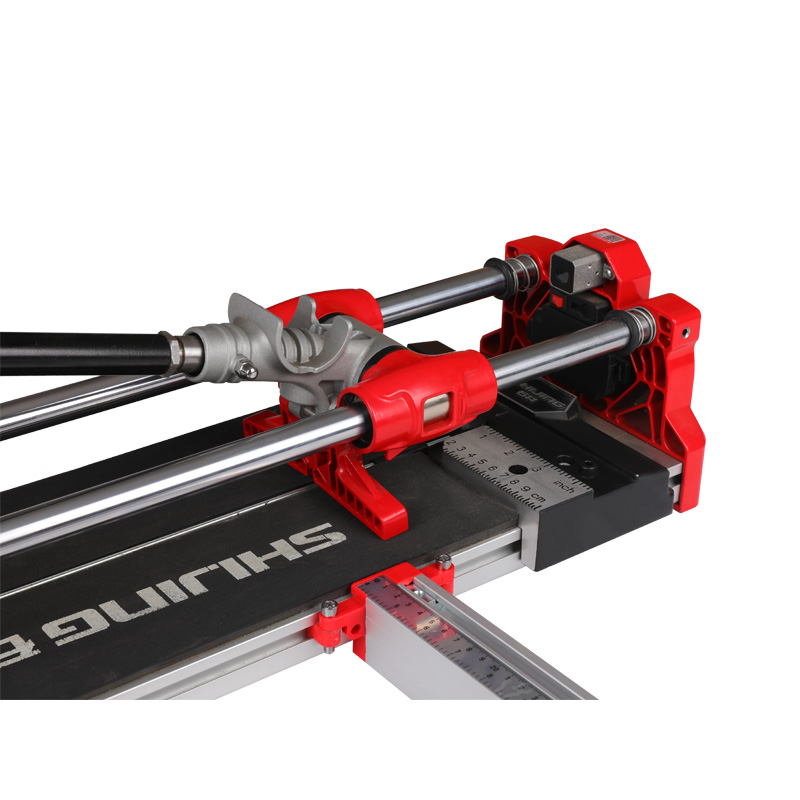
Which user handling techniques help improve cutting consistency with a tile cutting hand tool
Consistency is usually linked to how smooth the scoring motion is. If the hand speed changes during the pass, the line may show slight variations in depth.
Keeping the movement continuous helps maintain an even scoring line. On longer tiles, users often adjust grip position to maintain control across the full length.
During breaking, a controlled downward force is usually more stable than a sudden push. This helps the crack follow the scored path instead of deviating sideways.
Common handling habits include:
- Aligning the tile carefully before starting
- Maintaining steady motion during scoring
- Applying force in a single controlled press during break
These behaviors are typically developed through repeated use on site.
Why rail alignment and structure design matter for long term accuracy in tile cutting hand tool use
When the guide rail is not fully aligned, the scoring wheel may still move across the tile, but the line can drift slightly without being obvious initially. This kind of deviation usually becomes noticeable only when multiple cuts are compared.
In daily use, small structural changes such as slight looseness or uneven contact between the tile and base can affect how the scoring line develops. The movement may feel normal, but the break line can gradually shift off the intended path.
- On site, this is often observed in a simple way:
- First few cuts appear acceptable
- Later cuts show small directional drift
- Repeated use makes the deviation more visible
These changes are gradual rather than sudden, which is why they are often linked to structural alignment rather than operation alone.
How breaker system design influences the final break quality in tile cutting hand tool applications
The breaking stage depends on how force is transferred onto the tile surface after scoring. If the pressure is not distributed evenly, the crack may start correctly but then travel in a slightly uneven direction.
Different breaker contact shapes can create different responses during separation. Some concentrate force in a narrow point, while others spread it across a wider area, which changes how the crack opens.
| Breaker contact type | Force behavior during press | Result on tile edge |
|---|---|---|
| Narrow contact point | Localized force at center | Crack follows scoring line but sensitive to pressure timing |
| Wider contact surface | More distributed pressure | Break feels smoother but requires steady alignment |
| Mixed contact design | Variable pressure contact | Edge outcome may vary depending on tile hardness |
In practice, the quality of the break is often influenced more by how evenly the force is applied than by the tool structure alone.
What causes edge chipping during tile cutting hand tool use and how can it be reduced in practice
Edge chipping usually appears during the transition from scoring to breaking. In many cases, the scoring line is correct, but the crack does not fully follow the weakened path, causing small fragments to break off near the edge.
This often happens when pressure is applied too suddenly or when the tile is not fully supported during separation. Slight movement of the tile at the moment of breaking can also create uneven stress.
On site, several conditions are commonly associated with edge chipping:
- Breaking force applied too quickly instead of gradually
- Tile not fully resting on a stable surface
- Scoring line not fully continuous along the cut path
These situations do not always cause visible issues immediately, but they tend to appear more clearly during repetitive cutting work.
Where tile cutting hand tool fits compared with wet cutting methods in real construction scenarios
In construction environments, manual cutting and wet cutting are often used side by side rather than as replacements for each other. A Tile Cutting Hand Tool is usually selected when straight cuts are needed and when dust control or setup simplicity is preferred.
Wet cutting methods are generally used when material density is higher or when curved or complex cuts are required. However, they also involve more setup time and additional handling steps.
In practical use, the distinction is often made based on task conditions:
- Straight line cuts in limited workspace often rely on manual tools
- Dense or thick materials may require wet cutting methods
- Repetitive sizing work is often distributed between both approaches
The decision is usually made on site depending on material behavior and workflow constraints rather than fixed rules.
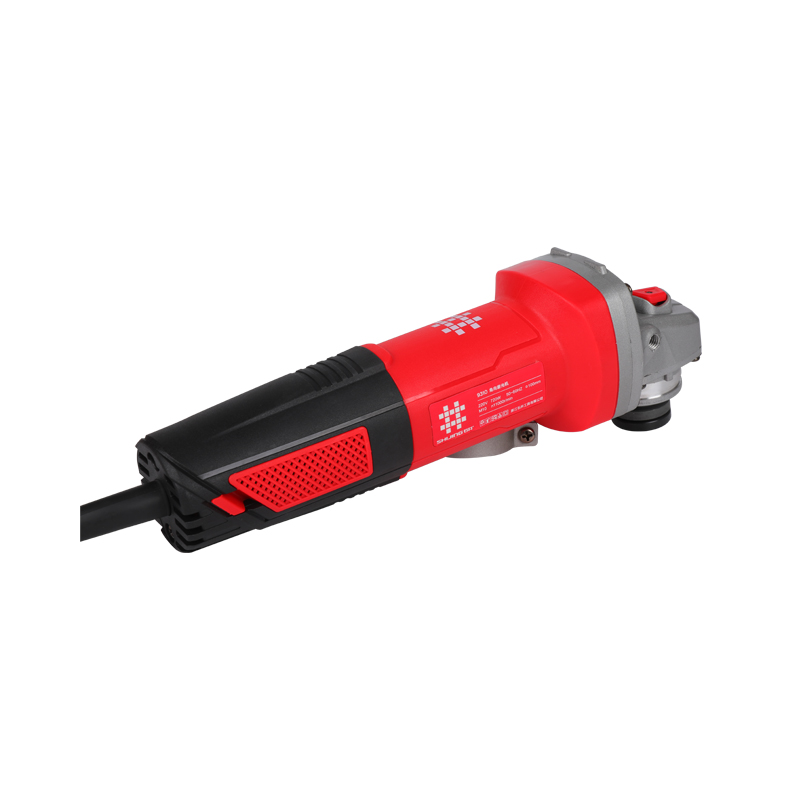
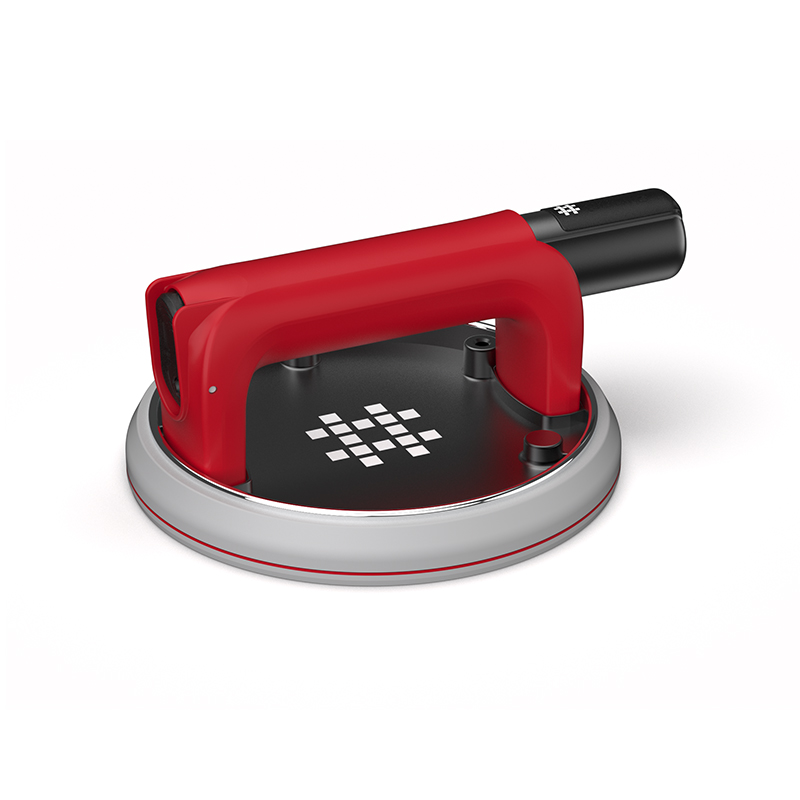
.jpg "9390 Tile Vibrator")