English
 中文简体
中文简体 русский
 Español
 Deutsch
You can learn the recent information of Shijing.
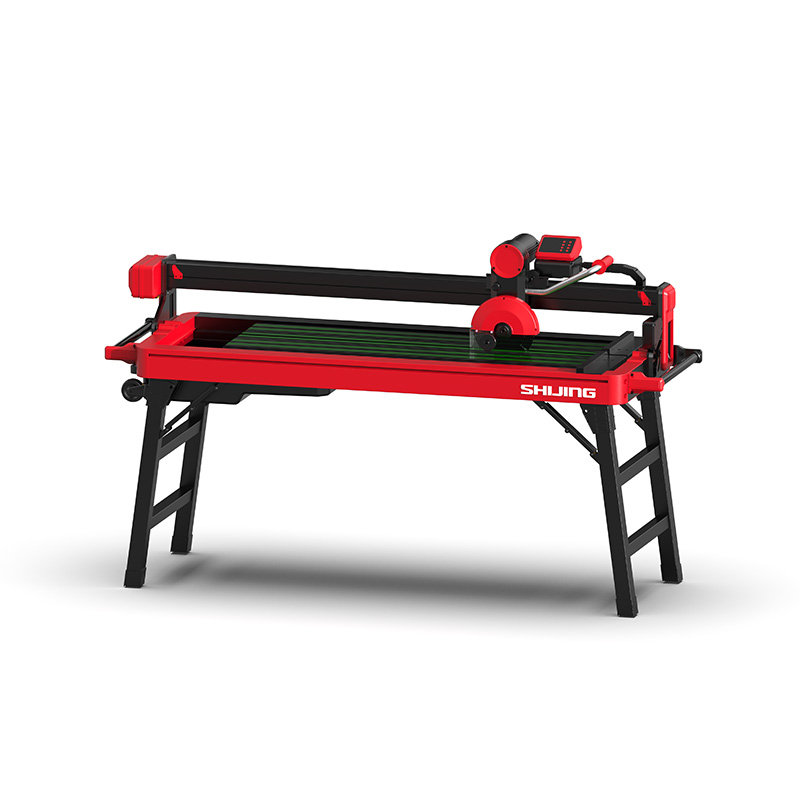

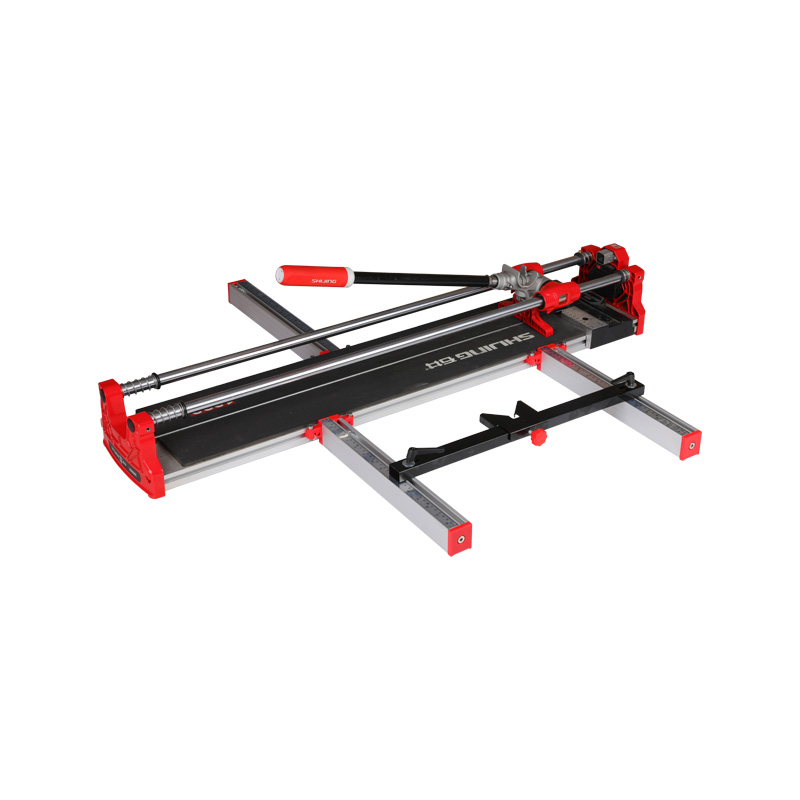

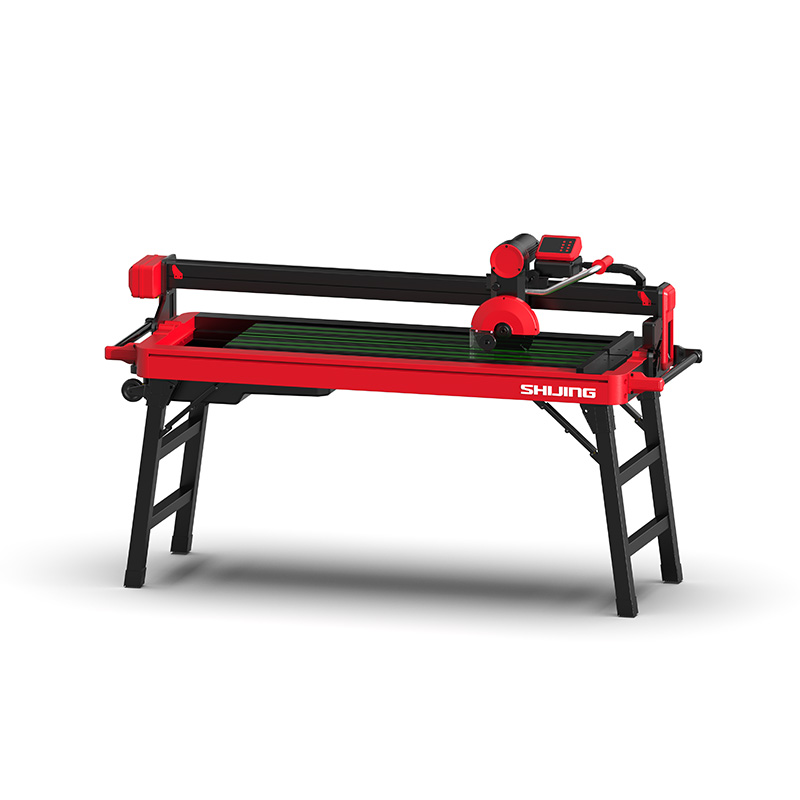
In production environments, an Automatic Tile Cutting Machine is often judged by the cut it leaves behind, but the visible edge is only the final step in a longer process. Pressure, alignment, surface behavior, and the way stress travels through the tile all play a part. When one point changes, the result can shift in a way that is easy to see and hard to ignore.
That is why technical discussion around cutting equipment usually starts with the process itself rather than the output alone. A stable cut is not only about sharp contact. It is also about control, consistency, and how the machine reacts when the material is not uniform. In many workshops, the real question is not whether a cut can be made, but how steadily it can be repeated across different tile types and production conditions.
How Cutting Pressure Shapes Edge Quality
Pressure is one factor that influences how a tile breaks along the intended line. Too little pressure can leave the surface marked but not fully separated. Too much pressure can push the material beyond the point where it fractures in a controlled way. The result is often a rough edge, a small chip, or a break that drifts away from the intended path.
An Automatic Tile Cutting Machine needs a pressure range that matches the material, not just the task. A tile with a harder surface may respond differently from one with a softer finish. Even tiles that look similar can behave in different ways once the cutting tool touches them. That is why operators often watch the edge after a few samples before moving into a full batch.
A practical way to think about pressure control is to look at the cut in stages:
- The initial contact marks the surface without causing a sudden break.
- The main cutting action should keep the stress line steady.
- The final separation should follow the marked path instead of pulling to one side.
| Pressure setting behavior | What it can change | What operators may notices |
| Too light | The cut line may remain weak | The tile may not separate cleanly |
| Balanced | The break follows the intended path | The edge looks steady and even |
| Too strong | Stress spreads too far | Chips, rough edges, or off-line breaks may appear |
Small shifts in pressure can matter more than expected because tile surfaces do not all respond in the same way. A cleaner result usually comes from matching force to the material rather than pushing harder for speed.
How Alignment Deviation Influences Cutting Consistency
Alignment is the quiet part of the process that often becomes obvious only after several pieces have been cut. If the starting position is slightly off, every following cut can carry that same shift. The machine may still run smoothly, but the output can slowly move away from the intended size or line.
In an Automatic Tile Cutting Machine, alignment does not only affect accuracy. It also affects trust in the production flow. When workers see one piece shift, they may begin to check every later piece more often, which slows the pace and adds more handling. That makes alignment a process issue, not just a quality issue.
A few common signs point to alignment problems:
- Edges look consistent at the start but drift later in the run.
- Repeated pieces do not sit evenly when stacked.
- The cutting line looks correct, yet the final break is slightly off.
- Small changes appear after loading a new batch of tiles.
The cause is often simple in principle, even if it takes time to trace. A guide point may be loose, a feeding path may be uneven, or the tile may not sit flat before the cut begins. None of these issues needs to be dramatic to affect the result. In many cases, the machine is working as told, but the setup is not holding the line in the same way each time.
For that reason, alignment checks are often treated as a routine step rather than a repair step. A short review before production can prevent longer corrections later.
Why Different Tile Materials Behave Differently
Tiles may look similar from a distance, but their internal structure can change the way they respond to cutting. Some surfaces open cleanly along the line. Some materials resist the initial contact and then break more suddenly. The difference often comes down to density, surface finish, and how the material holds stress.
An Automatic Tile Cutting Machine does not treat every tile in the same way, even when the settings are left unchanged. A smooth surface may allow an even start, while a textured surface may create slight irregular resistance. A harder body may hold together until the stress reaches a certain point, then release in a faster break. This is why material behavior must be read as part of the production process, not as an afterthought.
The same cutting method can therefore give different results depending on what is being cut. A tile with a firm surface layer may need a steadier approach. A tile with a more brittle body may respond better to a lighter touch and cleaner support. When these differences are ignored, the edge quality often becomes less predictable.
Material response can usually be grouped in a simple way:
- Some tiles release stress gradually and follow the line with little extra breakage.
- Some tiles resist the initial contact and then separate more abruptly.
- Some tiles show small chips at the surface before the main break begins.
- Some tiles need more careful handling during loading and support.
That variation is normal. The point is not to force every tile into the same pattern, but to match the process to the material in front of the machine.
How Micro Cracks Develop During Cutting
Micro cracks are one of the less visible reasons a cut may appear stable initially but show weakness later. They can begin as small stress points near the cutting line, then spread when the material separates. In the moment, the tile may still break cleanly. Later, the edge can show a hairline flaw, a small chip, or a weakness that was already there before the break finished.
In an Automatic Tile Cutting Machine, these small cracks often appear when the pressure, support, or cutting path is not fully balanced. The crack does not always start from one large mistake. It can come from a series of smaller ones, such as uneven contact, a surface that is not fully supported, or a stress line that changes direction too quickly.
The process usually follows a quiet sequence:
- The surface receives the initial mark.
- Stress begins to collect around that line.
- The material starts to open along the intended path.
- Small cracks spread outward if the stress is uneven.
- The final edge reflects what happened earlier in the cut.
This makes micro cracks important even when they are hard to see at first. They explain why two pieces that look similar during cutting may behave differently after separation. One may hold a clean edge, while another shows a slight flaw that becomes more visible under handling or stacking.
For operators and buyers alike, the practical point is clear. A clean-looking cut is useful, but a stable edge matters just as much. That stability comes from managing pressure, alignment, support, and the material itself as one connected process.
How Blade Wear Gradually Changes Cutting Behavior
In early use, the scoring line tends to be clear and continuous. As wear develops, that line starts to lose its definition. It is not always visible as damage on the tool itself. Often it shows up in the tile first, especially along the break edge where small irregular points appear.
What makes this more complex is that wear does not affect every material in the same way. A softer surface may absorb the change for longer, while a denser tile may respond quickly.
Typical changes observed over time include:
- The scoring line feels less consistent across repeated passes
- Some tiles require slightly more force to separate along the same path
- Edge finish becomes less uniform between early and later cuts
- Break behavior starts to vary even when settings are unchanged
In many cases, the machine is still functioning normally. The variation comes from the contact condition, not from motion failure.
Where Dust Accumulation Affects Motion Stability
Dust is often treated as something secondary in cutting systems, but in practice it changes how movement feels over time. It does not stop the machine. It slows certain parts in a way that is uneven and easy to overlook at first.
The buildup is usually not uniform. It collects more in zones where motion repeats frequently or where airflow is weak. Once it settles, it starts affecting how smoothly parts glide against each other.
This is less about blockage and more about resistance. A small increase in friction at one point can slightly shift alignment during motion, and that shift can carry into the cutting line.
Common sensitive zones include:
- Sliding tracks where repeated movement happens
- Areas close to tile contact during positioning
- Open spaces where dust has nowhere to escape
- Reading or sensing points that rely on clear surfaces
| Location area | What changes gradually | What shows up in cutting behavior |
|---|---|---|
| Sliding paths | Slight increase in friction | Less smooth motion between cuts |
| Positioning surface | Uneven dust layer | Tile sits with minor tilt |
| Contact edges | Material buildup | Small variation in alignment |
| Sensor zones | Partial obstruction | Irregular reading response |
The key issue is not accumulation itself, but the way it slowly alters consistency without stopping operation.
How Cutting Path Planning Impacts Material Utilization
Cutting path planning is often discussed as an efficiency concept, but on the shop floor it feels more like flow control. The order in which cuts happen changes how material behaves during the process.
When the path is not well aligned with tile layout, more offcuts appear. These pieces are usually not large enough to reuse, and they tend to form in irregular shapes that break the rhythm of production. Over time, this affects how predictable the output feels, even if each individual cut is acceptable.
There is also a mechanical side to it. Frequent direction changes interrupt motion continuity. The machine does not lose function, but it loses smoothness in transition.
A more stable cutting sequence usually considers:
- How large sections are divided before smaller cuts begin
- Whether direction changes are minimized within one cycle
- How movement returns to starting position
- How material layout supports continuous motion
The goal is not only reducing waste, but keeping motion behavior steady enough so that each cut feels like part of the same flow rather than separate actions.
How Automatic Positioning Systems Support Repeat Accuracy
Positioning is often underestimated because it happens before cutting starts. Once the tile is placed, attention shifts to motion and pressure. But the starting point quietly determines how everything else behaves.
If the tile is placed slightly off, the machine will still follow its programmed path. The problem is that the reference has already shifted. That shift does not correct itself during cutting. Instead, it becomes part of the final result.
In repeated production, this effect becomes more noticeable. One piece may look acceptable on its own, but differences appear when several are placed together.
The influence of positioning can be seen in a few ways:
- Small variations in placement can result in edge differences that become visible later.
- Repeated cuts begin to drift in comparison to earlier pieces
- Edge alignment between pieces becomes less consistent
- Rework increases even when cutting parameters are unchanged
Positioning systems help reduce this variation, but they depend heavily on how the material is loaded and how stable the base support is. Even a precise system cannot fully compensate for inconsistent placement.
The main point is simple. Cutting accuracy does not begin at the blade. It begins at where the tile sits before the blade ever touches it.
.jpg "7565E 5 Lines Laser (Green Light)")
.jpg "9510-2700mm Electric Cutter For Porcelain Slab With 3380mm Rail")