English
 中文简体
中文简体 русский
 Español
 Deutsch
You can learn the recent information of Shijing.
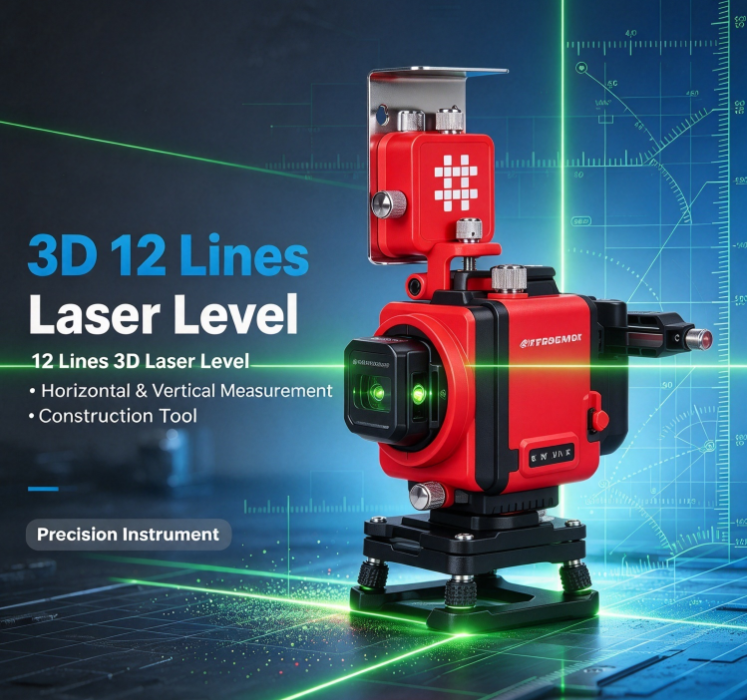


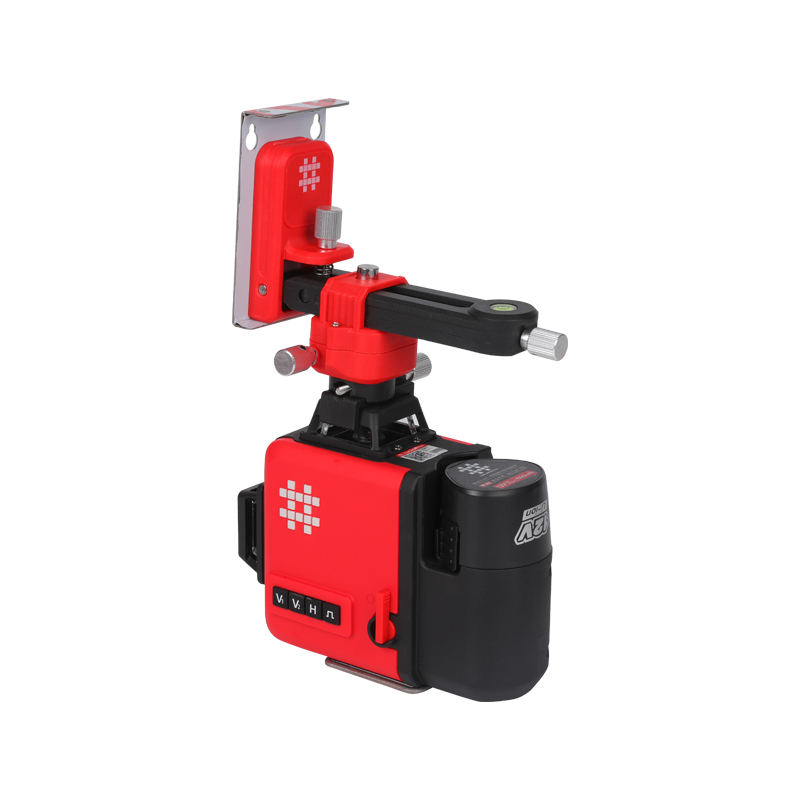
Construction and interior work depend on alignment more than many people notice. A wall that is slightly off, a row of tiles that drifts, or a ceiling line that does not stay consistent can affect the final result. Because of that, measuring tools are no longer used only at the beginning of a job. They often stay in use throughout the layout and installation stages.
A 12 Lines Laser Level fits into that kind of workflow because it gives workers clear visual references across different parts of a room. It does not replace skill, and it does not remove the need for careful checking. What it does offer is a steadier way to keep a project organized while different tasks are happening at the same time.
In interior spaces, the value of a laser tool is often practical rather than dramatic. Workers want something that is easy to place, easy to read, and useful in a range of positions. That is part of why multi-line models are getting more attention in renovation, decoration, and fitting work. They help turn a few isolated points into a usable working guide.
Why Are 12 Lines Laser Levels Becoming More Common in Interior Construction Projects
Indoor construction rarely follows a single direction. One project may involve floor work, another may focus on wall placement, and another may need support for ceiling details or cabinet fitting. When several surfaces need to match, a simple check with a manual tool may not be enough on its own.
A 12 Lines Laser Level is useful in that setting because it gives more than one line of reference without forcing the user to reset the tool again and again. That matters on busy sites, where workers often move from one area to another and need the layout to stay consistent.
There is also a shift in how many people approach indoor work. Instead of treating measurement as a separate step, they now look for tools that can stay active while the job moves forward. Visible lines make it easier to check direction, spacing, and placement as the work develops.
Common reasons this type of tool appears more often in interior projects include:
- It helps keep several surfaces aligned at the same time.
- It reduces the need to keep moving the measuring point.
- It supports faster coordination between layout and installation.
- It works well in rooms where multiple reference directions are needed.
| Interior task | How the laser line helps |
|---|---|
| Wall layout | Gives a clear guide for placement |
| Tile setting | Supports straight rows and consistent spacing |
| Ceiling fitting | Helps keep installation points in line |
| Cabinet work | Assists with height and position checks |
The increase in use is less about replacing older tools and more about matching modern job habits. Many workers now prefer equipment that makes the setup phase smoother and keeps the work visually controlled from start to finish.
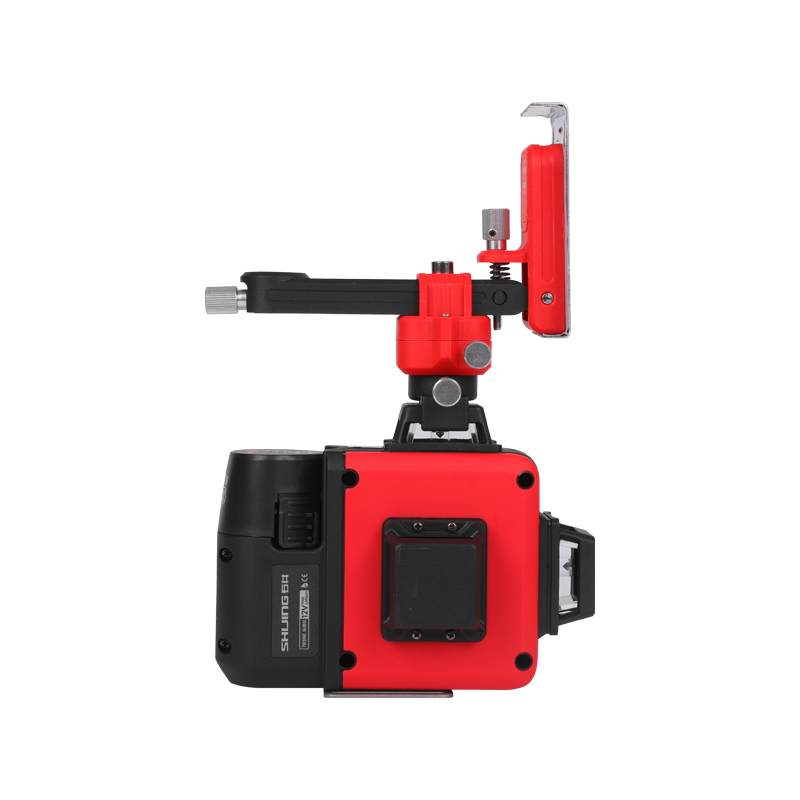
How Does a 12 Lines Laser Level Support More Efficient Construction Planning and Layout
Planning is often what keeps a job from turning into repeated correction. A clear layout gives workers a reference before materials are installed. That is especially useful in rooms where different parts of the project must stay in relation to each other.
A 12 Lines Laser Level helps by showing several straight references across the work area. Those lines can be used to check whether points on different walls, floors, or corners are staying in the same direction. For layout work, that can save time and reduce second-guessing.
The benefit is not only technical. It also changes the rhythm of the job. Instead of measuring one point at a time, workers can look across the room and compare positions in a more direct way. That makes the layout feel less fragmented.
A few situations where it helps in practice:
- Marking positions before installation starts
- Checking whether multiple elements match each other
- Setting a shared reference for more than one worker
- Reducing repeated adjustments during fitting work
| Layout stage | What the tool supports |
|---|---|
| Early setup | Establishes visual direction |
| Position checking | Shows whether points stay aligned |
| Adjustment | Helps correct placement before fixing materials |
In many jobs, the layout stage is where small problems can be prevented. A clear line across the room often does more than a long chain of individual checks. It gives the work a visible structure, and that can make the rest of the process easier to manage.
What Makes a 12 Lines Laser Level Suitable for Tile Installation and Wall Alignment Tasks
Tile installation is one of those jobs where small shifts become visible fast. A row that starts clean but drifts over distance can affect the appearance of the whole area. Wall alignment has a similar issue. Even when the surface seems simple, the work often depends on keeping a steady direction from one end to the other.
That is why a 12 Lines Laser Level fits well into both tasks. It gives the user a straight visual guide that can be used across a wider working area. The lines help with orientation before materials are fixed in place, which gives the installer a better chance of keeping the pattern consistent.
For wall alignment, the tool is useful when setting panels, shelves, frames, or decorative parts. For tile work, it helps maintain direction across the surface and supports spacing that looks even to the eye.
The main point is not that the tool does the work. It gives the worker a clearer reference so the work can stay controlled.
How Does Self-Leveling Technology Influence the Use of Modern Laser Level Tools
Self-leveling has changed the setup process in a very practical way. Instead of spending extra time adjusting the tool by hand, the user can place it, check the reference, and move on with the work. That matters on sites where time is spread across many small tasks.
It also helps reduce hesitation. If the tool is easier to set up, it is more likely to be used at the right moment instead of being skipped because the process feels slow. In real job conditions, that can make a noticeable difference.
The effect of self-leveling can be seen in several ordinary working situations:
- Faster setup before layout work begins
- Less manual correction during short jobs
- More consistent reference use across different spaces
- Easier handling for workers who move between tasks
A tool with automatic adjustment support often feels more natural in daily use because it keeps the focus on the job, not on the setup. That is one reason modern laser tools continue to move toward simpler operation without losing visual control.
For many users, the appeal of a 12 Lines Laser Level is not just in the number of lines. It is in how those lines are made available, how quickly the tool can be placed, and how well it fits into the flow of interior work. That combination is what gives it a place in current construction and renovation routines.
Why Are Green Laser Lines Receiving More Attention in Indoor Applications
Visibility has always been an important factor when using measurement tools indoors. Different rooms can have different lighting conditions, wall colors, and working distances, which may affect how clearly a reference line can be seen during installation.
Green laser lines have gained attention because many users find them easier to notice in certain indoor environments. When workers are positioning materials, checking alignment, or preparing layouts, clear visibility can make the working process more comfortable.
The choice between different laser colors often depends on the application area. A bright workspace, a large room, or a surface with a specific color may influence which type of laser line feels easier to work with.
For indoor construction and renovation tasks, users usually pay attention to several factors:
- How easily the line can be seen during daily work
- Whether the tool matches the working environment
- How comfortable it is to check reference points over time
- Whether the visibility supports accurate positioning
A 12 Lines Laser Level with green laser projection is often considered for projects where workers need to view several reference directions at the same time. The purpose is not only to create visible lines but also to make layout decisions easier during installation.
| Working condition | Why visibility matters |
|---|---|
| Bright indoor spaces | Helps workers identify reference lines more easily |
| Large wall areas | Supports consistent positioning across surfaces |
| Detailed installation work | Makes checking small adjustments more convenient |
As renovation projects become more detailed, the ability to quickly recognize reference points has become an important part of tool selection. Visibility is one element that affects how smoothly a measuring tool fits into everyday work.
How Can a 12 Lines Laser Level Be Applied in Ceiling Installation Cabinet Setup and Interior Decoration
Interior projects often involve several connected tasks. A ceiling installation may need to match lighting positions, while cabinets and decorative elements need to follow the overall room layout. Because these parts are related, accurate positioning becomes an important step.
A 12 Lines Laser Level can support different stages of interior work by providing reference lines across walls, floors, and ceilings. Workers can use these lines when preparing installation positions or checking whether different elements follow the planned direction.
In ceiling installation, reference lines can help workers organize positions for frames, panels, and other components. For cabinet setup, alignment is important because the height and position of cabinets can affect the appearance of the entire space.
Interior decoration also creates many situations where visual references are useful. Installing shelves, decorative panels, or wall features often requires attention to both horizontal and vertical placement.
Common application areas include:
- Ceiling structure positioning
- Cabinet height checking
- Decorative wall installation
- Interior feature arrangement
The growing use of laser tools in these areas shows that construction work is becoming more connected. Different installation steps are no longer handled separately but need to work together as part of one complete space design.
What Should Construction Users Consider When Choosing and Using Laser Level Tools
Choosing a laser tool is not only about checking specifications. Different users work in different environments, so the practical requirements may vary from one project to another.
A renovation worker may focus on portability and easy setup, while an installation team may pay more attention to working range and daily operation. Understanding the working situation before choosing equipment can help users find a suitable option.
Several points are commonly considered before use:
- The type of work being completed
- The size and condition of the working area
- How often the tool will be moved
- The surfaces where reference lines will be needed
Proper use also affects the working experience. Even a well-designed tool needs correct placement and handling to provide useful results. Checking the setup position, keeping the equipment clean, and storing it properly are simple steps that support long-term use.
Users are also paying more attention to flexibility. A tool that can support different indoor tasks may be more practical than one designed for only a single purpose.
How Will Multi-Line Laser Level Technology Continue to Support Construction Development
Construction tools continue to change as working methods become more focused on efficiency and coordination. Measurement equipment is part of this change because layout work affects many stages of a project.
Multi-line laser technology is moving toward easier operation and broader applications. Users are looking for tools that can fit into different working environments without adding unnecessary complexity.
Future development areas may include:
- Easier setup processes
- More convenient operation methods
- Better adaptation to different working conditions
- Improved connection between measurement and installation tasks
The role of laser tools is closely connected with how modern construction projects are organized. As spaces become more customized, workers need reliable reference methods that can support different installation requirements.
A 12 Lines Laser Level represents the direction of combining visual guidance with practical construction needs. Its value comes from helping users organize layout work, coordinate different tasks, and handle detailed installation processes with clearer references.
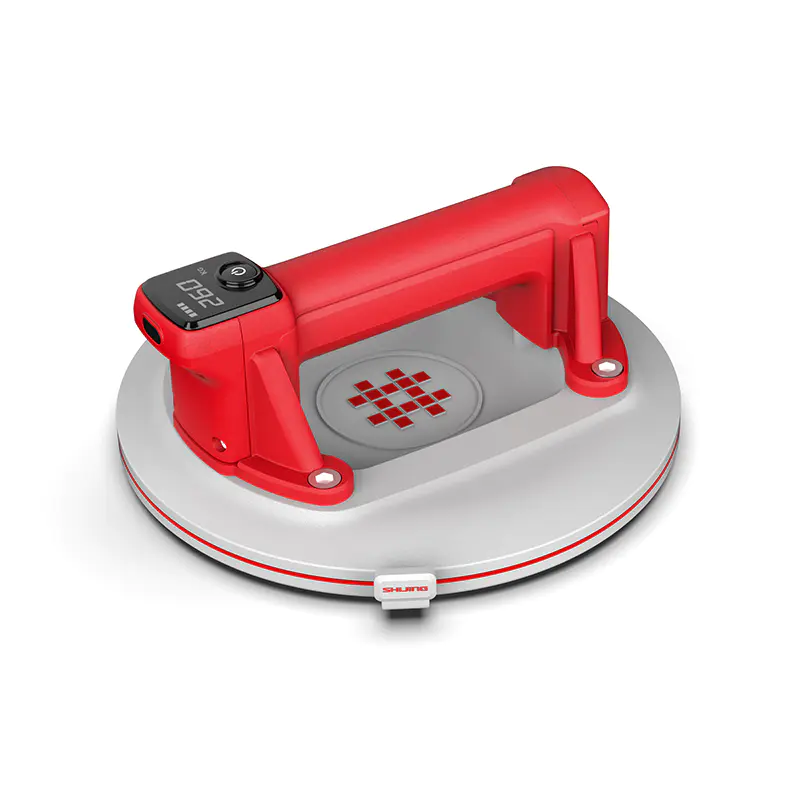
-4.jpg "P621 Angle Suction Cup")