English
 中文简体
中文简体 русский
 Español
 Deutsch
You can learn the recent information of Shijing.


Indoor installation work often looks simple before it starts. A wall seems straight, a floor looks even, and it feels like everything will line up without much effort. But once the actual placement begins, small differences between surfaces start to show up.
That is usually when alignment becomes the part that takes more time than expected.
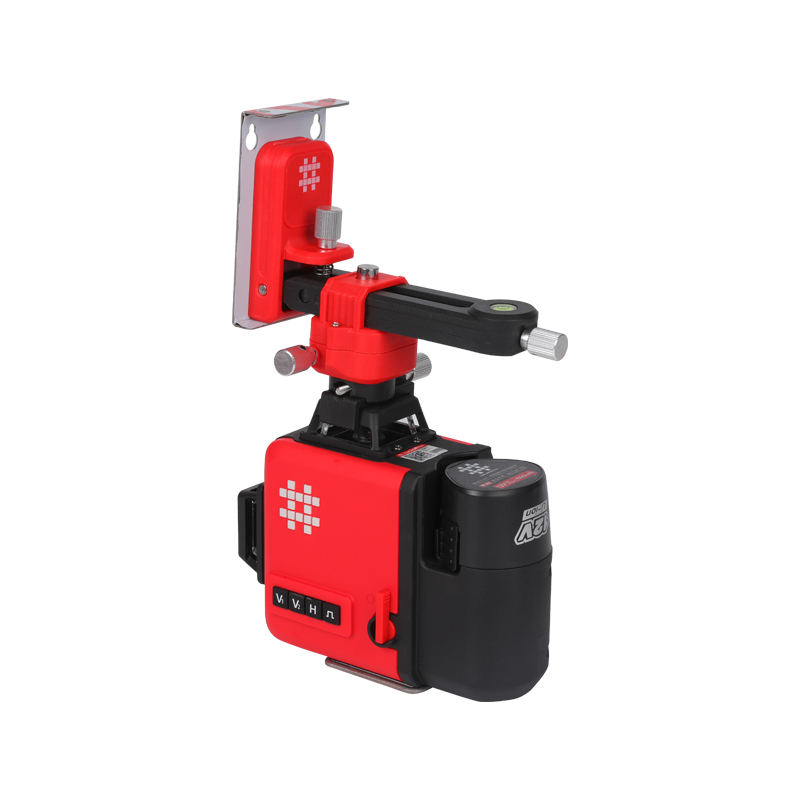
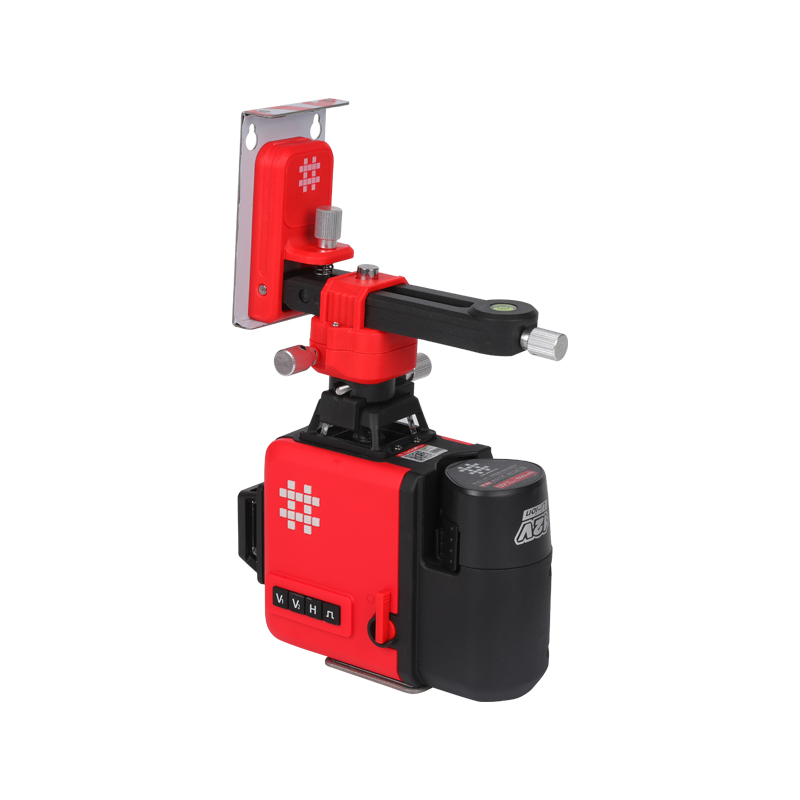
A 12 Lines Laser Level Tool is used in this kind of situation because it turns alignment into something visible. Instead of checking measurements again and again, it puts straight reference lines directly onto the working area so the eye can follow them in real time.
It is less about making work advanced and more about making alignment easier to see while working.
Why indoor alignment often becomes tricky
Rooms are rarely as straight as they appear. Even in new buildings, small shifts in walls or floors are common. These small differences are not obvious at first glance, but they matter once installation begins.
What usually happens in practice is simple:
- A point is measured and marked
- Another point is measured separately
- Then both are checked again
- Small differences appear and need correction
This cycle repeats, especially when multiple surfaces are involved.
The issue is not the skill itself. It is that the eye cannot easily judge long straight lines without a reference.
What changes when laser lines are introduced
A 12 Lines Laser Level Tool projects visible straight lines across walls, floors, and ceilings. These lines stay on the surface while work is happening, which gives a constant reference instead of temporary marks.
In daily use, this changes the workflow in a very direct way:
- Alignment is checked visually instead of repeatedly measured
- Position can be adjusted while looking at the line
- Multiple points can follow the same reference at the same time
- The surface feels easier to read as a whole
It becomes more about following what is already visible rather than rebuilding alignment through repeated steps.
Continuous reference makes things easier to judge
One thing that stands out in real use is that the line does not break into parts. It runs continuously across the surface.
That matters more than it sounds.
When a line is continuous:
- It is easier to see if something is slightly off
- Long distances feel simpler to manage
- Multiple installation points can stay in the same direction
- The brain does not need to connect separate marks
Instead of thinking through measurements, users can simply compare position against what they see.
Wall work becomes more straightforward
Wall installation often involves placing several items in a straight direction. Without a visual guide, each point must be checked separately, which increases small variations between them.
With a laser level line on the wall, the surface becomes one shared guide.
In real work, this usually means:
- Items can follow the same visual path
- Spacing feels more consistent across the wall
- Fewer corrections are needed after placement
- Alignment can be checked without stepping back constantly
The wall stops feeling like separate points and becomes one continuous reference area.
Ceiling work becomes easier to manage
Ceiling installation adds another layer of difficulty because looking upward while measuring is not comfortable or efficient.
A laser line helps by projecting reference paths onto the ceiling so positioning can still be guided visually.
This helps with:
- Keeping ceiling elements aligned in the same direction
- Matching ceiling points with wall layout
- Reducing repeated upward measuring
- Making overhead positioning easier to follow
Instead of guessing positions above, users can rely on visible guidance.
Floor layout becomes more direct
Before installation begins, floor layout usually sets the direction for everything else.
A laser level tool can project straight lines across the floor so spacing and direction can be seen early.
This supports:
- Planning layout before fixing anything
- Adjusting positions before work starts
- Reducing early marking mistakes
- Keeping overall direction consistent
It makes the early stage more visual instead of purely numerical.
Working across multiple surfaces at once
One useful part of this kind of tool is that it does not limit the view to one surface.
Walls, floors, and ceilings can all show reference lines at the same time.
This helps because:
- Different surfaces can be checked together
- Alignment becomes more connected visually
- Less switching between measurement steps is needed
- The whole space feels easier to understand
Instead of treating each surface separately, everything becomes part of one layout.
How repeated measuring gets reduced
Traditional installation often involves repeating the same steps:
measure, mark, check, adjust, and repeat.
This is accurate but slow, and small differences can still appear between steps.
With a laser reference line:
- Position can be adjusted while working
- Alignment is visible instantly
- Rechecking becomes less frequent
- Marking is not needed at every step
The process becomes more visual and less repetitive.
Small differences and how they build up
One of the biggest challenges in installation is not large mistakes, but small repeated shifts.
Each small deviation might not look serious on its own, but across several points it can change the final result.
Laser guidance helps reduce this by:
- Keeping one continuous direction visible
- Allowing corrections immediately during placement
- Reducing dependence on separate marks
- Helping maintain consistency across the full area
It is mainly about preventing small errors from stacking up.
Simple comparison of working styles
| Working style | How alignment is handled | What it feels like in practice |
|---|---|---|
| Manual marking | Separate point checking | More repetition, more back checking |
| Laser reference | Continuous visible line | Easier visual correction |
| Combined method | Measurement plus visual check | More stable and controlled workflow |
The biggest difference is how often users need to stop and recheck.
Indoor lighting and visibility
Lighting inside rooms is not always stable. Some areas are bright, others are dim, and surfaces reflect light differently.
This affects how clearly lines can be seen during work.
When visibility is good:
- Alignment feels easier to follow
- Adjustments are made faster
- Less hesitation during placement
- Work flows more smoothly
When visibility is weaker, users naturally slow down and adjust positioning.
Stability during setup matters more than expected
Even with clear lines, stability still plays a role.
If the tool is not stable:
- The reference line may shift slightly
- Alignment decisions may need rechecking
- Work becomes less consistent
A steady setup helps keep everything reliable during the whole process.
Adjustments can be made while working
One practical benefit is that changes can be made immediately.
Instead of finishing a full measurement cycle first, users can:
- Move the tool slightly
- See how the line changes right away
- Correct alignment on the spot
- Continue without stopping too long
This keeps the workflow moving.
Habits that influence results
Even with a laser level tool, results still depend on how it is used.
Common issues include:
- Placing it on unstable surfaces
- Ignoring visual feedback
- Not rechecking during longer work
- Relying only on the first setup
Simple attention during use often improves consistency more than expected.
When the benefit becomes clearer
The improvement is noticeable when:
- Several points must align in one direction
- Large indoor areas are involved
- Multiple surfaces connect in one layout
- Repeated installation steps are required
In these cases, visual reference saves more time and reduces repeated checking.
A 12 Lines Laser Level Tool improves indoor installation accuracy mainly by making alignment visible during the actual work process.
Instead of relying only on repeated measuring and marking, it gives a continuous visual line that can be followed in real time.
This reduces small accumulated errors, makes alignment easier to judge, and helps keep installation work more consistent across walls, floors, and ceilings.
It does not replace skill or experience. It simply reduces how often users need to guess alignment, making the whole process more direct and easier to control while working.