English
 中文简体
中文简体 русский
 Español
 Deutsch
You can learn the recent information of Shijing.

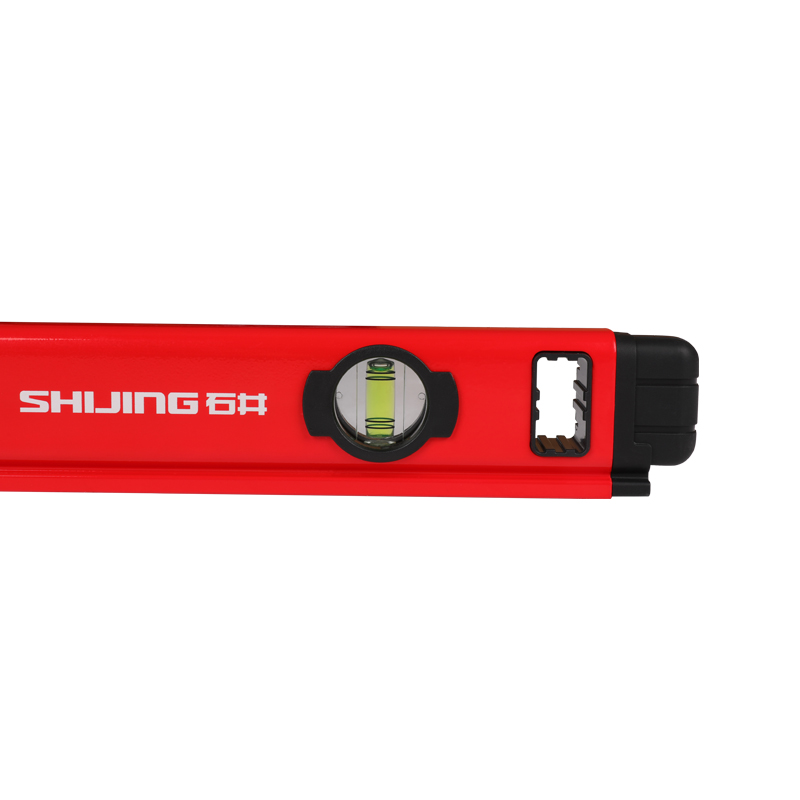
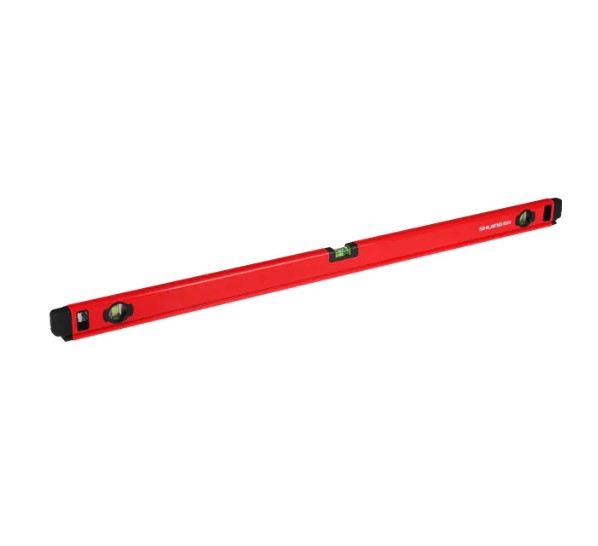
People work on all sorts of projects at home and on job sites. They put up walls, install cabinets, or fix floors. An aluminium spirit level ruler gives clear guidance so surfaces end up even and straight. The tool features a long frame made from aluminium with vials built into it. Each vial holds liquid plus a small air bubble that moves as the surface changes.
Basic Idea Behind the Tool
The bubble reacts to gravity. When the surface sits flat, the bubble rests right in the middle of the marked lines inside the vial. One vial usually checks horizontal lines. Another checks vertical lines, sometimes called plumb. Users place the ruler against the material and watch where the bubble stops. This quick look shows if adjustments are needed.
Aluminium as Frame Material
Aluminium keeps the tool fairly light, which helps during long workdays. The frame holds its shape when pressed against wood, concrete, or metal. It also cleans up easily after dusty jobs or contact with mortar. Many trades carry aluminium versions because the material stands up to normal handling without rusting like some other options might.
Everyday Home Uses
- Hanging shelves or pictures often leads to crooked results without a check. The ruler goes across the area to show if brackets line up. A small shift brings the bubble to center, and the item sits straight.
- Kitchen counters need flat surfaces so toasters or mixers do not rock. Users run the tool along different sections and add thin supports under low spots until the readings match.
- In bathrooms, floor tiles stay in neat rows when each line gets a quick pass with the ruler. Shower walls remain plumb so panels close tight and water stays inside.
Work Outside the House
- Deck builders check joists before laying boards down. The surface feels steady underfoot when the bubble centers in several places.
- Fence posts stand upright after the vertical vial confirms the position.
- Patio stones drain water properly when they sit even across the whole area.
On Professional Job Sites
- Framers check wall studs to keep structures square.
- Masons look across brick courses for even layers.
- Plumbers run pipes with the right slope, and electricians align conduit. The tool travels between crews because it works for different materials and tasks.
Common Applications:
Here are some typical situations where the ruler comes into play:
- Setting cabinet heights so doors close smoothly
- Aligning door frames to stop sticking or gaps
- Laying tile with uniform grout lines
- Checking deck boards for a solid walking surface
- Installing shelves that hold items without sliding
- Verifying fence posts for straight lines over distance
Step-by-Step Way to Use It
- Start by cleaning both the ruler and the surface. Dust or dried material can lift one end and throw off the reading.
- Place the ruler flat so full contact happens along the edge. View the bubble at eye level for the clearest view.
- If the bubble sits off to one side, make small changes to the material until it centers.
- On longer surfaces, move the ruler to a few different spots and repeat the check.
- For vertical readings, hold the tool against the side and adjust until the bubble in that vial centers.
- After the work feels right, double-check the same spot by flipping the ruler end to end. The bubble should show the same position if everything lines up correctly.
Why These Checks Make a Difference
A surface that slopes just a little can cause doors to swing open on their own or chairs to wobble. Floors that dip in one area make walking feel uneven. Early checks catch these issues before the project finishes. Adjustments at that stage save time and keep the final result looking neat and working well for years.
How to Check If the Tool Stays Accurate
Place the ruler on a flat table or against a straight wall and note the bubble position. Mark the ends lightly. Flip the ruler 180 degrees and line it up with the same marks. The bubble should return to the same spot. If it does not, the tool may need attention or replacement. This simple test takes only a minute and helps avoid problems later.
Taking Care of the Ruler
- Wipe the frame and vials after each use to remove dirt or mortar.
- Store the tool flat or hanging from the hole at one end so the frame does not bend over time.
- Keep it away from extreme heat that could affect the liquid inside the vials.
- A quick cleaning and proper storage help the tool stay ready for the next job.
Other Places the Tool Shows Up
- Woodworkers check table legs for matching heights so the top sits steady.
- Metal shops align frames before welding.
- Photographers set platforms for steady camera work.
- Labs use it on tables that hold sensitive equipment.
- During full house renovations, the ruler checks subfloors first, then walls as they go up, and finally trim pieces for tight fits.
- Backyard sheds get the same attention so bases sit even and roofs stay consistent.
- Office fit-outs rely on level floors for furniture and raised panels.
- Retail spaces use the tool so shelves look organized and products stay in place.
Common Things to Watch Out For
- Dirt on the edge prevents full contact and gives false readings. Always clean before use.
- Dropping the tool can shift the vials, so handle it with care during transport.
- Temperature changes sometimes affect the liquid slightly, though most vials handle normal site conditions well.
- Using a short ruler on a very long surface may miss gradual slopes, so longer versions help on bigger spans.
Pairing With Other Tools
- Tape measures give lengths while the spirit level adds the evenness check.
- Squares confirm corners. Together they create complete guidance for many tasks without complicated setups. No batteries or apps are required. The bubble provides direct feedback right away.
Weekend projects around the house often turn out better with this tool nearby. One straight shelf or even countertop improves daily use and appearance. Professionals include it in their standard kit because it supports accurate work across many trades and locations. The aluminium spirit level ruler continues to serve in homes, workshops, and construction settings. Its frame and vials offer straightforward guidance for level and plumb checks. Projects gain from the clear readings and simple operation that fit both occasional users and daily crews.
.jpg "7859F 12 (3D) Lines Laser")
.jpg "9510-2700mm Electric Cutter For Porcelain Slab With 3380mm Rail")

.jpg "8111 Mobile Knee Pads")