English
 中文简体
中文简体 русский
 Español
 Deutsch
You can learn the recent information of Shijing.
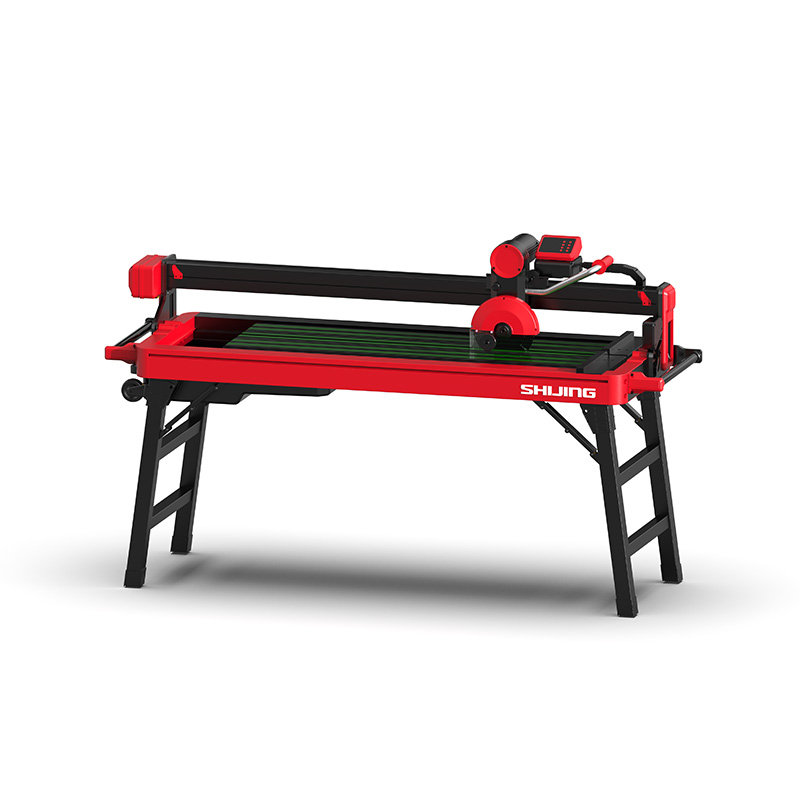
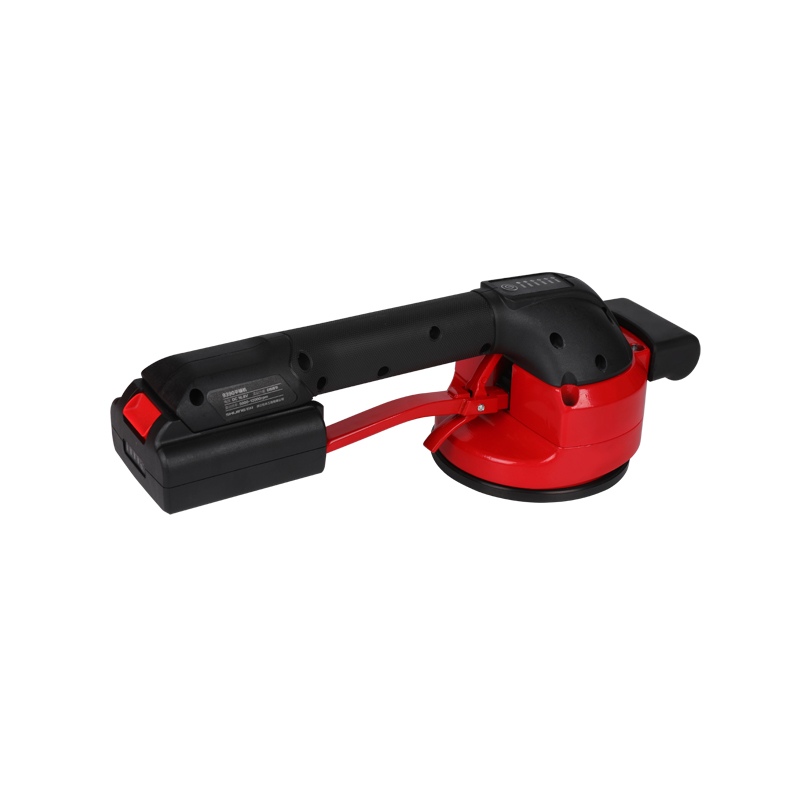

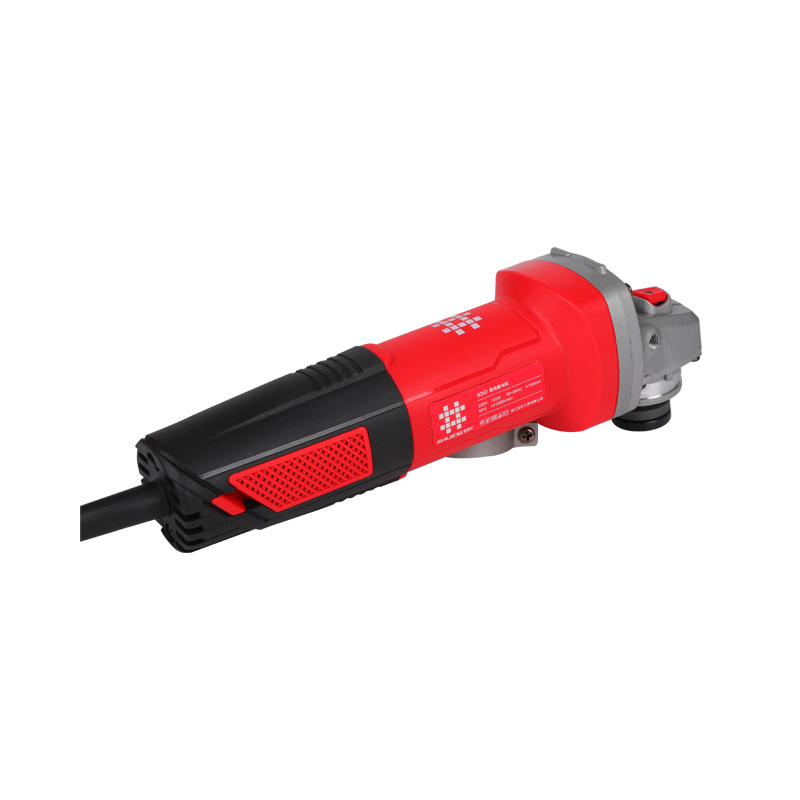
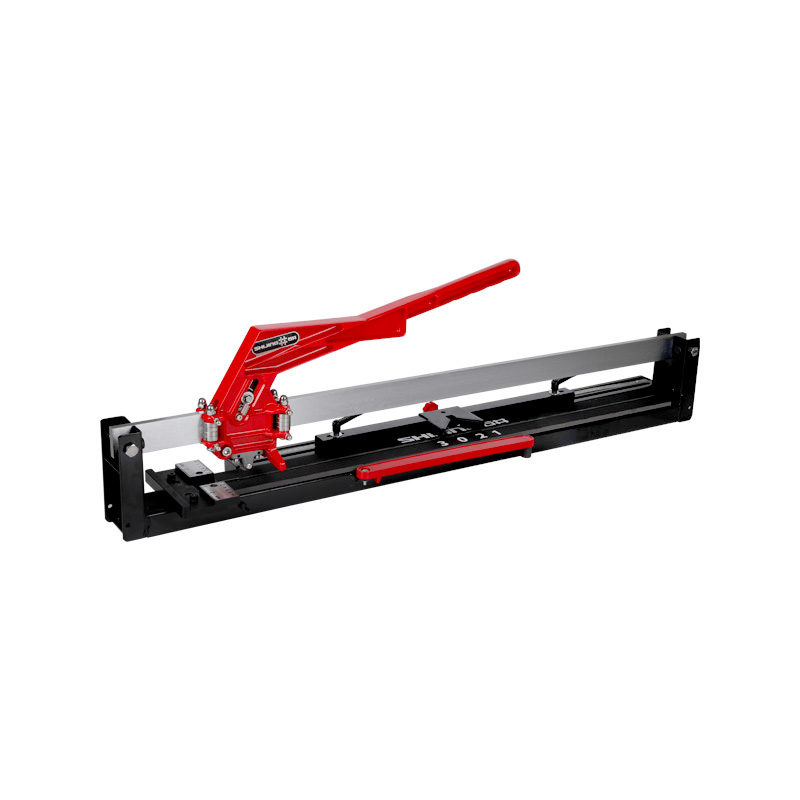
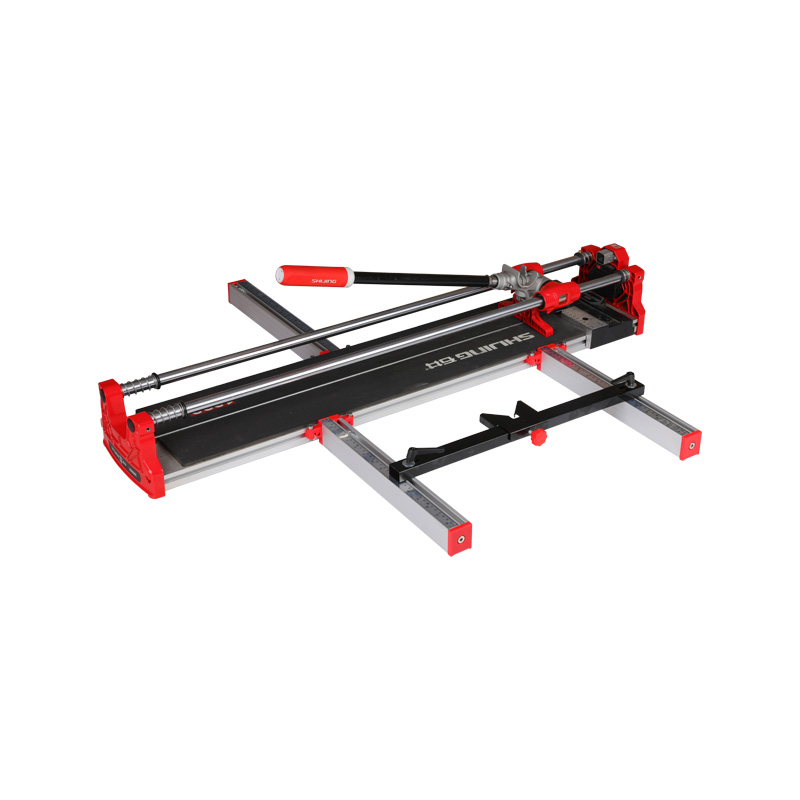
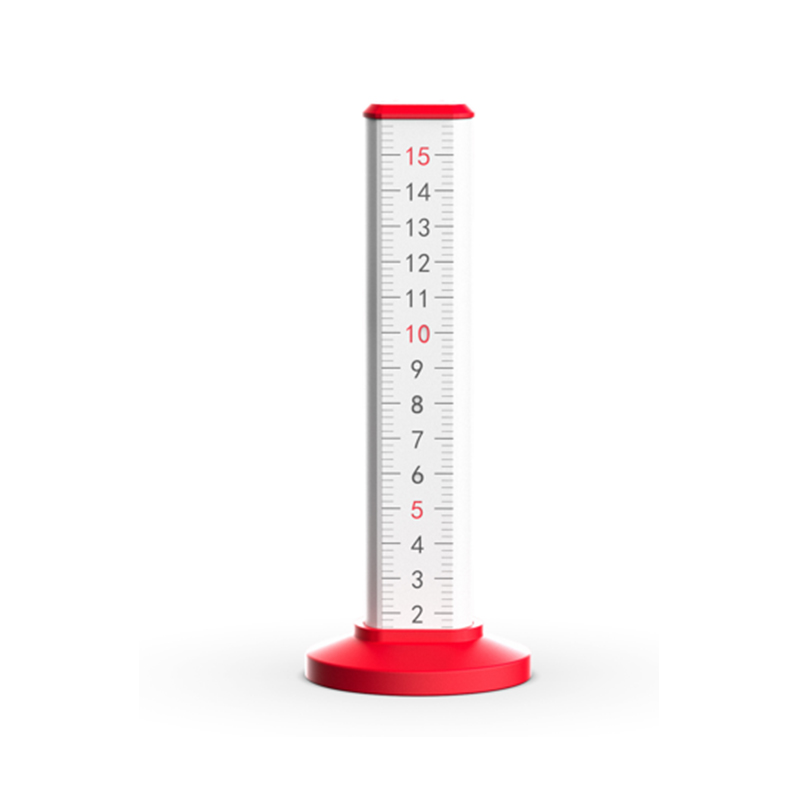
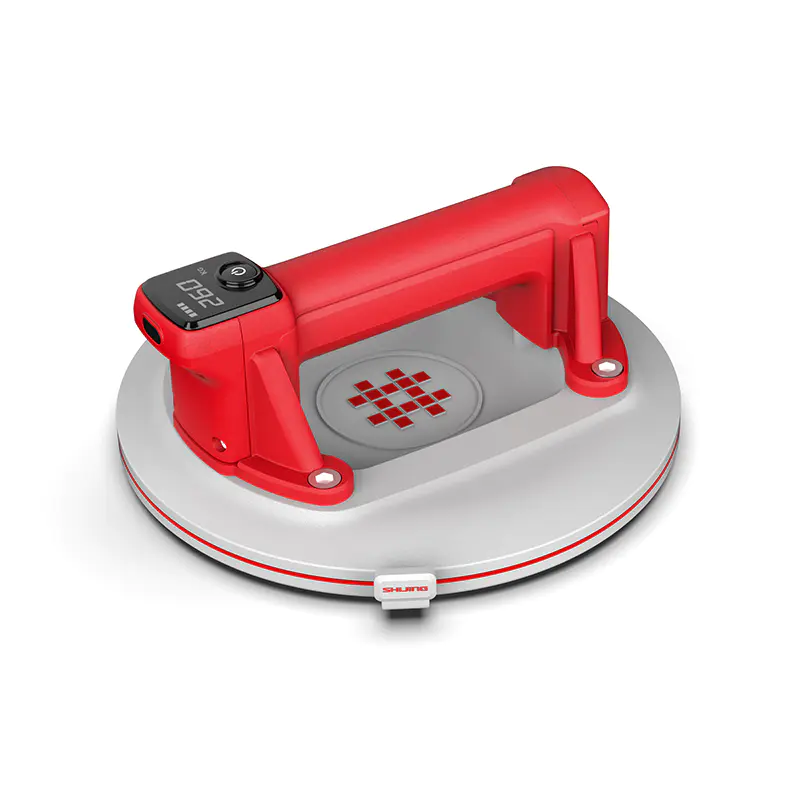
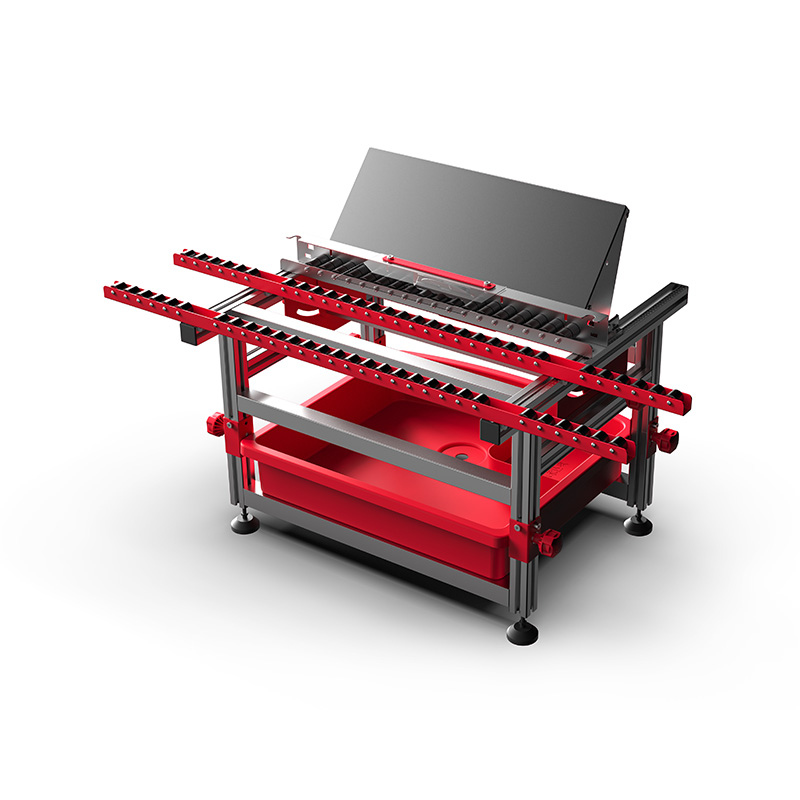
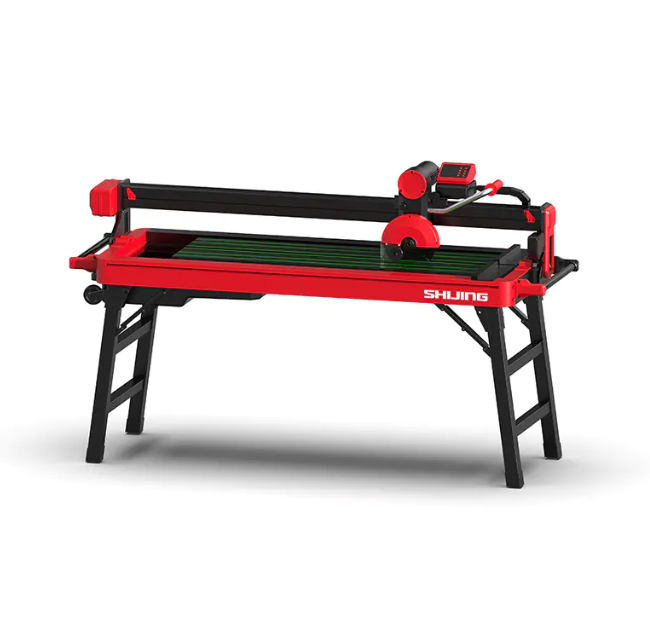
Electric Cutting Machines Manufacturers: How Workshops Pick the Right Gear, Get Ready to Buy, Keep Things Running, Match It to the Job, Choose Size and Type, and Find Good Support
Electric Cutting Machines Manufacturers hear the same questions week after week from people running workshops. They want honest advice on how to pick equipment for cutting and shaping materials, what to check before they order, how to look after it so it doesn't break down at the wrong time, why some setups work better in certain shops, which size or style actually fits their daily work, and where to find producers who don't disappear after the sale.
I've talked to owners of small custom shops and bigger fabrication places, and these six topics keep coming up. So I put them together here — nothing fancy, just the kind of practical stuff we discuss on calls and shop visits. Workshops are all different, but the basics tend to help many folks keep things moving smoother.
How to Choose the Right Equipment from Electric Cutting Machines Manufacturers
When shops contact Electric Cutting Machines Manufacturers, the conversation usually starts with what they actually do every day. I always suggest they make a quick list of the main materials that come through — how thick, how long, and how much volume on busy days. That simple step helps steer toward equipment that fits real needs instead of something that needs constant fiddling.
Producers who take the time to listen can share what they've seen in other workshops. Ask about how the gear is put together and what goes into the key parts. A lot of shops get themselves in trouble by picking something too heavy for occasional work or too light when they have steady runs. Measure your floor space and check the power outlets before you even start comparing options. It saves a lot of hassle later.
Safety bits like guards and quick-stop switches matter too. When Electric Cutting Machines Manufacturers give you examples from shops doing similar work, it gets easier to picture how it will actually feel in your space. At the end of the day, you want equipment that slips into your routine instead of creating extra steps or surprise downtime.
What You Need to Know Before Buying from Electric Cutting Machines Manufacturers
Before you pull the trigger and buy from Electric Cutting Machines Manufacturers, there are a few things worth checking so the whole thing goes smoother. First, look at the electrical setup you already have — voltage and circuit capacity. Mismatches mean extra wiring work after the unit shows up, and nobody wants that.
Budget conversations usually mix the initial price with longer-term stuff like how easy it is to get parts and what routine service looks like. Producers can tell you about common accessories and which ones actually help with day-to-day tasks without making things more complicated. Delivery timing and how the equipment is packed also come up, especially if you're in a spot that needs careful handling during transport.
It pays to write down a few questions ahead of time. Ask about basic setup help, operating notes, and how replacement parts are handled down the road. Many folks also want to know about service response and any training materials that come with the unit. These talks cut down on surprises and help the equipment start earning its keep sooner. Some shops even plan where to store accessories before it arrives so the workspace doesn't turn into a mess from day one.
Tips for Maintaining Equipment in Your Workshop
Looking after the equipment is about getting into simple daily habits instead of waiting for big problems. After every shift, I tell people to wipe down the work surface and clear away dust or scraps around the moving parts. It doesn't take long, but it really cuts down on buildup on the guides and feed system over time.
Once a week, take a few minutes to check the cutting parts for wear and make sure clamps and guards are still tight. Lubrication spots usually just need a light touch — follow whatever general guidance the producer gives so things keep moving smoothly without leaving residue everywhere. Some workshops keep a simple notebook or whiteboard to track these checks. It helps spot small patterns before they turn into real headaches.
Every now and then you might hear an odd noise or feel the unit getting warmer than usual during longer runs. When that happens, let it cool down and check alignment or tension. A deeper look at connections and cords every couple of months adds another safety layer. Producers often recommend keeping a small kit of the many common spares on hand so you can swap things quickly without stopping the whole workflow.
Getting the whole team on the same page with these habits makes a big difference. When everyone does things the same way, the equipment usually runs more consistently. And a simple rule like keeping materials stored away from the unit when it's not in use helps avoid accidental knocks and keeps the area cleaner.
Why Equipment from Electric Cutting Machines Manufacturers Suits Different Workshop Needs
Equipment from Electric Cutting Machines Manufacturers ends up working in all kinds of workshops because the setups can adjust to different materials and daily volumes. Small custom shops often use them for careful work on shorter pieces without needing a lot of floor space. Busier places rely on them for repeated jobs that need steady guidance.
Different trades use the equipment in ways that match what they cut much. Metal shops might trim sheets, while panel or wood areas focus on sizing. The smart part is picking a configuration that lines up with your main work instead of trying to make one machine do everything. I've talked to plenty of owners who started with one style and added another later when their workload grew. It shows how the gear can grow with the shop.
The basic design makes it easy to place in different layouts and pair with whatever tables or handling aids you already have. Shops with just a couple of people like setups that let one operator handle the whole sequence without rushing. Places running multiple shifts look for durability that holds up to repeated use. In the end, these systems usually support the flow your shop already has instead of forcing you into someone else's way of working.
Which Size and Type of Equipment Fits Your Separation Projects
Figuring out the right size and type of equipment for your separation projects comes down to the actual materials you handle. Compact bench or portable versions often work fine for shorter pieces or jobs that only come up now and then. Stationary units with longer support surfaces are better when you're dealing with stock that needs backing along its full length.
The type usually follows how your shop likes to cut. Some operators prefer guided straight paths for clean uniform edges. Others need more flexibility for angles or curves depending on the designs they're working with. Thickness ranges and the finish you need after the cut play a big part in the decision too. Workshops that cut several different kinds of material sometimes keep two setups around so they don't have to switch back and forth all the time.
A good way to test the fit is to look back at a few recent jobs and note how much time went into setup and actual cutting. That review often shows whether your current gear is keeping up or if a change in size or type would make things easier. Producers can share general observations from other shops doing similar work to help you picture the difference without jumping into anything too fast.
Where to Find Electric Cutting Machines Manufacturers for Quality Support
Finding Electric Cutting Machines Manufacturers who actually provide ongoing support usually starts with industry listings or just reaching out directly to suppliers. Many workshops begin by asking for information on what's available and how service works, then narrow it down based on how clear and quick the answers are.
Good support shows up in simple ways. Producers who answer questions about installation, give clear operating notes, and explain how parts are supplied tend to stick around longer with their customers. Some shops set up calls or reviews to see how the unit would fit their layout before deciding. Direct talk also helps set realistic expectations about how fast service responses will be.
Working straight with producers has advantages that last beyond the purchase. Updates on maintenance or small improvements can reach shops that keep in touch. A lot of owners find that buying multiple units from the same place makes ordering and follow-up simpler over the years. When you're comparing options, asking about typical service times and whether they keep common accessories in stock gives you a feel for the kind of partnership you're getting.
A Few Extra Things I've Learned from Workshops
A couple of other practices tend to make a real difference with this kind of equipment. Preparing your material with straight edges and clean surfaces reduces strain while cutting. Good lighting around the work area and clear marks for cut lines help accuracy without extra fuss.
Safety habits never go out of style. Shops that go over basic procedures with new people and keep simple reminders posted nearby usually have fewer surprises. Decent airflow in the cutting area helps clear dust and keeps things comfortable when you're running longer sessions.
Many workshops also think ahead about growth. They pick equipment that can take add-on parts later instead of needing a full replacement. It keeps costs reasonable while leaving room for the work to change over time.
Equipment for material separation still plays a steady role in workshops of all sizes. The six topics we covered — selection from Electric Cutting Machines Manufacturers, preparation before buying, maintenance habits, why it suits different needs, size and type matching, and finding producers for support — are the ones that come up much in real shop conversations. Each section gives you practical steps you can actually use.
As producers, we share this kind of information because it helps workshops plan better and keep daily work running without avoidable stops. Have a look at your current setup and see how it lines up with these points. Reach out when you're thinking about new gear or making changes to what you already have. Matching equipment to your real daily needs usually leads to quieter, more reliable days in the long run.
The details here are meant as a useful starting point for anyone looking at separation equipment or wanting to improve how they use what they already have. Workshops that combine careful planning with regular care and decent support tend to keep consistent output going for a long time. If anything here raises more questions, just contact producers directly — it's usually the quickest way to talk about the specifics of your workspace.
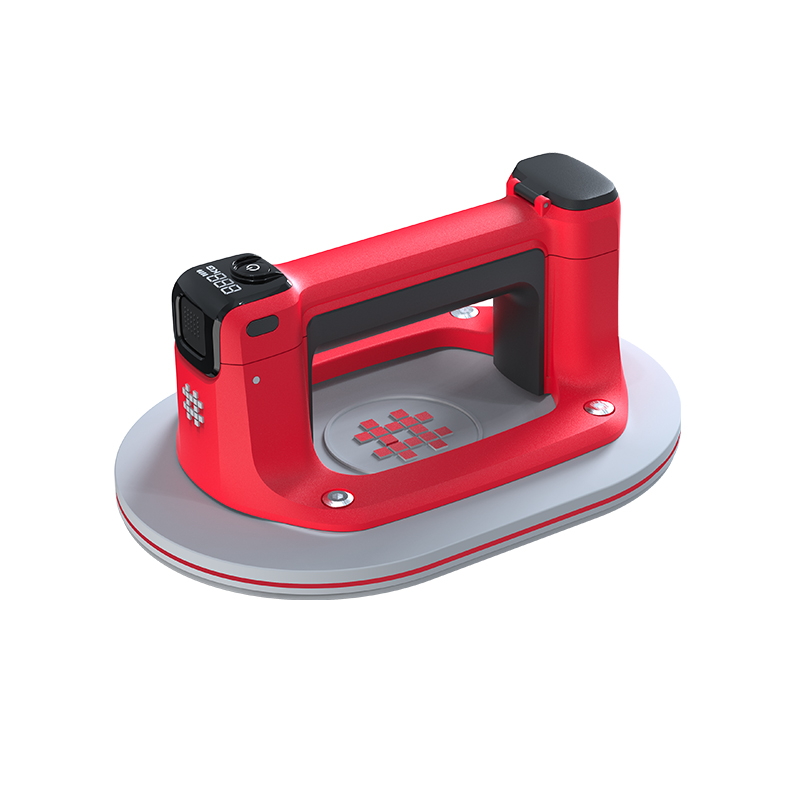
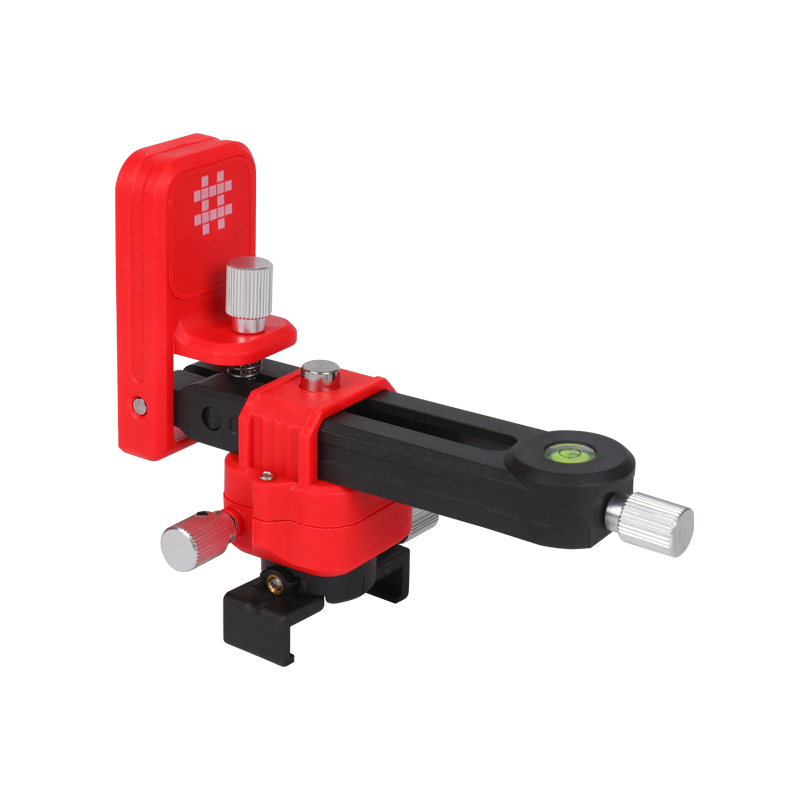
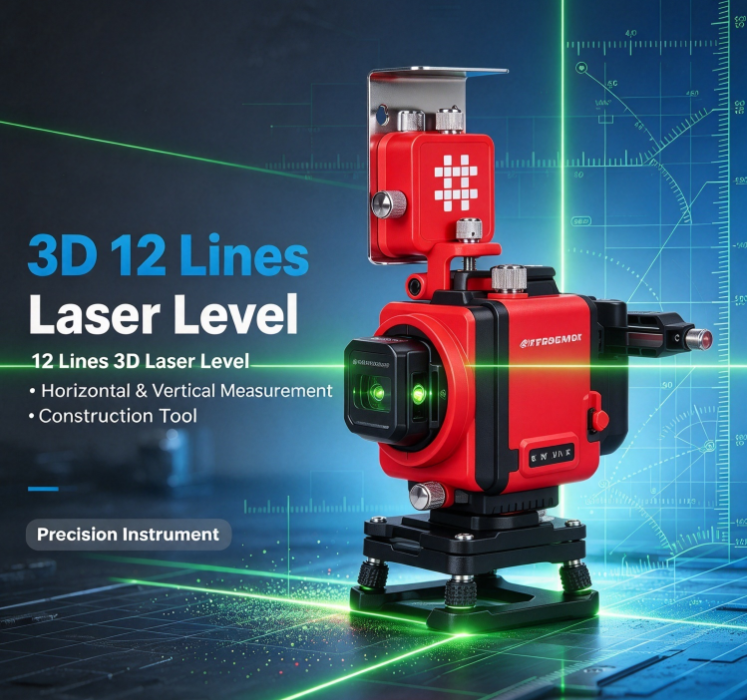
.jpg "7859F 12 (3D) Lines Laser")
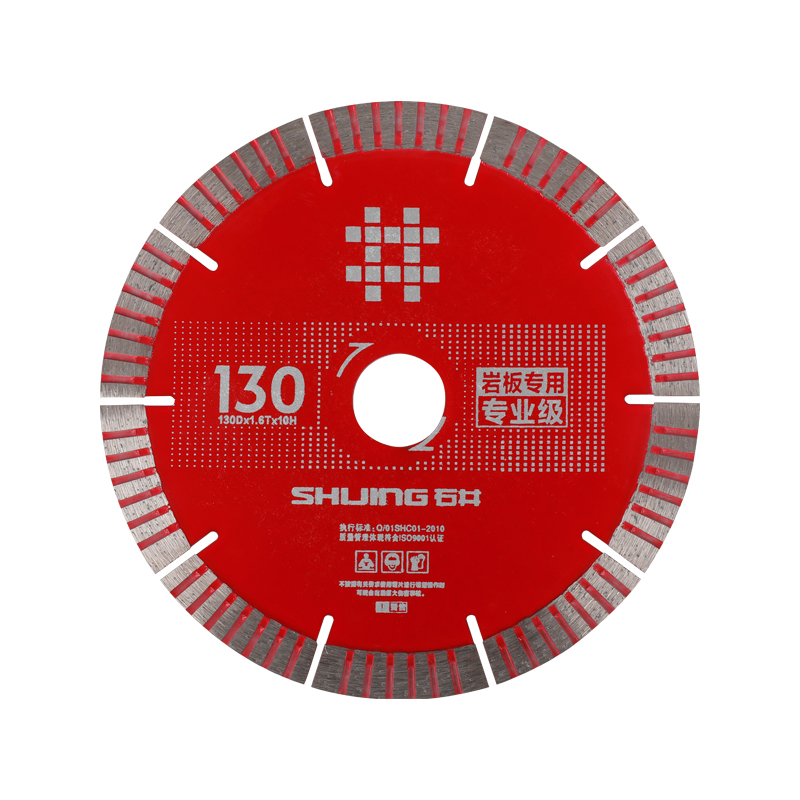
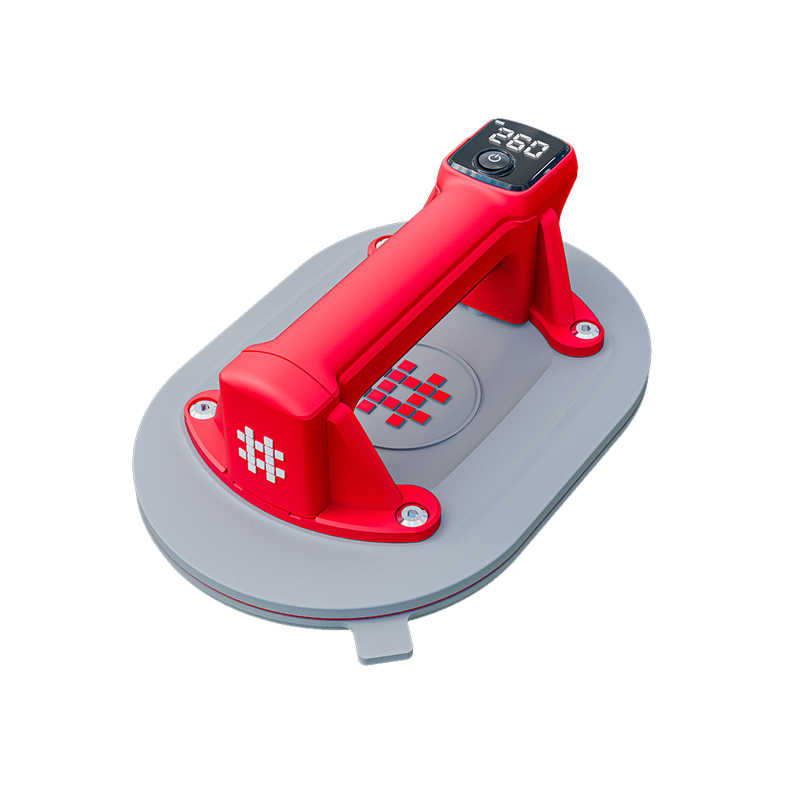
-3.jpg "P620 Suction Cup With 2 Jaw")