English
 中文简体
中文简体 русский
 Español
 Deutsch
You can learn the recent information of Shijing.
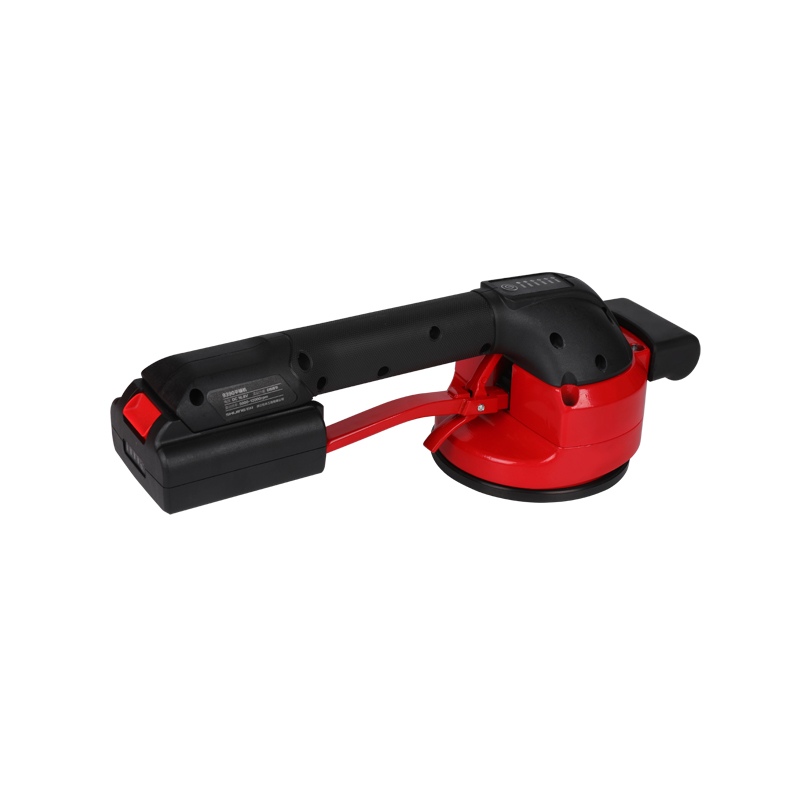

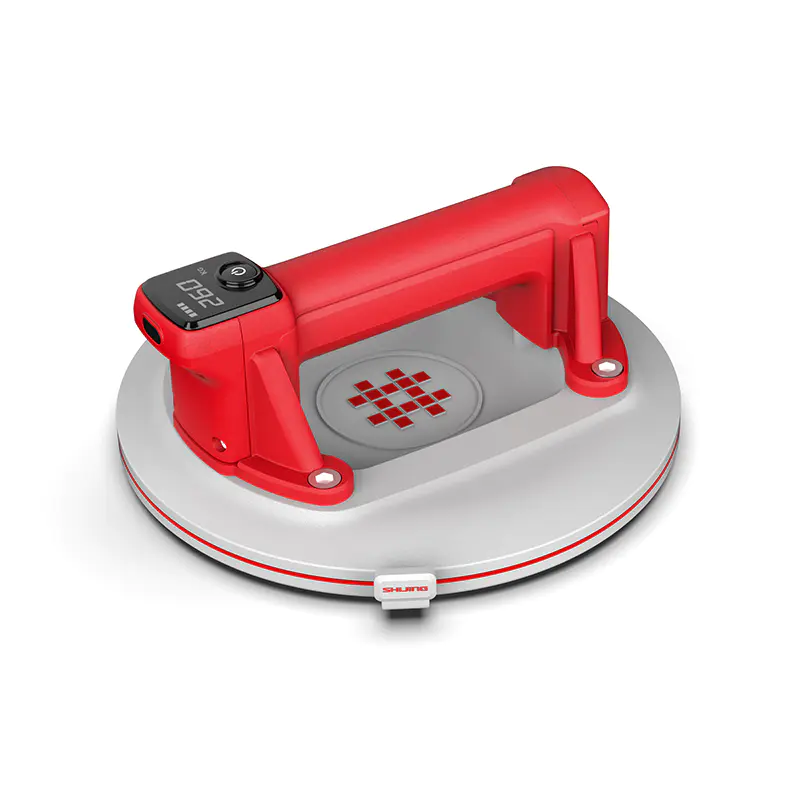
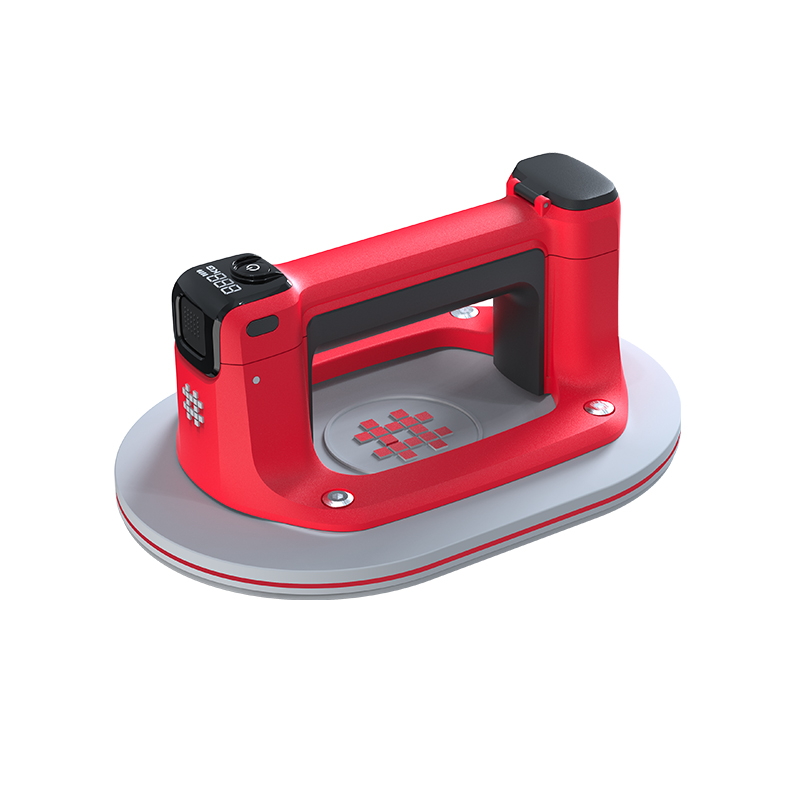
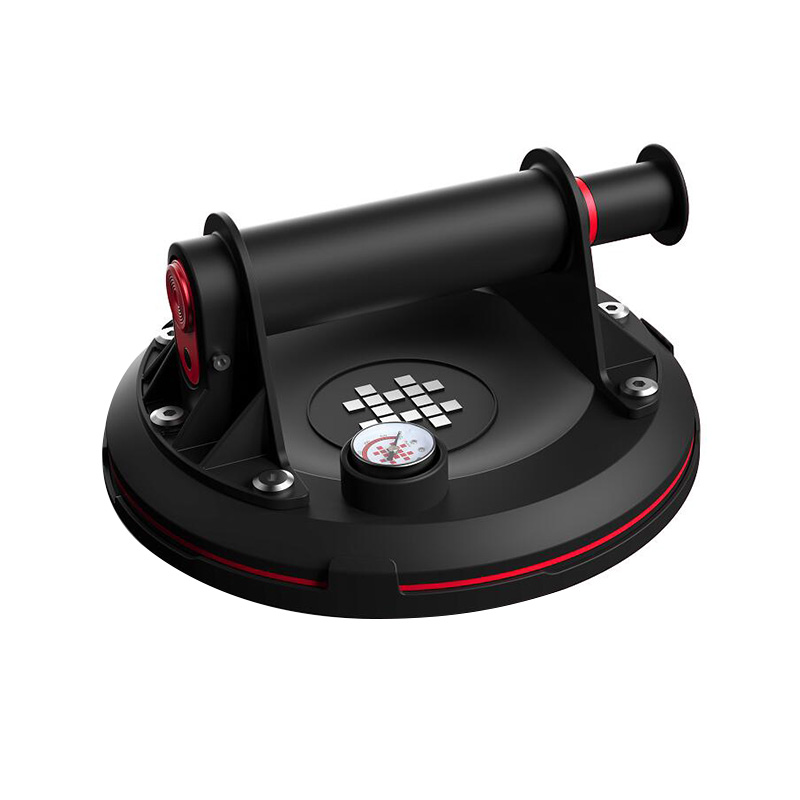
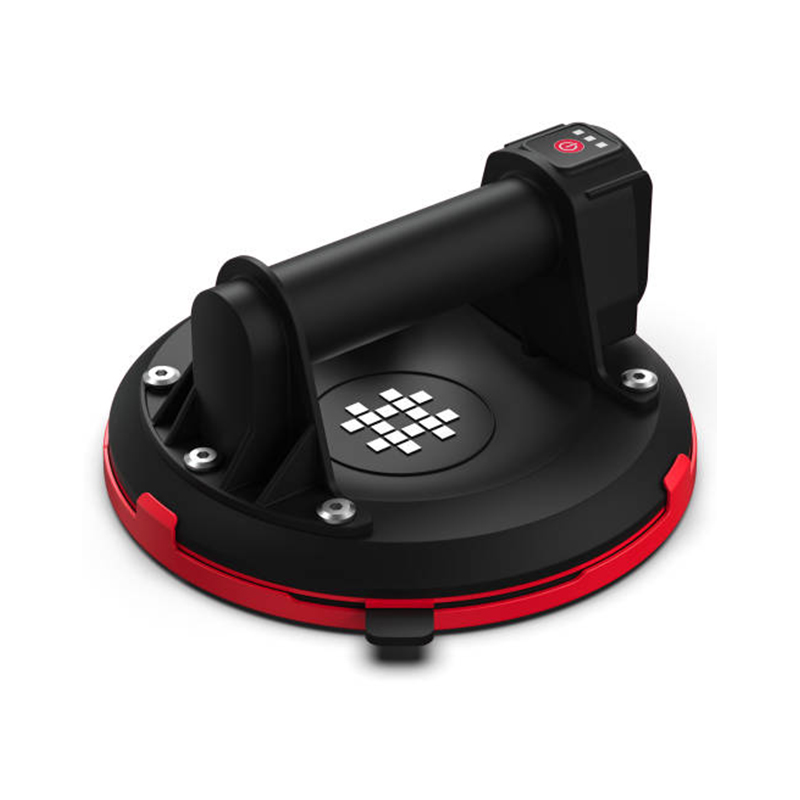
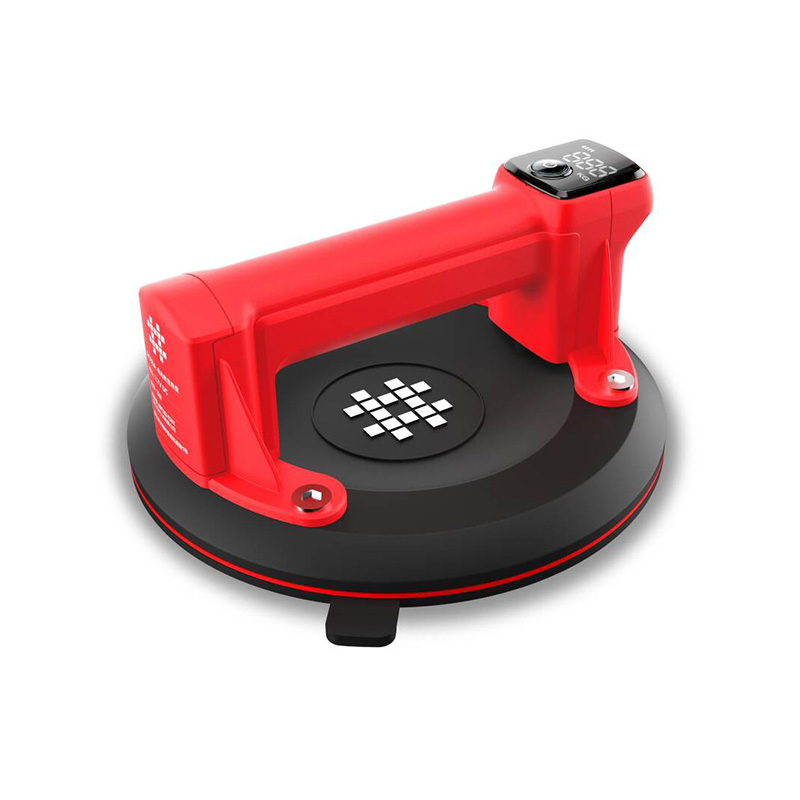
A vacuum suction cup is a simple mechanical assisting tool used in glass handling, installation work, and workshop transfer operations. It attaches to smooth, non-porous surfaces by removing air between the contact interface, creating a pressure difference that allows the glass to be held during lifting or movement. In practical work, it is not treated as a complex device, but more like a stable connection point that helps reduce the uncertainty of manual handling.
Anyone who has worked with glass for a while knows the material behaves differently from most construction materials. It does not bend, it does not absorb force gradually, and once something starts to shift, there is usually very little time to correct it. That is why most handling problems are not dramatic accidents at the beginning, but small instability moments during movement.
Where the real difficulty usually comes from
Glass handling issues rarely come from one obvious mistake. It is usually a combination of small factors happening at the same time.
- A slight imbalance when lifting
- A small delay between two operators
- A surface that looks clean but slightly reduces friction
- A panel that is larger than expected, affecting visibility and control
What changes when suction contact is introduced
When a vacuum suction cup is used, the handling behavior shifts in a very practical way. Instead of holding the glass by its edge or trying to support it from underneath, the force is transferred to a surface contact point.
This sounds simple, but in actual work it changes how people move the material. The glass feels less like something that needs to be "gripped" and more like something that can be guided. The movement becomes less dependent on continuous hand force and more dependent on positioning.
Workers often notice that the panel reacts more evenly during movement. Not faster, not lighter, just more predictable.
Safety improvements that show up in daily work
One of the most noticeable differences is hand positioning. Without suction tools, hands naturally move close to edges, especially when adjusting direction or correcting balance. That is usually where small injuries or slips happen.
With suction-based handling, the grip point shifts to a handle or frame connected to the tool. Hands stay away from the edge area without requiring constant attention. Over time, this reduces unnecessary exposure during repetitive tasks.
Another point is surface stability. Glass is sensitive to small environmental changes like dust or slight moisture. Manual grip depends heavily on friction, and friction is not always consistent in real environments.
Vacuum contact behaves differently. Once it is properly attached, the holding condition tends to remain steady unless the surface condition changes. This makes the process feel more controlled during transport.
Large panels also behave differently when suction points are distributed. Instead of force concentrating on one edge or corner, the load spreads across multiple points. In practice, this reduces twisting or uneven movement when the panel is being carried or adjusted.
It does not eliminate movement issues completely, but it reduces sudden shifts that usually require quick correction.
Physical strain is another quiet factor
This part is easy to ignore in short tasks, but very noticeable in long shifts. Holding glass manually requires continuous tension in the hands and arms. Even when the panel is stable, the grip cannot fully relax.
With suction-assisted handling, that constant gripping pressure is reduced. The operator is still controlling the material, but not through continuous force. Over time, this reduces fatigue buildup and helps maintain steadier movements across repeated operations.
Team handling becomes less dependent on "feel"
When two or more people handle glass together, coordination is often based on experience and verbal timing. That works, but it also leaves room for mismatch.
Suction tools create fixed handling positions. Instead of adjusting grip based on feel, each person has a defined point of control. Movement becomes more synchronized by structure rather than constant communication.
It does not remove coordination needs, but it reduces small timing differences that usually cause imbalance.
A simple comparison in real conditions
| Situation | Manual handling | Suction-assisted handling |
|---|---|---|
| Start of lift | Requires careful balance | More stable from the start |
| Movement | Adjustments often needed | More continuous motion |
| Edge exposure | Frequent | Reduced |
| Long operation | Fatigue builds faster | More consistent handling |
| Team work | Depends on coordination | More structured |
Where it is commonly used
In construction environments, especially façade or large panel installation, glass often needs to be positioned in limited space or at height. Once the panel is in position, correction options are limited, so stability during movement matters more than speed.
In interior work, such as partitions or decorative glass, precision becomes more important. Small adjustments are common, and a stable grip reduces repeated lifting.
In workshops, glass is moved between different processing stages. Repetition is the main factor here, and consistency in handling method helps reduce variation between operators.
Things that still matter in real use
Even with suction tools, a few basic conditions still decide how stable the operation feels.
The surface needs to be reasonably clean. Dust or residue can affect sealing.
The tool itself needs periodic checking, especially sealing parts.
The number of suction points should match the size of the panel.
Movement should still stay controlled, not rushed.
Most handling issues in practice come from skipping these basics rather than tool limitation.
Maintenance is simple but often ignored
In real environments, maintenance is not complicated, but it is easy to overlook. Cleaning after use, keeping the contact surface in good condition, and checking wear over time are usually enough to maintain consistent performance.
Problems rarely appear suddenly. They tend to build slowly when small checks are skipped repeatedly.
Why this tool is used more now
Glass sizes have increased in many applications, and installation environments are less forgiving than before. That alone changes how handling needs to be approached.
Instead of relying purely on strength or experience, more teams are moving toward tools that make the process more predictable. Not necessarily faster, but more controlled.
Vacuum suction cup fits into that shift because it reduces variation during handling. It does not change the material, but it changes how consistently it can be moved.
.jpg "1320 Level Ruler")