English
 中文简体
中文简体 русский
 Español
 Deutsch
You can learn the recent information of Shijing.
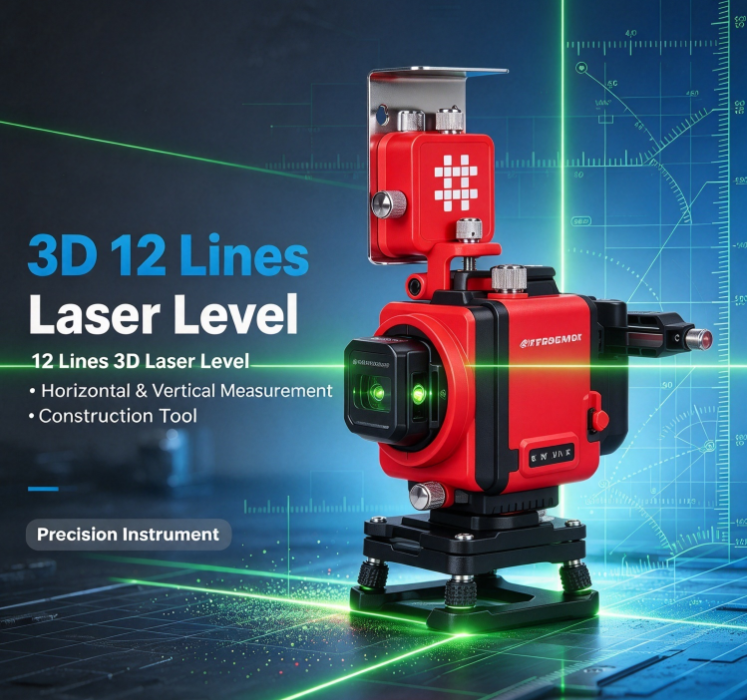

When someone starts looking for a 12 Lines Laser Level Tool, the first feeling is usually that the options all look quite similar. They all project lines, they all help with alignment, and at a glance they seem interchangeable.
But once you think about real working situations like renovation, installation, or layout marking, the differences start to matter. A small detail in setup or visibility can change how smooth the job feels.
So instead of treating this as a quick purchase decision, it makes more sense to slow down a bit and look at how the tool behaves in real use.
What the tool is actually used for in daily work
A 12 Lines Laser Level Tool is mainly used to project multiple straight reference lines across surfaces. These lines help guide positioning when physical marking is not convenient or when precision alignment is needed.
In normal work environments, it is often used for:
- Wall alignment during installation work
- Ceiling reference marking for fixtures
- Floor layout guidance before fixing materials
- Cabinet or frame positioning during setup
The idea is not to replace skill, but to make alignment easier to follow visually instead of relying only on manual measurement.
Why visibility matters more than people expect
One thing that only becomes obvious during actual use is visibility.
On paper, laser lines are always visible. In reality, working environments change everything.
Lighting conditions, surface reflections, and distance all affect how easy it is to see the lines.
Things worth paying attention to include:
- Whether the lines remain clear in bright indoor light
- Whether they are still readable when the distance increases
- Whether they stay visible on different wall surfaces
- Whether the line edges feel stable or slightly fading
If visibility is weak, users tend to recheck positions again and again, which slows down the workflow.
Stability during setup and operation
Stability is something that does not feel important until it becomes a problem.
A stable 12 Lines Laser Level Tool keeps its projected lines steady after setup. If the tool shifts slightly during use, even small movements can affect alignment.
In practical use, stability can be observed through:
- Whether the line stays fixed after positioning
- Whether vibration affects the projection
- Whether repositioning is needed often
- Whether the base feels steady on different surfaces
A stable setup usually means fewer corrections later.
Ease of getting started without confusion
On a job site, nobody wants to spend time figuring out how a tool works.
That is why setup experience matters a lot more than people expect.
A practical tool usually allows:
- Simple leveling process without many steps
- Clear control layout that does not require guessing
- Quick start without long preparation
- Easy adjustment when position changes
If setup feels complicated, it often slows down the entire working rhythm.
How well it fits different working environments
Not all job sites are clean or controlled. Some are bright, some are dusty, some have uneven surfaces.
So the tool needs to adapt instead of being limited to one condition.
Things to think about include:
- Does it still work clearly in different lighting
- Can it handle dusty or rough environments
- Does it stay consistent when the surface is not perfect
- Is it easy to reposition when needed
The more flexible it is, the easier it becomes to use in different tasks.
Coverage and layout flexibility
A 12 Lines Laser Level Tool is often chosen because it can project multiple directions at the same time.
This helps reduce repeated repositioning during layout work.
What users usually care about is:
- Whether it can cover walls, floor, and ceiling together
- Whether switching directions feels smooth
- Whether the lines stay connected visually across surfaces
- Whether layout work feels continuous instead of broken
Better coverage usually means fewer interruptions during work.
Power behavior during longer use
Power performance is not only about how long it runs, but also how stable it feels during use.
In real situations, users often notice:
- Whether performance stays steady during continuous use
- Whether line clarity changes as power level changes
- Whether it needs frequent interruption for recharge or replacement
- Whether operation feels consistent from start to finish
Stable power behavior supports uninterrupted workflow.
Mounting and positioning practicality
A laser level tool is rarely used in only one position.
Depending on the job, it may be placed on a surface, mounted on a stand, or fixed at different heights.
So flexibility matters.
Key things include:
- How easily it can be positioned in different locations
- Whether it stays stable after mounting
- Whether adjustment feels smooth or awkward
- Whether it works with common setup methods used on site
If positioning feels limited, it reduces practical usage.
Control simplicity in real conditions
On paper, control panels are easy to understand. In real working conditions, things are different.
Hands may be busy, lighting may not be ideal, and time may be limited.
That is why simple control design is often preferred.
What users usually look for:
- Clear button response
- Easy mode switching
- Minimal learning effort
- No unnecessary steps during operation
Simple control design reduces hesitation during work.
Practical comparison
| Area | What to observe during use | Why it matters in real work |
|---|---|---|
| Visibility | Line clarity in different lighting | Reduces repeated checking |
| Stability | Whether lines stay fixed | Improves alignment consistency |
| Setup | Ease of starting work | Saves time on site |
| Environment fit | Performance in different conditions | More flexible usage |
| Coverage | Multi direction projection | Faster layout work |
| Power behavior | Consistency during use | Avoids interruptions |
| Mounting | Positioning flexibility | Adapts to different tasks |
| Controls | Simplicity of operation | Easier daily handling |
Common mistakes when choosing
A lot of selection problems come from focusing on the wrong things.
Some common ones include:
- Choosing based only on appearance
- Ignoring actual working environment
- Overlooking setup convenience
- Not thinking about daily workflow
- Comparing only one feature instead of full usage
In real use, these mistakes often lead to regret later.
How different jobs change what matters
Not every job needs the same priority.
For example:
Interior installation work
Focus tends to be on:
- Clear visibility
- Easy adjustment
- Flexible positioning
Construction layout work
More attention goes to:
- Stability
- Coverage range
- Durability during repeated use
General installation tasks
People usually care about:
- Simple operation
- Quick setup
- Consistent alignment support
Understanding the job type makes selection easier.
Why real use matters more than product description
Product descriptions are useful, but they do not show real working behavior.
In actual use, what matters is:
- How it feels during setup
- How often adjustments are needed
- Whether it fits natural workflow
- Whether it stays consistent over time
A tool that feels smooth in daily use often performs better than one that only looks advanced on paper.
When a 12 Lines Laser Level Tool feels suitable
In most real cases, it feels suitable when:
- Work involves repeated alignment tasks
- Multiple surfaces need referencing
- Setup time needs to stay short
- Visual guidance is preferred over manual marking
Choosing a 12 Lines Laser Level Tool is not only about comparing features. It is more about understanding how it behaves during real work.
Visibility, stability, setup experience, and flexibility all play a role. But none of them should be looked at alone.
What matters most is how smoothly it fits into daily workflow without creating extra steps or repeated adjustments.
When a tool feels natural during use, it usually becomes easier to rely on in long term work situations.
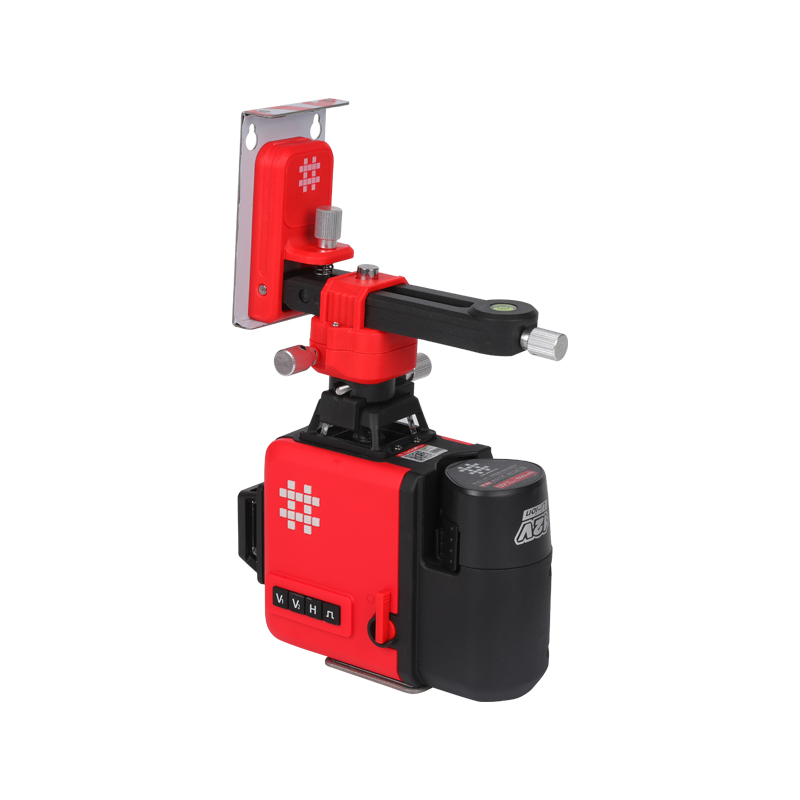
.jpg "7859E 12 (3D) Lines Laser")
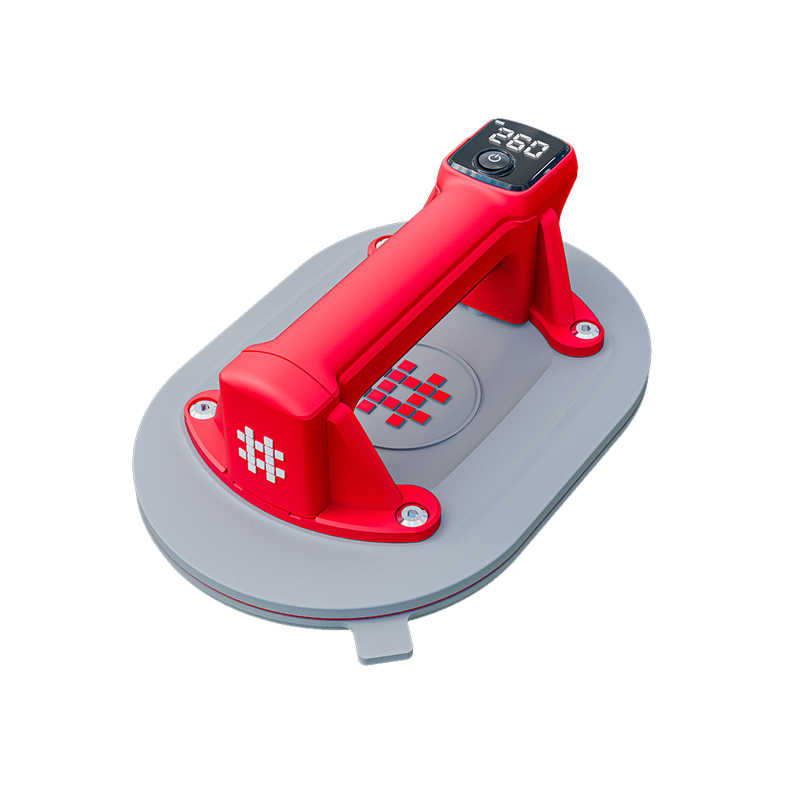
-1.jpg "P610 Suction Cup")