English
 中文简体
中文简体 русский
 Español
 Deutsch
You can learn the recent information of Shijing.

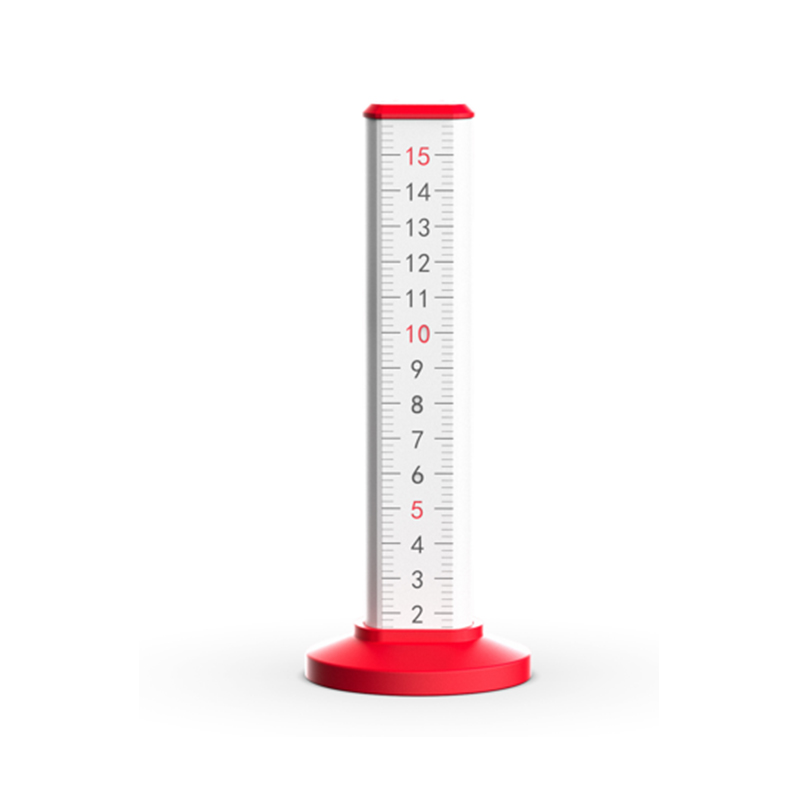
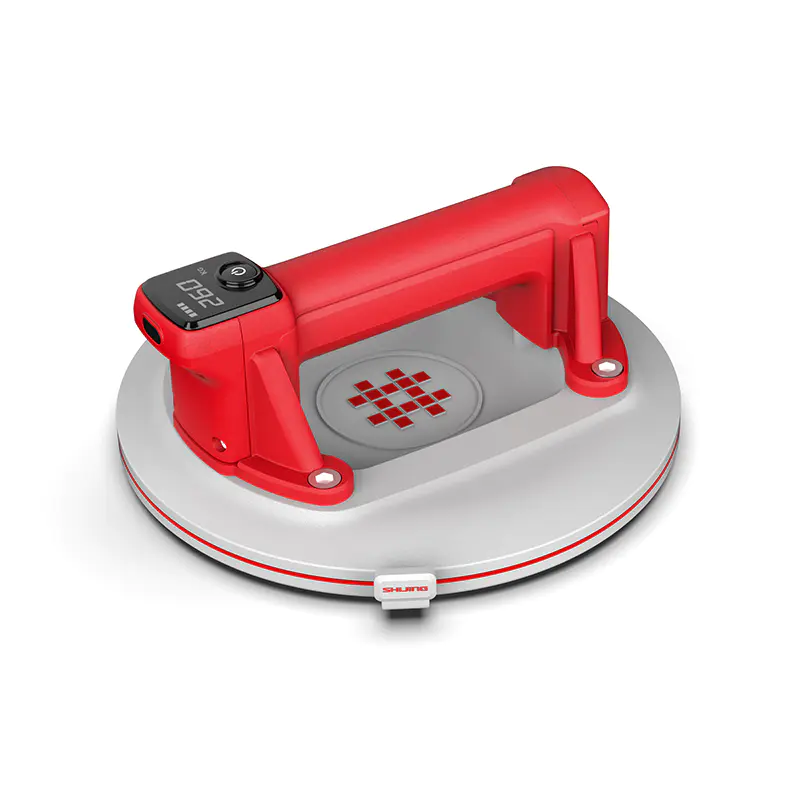
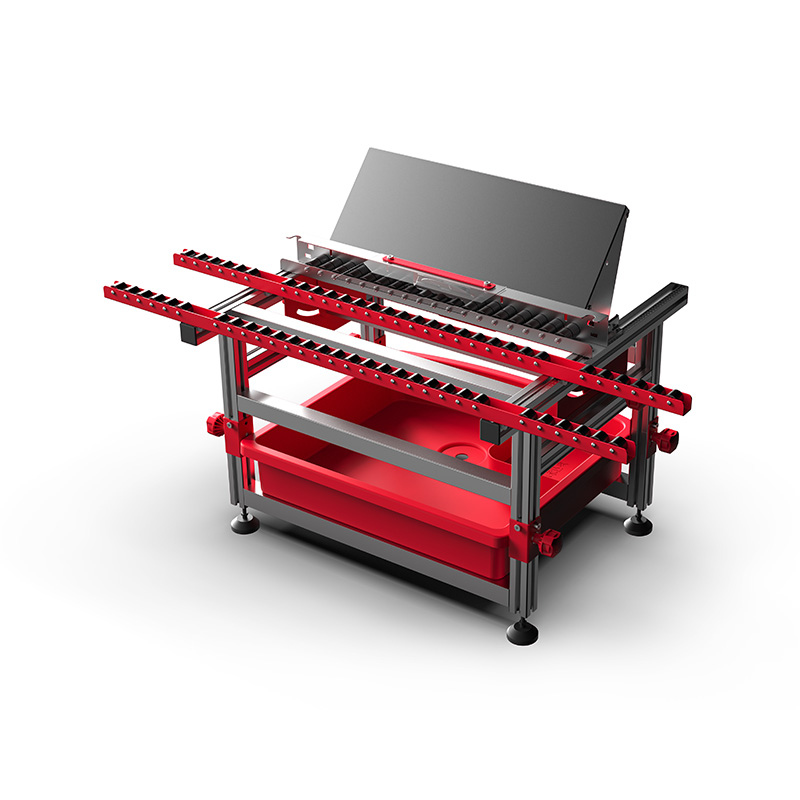
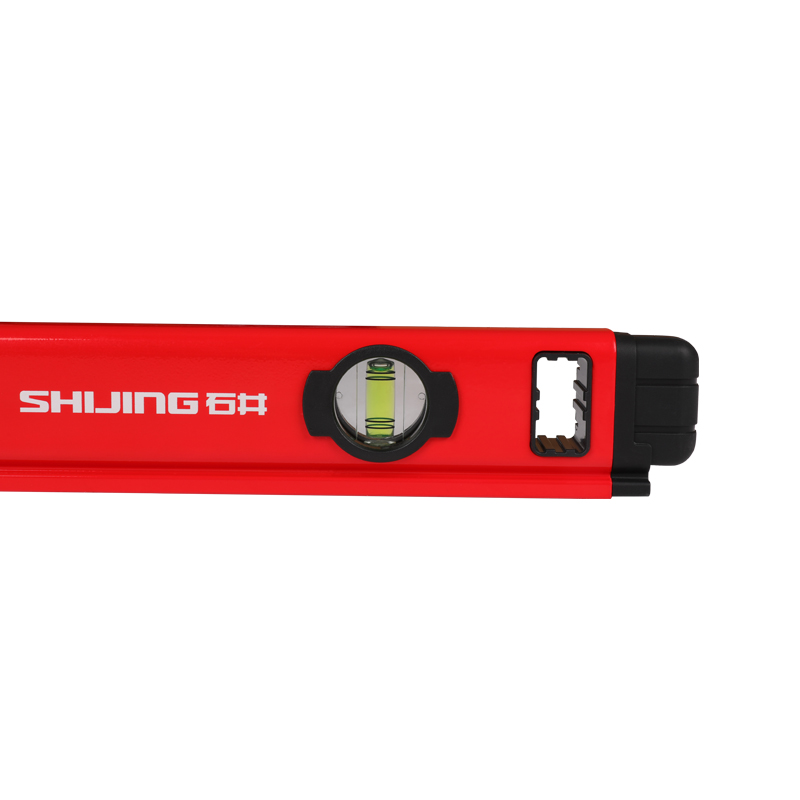
How to Choose Masonry Tools for Your Application: A Complete Guide from Masonry Tools Manufacturers
You know how it goes on a job site. One minute the crew's laying brick nice and smooth, the next minute someone's cussing out a tool that keeps slipping or dulling out way too fast and holding everybody up. Masonry tools are just part of the daily grind for contractors, full-time masons, and even the weekend warriors fixing up homes, commercial jobs, or repair work. They're the ones spreading mortar, shaping stone, checking plumb, and everything in between. Get the right ones and the work feels natural. Grab the wrong ones and you're fighting the job all day.
At Masonry Tools Manufacturers we've spent years on job sites and in the shop listening to what crews actually complain about. This guide pulls together the questions we hear —stuff that comes up over coffee breaks and at the tool crib. We'll walk through how to pick the right tools for your exact work, what the main parts really do, why regular maintenance actually matters, some no-nonsense troubleshooting, where these tools show up on real projects, and the things that make them perform day in and day out.
If you buy equipment, run a crew, or swing a trowel every day, you'll find straight talk here based on actual job conditions. No fluff, no sales pitch—just observations from the field. By the end you should have a solid way to look at the tools you already own or the ones you're thinking about buying. Let's break it down step by step.
How to Choose Masonry Tools for Your Application
Picking the right masonry tools starts with really looking at the job in front of you. Think hard about the materials you'll be working with the . Brick, block, stone, or concrete—they all handle a little differently. A trowel that glides through soft brick mortar might feel completely different when you switch to harder stone. Jot down your main material and the scale of the project—small patch, full wall, or big foundation—so you can match the tool's size and weight to what you'll actually be doing.
Then think about how the tool's going to feel in your hand after eight or ten hours. Handle length, grip shape, and balance make a huge difference in fighting fatigue. Guys on the crew always say a tool that feels good at 7 a.m. still feels good at 3 p.m. Weight matters too. Too heavy and you're worn out by lunch; too light and you lose control when you need a clean strike.
The work environment counts as well. Outdoor sites with dust, rain, and temperature swings need tools that fight rust and keep their edge. Indoor reno jobs might call for smaller, lighter tools that fit in tight spots. Quick checklist that actually works: list your primary material, note the daily volume, write down any space restrictions, and flag any site safety rules. Keeps everything grounded in reality.
Material choices on the tool itself make a big difference day to day. Blades or heads are usually forged steel or hardened alloys; handles come in wood, fiberglass, or composite. Each combo gives different wear resistance and feel. Tools working around high-lime mortar, for example, need surfaces that clean up easy so buildup doesn't slow you down.
At Masonry Tools Manufacturers we build these tools with those real-world details front and center. When teams call us we share drawings, send samples, or let them test right on their own site. A short trial under actual conditions usually tells you everything you need to know. Crews who take the time here say they have way fewer headaches once the tools are in regular use.
Bottom line: selection is about matching the tool to the daily grind. Spend time on the details up front and you'll spend a lot less time fixing or replacing stuff later.
What Are the Main Components of Masonry Tools
Understanding what's inside a masonry tool makes it easier to catch little problems before they shut the whole crew down. tools share the same basic parts that work together every time you pick them up.
The working end—blade, head, or edge—does the heavy lifting. It spreads, cuts, or shapes the material. Its shape, thickness, and finish decide how cleanly it moves through mortar or across stone. This is the part that takes the beating, so knowing it helps you spot when it's starting to lose its edge.
The handle connects that working end to your hand. It transfers force and gives you control. Handles come in different lengths and materials, and the way they attach to the head decides how stable they stay during swing after swing. A solid connection keeps the tool from twisting or loosening up under real pressure.
Joining parts—rivets, welds, or collars—hold everything together. These spots get constant stress, so any play shows up fast. Some tools also have protective caps or guards so they don't get chewed up when you set them down.
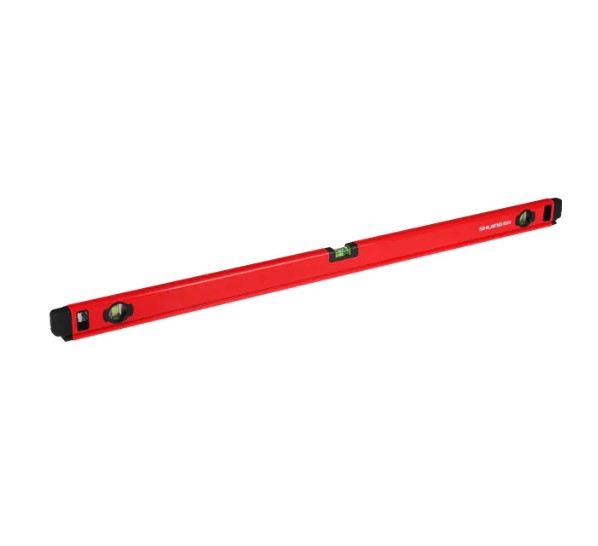
Extra features like level vials in alignment tools or measurement marks on others help with accuracy. Every part has a job, and they all affect how the tool feels and performs. If the handle flexes too much, you lose control even if the blade is still sharp.
During daily checks, crews look for early warning signs on these parts. A blade that's starting to round or a handle grip that's wearing smooth means it's time to pay attention. Masonry Tools Manufacturers puts extra care into how these components fit and how strong the connections are, so the tools stay solid when you follow normal care.
Knowing the layout also makes ordering replacement parts way easier. Teams can point to a simple diagram and grab the right spares without guessing.
Why Masonry Tools Need Regular Maintenance for Daily Use
Regular maintenance on masonry tools isn't just nice—it keeps the job safe and moving. Tools that stay clean and properly adjusted work better from the hour to the last. When mortar builds up or edges go dull, every move takes more effort and little mistakes start showing up in the finished wall.
Safety is part of it too. A loose handle or worn edge can slip at the wrong second and put somebody at risk. Keeping connections tight and surfaces clean cuts those chances without adding extra work.
Well-maintained tools simply last longer on the job. Crews see that wiping them down after every shift and checking handles once a week stops big repairs down the road. It fits right into the way good sites already run—reliable gear keeps the schedule on track.
Construction guidelines talk a lot about basic care, and many projects require tools to stay in good shape for quality checks. In real life, teams that build maintenance into the end of the day say they have fewer delays when they move from one task to the next.
You see the difference on actual sites. A crew on a long brick wall starts the morning with clean tools and finishes strong. The same crew using tools that haven't been touched in weeks ends up fixing alignment and reworking sections. Same story on houses, commercial builds, and repairs.
Maintenance doesn't have to be a big production. A few minutes of cleaning and a quick look-over at the end of the day keeps everything ready for tomorrow and keeps the pace the crew expects.
Tips on Troubleshooting Common Issues with Masonry Tools
When a masonry tool starts acting up, problems are things you can see and fix with a quick logical check. One of the common is a blade or edge that no longer cuts or spreads clean. Start by looking at the working surface for built-up mortar or rounding. A quick scrape and light sharpening usually brings it right back.
If the handle feels loose or twists in your hand, check the joint. Dirt or worn fasteners are usually the culprit. Clean the spot and tighten or replace the hardware and stability comes back. Sometimes the handle itself cracks from all the stress—swap it before it lets go completely so you don't lose control mid-swing.
Rust or pitting shows up after moisture or certain mortars. Light sanding and a wipe of protectant fixes early stuff. Bad corrosion means you need to rethink storage. Tools left in damp spots get this problem way more, so dry racks or covers make a real difference.
Grip wear or slippage happens after heavy daily use. The surface loses its texture and your hand slips. Clean it up, add grip tape if needed, or replace the sleeve and you're back in control.
Prevention keeps these headaches from piling up. Wipe tools at shift's end, store them off the dirt, and check handles and edges every week. A simple log of hours on the tool helps crews spot patterns early. Teams that stay on top of this say they have way fewer emergency fixes during crunch time.
If it's beyond a quick on-site fix, call the manufacturer for parts or advice. Masonry Tools Manufacturers keeps records of the common setups and can point you to the right replacements fast. Documenting your checks also helps with any site safety or quality paperwork.
Where Are Masonry Tools Commonly Used in Building Projects
Masonry tools show up all over a typical building project because every stage needs different handling of the material. In foundation and base work they set forms, spread base layers, and check levels for solid support. These tools take heavy loads and constant contact with concrete or fill.
During wall construction they're in constant use laying units, spreading mortar, and striking clean joints. Trowels, hammers, and levels keep the rhythm going brick by brick or block by block. Crews love tools that give consistent pressure and quick adjustments as the wall climbs.
Finishing and detail work needs smaller, more precise tools. Jointing, pointing, and cleaning surfaces require edges that leave clean lines without tearing up fresh mortar. These jobs often happen in tight spots or up high, so size and balance really matter.
Repair and renovation jobs use the same tools in slightly different ways. Taking out old mortar, cutting damaged sections, or matching existing work needs control more than brute force. Being able to switch tasks without swapping tools keeps the day flowing.
Paving and hardscape areas rely on them for setting units, leveling, and compacting joints. Outdoor weather and dust mean crews pick tools that clean up fast between steps.
From residential homes to commercial buildings and infrastructure repairs, the tools adapt to the phase and the material. Masonry Tools Manufacturers offers setups that match these different site needs with standard materials and designs. Teams on these jobs really value the mix of toughness and easy handling that gets them through full days without extra effort.
What Factors Determine the Performance of Masonry Tools
How well a masonry tool performs comes down to a handful of things crews can see and tweak every day. The material of the working end decides how long the edge stays sharp and how smoothly it moves through mortar or stone. Different alloys and treatments react differently to daily use.
Weight distribution and balance affect control. A tool that just feels right in your hand lets you place things accurately without fighting it. Good balance cuts down on strain during all those repetitive swings.
Handle design handles force transfer and comfort. Shape, length, and texture decide how well your hand grips and how much vibration comes back at you. Little differences here show up big after a few hours on the wall.
Surface finish on the working parts affects how material sticks or releases. Smoother or specially treated surfaces clean faster and give consistent results every time.
Storage and care tie it all together. Tools kept clean and protected between shifts hold their performance longer than ones left out in the weather. Temperature changes and moisture hit both metal and handles over time.
Lots of crews do a quick test run when tools are new to set a baseline under their normal conditions. Any change later sends them back to these factors. Usually a clean, a tighten, or better storage gets things back on track without buying new gear.
Masonry Tools Manufacturers shares what we've seen about these relationships from years of watching the tools in real service. Understanding them helps crews keep performance steady all the way through the project.
We covered six real sides of working with masonry tools—how to pick them for the job, what the main parts actually do, why maintenance matters, how to fix common issues, where they fit into building projects, and what makes them perform. Every section comes from questions and situations we see on actual sites.
Masonry tools stay essential because they're built to handle the daily push of moving and shaping material while giving you control and consistency. Paying attention to the details in this guide keeps results steady and cuts down on wasted time.
If your crew needs more details on configurations or help matching tools to a specific project, just reach out to Masonry Tools Manufacturers. We can talk through your requirements and share what we've learned from building these tools for years. The points here give you a solid starting place for checking what you already have or planning the next order.
Take these ideas and your crew will have a much clearer way to handle tool decisions on the job. Keep this guide handy—it's meant to be something you can come back to whenever questions pop up.
.jpg)
.jpg "P617 Electrical Air Pump")
-5.jpg "P622 Tension Suction Cup")