English
 中文简体
中文简体 русский
 Español
 Deutsch
You can learn the recent information of Shijing.


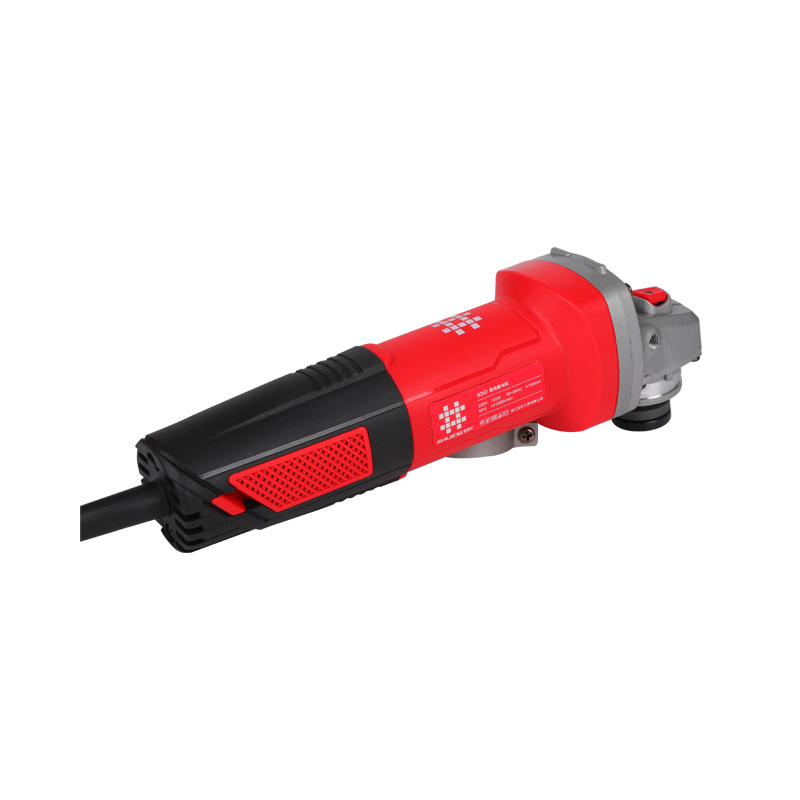
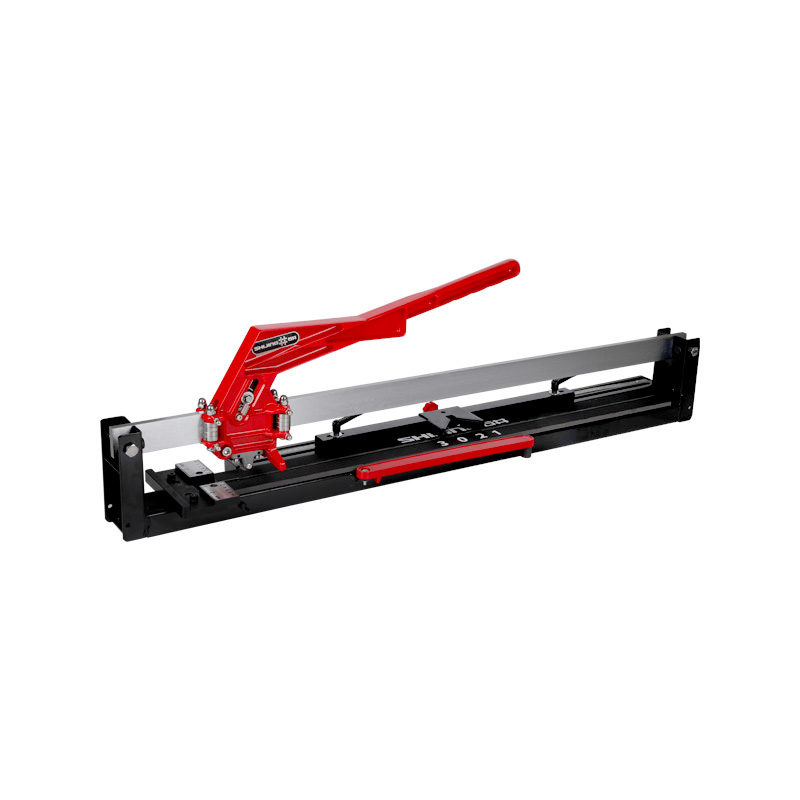
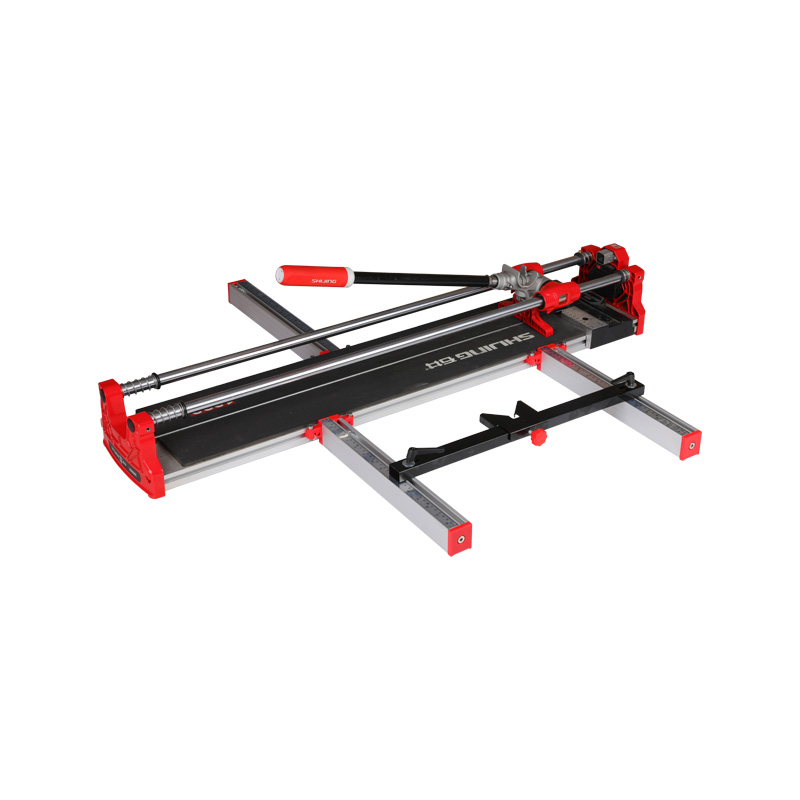

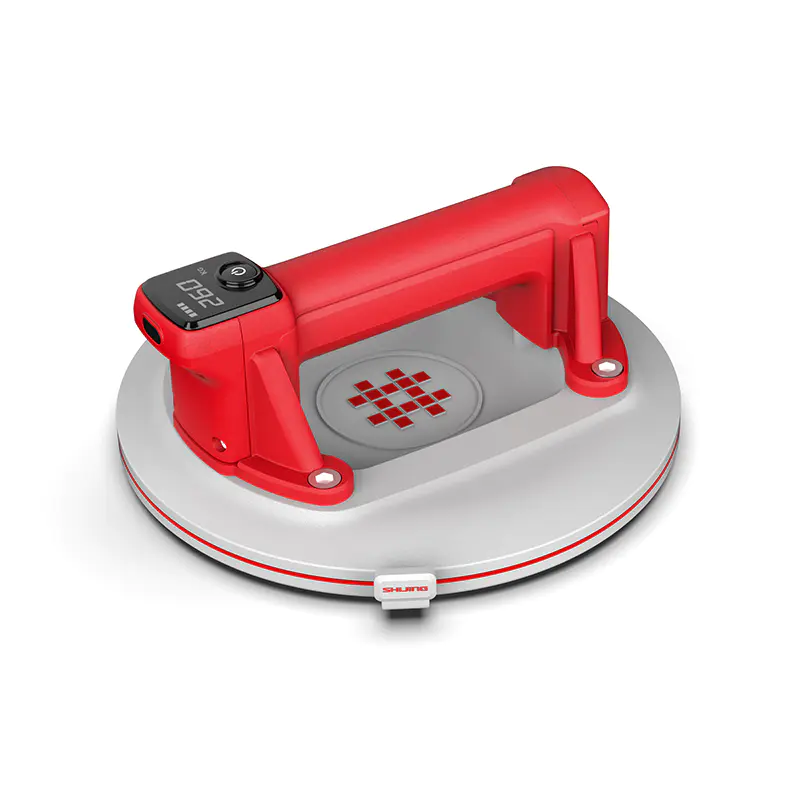
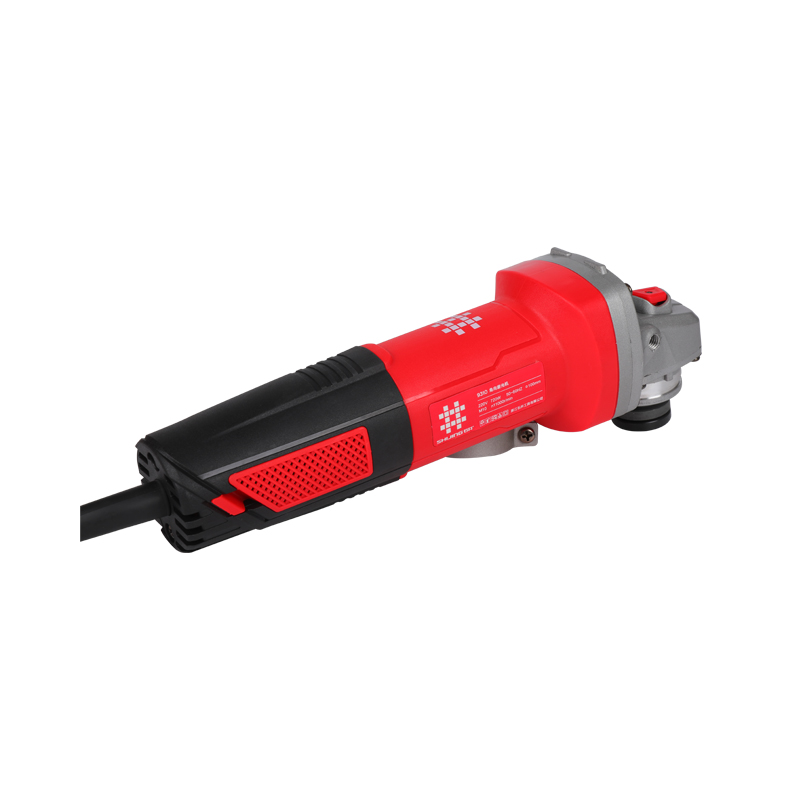
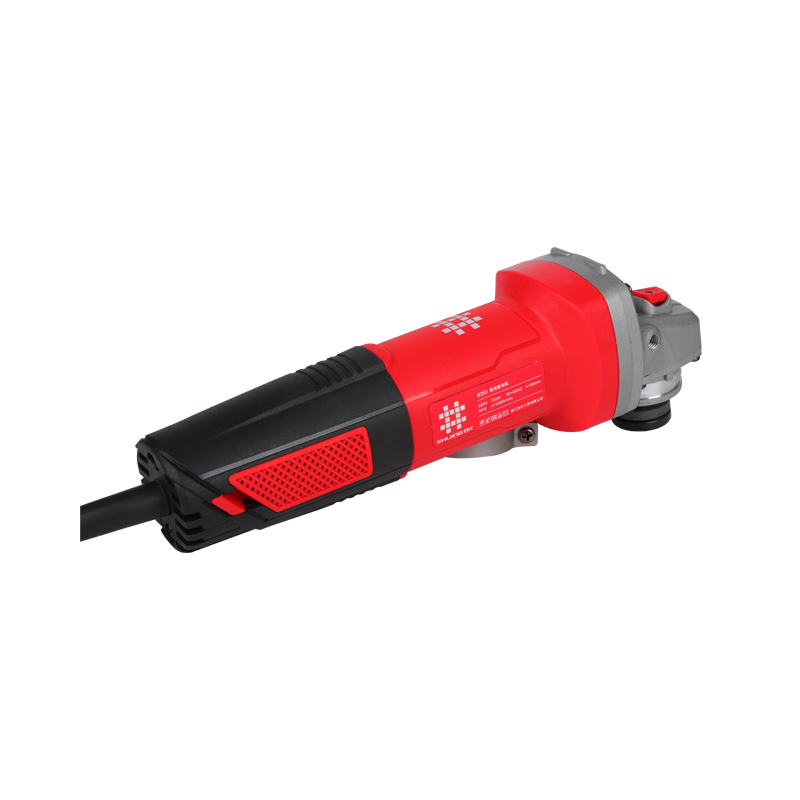
When people plan tile cutting work, the tool choice often shapes the result more than expected. An Angle Grinder For Ceramic Tile is usually valued for its flexibility, especially when the cut needs to follow a corner, an edge, or a marked line that does not fit a simple straight pass. In real use, the key question is not whether the tool can cut, but how well it matches the tile type, the disc, and the way the cut is carried out.
For ceramic surfaces, the main concerns are surface finish, edge breakage, and control during the cut. A harder tile body may react differently from a glazed surface, and the same tool can give very different results depending on pressure, direction, and blade condition. That is why the discussion is often about control rather than speed.
In tile work, small details matter. A steady hand, a suitable disc, and a reasonable cutting approach often matter more than force. For that reason, Angle Grinder For Ceramic Tile is usually discussed together with blade choice, material behavior, and cutting rhythm, rather than as a single tool in isolation.
What Makes an Angle Grinder for Ceramic Tile Work Well with Different Tile Materials
The same grinder can behave in different ways on different tile surfaces. A glazed piece may react with edge wear more quickly, while a denser body may resist the cut and demand a calmer hand. In this setting, Angle Grinder For Ceramic Tile works well when the user treats the material as the main variable, not just the tool.
A practical way to think about it is this:
- Softer surfaces may cut more easily, but the visible edge can still chip if the hand moves too fast.
- Harder surfaces may resist cutting, which can make the tool feel less stable if the disc is not suited to the task.
- Coated or glazed surfaces usually need a careful approach near the visible side.
- Thicker pieces often call for slower progress and more attention to line control.
The material also influences how much correction is needed after the cut. Some surfaces forgive light touch-up work. Others show every irregular edge. That is why the fit between tile and tool matters before the cutting pass begins.
How to Choose the Right Disc Type for Ceramic Tile and Porcelain Tile Projects
Disc choice affects both control and finish. A disc that feels smooth on one tile may seem aggressive on another. When people use Angle Grinder For Ceramic Tile, the question is often not simply whether the disc cuts, but whether it cuts in a controlled way.
| Tile condition | What the disc should support | What the user should watch for |
|---|---|---|
| Glazed surface | Cleaner edge movement | Chipping near the visible side |
| Denser tile body | Steadier cut flow | Extra resistance during the pass |
| Corner cut | Better control in short movements | Wandering off the marked line |
| Edge trimming | Light correction behavior | Overcutting and rough finish |
A suitable disc usually gives the cut a calmer feel. If the disc pulls too hard, the line can drift. If it feels too slow, the user may press harder, which can make the edge less stable. The balance is important.
A few practical points are worth keeping in mind:
- A cleaner disc usually helps with visible edges.
- A more aggressive feel can be useful in rough shaping, but it may ask for more control.
- Disc wear changes the cutting feel, so an older disc may not behave the same way as a fresh one.
- The disc should match the type of tile work, not just the size of the grinder.
How Diamond Blade Selection Changes the Cutting Result on Ceramic Tile Surfaces
Blade choice has a direct effect on the cut line, the edge finish, and the amount of correction needed later. With Angle Grinder For Ceramic Tile, the blade is not just an accessory. It is part of the cutting behavior itself.
A blade with a smoother cutting edge tends to create a more careful finish, especially on visible surfaces. A blade that feels harsher may move through the tile faster, but the edge can show signs of stress. That difference matters when the cut will remain exposed.
Common effects of blade choice include:
- Cleaner contact with the surface when the blade is suitable for tile work.
- Less visible breakage when the cutting edge moves in a controlled way.
- More stable line tracking when the blade does not pull the grinder off course.
- Better edge appearance when the blade supports light, even pressure.
It also helps to look at the cut from the tile’s point of view. A glazed face can react differently from the body beneath it. The blade must pass through both without causing unnecessary damage. That is why blade selection affects not only cutting speed, but also the shape of the final edge.
Why Cutting Speed Matters When Working with Ceramic Tile Using an Angle Grinder
Cutting speed changes the way the tile reacts. Too much force can make the edge break before the blade finishes its path. Too little control can make the cut uneven and require correction later. With Angle Grinder For Ceramic Tile, speed is not a race. It is part of the balance between the disc and the material.
When the movement is too quick, the visible face may chip at the edge. When the movement is too slow but too heavy, the cut can become rough and strained. The aim is to keep the pass steady, with a pace that follows the tile rather than pushing against it.
A useful way to judge speed is by the cut response:
- If the line looks clean but the tool feels forced, the pace may be too fast for that tile.
- If the tool starts to drag or shake, the pressure may be too high.
- If the edge shows small breaks, the hand may be moving unevenly.
- If the cut needs repeated correction, the movement rhythm may need adjustment.
Speed also affects confidence. A smooth pace helps the user stay on the marked line and reduces the need for last-minute correction. For tile work, that often matters more than moving quickly.
How to Reduce Edge Chipping When Using an Angle Grinder for Ceramic Tile Cutting
Edge chipping is a common concern during tile work. The cut may look acceptable at first, yet the visible edge can show small breaks once the material is lifted or installed. With an Angle Grinder For Ceramic Tile, the main issue is usually not the tool alone, but the way the cut begins, how much pressure is used, and which side receives the initial contact.
A steadier result often comes from a calm approach rather than a fast pass. The grinder should move with the line, not against it. When the blade is forced into the surface, the edge can open up and break in a way that is difficult to correct later.
A few practical habits help reduce visible damage:
- Mark the cut clearly before starting.
- Keep the movement even instead of stopping and restarting too often.
- Let the disc work through the surface without pressing hard.
- Support the tile so the cut area does not flex.
- Pay attention to the visible side, since that is usually where damage is noticed first.
In many cases, the initial contact matters more than the rest of the pass. A careful start gives the edge a better chance to stay intact, especially near glazed surfaces.
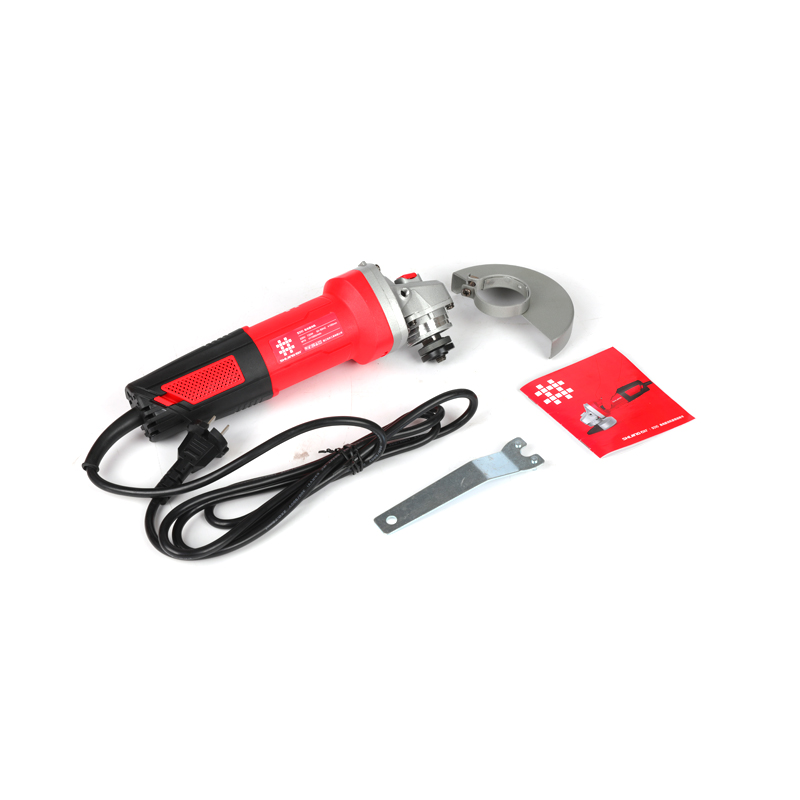
How to Improve Straight Line Accuracy When Cutting Ceramic Tile with an Angle Grinder
Straight cuts ask for a different kind of control. The challenge is not only keeping the grinder on the line, but also preventing slight hand movement from turning into a visible deviation. When using an Angle Grinder For Ceramic Tile, line control becomes much easier when the cut is guided by preparation instead of correction.
A clear mark is useful, but a visible line alone does not guarantee accuracy. The user still needs a stable hand position and a consistent path. Short pauses in the middle of the cut can make the movement less predictable, so a smooth, continuous pass usually works better.
One helpful way to think about straight line work is to separate the task into stages. First comes marking. Then comes positioning. Then comes the cut itself. When each stage is handled with care, the chance of drifting away from the line becomes lower.
Common causes of line loss include:
- Starting the pass at an angle that is not aligned with the mark.
- Moving too fast through a narrow section.
- Turning the wrist too sharply while trying to correct the path.
- Using a disc that pulls unevenly through the surface.
- Allowing the tile to shift while the cut is in progress.
If the line matters for visible installation, even a small offset can become noticeable later. For that reason, many users prefer to make the initial pass light and controlled, then refine only where needed.
When Wet Cutting Becomes Useful for Ceramic Tile Work with an Angle Grinder
Wet cutting is not always necessary, but it can be useful when the material feels dry, dusty, or prone to edge wear. In tile work, added moisture may help the surface behave in a calmer way during the pass. That can be helpful when the cut area is visible or when the tile material reacts sharply to friction.
The main advantage is not speed. The main advantage is control. A wetter cutting path can reduce surface heat and help the edge stay more stable. It may also limit the amount of airborne dust, which matters in enclosed work areas.
| Cutting situation | Wet cutting can help when | Dry cutting may still be used when |
|---|---|---|
| Visible edge work | A cleaner edge is needed | The cut is hidden later |
| Dense tile surface | Friction feels high | The pass is short and light |
| Indoor work area | Dust control matters more | Ventilation is already strong |
| Corner trimming | A smoother entry is useful | The cut is small and simple |
Wet cutting should still be handled with care. The grinder, the work area, and the support setup all need to remain stable. When conditions are not suitable, a dry approach with careful control may be more practical. The choice depends on the task, not on habit.
Tips for Finishing Tile Edges After Cutting with an Angle Grinder for Ceramic Tile
Edge finishing often decides whether a cut looks complete or unfinished. After the main pass, the surface may still carry rough points, small irregularities, or light marks from the blade. That is why finishing is part of the process, not a separate extra step.
A clean edge usually starts with light correction rather than heavy grinding. The goal is to refine the cut, not reshape it again. Too much correction can make the edge uneven or remove more material than needed.
A simple finishing approach may include:
- Checking the cut edge before installation.
- Smoothing only the rough points that stand out.
- Keeping the tool movement light near the visible face.
- Avoiding sharp changes in pressure.
- Working slowly near corners and exposed ends.
Good finishing also depends on the earlier steps. If the cut was stable from the start, the edge usually needs less correction. If the cut drifted or the tile flexed during the pass, more repair may be needed later. That is why the final edge often reflects the quality of the earlier cut.
With an Angle Grinder For Ceramic Tile, finishing is the stage where small details become visible. A careful pass here can make the result feel more controlled and more suitable for installation.

.jpg "1320 Level Ruler")