English
 中文简体
中文简体 русский
 Español
 Deutsch
You can learn the recent information of Shijing.
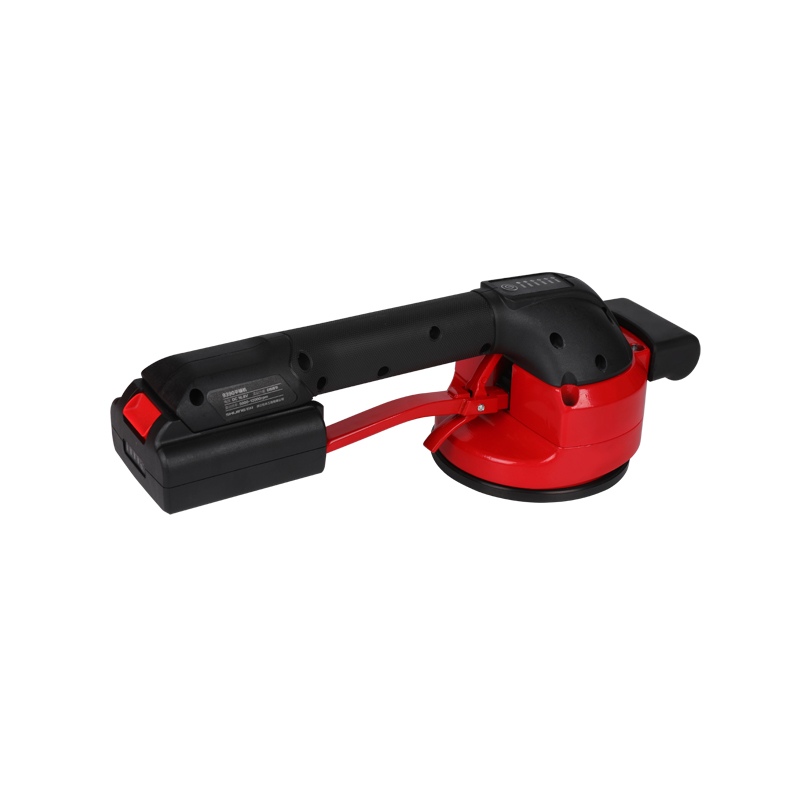


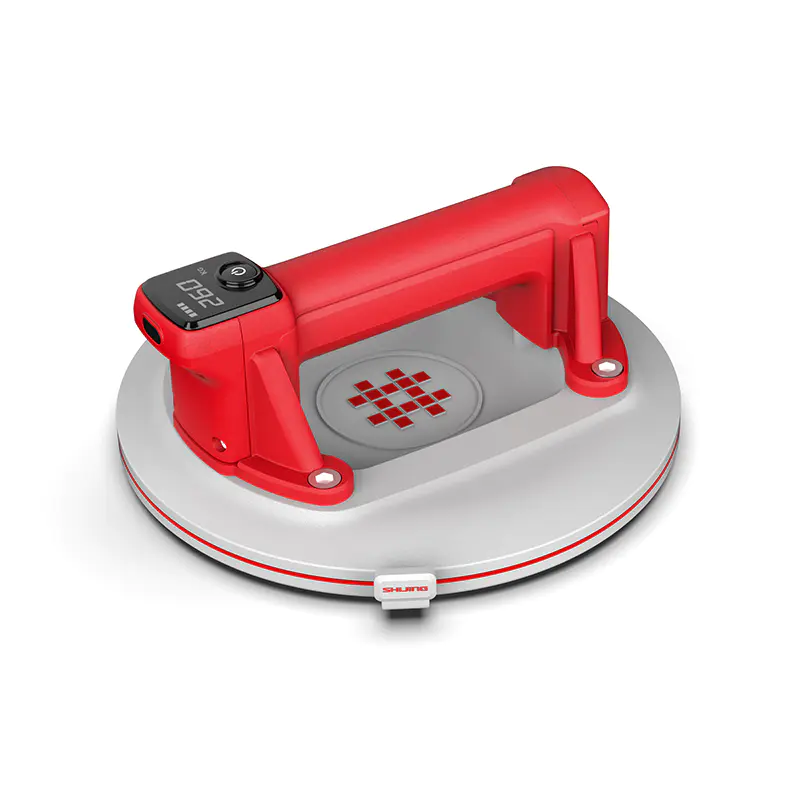
When moving smooth, flat materials around, keeping a stable grip tends to be one of the bigger concerns during handling work. Glass panels, large tiles, metal sheets, and other surface-sensitive materials can be genuinely tricky to hold onto with traditional methods, simply because pressure, contact position, and movement control all factor into the process at once.
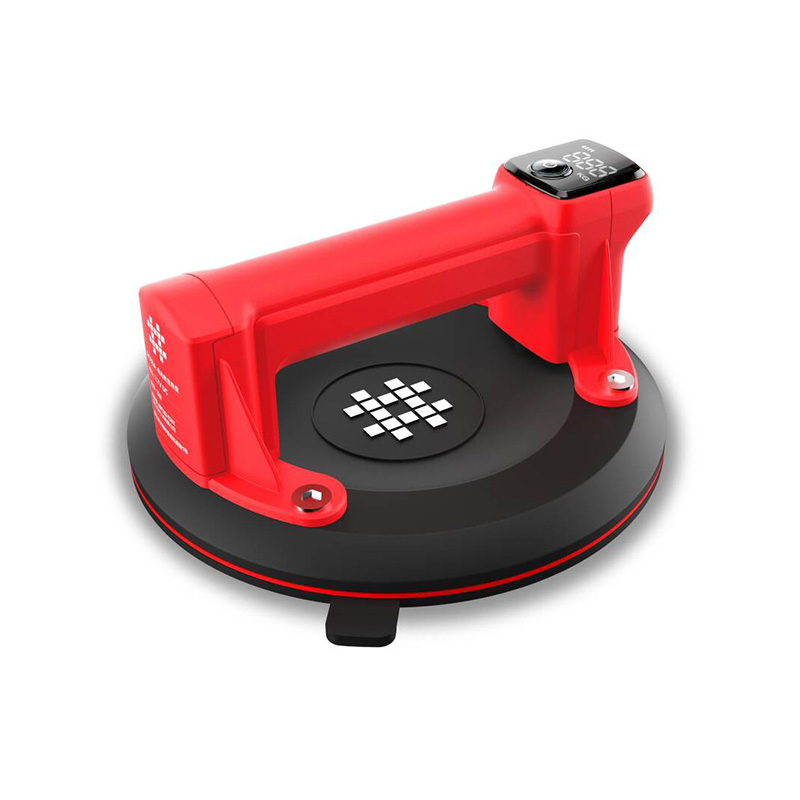
A Heavy Duty Vacuum Suction Cup offers a practical way to create a temporary attachment between a tool and a smooth surface. Rather than leaning on mechanical clamping, it uses a sealed contact area to help hold materials steady during lifting, positioning, or installation work.
For buyers, picking the right product really isn't just about glancing at appearance. Working conditions, material type, surface quality, operating habits, maintenance requirements — all of it shapes the actual user experience once the tool's in hand. A suitable design should genuinely match the intended application and offer convenient handling through daily work.
From construction sites to manufacturing floors, vacuum lifting tools show up across different situations where surface protection and controlled movement really matter. Getting a sense of how these tools work, how to pick one out, and how to keep it maintained can help users land on more suitable decisions.
What Is a Heavy Duty Vacuum Suction Cup and How Does It Work for Material Handling
A vacuum suction tool is built to create a temporary connection between the lifting surface and whatever material's being moved. The basic idea's pretty straightforward — once the air inside the contact area gets reduced, outside air pressure helps keep the tool held against the surface.
The working process usually kicks off with placing the suction pad against a clean, smooth surface. Once air gets pulled from that sealed area, the tool forms a holding force that lets users move the material with a lot more control than they'd otherwise have.
Different designs might include various handles, release systems, and sealing structures. These parts work together to make operation a lot easier and help users manage both attachment and removal without much struggle.
| Component | Function During Operation |
|---|---|
| Suction pad | Creates contact with the working surface |
| Handle structure | Provides a place for users to hold and control movement |
| Sealing area | Helps maintain the air-tight connection |
| Release mechanism | Allows users to remove the tool after use |
How well the tool actually performs really comes down to the relationship between the surface and the suction system. Smooth, clean materials usually offer better contact conditions, since the sealing area can sit closer to the surface without gaps interfering.
For material handling tasks, understanding this basic working principle helps users pick a product that genuinely matches their application, rather than choosing purely based on appearance or size.
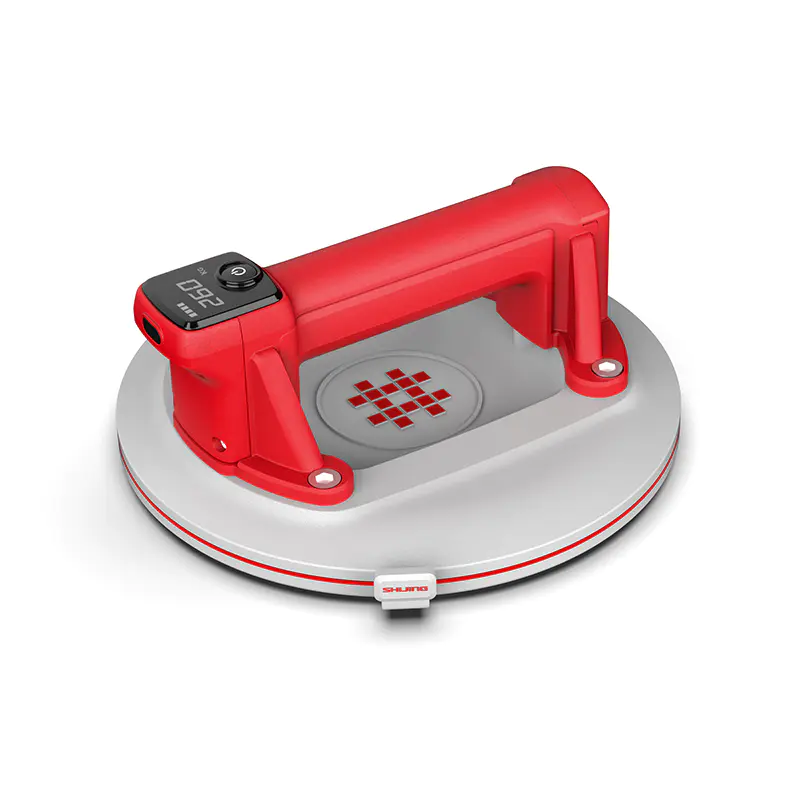
How Does a Heavy Duty Vacuum Suction Cup Maintain Grip on Glass and Smooth Surfaces
Surface conditions play a genuinely big role in how well a vacuum lifting tool actually performs. Materials like glass and polished panels tend to have fairly even surfaces, which lets the suction pad form better contact right from the start.
That said, even small surface issues can throw off the holding process. Dust, moisture, oil marks, or slightly uneven textures can all chip away at the quality of the seal between the pad and the material.
Before getting started, checking over the working area's a genuinely worthwhile step. A clean surface helps the suction pad stay connected properly and cuts down on the chances of unwanted movement during handling.
The sealing edge's design matters for everyday use too. A flexible contact area can adapt more easily to slight surface variations, while a worn or damaged sealing part might cause problems mid-operation.
Factors that tend to influence holding performance include:
- Surface cleanliness
- Material flatness
- Condition of the suction pad
- Correct placement position
- Proper operation method
For installers and workers handling smooth materials day to day, paying attention to these small details can make the whole process feel a lot more controlled and manageable.
How to Choose a Heavy Duty Vacuum Suction Cup Based on Different Working Applications
Different applications really call for different handling approaches. A tool suited for tile installation might have different requirements compared to one used for moving glass or working a factory production line.
Before buying, it's worth thinking through what materials will actually get handled, where the work's happening, and how often the tool's going to see use.
| Application Area | Important Considerations |
|---|---|
| Glass installation | Surface protection and stable positioning |
| Tile movement | Easy adjustment during placement |
| Panel handling | Comfortable operation during movement |
| Workshop use | Suitable design for repeated tasks |
The size and structure of the suction pad should line up with the working material itself. A larger contact area can be genuinely useful for certain flat materials, while a more compact design tends to be easier to control in tighter spaces.
The working environment matters here too. Indoor installation, outdoor construction, and factory handling can all involve fairly different surface conditions and operating habits.
A solid selection process really focuses on practical needs, rather than picking a product off general descriptions alone. Getting a clear sense of the job requirements before ordering helps create a better match between the tool and whatever application it's headed for.
Which Features Should Buyers Check Before Ordering a Heavy Duty Vacuum Suction Cup
When buying handling equipment, buyers usually work through several design details before settling on a decision. These features shape how the product feels during actual use and how well it fits specific working situations.
Suction pad material's worth checking closely. It affects flexibility, surface contact, and how well the tool holds up over longer stretches of use. Handle design matters just as much, since comfortable operation can really cut down on strain during repeated handling tasks.
Other points worth thinking through include:
- Ease of operation
- Stability of the handle structure
- Condition of sealing parts
- Storage convenience
- Compatibility with common working materials
Getting a clear handle on these features helps buyers communicate their requirements a lot more effectively with suppliers.
For manufacturers, product design usually comes down to balancing practical operation, material selection, and production consistency. Different customers may need different configurations, depending on their own market and application environment.
Why Do Installers Choose Heavy Duty Vacuum Suction Cup for Large Tile and Panel Movement
Large surface materials can be genuinely tricky to move, mostly because they demand careful positioning and controlled handling throughout. During installation work, workers often need to nudge the material into place several times before landing on the right spot.
Vacuum lifting tools can help with exactly this, creating a temporary grip that allows easier movement without directly gripping the material's edges.
In tile installation, for instance, accurate placement really matters, since the tile's final position shapes how the whole surface ends up looking. A suction tool can help workers move and adjust tiles while keeping their hands clear of sensitive edges throughout.
For panel handling, the tool can support smoother movement when shifting materials between different positions. That's especially useful in situations where direct handling would otherwise be awkward or inconvenient.
The growing reach of vacuum handling tools in these areas really comes down to their ability to support controlled movement while cutting down on unnecessary handling difficulty.
What Factors Can Affect the Performance of a Heavy Duty Vacuum Suction Cup During Use
During actual operation, several conditions can shift how a suction tool performs. A lot of issues here really aren't caused by the tool itself, but by differences in the working environment or how it's being operated.
One common factor's surface condition. A surface covered with dust or liquid may affect the suction pad's ability to create a proper seal during operation.
Placement matters too. If the tool isn't positioned evenly, the contact area might not behave as expected. Incorrect operation can chip away at the stability of the connection as well.
| Possible Influence | Effect on Operation |
|---|---|
| Dirty surface | Reduces contact quality |
| Damaged sealing area | May affect air retention |
| Incorrect placement | Creates uneven contact |
| Improper storage | May change pad condition |
Running a quick inspection before use can help catch possible problems early on. Checking the suction pad, wiping down the contact area, and following correct operation steps are simple habits that support consistent performance over time.
Users who get a handle on these factors tend to sidestep a lot of common problems and keep their daily working process running a lot smoother.
How to Use a Heavy Duty Vacuum Suction Cup Correctly During Lifting Work
Correct operation really matters for safe, efficient material handling. Even though the tool's design might look simple on the surface, each step along the way can shape the final result.
Before attaching the tool, it's worth checking that the surface is clean and genuinely suitable. The suction pad should sit evenly against the material, letting the sealing area make full contact all the way around.
During lifting, movement should stay controlled throughout. Sudden pulling or unnecessary force can chip away at the connection between the tool and the surface.
Once the task wraps up, the release process deserves the same careful attention. Removing the vacuum connection properly helps protect both the tool and the material surface underneath it.
Good operating habits usually come down to:
- Checking the tool's condition before use
- Cleaning the contact surface
- Placing the pad correctly
- Moving materials smoothly
- Storing the tool properly after work
These fairly simple practices can build up user confidence over time and help keep the equipment in good working condition.
How Can You Extend the Service Life of a Heavy Duty Vacuum Suction Cup with Proper Care
Maintenance plays a genuinely important role in keeping handling tools ready for whatever comes next. Since the suction pad's in direct contact with materials constantly, regular care can help cut down on unnecessary wear over time.
Cleaning's one of the easiest maintenance habits to keep up with. Wiping away dust and residue after use helps keep the contact surface in solid working condition.
Storage matters just as much. Leaving the suction pad under pressure, or sitting in unsuitable conditions for long stretches, can affect its shape and flexibility down the line.
Worth checking regularly:
- Surface condition of the suction pad
- Sealing area cleanliness
- Handle connection condition
- Overall appearance of the tool
Proper care really doesn't call for anything complicated. Staying consistent with cleaning, inspection, and storage can help a Heavy Duty Vacuum Suction Cup stay suitable for repeated handling tasks well into the future.
For suppliers and manufacturers, offering clear usage guidance and maintenance suggestions alongside the product also helps customers get a genuinely better long-term experience out of what they've bought.
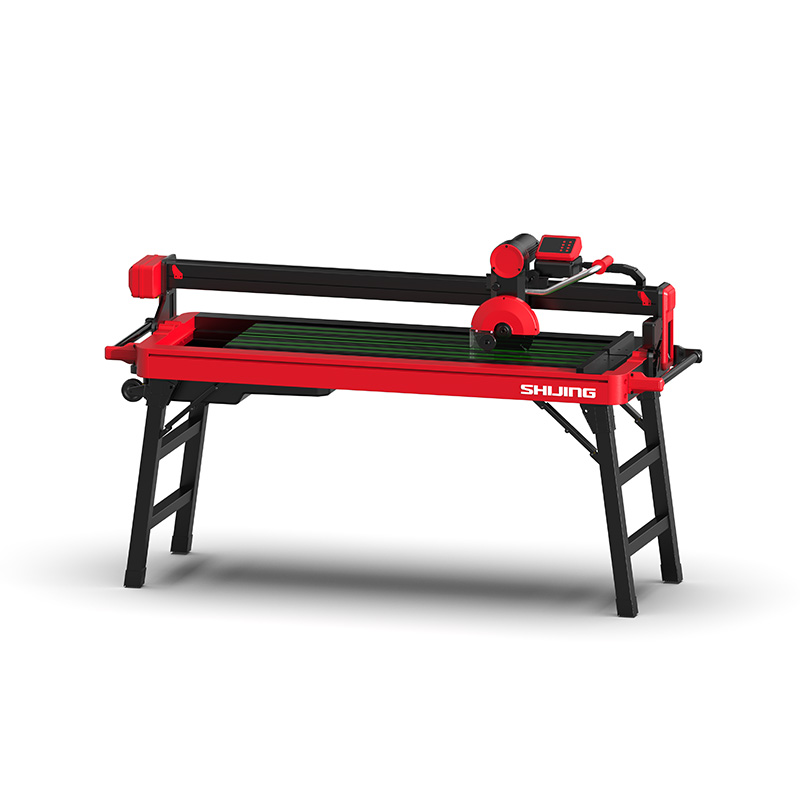
.jpg "9510-2700mm Electric Cutter For Porcelain Slab With 3380mm Rail")
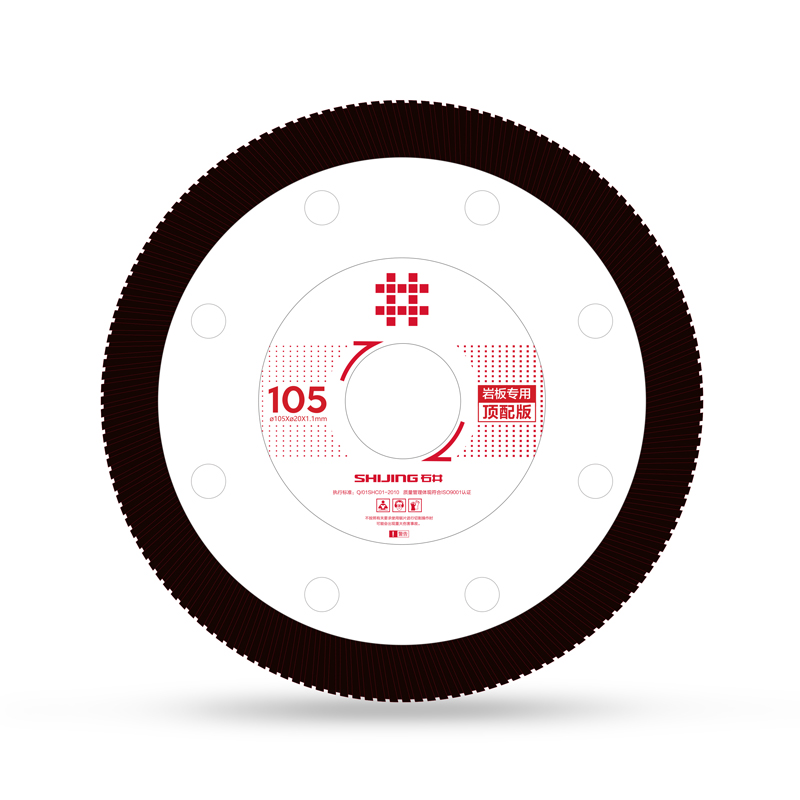
.jpg "1320 Level Ruler")