English
 中文简体
中文简体 русский
 Español
 Deutsch
You can learn the recent information of Shijing.
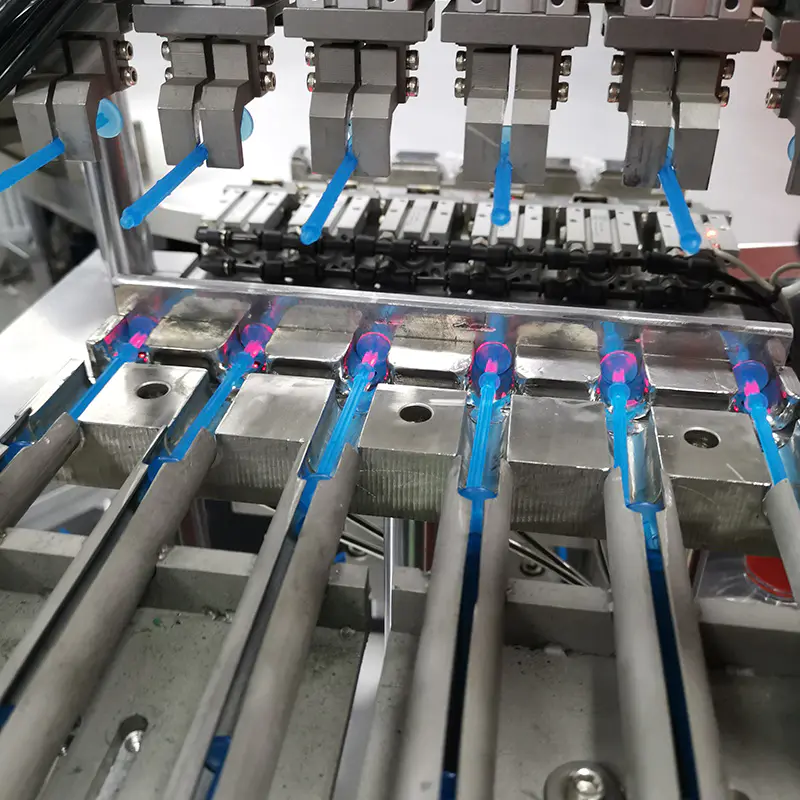
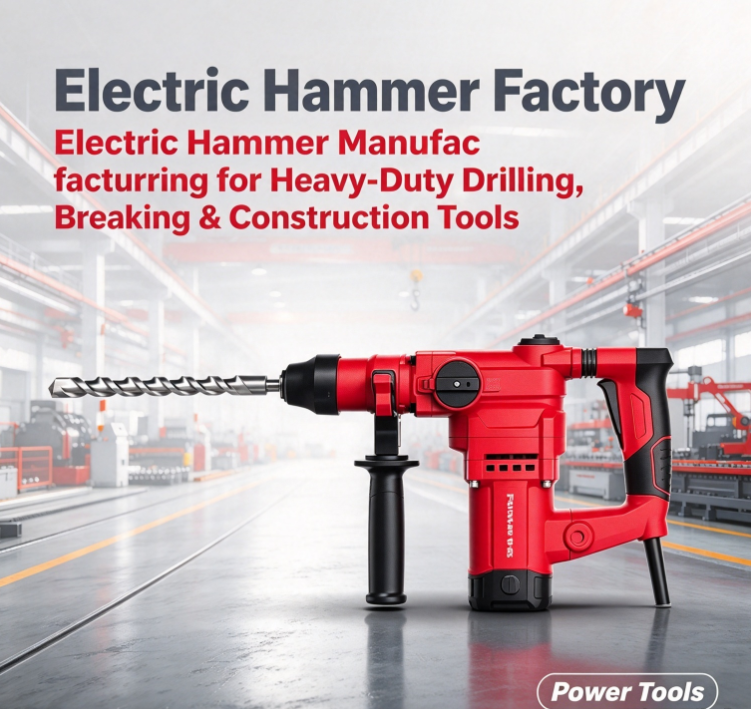
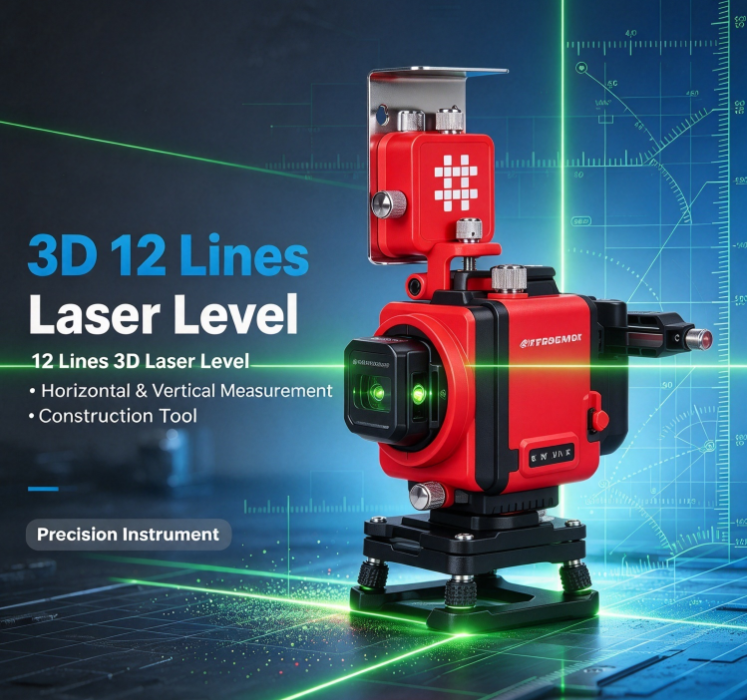
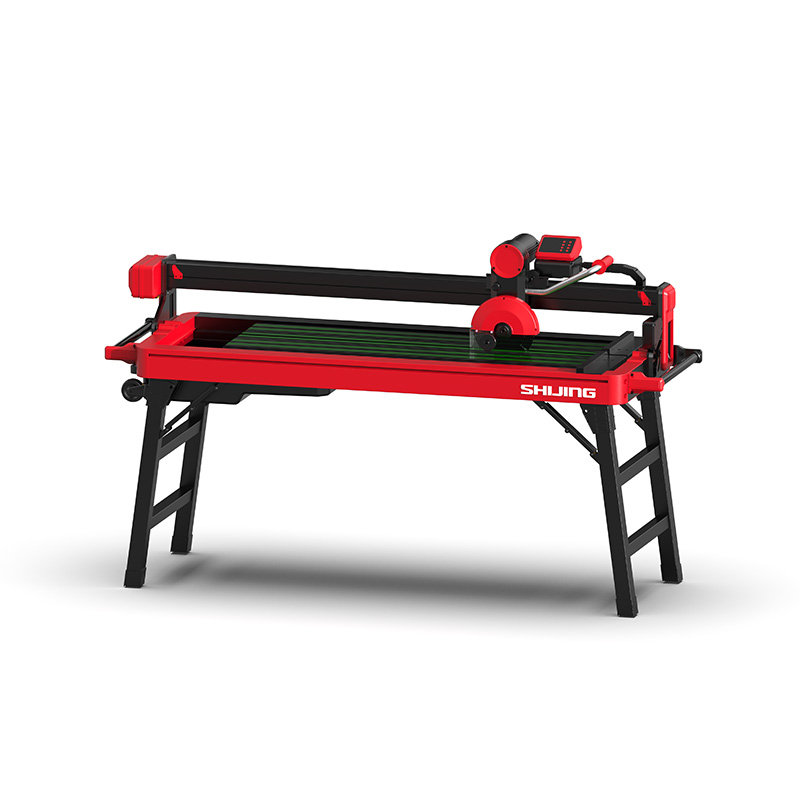
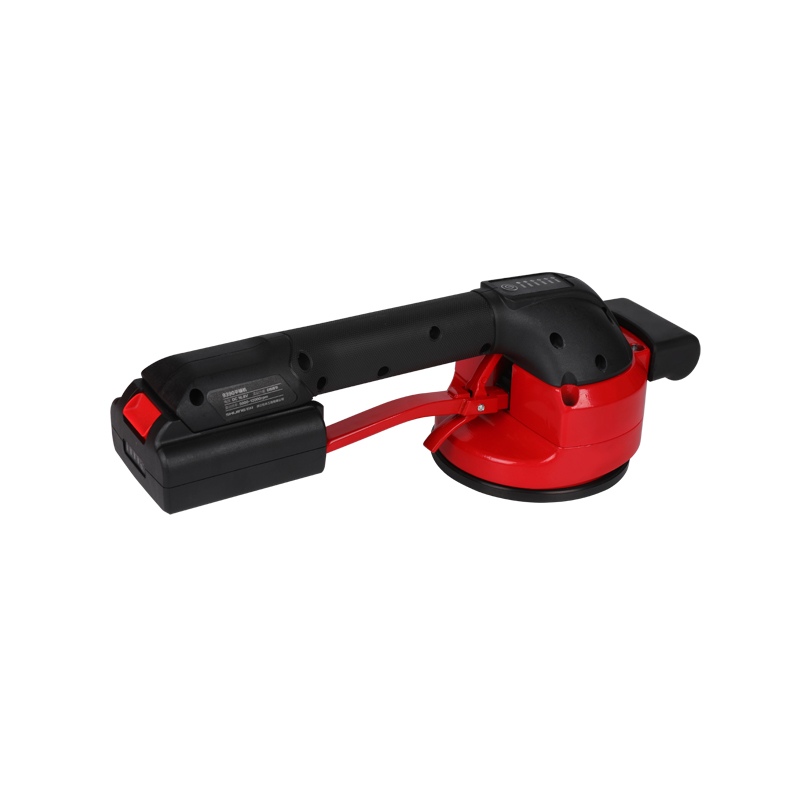

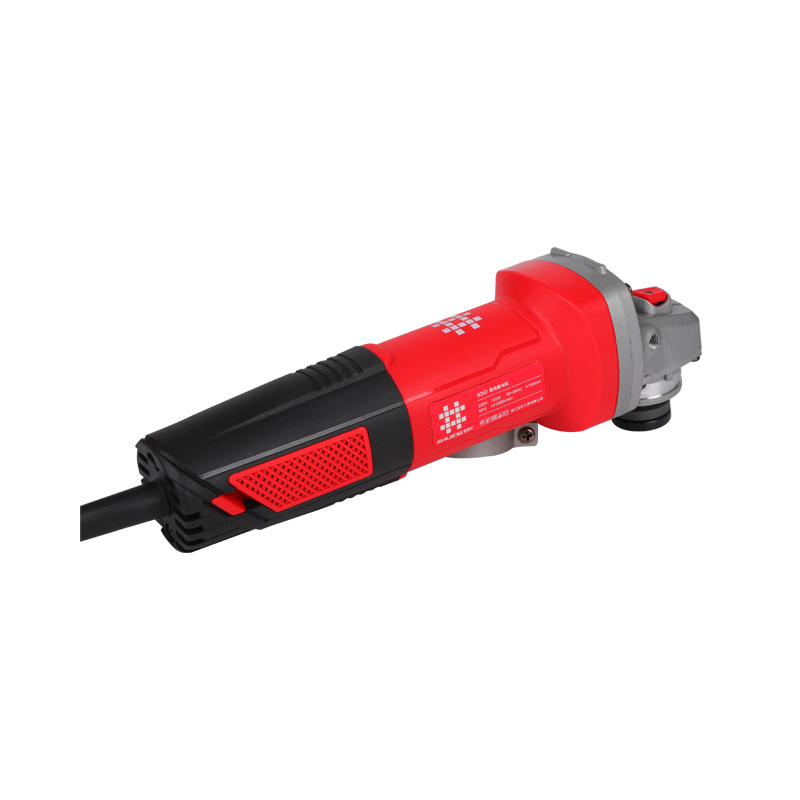
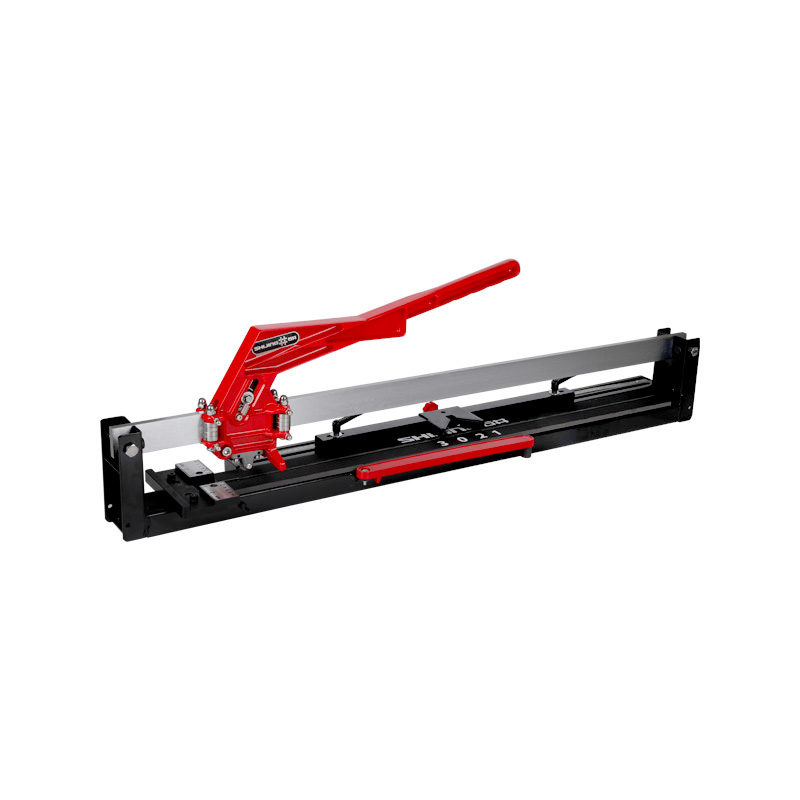
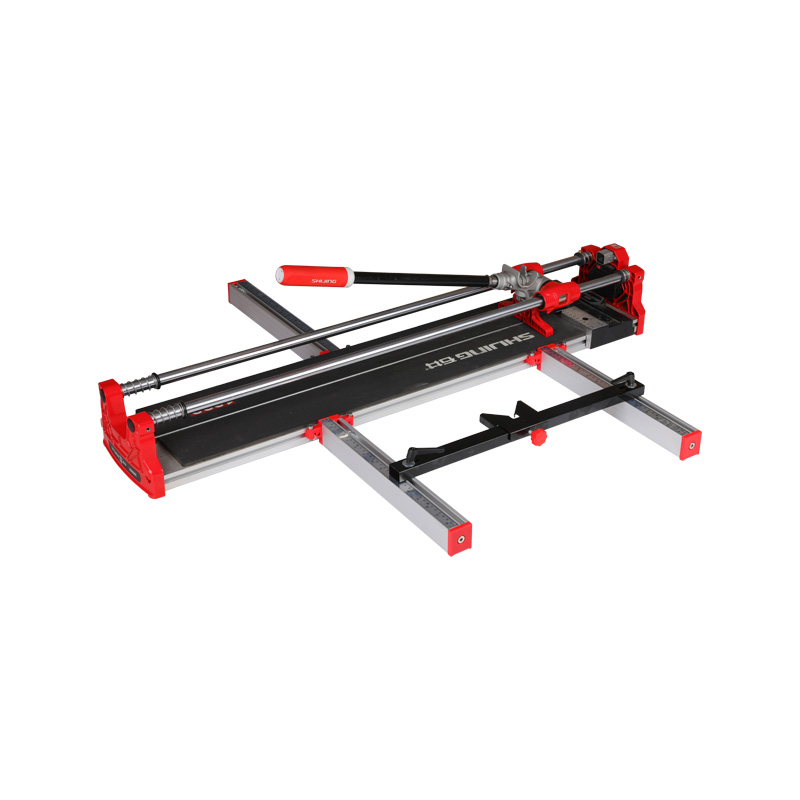

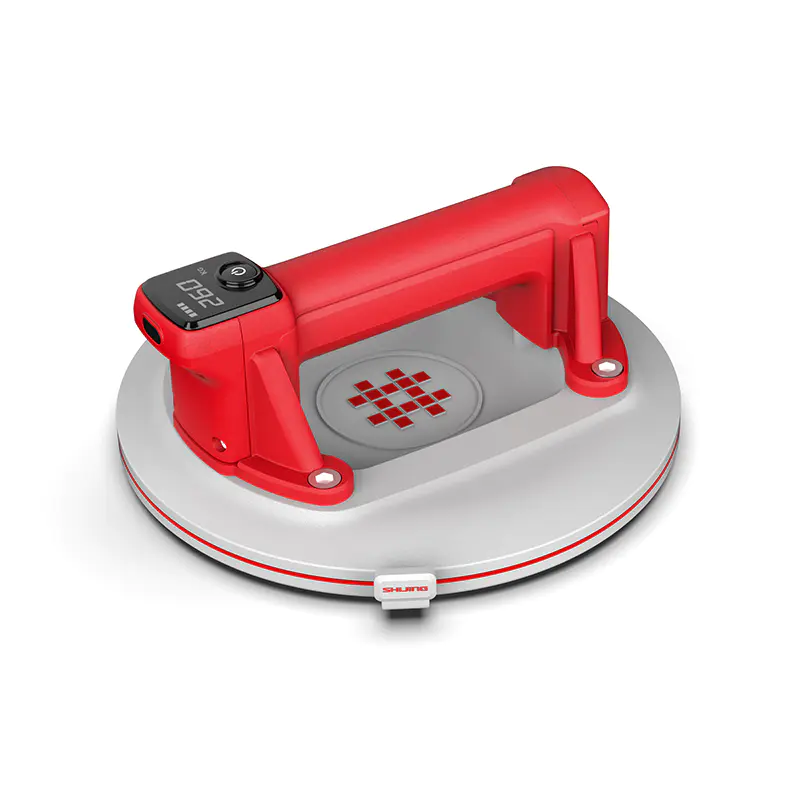
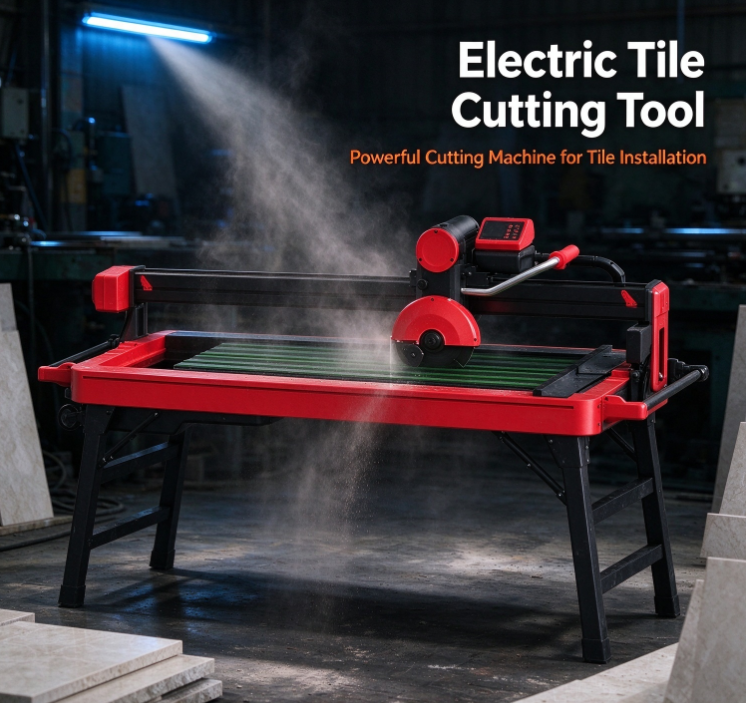
Electric tile cutting tools carry real weight in construction, renovation, and interior finishing work. Tiles turn up everywhere, on floors, walls, kitchen surfaces, bathroom walls, and outdoor areas alike. The catch is that tiles almost always need cutting to fit room layouts, corners, edges, pipes, and other fixed structures that don't exactly cooperate with standard tile sizes. A cutting tool helps workers handle these tasks with a lot more control during installation than they'd otherwise have.
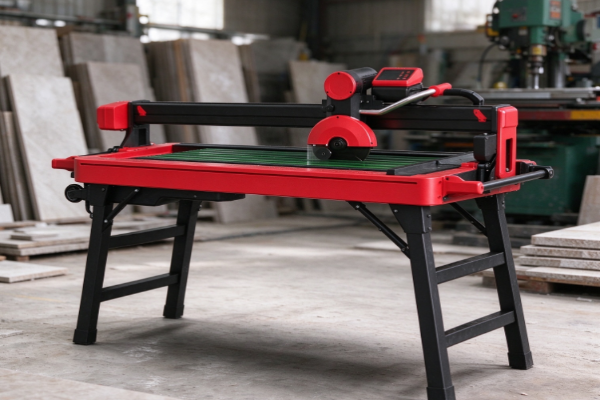
The use of these tools stretches well beyond large construction sites. Home renovation teams, tile installation contractors, interior decoration companies, and specialist workshops all end up needing equipment for cutting tiles at some point. Different projects bring different tile materials, shapes, and installation conditions to the table. The choice of cutting tool, then, really comes down to the work being performed and the type of material involved.
For tool manufacturers, distributors, and professional buyers, getting a clear picture of where electric tile cutting tools actually get used helps clarify what the product really needs to deliver. Residential projects often call for portable equipment suited to smaller jobs, while commercial construction can involve repeated cutting across much larger working areas. Knowing these differences supports smarter product selection and better equipment planning down the line.
Where Are Electric Tile Cutting Tools Used in Residential Renovation?
Residential renovation ranks as one of the common applications for cutting tools. Homeowners regularly replace old flooring, update bathrooms, remodel kitchens, or spruce up outdoor living spaces. These projects demand tiles that fit the actual dimensions of a room, which means workers often need to cut tiles along walls, around corners, or near fixed fixtures that won't budge.
Floor renovation is a good example of this in action. A room might look rectangular at first glance, but its edges often include door frames, columns, thresholds, and other quirky features. Full tiles rarely fit every section of the floor perfectly. Installers lean on cutting tools to prepare pieces that fit these awkward areas while keeping a consistent layout across the whole surface.
Bathrooms bring their own set of cutting demands. Tiles need to fit around drains, plumbing connections, wall corners, and built-in fixtures that pop up in odd places. What cuts are needed really depends on the room design and the tile layout chosen. An electric tile cutting tool helps installers prepare suitable pieces for these details, though genuinely complex shapes sometimes call for additional tools or different cutting methods entirely.
Kitchen renovation is another familiar setting for this work. Tile backsplashes, floor surfaces, and select wall areas often need pieces cut to fit around cabinets, counters, outlets, or other fixtures crowding the space. Accurate preparation helps installers slot tiles into the planned layout and cuts down on unnecessary adjustments once installation is already underway.
Residential projects vary a lot in scale. A small bathroom update might involve minimal cutting, while a full home renovation can demand work spanning several rooms at once. Contractors should think through the range of tasks they expect to tackle, the available workspace, and how equipment will actually move between locations throughout the job.
For suppliers, residential renovation represents a genuinely varied user group. Some buyers need tools for occasional work here and there, while professional renovation teams need equipment built for regular, sustained use. Product descriptions should make the intended applications clear, so buyers can pick equipment that actually matches their work instead of guessing.
How Are Electric Tile Cutting Tools Used on Commercial Construction Sites?
Commercial construction projects often involve tiled areas scattered across offices, hotels, shopping centers, restaurants, schools, and other public buildings. These spaces frequently include large floors, corridors, entrances, washrooms, and decorative wall surfaces, each bringing its own cutting demands. Cutting tools help installation teams prepare tiles for all these different areas within one project.
A commercial floor might span several connected rooms or stretch across one large open area entirely. Installers need to follow the planned tile layout while adjusting pieces around walls, structural features, doorways, and floor transitions as they go. Cutting tools support this work by letting tiles get prepared for specific positions ahead of installation, rather than scrambling on the fly.
Public buildings often use tiles to create visual patterns or carve out separate spaces within a larger area. A design might call for different tile colors, directional layouts, borders, or decorative sections woven throughout. Arrangements like these can push up the number of cuts required during installation quite a bit. Workers need to weigh both the shape of each piece and how it fits into the overall design taking shape.
Commercial projects frequently involve several installation teams working across different areas simultaneously. Equipment needs, then, often depend on the work schedule, site layout, material handling process, and available working space at any given moment. A tool that's great for a fixed cutting area might prove a lot less convenient when workers need to move between floors or rooms throughout the day.
The working environment matters here too. Construction sites tend to contain dust, stored materials, electrical equipment, and people juggling different tasks all at once. Cutting should happen in a suitable area with proper safety measures in place. Workers should stick to the tool manufacturer's instructions and use whatever protective equipment the job calls for.
For commercial contractors, the purchase decision should reflect the expected workload and project conditions realistically. Buyers do well reviewing equipment portability, ease of setup, cutting applications, maintenance needs, and the availability of replacement parts. These considerations help determine whether a tool genuinely fits the contractor's normal day-to-day work.
Where Are Electric Tile Cutting Tools Used in Kitchens and Bathrooms?
Kitchens and bathrooms stand out as important tile installation areas because they combine decorative surfaces with fixed fixtures and functional features all in one tight space. Tiles might get installed on floors, walls, backsplashes, shower areas, and select countertop surroundings, with each location creating its own cutting requirements.
In kitchens, backsplash tiles often need to fit around cabinets, counters, wall edges, and electrical outlets scattered throughout the space. The layout might include a repeated pattern or a decorative border running along one edge. Installers need to prepare pieces matching the available space without throwing off the intended arrangement they've planned.
Bathroom projects can involve an even wider range of fiddly details. Floor tiles need to fit around drains, while wall tiles have to meet corners, niches, pipes, and shower fittings cleanly. The shape of the room and where the fixtures sit really shapes where cuts end up being needed. Installers often map out the layout before cutting anything, so they can spot which pieces need adjustment ahead of time.
Tile materials shape the choice of equipment and cutting method too. Ceramic tiles, porcelain tiles, and other hard surface products can behave pretty differently during cutting. Buyers should check that the selected tool and blade actually suit the intended material. A tool built for one application shouldn't get assumed suitable for every tile type without checking first.
The visible finish matters a lot in kitchens and bathrooms specifically. Cut edges often end up exposed near corners, borders, or fixtures where everyone can see them. Installers need to follow the right cutting method and handle the material carefully to avoid unwanted chipping or damage along the way. Some edges might need extra finishing work after the initial cut too.
For renovation contractors, equipment selection should account for the full range of tile materials and installation details they typically run into on the job. Suppliers can support buyers by explaining a tool's intended uses, compatible accessories, and maintenance requirements, all without making unsupported claims about the results it'll deliver.
How Are Electric Tile Cutting Tools Used in Flooring and Wall Tiling?
Flooring and wall tiling share some basic cutting needs, but the actual installation conditions can differ quite a bit between the two. Floor tiles often need to fit across broad surfaces, while wall tiles usually require careful adjustment around corners, openings, and fixtures. Cutting tools get used in both settings to prepare tiles for their planned positions.
Floor installation might involve repeated straight cuts along room edges or transitions between different floor areas. Installers need to think through the tile pattern, where the walls sit, and how adjoining surfaces actually meet up. When a project uses several tile sizes or decorative sections, the cutting plan can get a lot more involved than a simple straight line here and there.
Wall tiling brings its own set of challenges entirely. Tiles need to fit around windows, doors, shelves, wall niches, and plumbing features that interrupt the surface. Installers often need to prepare pieces for narrow spaces or line up cuts with surrounding design elements carefully. Careful measurement before cutting cuts down on the need to replace tiles that got prepared incorrectly the first time around.
Some projects blend floor and wall tiles together to create one consistent interior design. The materials chosen might share a color theme while differing in size, surface finish, or intended use entirely. Workers should weigh these differences when picking equipment and planning out their cutting process from the start.
The work area itself can shape how cutting actually happens. Floor installation might allow for a designated cutting station right near the work area, while wall tiling in a small room might need a separate space entirely for preparing pieces. Portable tools come in handy when movement is necessary, but how suitable a tool actually is still depends on its design and the working conditions at hand.
For tile installers, the goal really comes down to matching the cutting method to the material and layout in front of them. For equipment suppliers, explaining the differences between common cutting applications helps customers choose tools that genuinely suit their projects, rather than defaulting to whatever's on sale.
Are Electric Tile Cutting Tools Used for Outdoor and Landscaping Projects?
Cutting tools also show up in outdoor construction and landscaping work when projects involve suitable paving tiles or other tile products. Common applications include patios, garden paths, outdoor seating areas, covered terraces, and tiled entrances. These areas often need tiles cut to fit around boundaries, steps, posts, drains, or shifts in surface layout.
Outdoor projects can bring genuinely irregular shapes into play. A patio might connect to a wall on one side and a garden border on the other, with neither edge lining up neatly. Installers often need to cut tiles to follow the planned edge or accommodate fixed structures that won't move. Paths and seating areas can also need adjusted pieces wherever the layout changes direction unexpectedly.
The material chosen for outdoor use matters a great deal here. Products designed for outdoor paving can differ quite a bit from indoor wall or floor tiles. Their thickness, composition, and intended application all affect which cutting method actually suits them. Buyers and installers should confirm compatibility before reaching for a particular electric cutting tool on an outdoor job.
Working conditions deserve consideration too. Outdoor sites can expose equipment to changing weather, uneven ground, dust, and limited access to power outlets. Tools should get used according to their instructions and within the conditions they're actually designed for. Equipment not built for wet or exposed environments shouldn't end up in those conditions regardless of convenience.
Outdoor projects often require coordinating with other trades working nearby too. Installers might need to work around drainage systems, landscaping features, steps, and building entrances all at once. Planning the tile layout before cutting helps identify where special pieces will be needed and where equipment can actually be positioned safely.
For contractors handling both indoor and outdoor work, a tool's application range becomes a genuinely important purchasing consideration. Buyers should compare the equipment against the materials and site conditions they expect to encounter, rather than assuming one tool will magically suit every outdoor project that comes along.
Why Do Tile Installation Contractors Use Electric Tile Cutting Tools?
Tile installation contractors often work across a lot of different project types, from small residential repairs to much larger commercial installations. They need equipment that fits the materials, cutting tasks, and working conditions tied to each individual job. Electric tile cutting tools support repeated cutting tasks and help contractors prepare tiles according to whatever layout they've planned.
The main practical benefit comes down to carrying out cutting tasks using powered equipment instead of manual effort alone. Depending on the tool design, this can prove especially useful when a project involves a lot of tiles or requires repeated cuts throughout the day. How suitable it actually is still depends on the material, the type of cut, the tool's capabilities, and the installer's own working method.
Contractors also tend to think about consistency across the job. When multiple tiles need similar cuts, using suitable equipment alongside a clear process helps workers prepare pieces in a far more organized way. Measurement, alignment, blade condition, and operator technique still shape the end result, of course. Equipment alone doesn't remove the need for careful preparation at every step.
Portability can matter a lot for contractors bouncing between job sites throughout the week. A tool that's easy to transport and set up tends to suit renovation work spread across different buildings. For workshops or fixed cutting stations, other design features might matter more than portability does. The right choice really comes down to how the contractor organizes the work day to day.
Maintenance is another piece of the equipment planning puzzle worth not overlooking. Cutting tools and their accessories need regular inspection and care according to the manufacturer's instructions. Worn components, the wrong blade selection, or unsuitable operating conditions can all drag down performance and raise genuine safety concerns. Contractors should fold equipment checks into their normal work procedures rather than treating them as an afterthought.
For businesses purchasing tools for a whole team, training and handling practices matter just as much. Workers need a solid grasp of the operating instructions, material compatibility, safe positioning, and appropriate protective measures. Practices like these help the tool actually integrate smoothly into the broader installation process instead of becoming a liability.
What Types of Tile Materials Can Electric Tile Cutting Tools Handle?
The materials involved in a project rank as a genuinely important factor when choosing an electric tile cutting tool. Tiles vary quite a bit in composition, hardness, thickness, surface finish, and intended application. These differences shape which cutting methods and accessories actually make sense for the job.
Ceramic tiles show up constantly on floors and walls across residential, commercial, and renovation projects alike. Depending on the specific tile and tool, electric cutting equipment can prepare straight edges and other required cuts without much trouble.
Porcelain tiles are another material that turns up frequently in interior and exterior finishing work. They might get chosen for floors, walls, and other tiled surfaces throughout a project. Buyers should pay close attention to a cutting tool's stated suitability for porcelain specifically, since the material sometimes needs a different approach than other tile products.
Natural stone tiles and other specialized surface materials often need extra care during cutting. Their composition and surface characteristics can vary a lot, so a cutting method that works fine for one tile shouldn't get assumed suitable for another without checking. The tool, blade, and operating procedure all need to match the material in front of them.
Some projects also lean on decorative tiles or products carrying distinctive surface finishes. These sometimes need careful handling to avoid visible damage during cutting. Installers should review the product manufacturer's guidance and test the intended method when it makes sense to do so.
A buyer evaluating an electric tile cutting tool should think through the materials they most often work with on the job. The important questions worth asking: is the tool actually designed for those materials, which blades or accessories does it require, and what operating conditions need following throughout? Clear answers to these questions help buyers avoid picking equipment based purely on its general product category.
What Should Buyers Consider When Selecting an Electric Tile Cutting Tool?
Buyers should begin by defining the work the tool is expected to handle. A contractor who mainly completes small bathroom renovations may have different needs from a company installing tile across large commercial floors. The intended applications should guide the selection process.
Material compatibility: Buyers should identify the types of tiles they expect to cut. Ceramic, porcelain, and natural stone products may require different cutting methods or accessories. Compatibility should be confirmed with the supplier or manufacturer.
Project environment: Consider whether the tool will be used in a workshop, on a construction site, inside a home, or in an outdoor area. Available space, power access, portability, and working conditions can affect the suitability of the equipment.
Cutting requirements: Buyers should describe the types of cuts they commonly perform. Straight cuts, edge adjustments, and more complex shapes may call for different methods or additional tools. The selected product should match the work rather than being chosen on the assumption that every cutting task is the same.
Maintenance and accessories: Ask about blade compatibility, replacement parts, cleaning, inspection, and routine care. These details help buyers understand what will be required to keep the equipment in suitable working condition.
Supplier communication: When contacting an electric tile cutting tool manufacturer or supplier, explain the target application, tile materials, work environment, and expected use. Ask for product documentation and confirm any limitations before making a purchase.
A clear purchasing process helps contractors, distributors, and other professional buyers compare products based on practical requirements. It also allows manufacturers to provide more relevant information about tool applications, accessories, and maintenance needs.
.jpg "7859E 12 (3D) Lines Laser")
.jpg "1320 Level Ruler")