English
 中文简体
中文简体 русский
 Español
 Deutsch
You can learn the recent information of Shijing.

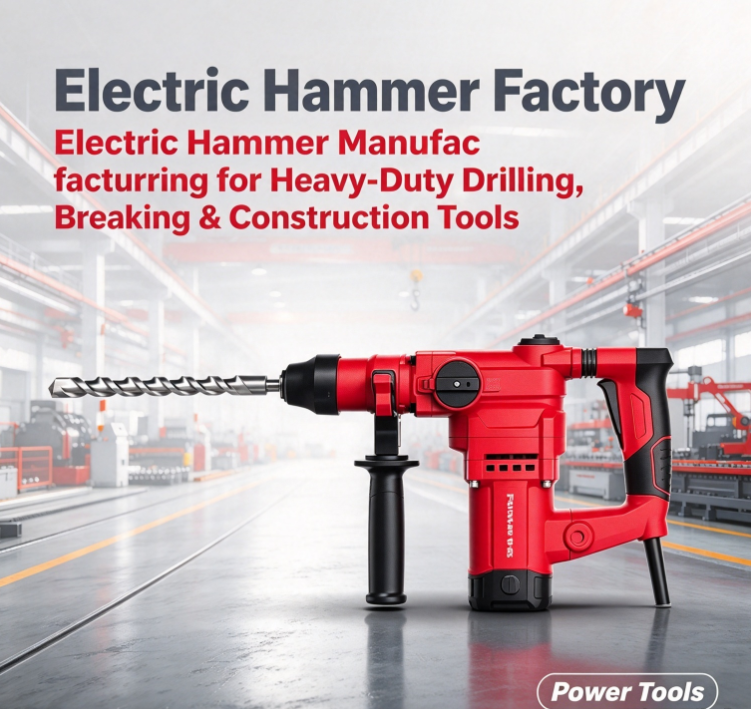
Construction work does not always involve the same type of task. One project may require work on walls, while another may involve floors, building maintenance, installation, or renovation. Different jobs can also create different expectations for the tools used during the process.An Electric Hammer Factory may therefore need to support more than one product concept.
Electric hammers are used in different working environments. Their applications can include construction, renovation, installation, repair, and other tasks where powered impact is needed. The way a tool is designed can change according to the intended use.
For manufacturers, this creates a broader production process. A factory may need to work with different product shapes, functions, user requirements, and application scenarios.
For buyers, understanding this range can make product planning easier. Instead of viewing an electric hammer as one fixed type of tool, it can be more useful to consider how the product will be used and what kind of work it needs to support.
The ability of a factory to handle different product concepts can influence how buyers approach tool development and sourcing.
What Types of Applications Can Electric Hammers Support?
Electric hammers can be used in several areas of construction and maintenance. The exact application depends on the design of the tool and the task being performed.
Construction work is one common area. Workers may need powered tools when working with building materials during installation or preparation. An electric hammer can form part of a broader set of construction tools.
Renovation projects can create another type of demand. Existing buildings often require changes to walls, floors, fixtures, or other parts of a space. The tools used for these tasks may need to fit a more varied working environment.
Installation work can also involve electric hammers. Workers may need to prepare surfaces or make space for components during an installation process.
Maintenance and repair tasks are another possible application. These jobs may take place in homes, commercial buildings, workshops, or other locations.
A factory producing electric hammers for different applications needs to understand these differences. The product should be developed around its intended working conditions rather than treated as a universal solution.
These applications can overlap. A tool used for renovation may also be suitable for certain installation tasks. What matters is how the product is designed around the work.
| Application | Possible Tool Requirement |
|---|---|
| Construction | Support for regular building work |
| Renovation | Suitable handling for changes to existing spaces |
| Installation | Support for preparing areas for installation |
| Maintenance | Practical use during repair work |
| Home improvement | Convenient handling for household projects |
| Workshop tasks | A design suited to controlled working environments |
How Can an Electric Hammer Factory Produce Different Tool Designs?
Different applications can lead to different product designs. The outer shape, handle arrangement, control layout, and overall structure may all be considered during development.
A tool intended for regular construction work may have different design priorities from one intended for occasional home improvement.
The factory may begin by understanding the intended use. This includes the type of work, the expected handling process, and the environment in which the tool will be used.Product design can then be adjusted around these requirements.
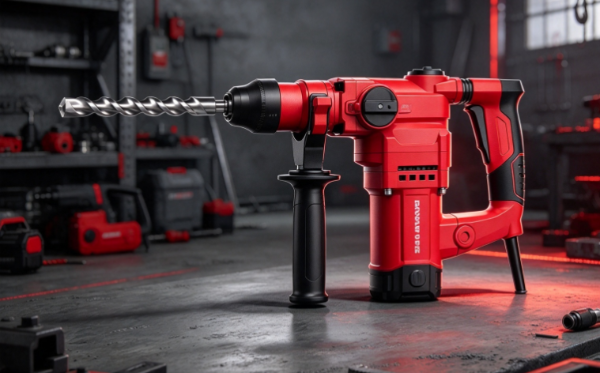
The appearance of the tool is one consideration. Buyers may want a product that has a particular shape or visual identity. The way the product is held and operated can also influence the design.
Control placement is another area. Users need to interact with the tool while working, so the controls should fit naturally into the overall product structure.
The factory may also need to consider how the tool is assembled. Different product concepts can require different approaches to production and inspection.
This is why an Electric Hammer Factory that handles multiple product designs needs an organized manufacturing process. Product variety should still allow each model to follow its own design requirements.
Can One Factory Support Construction and Renovation Tools?
Construction and renovation may look similar from the outside, but the working conditions can be quite different.
New construction projects often take place in spaces that are still being built. Workers may have more freedom to move around and prepare the working area.
Renovation projects take place in existing spaces. There may already be furniture, walls, fixtures, flooring, or other finished elements nearby. Workers need to move through these environments while carrying out their tasks.
This difference can affect tool preferences.
An Electric Hammer Factory can support both types of applications when its product development process is flexible enough to address different user needs.
For construction use, a product may be designed around regular work and straightforward handling. For renovation use, users may pay more attention to portability, handling comfort, and the ability to work in changing spaces.
The factory does not necessarily need to produce completely unrelated tools. Different versions can share a general product concept while being developed for different applications.
This approach can allow a manufacturer to serve several market needs without treating every project as exactly the same.
How Does Product Design Change for Different Users?
The same application can involve different types of users. A professional worker may use an electric hammer as part of regular work. A contractor may need tools for different project environments. A homeowner may only use the product during occasional renovation or repair tasks.
These users can have different expectations.
Professional users may pay attention to handling, workflow, and the way the tool fits into regular work. Home users may focus more on ease of use and straightforward operation.
A factory needs to understand these differences when developing products.
User-oriented design can influence the handle, controls, balance, outer shape, and general operation of an electric hammer. The goal is not to create one design that tries to suit every person in exactly the same way.
Instead, product development can be organized around specific groups and applications.
For example, a factory may work on several product concepts for different markets. Each product can have its own design direction while remaining part of the manufacturer's wider product range.
This gives buyers more flexibility when selecting a product for a particular application.
What Role Does Customization Play in Electric Hammer Production?
Customization can be useful when standard products do not fully match a buyer's product concept.
An Electric Hammer Factory may work with buyers who have specific requirements for appearance, structure, packaging, or product configuration.
The process can begin with the basic purpose of the tool. A buyer may need an electric hammer for construction, renovation, installation, or another defined application.
The factory can then discuss the design requirements.
Customization may involve areas such as:
- Outer product appearance
- Handle design
- Control arrangement
- Product color
- Surface treatment
- Packaging style
- Product labeling
- Accessory organization
Not every project requires extensive customization. A buyer may only need changes to the outer appearance and packaging. Another project may involve a broader product design process.
Clear communication is important in either case. The factory needs to understand what the buyer wants the finished product to look like and how it should fit the intended application.
This makes customization less about adding unnecessary features and more about creating a product that matches a defined market need.
Can an Electric Hammer Factory Support Different Market Needs?
Electric hammer products can be sold into different markets. Construction supply, hardware distribution, home improvement, maintenance, and professional tool channels may all have their own product expectations.
A factory that works with different buyers may therefore need to manage a range of product concepts.
Market differences can influence appearance, packaging, product positioning, and application focus.
For example, a product intended for professional users may be presented differently from one intended for household customers. The tool itself may also be developed around different usage habits.
An Electric Hammer Factory can support these needs by maintaining flexible product development and manufacturing processes.
This does not mean producing a completely different product for every customer. A manufacturer may instead develop a product family with different versions that address different application needs.
Such an approach can make product planning more manageable. Buyers can select a suitable direction and then discuss whether additional customization is needed.
The factory's role is to connect product design with the intended market without losing sight of practical manufacturing requirements.
What Should Buyers Ask an Electric Hammer Factory Before Production?
Choosing an electric hammer for a particular application involves more than checking the product appearance. Buyers should understand how the factory approaches product development and manufacturing.
Several questions can help clarify the project.
1. What applications is the product designed for?
The buyer should explain the intended use clearly. This helps the factory understand the working environment and product purpose.
2. Can the factory support different product designs?
A buyer may need a specific appearance or product structure. Knowing what the factory can handle can make planning easier.
3. Can the product be customized?
Customization may involve the tool itself, packaging, labeling, or other product elements. The scope should be discussed before production.
4. How does the factory manage different product models?
A manufacturer working with several designs needs a clear production process. Buyers can ask how different product versions are organized during manufacturing.
5. Can the factory support packaging requirements?
Packaging is part of the final product presentation. It should match the intended market and product concept.
6. How does the factory handle product inspection?
A consistent inspection process can help identify production issues before products reach the buyer.
These questions can help buyers understand whether the factory is prepared for their particular project.
How Can an Electric Hammer Factory Adapt to Changing Applications?
The needs of construction and maintenance work can change from one project to another. New product concepts may also create demand for different tool designs.
A factory that works with multiple applications needs to be able to adjust its production approach.
This starts with product development. The manufacturer should be able to review different application requirements and translate them into a practical product concept.
Production flexibility is also important. Different product models may require different assembly arrangements, packaging methods, or inspection processes.
Communication between the buyer and factory has a role as well. When the intended application is clearly explained, the manufacturer can better understand which parts of the product need attention.
A flexible approach can support several types of electric hammer projects without treating every product as identical.
For buyers, this can create more options during product development. They can discuss the intended application, identify the main product requirements, and work with the factory on a design that fits the project.
An Electric Hammer Factory can therefore produce tools for different applications when its product development, manufacturing, customization, and quality processes are organized around varied user needs. Construction, renovation, installation, maintenance, and home improvement can each create different requirements, and the product design can be developed around those requirements.
.jpg "1320 Level Ruler")
.jpg "1220 Level Ruler")