English
 中文简体
 русский
 Español
 Deutsch

You can learn the recent information of Shijing.
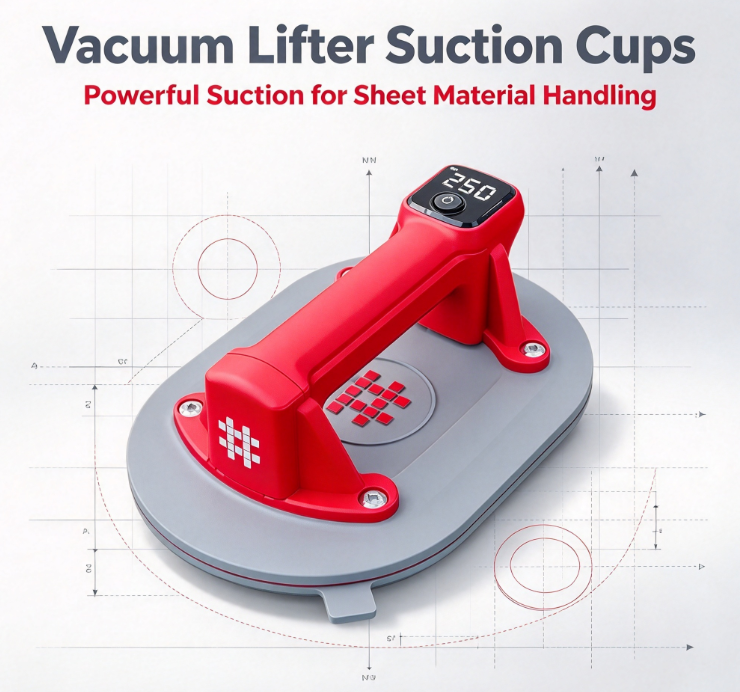
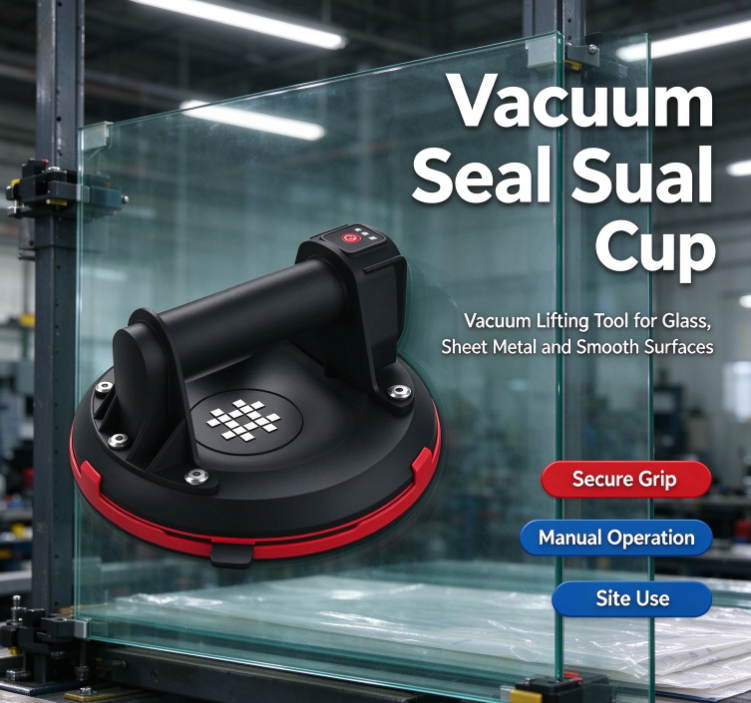
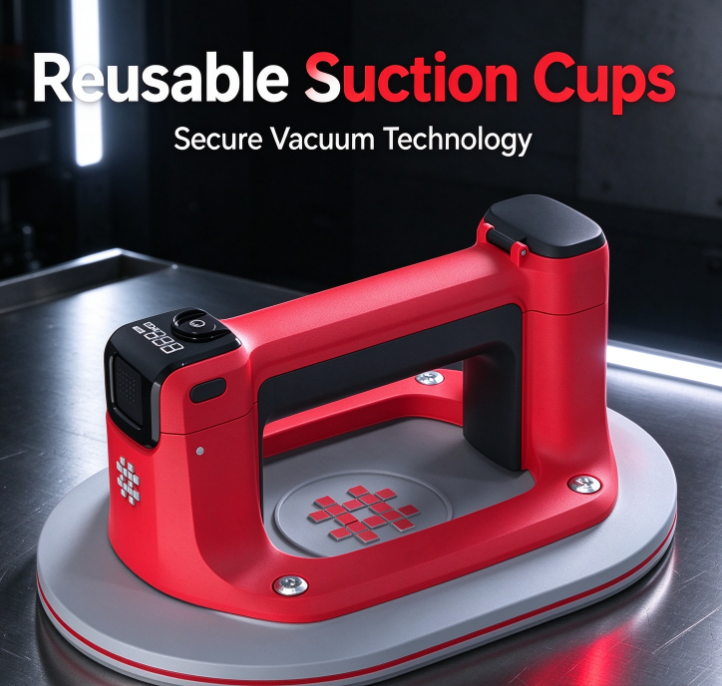
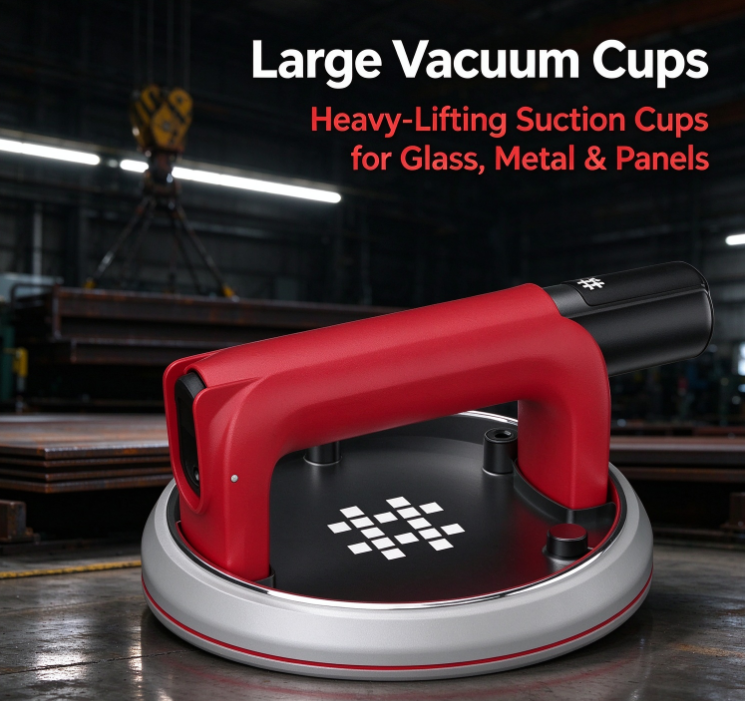
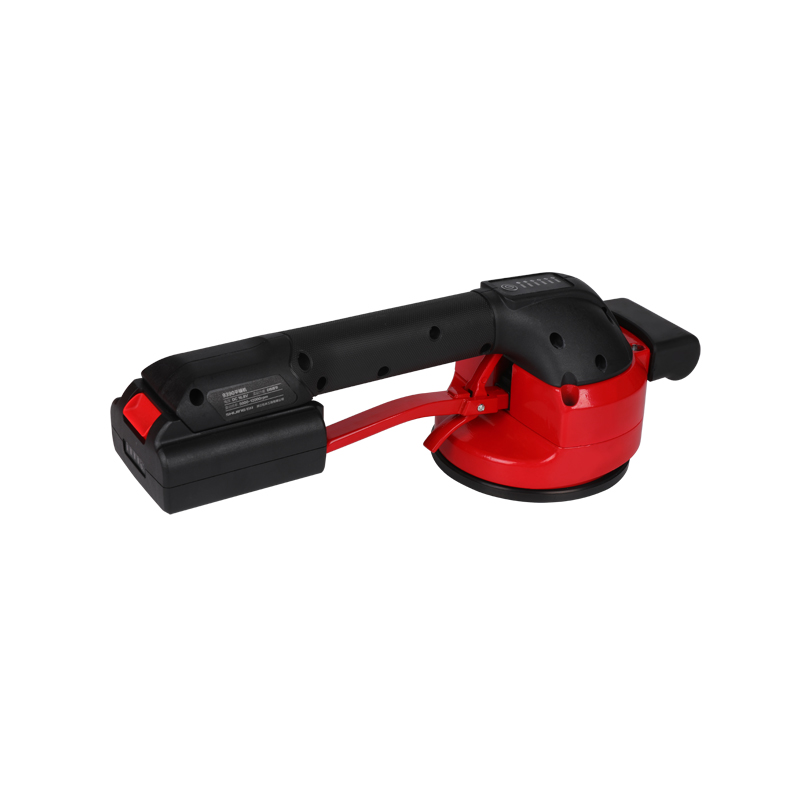

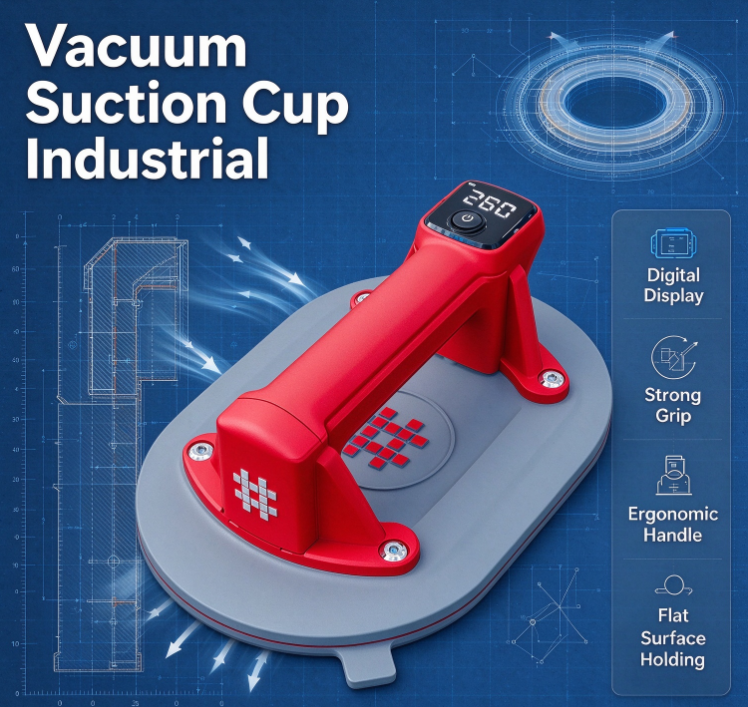
Moving, lifting, positioning, and transferring materials is part of nearly every stage of manufacturing. Plenty of these jobs call for a light touch, particularly when the product is glossy, oddly shaped, or easy to break. Clamps and mechanical grippers often struggle here. Industrial vacuum suction cups were built for exactly this kind of problem.
You'll find vacuum suction cups on automated machines, robot arms, packaging lines, and material handling systems. A pressure difference between the cup and the object's surface creates the holding force. No jaws or clamps are needed to pick up and move the product.
Manufacturing keeps changing, and so do the demands on handling equipment. Every industry deals with its own materials, shapes, and working conditions. A cup meant for glass won't have the same requirements as one meant for cardboard, sheet metal, or plastic parts.
Knowing how these cups work, and where they fit, makes it easier for manufacturers to choose well. Their uses run from automotive plants to food processing lines to electronic assembly.
What Are Industrial Vacuum Suction Cups and How Do They Work?
An industrial vacuum suction cup is a gripping component that holds and moves objects using vacuum force. Most are mounted on robotic arms, automatic lifting equipment, packaging machines, or similar handling systems.
Mechanical grippers hold an object by pressing on it from several sides. A suction cup works differently. It forms a sealed contact area against the surface, and air is drawn out of the space between the cup and the object. The surrounding air pressure then pushes the object against the cup and keeps it there while it moves.
The process is fairly simple. The cup touches the object, and its flexible body conforms to the surface to make a seal. A vacuum source pulls the air out of the contact area. Once the grip is established, the machine can lift, carry, or reposition the object.
At the destination, the vacuum is released and the cup lets go. The product carries on down the line.
A few components make this possible:
- Suction cup body: The part that touches the object and forms the seal.
- Vacuum source: The equipment that generates the pressure difference.
- Connecting components: The fittings that link the cup to the machine or robot.
- Control system: The parts that manage gripping, holding, and releasing.
Cup design shapes how well the cup deals with a given object. Some have a flat contact face, while others are curved or flexible. Manufacturers pick among these variations depending on the task.
Why Are Industrial Vacuum Suction Cups Used in Different Industries?
Part of the appeal is that a cup needs no elaborate gripping structure. It only needs access to one surface of the object, and from there it can carry the product through a controlled process.
That matters on production floors where shapes, sizes, and surface finishes vary. One line may have to run several product types, so grippers that adapt easily become a real priority.
Vacuum cups also suit automation. Products in a factory travel constantly between machines, processing stations, storage areas, and packaging equipment. Doing all of that by hand takes a lot of labor and tends to interrupt the flow of production.
Hooked up to automated equipment, suction cups can pick and place the same items again and again. Material movement becomes more orderly, and fewer products need to be touched by people.
Several practical traits explain why they're so widely used:
Flexible surface contact
The soft cup material conforms to some surface shapes, so it can get a hold of products that rigid tools handle poorly.
Reduced mechanical pressure
Nothing is clamped between hard surfaces. That counts when the material scratches, marks, or deforms under heavy contact pressure.
Compatibility with automation
Cups integrate with robot arms, lifting devices, and automated production equipment, which makes them a natural fit for repetitive transfer work.
Adaptability to different products
Cup shape and material can be matched to the surface, weight, and handling conditions of what's being moved.
Still, vacuum gripping doesn't work everywhere. Porous materials, heavily textured surfaces, and objects with poor contact areas make a stable seal hard to keep. These conditions should be checked before settling on a gripping method.
How Are Vacuum Suction Cups Used in the Automotive Industry?
A car plant moves a lot of material. Metal sheets, glass panels, plastic components, and interior parts all travel from one production stage to the next.
Suction cups are common here because they cope with large, fairly flat surfaces as well as components of many shapes.
With sheet metal, cups lift and transfer panels before or during forming. Smooth panel surfaces give the cups something to seal against, and automated equipment carries the panels between storage and processing machines.
Glass is another major use. Windows and windshields need careful handling, since the wrong grip can damage the surface. Vacuum cups support the glass by contact during lifting, positioning, and installation.
Plastic components are handled too. They often have curved surfaces or varied structural features, so the cup design has to match the contact area to hold reliably.
In automated assembly, cups team up with robot arms to place components in exact positions. This keeps the stages of production in step and the material moving consistently.
Painted surfaces add another wrinkle. The contact material and the condition of the surface both need thought. A well-chosen cup can cut down on marks, but the result still depends on the cup material, how clean the surface is, and the operating conditions.
What Role Do Vacuum Suction Cups Play in Glass and Construction Material Handling?
Glass and construction materials are usually big and heavy. Moving them by hand is hard, and placing them accurately is harder.
Vacuum cups are used widely in glass processing plants, building material warehouses, and construction sites. Because they grip a broad surface, they work well for lifting and moving flat materials.
In glass manufacturing, cups carry sheets between cutting, polishing, washing, and inspection. Automated handling equipment often uses several cups at once so the holding force spreads across the sheet.
On building sites, vacuum lifting devices let workers position large glass panels during installation. Installers don't have to hold the glass directly, and they keep control of it as it goes into place.
Stone and other building materials can be lifted by vacuum as well. Polished slabs, decorative panels, and some non-porous surfaces are good candidates.
Construction materials vary a great deal in surface quality, though. Rough stone, porous concrete, and uneven decorative finishes may not seal reliably. For those, the gripping equipment has to be chosen to suit the material and contact conditions.
The environment plays a part too. Dust, moisture, and residue on the surface all interfere with contact between cup and object. Regular inspection and cleaning belong in the daily routine.
How Are Industrial Suction Cups Applied in Food and Packaging Industries?
Food processing and packaging plants handle a long list of items: packaged foods, containers, cartons, plastic trays, and flexible packaging. On many lines, products must be picked up, moved, sorted, and set down in particular positions.
Vacuum cups handle much of this as a practical way to grip products during automated handling.
In packaging, they open cartons, lift packaging materials, and move products between stations. They also pick up plastic containers and trays ahead of filling or sealing.
Flexible packaging is trickier. Bags, pouches, and thin films change shape as they're handled. The cup has to make contact without squashing the package and without losing its grip while the package moves.
Cups may also be used on food products with delicate surfaces. Direct food contact raises questions about material suitability, hygiene, and cleaning, and those need close attention.
Material choice carries extra weight in this sector. Anything touching food-related equipment must meet the requirements that apply to its intended contact conditions, and it has to stand up to the cleaning methods used on site.
Packaging facilities also change products often. A line might run several package shapes and materials in a single day, and interchangeable gripping components make those switches easier for the equipment.
Why Are Vacuum Suction Cups Important in Electronics Manufacturing?
Electronics parts are small, delicate, and easily damaged, so handling has to be careful. Circuit boards, display panels, housings, and similar items can be hurt by scratches, pressure, or contamination.
For some electronic products, vacuum cups offer a contact-based way to handle them. They show up in automated assembly equipment, inspection systems, and material transfer machines.
In circuit board production, vacuum grippers can carry boards between processing stations. The contact position must stay clear of sensitive areas and components that handling could damage.
Display manufacturing is another fit. Glass panels and display materials need controlled movement through assembly and inspection, and cups can support this when the surface and the product structure allow it.
Electronic housings and plastic parts are sometimes moved by suction too. Depending on shape, manufacturers choose flat, bellows-style, or custom-designed cups.
Cleanliness matters a great deal in electronics. Dust, oil, and other contaminants can harm the product and also weaken the grip. Cups should be maintained to suit the production environment.
Static electricity is another thing to weigh when choosing gripping materials for sensitive electronics. The material and equipment setup should meet the needs of the specific process.
Which Types of Industrial Vacuum Suction Cups Are Suitable for Different Applications?
Suction cups come in many shapes and materials. Each design has its own strengths and suits particular products and handling conditions.
Picking the right one takes more than looking at cup shape. Surface condition, product structure, movement requirements, and the surrounding environment all come into it.
The table below lists several common designs and their typical uses.
| Suction Cup Type | Main Characteristics | Common Applications |
|---|---|---|
| Flat Suction Cups | Broad contact area for relatively even surfaces | Glass sheets, metal panels, plastic boards |
| Bellows Suction Cups | Flexible structure that adjusts to different object heights and surfaces | Packaging, irregular components, automated assembly |
| Oval Suction Cups | Narrow, elongated contact shape | Long or narrow workpieces, profiles, small panels |
| Deep Suction Cups | Made for contact with certain curved or recessed surfaces | Containers, shaped plastic products, curved components |
| Foam Suction Cups | Soft contact structure that grips some uneven or porous surfaces | Cartons, packaging materials, textured panels |
Material is just as important. Rubber-based materials are the usual choice because they stay flexible and seal well against suitable surfaces.
Materials differ in how well they resist wear, heat, oils, and cleaning agents. A cup in a packaging plant faces different conditions from one in a metal workshop, for instance.
The product and the working environment should both guide the choice. A wrong cup leads to unstable gripping, surface marks, or constant replacement.
What Factors Should Manufacturers Consider When Choosing Industrial Vacuum Suction Cups?
Choosing a cup starts with understanding the real handling process. What works in one plant may fail in another. Manufacturers should look at how the cup design, the product's characteristics, and the equipment's operation fit together.
Several factors deserve attention.
1. Surface Material and Condition
The material and finish of the workpiece decide how well a cup can seal. Smooth glass and metal are generally easier to grip than porous or heavily textured materials.
Oil, dust, moisture, and coatings can also disturb the contact area. Check the products as they actually arrive under normal operating conditions.
2. Product Shape and Structure
Flat objects often work with conventional flat cups, while curved or uneven products may need flexible designs. The available contact area matters as well. Small or narrow parts need a cup with the right shape and contact position.
3. Product Weight and Movement
The gripping system has to hold the object through the whole handling cycle. Weight is only part of it. Lifting, turning, and transferring all add load.
Sudden moves or abrupt changes of direction can upset holding stability, so design the system around the real movement pattern.
4. Operating Environment
Every production environment makes its own demands. Heat, humidity, dust, oil, and cleaning chemicals can affect cup materials and shorten their service life.
A cup in a clean electronics facility may need different materials from one in a dusty workshop.
5. Equipment Compatibility
Cups must work with the existing vacuum source, connecting components, and control system. Their mounting position should also suit the movement and contact needs of the equipment.
6. Maintenance and Replacement
Cups take repeated contact and movement. Over time their surfaces can wear down, harden, deform, or pick up contaminants.
Regular inspection catches problems before they hit production. Follow the manufacturer's maintenance recommendations for cleaning and replacement, and also judge by the actual condition of the parts.