English
 中文简体
 русский
 Español
 Deutsch

You can learn the recent information of Shijing.
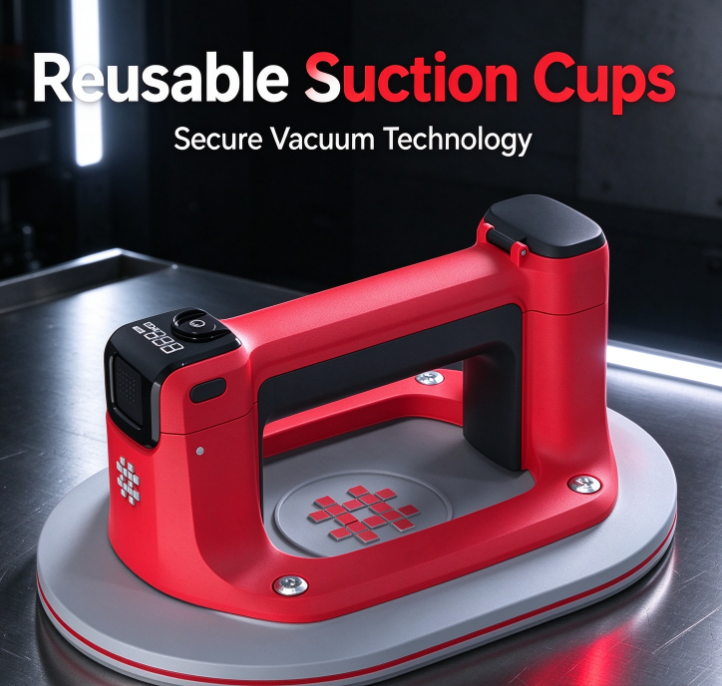
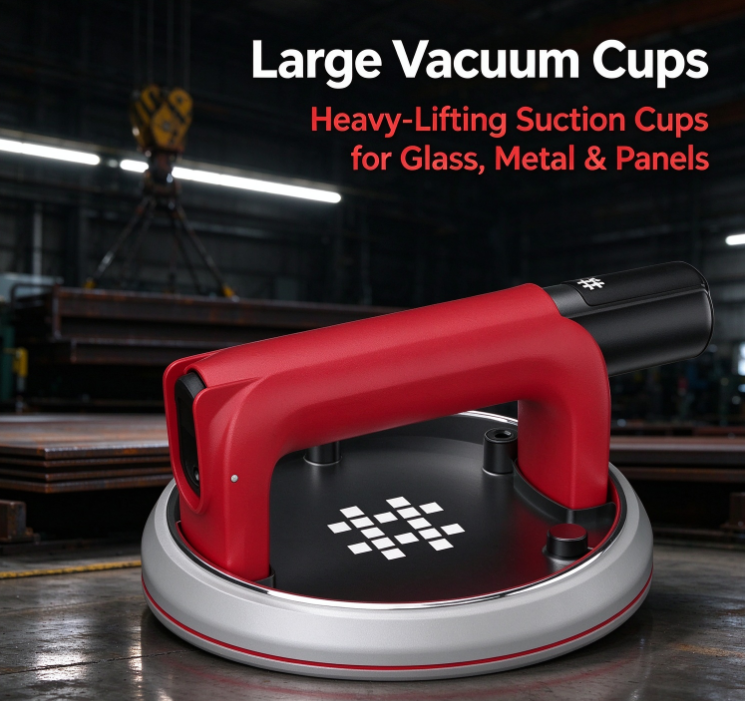


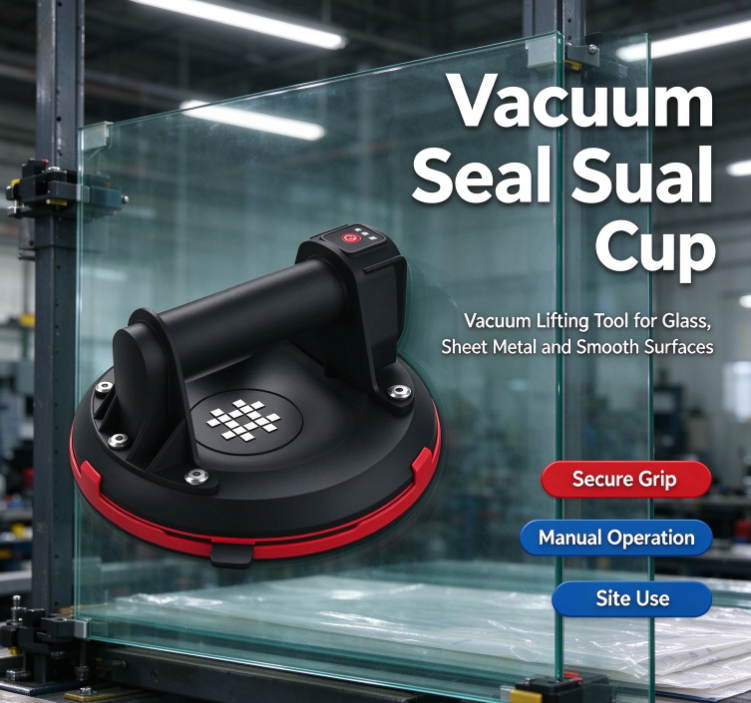
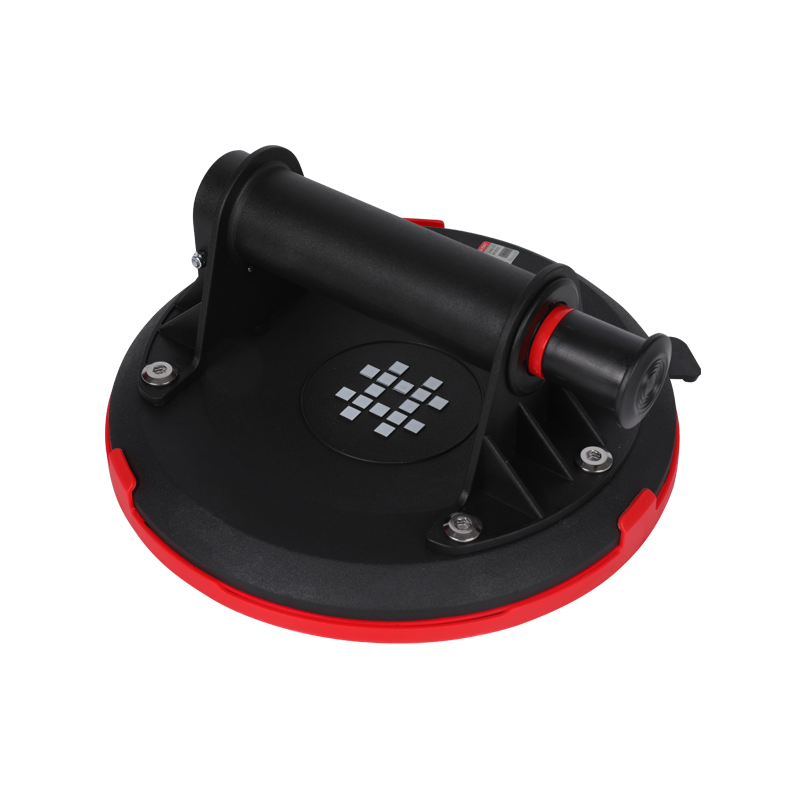
A suction cup that lifts a glass panel without a hiccup can slip right off a sheet of raw plywood. Same cup, same vacuum pump, same operator. The only thing that changed is the surface underneath. That gap between "works perfectly" and "won't hold at all" is what makes surface compatibility such a practical question for anyone handling parts, from glass shops to automated production lines.
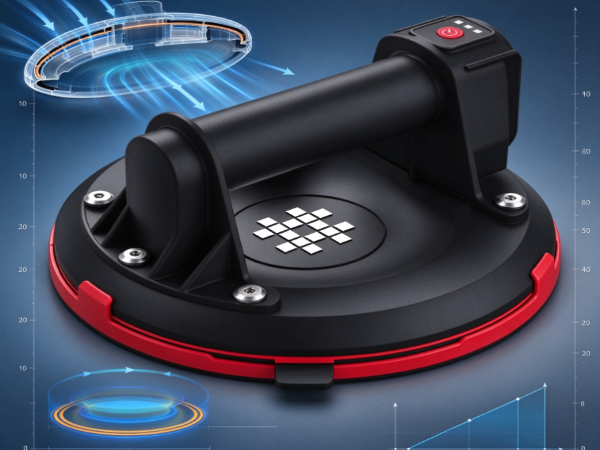
The short answer is yes, a vacuum seal suction cup can work on many surfaces. But the result depends on the cup design, its material, and the conditions of use. Glass, polished metal, plastic, wood, and textured panels differ in smoothness, flatness, porosity, and flexibility, and each of those traits changes how well a seal forms. Below is a look at how it works and how to choose sensibly instead of assuming one cup fits everything.
How Does a Vacuum Seal Suction Cup Hold a Surface?
The principle is simple. The cup touches a surface, air is drawn out of the sealed space, and the atmosphere around it presses the object and cup together. The pressure difference does the holding.
Everything hinges on the seal. The cup edge must meet the surface closely enough that air does not leak in faster than the system can remove it. If the edge cannot follow the shape of the material, the vacuum weakens and the grip fails.
This is why a clean glass panel is easy. Its surface gives the lip a continuous line of contact. A rough wooden board is another story. Grooves, pores, and uneven patches leave tiny gaps under the lip, and air finds them quickly.
The cup matters as much as the surface. A flexible lip can adapt to minor irregularities, while a firmer design suits consistent contact areas. Shape, material, and the ability to adjust to the workpiece all shape the seal.
Weight is not the deciding factor. A cup needs a suitable contact area and a seal that stays stable throughout the task, including any movement involved. So surface, cup design, and handling motion have to be judged together.
Which Surfaces Can a Cup Handle?
Most common materials can be handled with the right cup. The challenge changes from one to the next.
Glass and polished surfaces. Glass is usually smooth and nonporous, so a well-matched cup forms close contact with it. That makes it the classic vacuum-handling material for panels and mirrors. Polished metal behaves similarly, but check the finish. Scratches, seams, coatings, and contamination can interfere, and a surface that looks smooth to the eye may still hide features that break the seal.
Plastic. Plastics vary enormously. A flat, rigid panel may seal well. A flexible sheet may bend under the cup's force, and a molded part may carry textures or raised details. Choose the cup for the actual workpiece, not the general word "plastic." A rigid panel and a thin film call for very different approaches.
Wood and porous materials. Wood is hard for a conventional cup because grain, pores, and tiny openings let air pass through or under the contact area. Coated or sealed wood is friendlier than raw wood, though a loose or damaged coating can undermine the grip.
Textured and uneven surfaces. Molded plastics, patterned metal, rough panels, and shallow-grooved products leave gaps along the lip. A flexible lip or a cup built for irregular contact may help, depending on the depth and pattern of the texture.
Material type alone never settles the question. Finish, flatness, porosity, and the condition of the contact area count just as much.
| Surface | Typical contact condition | Main concern |
|---|---|---|
| Glass | Smooth, nonporous | Cleanliness, surface damage |
| Polished metal | Firm, smooth | Scratches, seams, coatings |
| Rigid plastic | Depends on finish and shape | Texture, stiffness |
| Flexible film | Bends under load | Deformation, stable contact |
| Unfinished wood | Porous, uneven | Air leaking through pores and gaps |
| Textured panels | Interrupted contact | Lip flexibility, pattern depth |
Treat this table as a starting point, not a promise. Real performance depends on the specific surface and the specific cup.
Why Does Surface Texture Matter?
Texture decides how the lip meets the workpiece, and even small gaps give air a path into the sealed area. Once that happens, the vacuum drops and the grip goes with it.
On a smooth surface, the lip makes a continuous line of contact. On a rough one, it may rest on the high spots and leave the low spots open. The shape of the texture also matters. Shallow, closely spaced patterns pose a different problem from deep grooves or widely spaced ridges. A cup that adapts to minor irregularities may still fail when gaps are large or heights change sharply.
Contamination does similar damage. Dust or fibers trapped under the lip prevent full contact, and oil or moisture can change the contact conditions or affect the cup material itself.
So judge the actual surface, not its appearance. A sample may look smooth yet carry seams, coatings, or molded details that spoil the seal. A quick test with the real workpiece will show this before it becomes a production headache.
Texture is not always a flaw, either. Some products are patterned for looks or grip. In that case, pick a cup to suit the surface instead of hoping the workpiece will behave like polished glass.
Can One Cup Work on Smooth and Rough Surfaces?
Sometimes, within limits. A design that handles smooth glass and lightly textured plastic may still fail on porous wood or a deeply grooved panel.
Flexible lips help the edge follow small variations, and certain shapes spread contact over a wider area or adapt to curves. These features stretch the range of surfaces a cup can handle, provided the irregularities stay inside what the design can cope with.
Flexibility has its limits. Porous material can leak air through the workpiece itself. A deep texture can leave gaps the lip cannot close. A soft object can deform under the cup and change the contact area midway through the lift.
If your workpieces share similar surface conditions, one cup may cover several jobs. If they differ greatly in porosity, texture, or shape, separate cup designs are likely the safer route.
When assessing a multi-surface job, think through a few points. What range of materials, finishes, and shapes must the cup handle? Does the lip follow each surface without major gaps? Does the workpiece bend or compress? Does the grip stay stable during the real movement? And does the cup release cleanly without disturbing or damaging the part?
One cup for many surfaces simplifies setup, but confirm it by testing, not by looking at the cup.
How Does Cup Material Affect Compatibility?
Cup material controls flexibility, durability, and how the cup behaves against the workpiece. Different materials react differently to pressure, repeated movement, temperature, and contact with oils or cleaners.
A softer cup follows small irregularities more easily, which helps on surfaces that are not perfectly flat. The downside is that it can change shape during handling, especially with heavy, uneven, or moving loads. A firmer cup holds its shape and suits consistent surfaces, but it follows texture less readily. The choice is a balance between adaptability and shape stability.
Compatibility also matters for sensitive finishes. Some jobs demand no marks, scratches, or transfer from the cup. The cup material must suit the surface and any substances present during use.
Environment plays a part as well. Heat, cold, cleaning products, and industrial fluids can change flexibility or surface condition over time. A cup that behaves well in one setting may act differently in another.
Buyers should weigh the workpiece material, its finish, the surroundings, and the expected handling cycle. That avoids a common trap: a cup that seals fine on day one and turns unreliable after a few weeks.
What Makes a Cup Lose Its Grip?
Even a well-chosen cup can let go. The cause may sit in the workpiece, the cup, the vacuum system, or the handling.
Contamination is the usual suspect. Dust, fibers, and oil interfere with lip contact, so clean the surface and check the cup edge first.
Wear is next. A lip that is damaged, stiff, or uneven no longer follows the surface properly. Abrasive materials and unsuitable substances speed this up.
Leaks may not involve the surface at all. Loose fittings, damaged hoses, or other system faults can keep the vacuum from building, so inspect the whole setup, not only the cup.
Movement adds another risk. If the object shifts, tilts, or takes a sudden jolt, the cup can partly separate. Curved objects, flexible materials, and unevenly weighted parts are especially vulnerable.
A simple inspection order works well:
- Check the workpiece for dust, residue, scratches, and irregularities.
- Examine the cup lip for wear, cuts, deformation, or embedded particles.
- Review connections and the rest of the vacuum system.
- Watch whether the workpiece changes shape or moves during contact.
- Test under real handling conditions before routine use.
The aim is to find the real cause instead of swapping cups blindly. If the surface itself prevents a stable seal, you need a different cup design or handling method, not a fresh copy of the same cup.
How Should Manufacturers Test Cups on Different Surfaces?
Testing on a clean, flat panel tells you little about how a cup performs on textured plastic, coated metal, or a curved part. Evaluate cups against what they will actually handle.
Start with representative samples that match the expected materials, finishes, shapes, and surface conditions. If a product comes in several surface variations, test each one on its own.
The test should also mirror the real task. Holding a part still is not the same as lifting it, carrying it across a production area, or turning it over. Movement adds forces that affect contact.
| Test area | What to observe | Why it matters |
|---|---|---|
| Initial contact | Does the lip sit evenly? | Shows the potential for a full seal |
| Vacuum retention | Does the vacuum stay stable? | Reveals air leakage |
| Handling movement | Does the cup stay attached during motion? | Reflects the real task |
| Surface condition | Does the workpiece show marks or damage? | Matters for sensitive finishes |
| Repeated use | Does sealing change after regular operation? | Reveals wear and consistency |
| Release | Can the object be released in a controlled way? | Completes the handling picture |
Run tests under controlled, suitable conditions, and read results in light of the intended application. A good result on one surface is not a universal claim.
For automated handling, include the equipment that supplies vacuum and controls movement. A good cup cannot rescue an unsuitable system or a process that asks too much.
Buyers can ask which surfaces the supplier used in testing and whether they resemble their own workpieces. Supplying surface samples, drawings, and details of the handling task helps the manufacturer judge compatibility much more accurately.
What Should Buyers Consider When Choosing?
Start with the workpiece, not the catalog. What will the cup hold, what is the surface like, and how will the object move?
Describe the surface clearly: smooth, porous, curved, flexible, coated, or textured. Photos help, but a physical sample often shows features an image hides.
Think about handling. Stationary positioning makes different demands than lifting or transferring. Workpiece orientation, the movement involved, and the consequences of a dropped part all belong in the system design.
Check product compatibility too. If the workpiece has a sensitive coating or must stay free of marks, confirm that the cup material is suitable for direct contact and will not harm the appearance.
When talking to suppliers, ask about sample testing, material options, design adjustments, and inspection practices. Ask how they evaluate sealing on different surfaces and what information they need for your application. Do not forget operating conditions. Temperature, dust, moisture, and cleaning agents all affect the cup and the sealing interface, and a cup built for one environment may need a different material for another.
The better selection process ties these details together. When buyers describe the real workpiece and handling conditions, the manufacturer can say whether an existing cup will do or whether another configuration is needed. That turns surface compatibility into a practical part of selection instead of an assumption hidden behind the label "vacuum seal suction cup."