English
 中文简体
 русский
 Español
 Deutsch

You can learn the recent information of Shijing.

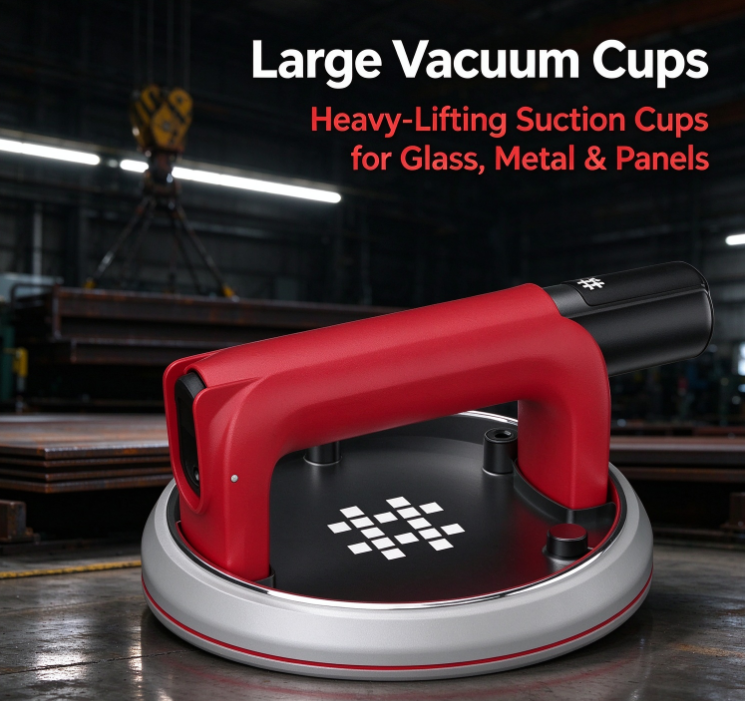
Wide panels are common in many manufacturing and processing environments. They appear in glass production, furniture manufacturing, metal fabrication, construction, and the production of composite materials. Moving these panels from one workstation to another can be difficult. Their large surface area, flexible edges, and varying weights often require careful handling. Traditional gripping methods may not provide suitable contact across the entire workpiece, especially when the material is smooth, fragile, or difficult to hold along its edges.
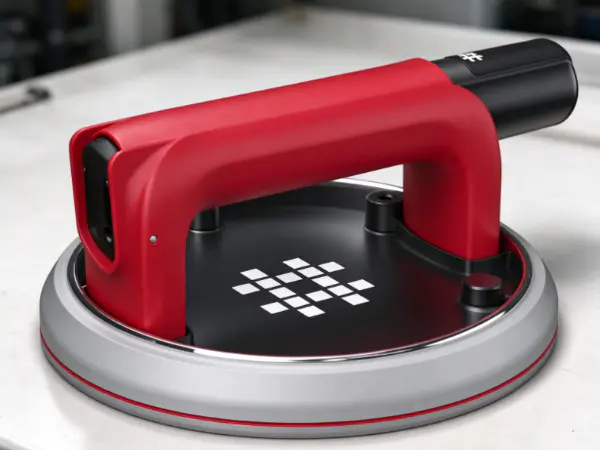
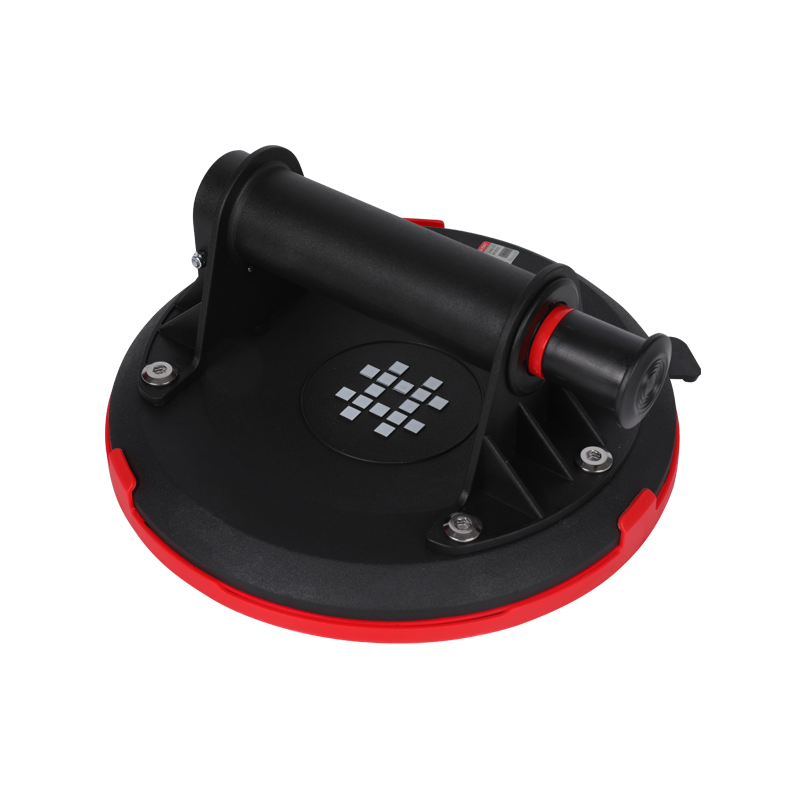
Large vacuum cups offer a practical way to address these challenges. They use a pressure difference to create a holding force against a workpiece surface. Instead of relying on mechanical clamps or direct pressure from gripping jaws, they form a seal between the cup and the material. This allows handling equipment to lift, move, and position wide panels while keeping direct contact with the workpiece controlled.
Their use is not limited to lifting heavy objects. Vacuum cups also help manufacturers manage broad surfaces, reduce unnecessary contact, and integrate panel movement into automated production processes. Understanding why these components are used requires a closer look at their contact area, material compatibility, handling stability, and role in modern manufacturing.
1. How Do Large Vacuum Cups Handle Wide Panels?
The basic principle behind a vacuum cup is simple. When the cup forms a seal against a suitable surface, air is removed from the space between the cup and the workpiece. The pressure difference between the inside of the cup and the surrounding atmosphere creates a force that helps hold the panel in place.
For wide panels, the size and arrangement of the cups influence how this force is distributed. A small cup may be sufficient for a compact object, but a broad workpiece often requires a different approach. Larger cups can establish contact over wider areas, while multiple cups can be arranged to support different sections of the panel.
This arrangement helps the handling system maintain contact as the panel is lifted or transferred. The actual holding capacity depends on several conditions, including the available vacuum, the effective sealing area, the panel surface, and the direction of movement.
Panel dimensions also matter. A wide sheet may appear rigid when resting on a flat table, yet it can bend or vibrate when lifted from a limited number of points. An appropriate cup layout helps reduce unsupported areas and makes the movement easier to control.
The goal is not simply to attach a large cup to a large panel. The entire gripping arrangement must suit the workpiece and the movement involved. Cup size, spacing, surface contact, and lifting direction all contribute to the result.
2. Why Is Contact Area Important When Lifting Wide Panels?
The contact area plays an important role in how a vacuum handling system supports a panel. Wide materials can be difficult to move because their weight and shape place different demands on the gripping arrangement.
Vacuum cups provide a broader sealing area than smaller cups of otherwise similar design. Under suitable conditions, a larger effective area can generate a greater holding force at the same pressure difference. This can be useful when handling substantial panels that need secure support during lifting and positioning.
However, cup diameter alone does not determine whether a panel can be lifted safely. The surface must allow a reliable seal, and the cup must be suitable for the material. A large cup that cannot seal against a textured, curved, or porous surface may perform poorly despite its size.
Contact distribution is another important consideration. When a wide panel is supported at only a few points, sections between those points may experience bending. This can be a concern with thin glass, lightweight metal sheets, decorative boards, and other materials that may deform under their own weight.
Using appropriately sized cups across suitable locations helps the handling system support the panel in a more controlled way. The arrangement should account for the panel's shape, stiffness, center of gravity, and expected movement.
For manufacturers, this means selecting cups based on the complete handling task rather than choosing the largest available option. A balanced layout can be more useful than simply increasing the diameter of every cup.
3. Which Wide Panels Can Be Handled With Large Vacuum Cups?
Vacuum cups are used with many types of panels, but the suitability of a particular cup depends on the material and its surface characteristics. Different workpieces require different approaches to gripping.
| Panel type | Common handling concern | Important selection consideration |
|---|---|---|
| Glass panels | Surface protection and controlled movement | Smooth contact, suitable cup material, and stable support |
| Metal sheets | Panel flexing and surface finish | Sheet stiffness, surface condition, and cup placement |
| Wooden boards | Porosity and surface texture | Ability to form and maintain a reliable seal |
| Composite panels | Differences in surface layers and rigidity | Surface compatibility and support distribution |
| Plastic sheets | Flexibility and possible deformation | Cup spacing, panel stiffness, and contact pressure |
| Decorative wall panels | Visible surface marks and edge damage | Material softness, finish protection, and positioning accuracy |
Glass is a familiar application because its surface can provide a suitable sealing area. Large cups can help move broad sheets without requiring clamps to press against their edges. Even so, the glass must be free from conditions that prevent proper sealing, and the lifting arrangement must account for the possibility of breakage.
Metal sheets present a different challenge. Some are rigid, while others can flex or develop unwanted deformation during movement. Cup placement should reflect the sheet's shape and stiffness rather than relying on a uniform arrangement for every workpiece.
Wood-based panels and certain composite materials may contain pores or textured finishes. Air can pass through some surfaces or interfere with sealing. In these cases, cup design and material compatibility become especially important.
Plastic sheets and decorative panels may be lightweight but flexible. Excessive local loading can change their shape or leave marks. A suitable gripping system should support the material without creating unnecessary stress.
There is no single vacuum cup design that suits every panel. Manufacturers need to consider the workpiece's surface, weight, rigidity, finish, and handling path before selecting a solution.
4. Can Large Vacuum Cups Reduce Damage During Panel Handling?
Surface damage is a persistent concern when moving wide panels. Scratches, pressure marks, chipped edges, and unwanted deformation can affect the appearance or usability of a finished product. The risk increases when workers or machines need to reposition the same panel several times during production.
Vacuum cups can help reduce some of these risks by gripping the panel through surface contact instead of relying on rigid jaws around its edges. This is useful when edge clamping is difficult or when the edges must remain accessible for further processing.
A properly selected cup can also avoid some of the concentrated contact associated with narrow gripping points. When the cup material is compatible with the workpiece, the contact surface may help protect delicate finishes during movement.
The benefit depends on how the system is designed and maintained. Dust, small particles, damaged cup lips, or unsuitable contact materials can leave marks or interfere with sealing. A cup that shifts across the surface may also cause abrasion, particularly when the workpiece has a sensitive coating.
Manufacturers should consider the full handling sequence. A panel may need to be lifted, rotated, transferred, and placed on another surface. Each movement introduces different forces and opportunities for contact damage.
Careful positioning, clean contact surfaces, controlled movement, and suitable cup materials all contribute to surface protection. Large vacuum cups can support gentler handling, but they do not eliminate the need for inspection and proper operating procedures.
5. How Do Large Vacuum Cups Support Automated Production Lines?
Manufacturing processes often require panels to move between cutting, forming, inspection, assembly, and packaging stations. When these transfers depend heavily on manual lifting, the workflow may become difficult to coordinate. Large panels can be awkward to grasp, and their dimensions may limit the available gripping positions.
Vacuum handling equipment offers a way to connect these operations. Large cups can be mounted on lifting frames, robotic arms, or other handling devices. The equipment grips a panel, moves it along a defined path, and releases it at the intended position.
This approach is useful when production involves repeated movements of similar workpieces. Once the gripping arrangement has been designed for the task, the same basic movement can be repeated with less dependence on manual positioning.
The layout of the cups is particularly important in automated applications. A wide panel may require support at several locations to prevent unwanted movement. If the cups are too close together, some sections may remain poorly supported. If they are placed without considering the center of gravity, the panel may tilt during lifting.
Automation also introduces the need to coordinate gripping and release. The system must establish suitable vacuum conditions before lifting and confirm that the workpiece remains secure throughout the transfer. Releasing the panel at the correct location is equally important, especially when it must align with a cutting table or assembly fixture.
Vacuum cups can therefore serve as an interface between a workpiece and an automated handling device. Their contribution extends beyond lifting capacity. They help make panel movement repeatable and compatible with the surrounding production process.
6. What Factors Should Manufacturers Consider When Choosing Large Vacuum Cups?
Selecting large vacuum cups involves more than comparing sizes. A suitable option must match the material, the handling equipment, and the conditions in which the panel will be moved.
Several factors deserve attention during the selection process.
Panel weight and dimensions
The panel's overall weight influences the required holding force, while its dimensions affect how that weight is distributed. Wide panels may need several cups positioned to control bending, tilting, and movement during lifting.
Surface condition
Smooth, clean surfaces generally allow easier sealing than porous or heavily textured materials. Coatings, dust, moisture, and surface irregularities can change the contact conditions. The actual workpiece should be considered rather than relying only on its material name.
Cup material
Vacuum cups are made from different materials to suit varying contact conditions. Some applications require flexibility, while others place greater importance on resistance to wear or compatibility with sensitive surfaces. The selected material should suit both the panel and the working environment.
Cup arrangement
The number and location of cups affect how the panel is supported. A balanced arrangement should account for the center of gravity, the panel's stiffness, and the direction in which it will be lifted or rotated.
Movement and orientation
Lifting a panel vertically creates different demands from moving it horizontally or rotating it during transfer. The gripping arrangement must suit the complete movement path, including acceleration, stopping, and changes in orientation.
Maintenance access
Cups need regular inspection for wear, contamination, and damage. A design that allows easy inspection and replacement can simplify routine maintenance and help reduce unexpected interruptions.
These factors should be assessed together. A cup may suit the surface but still be unsuitable for the panel's weight or movement. Likewise, a gripping arrangement that works during a stationary lift may not provide adequate control when the workpiece is rotated.
For this reason, manufacturers should evaluate the complete handling task before finalizing a cup design.
7. Why Does Maintenance Matter for Large Vacuum Cups?
Vacuum cups are contact components, so their condition directly affects their ability to form and maintain a seal. Even a well-designed system can become unreliable when the cup surface is worn, contaminated, or damaged.
Large cups may be used repeatedly in environments where dust, oil, metal particles, and other residues are present. These substances can interfere with contact between the cup lip and the panel. A damaged sealing edge may allow air to enter, reducing the vacuum available to hold the workpiece.
Routine inspection helps identify these problems before they affect production. Operators can check the cup surface, confirm that the contact area is clean, and look for signs of cracking, deformation, or uneven wear. The surrounding vacuum lines and fittings also require attention because leaks may originate outside the cup itself.
Maintenance practices should reflect the materials being handled. Glass processing may require careful cleaning to prevent particles from scratching the surface. Metalworking environments may introduce oils or debris, while wood processing can produce dust that accumulates around the sealing area.
Replacement decisions should not depend only on whether a cup appears visibly damaged. Changes in sealing performance, repeated vacuum loss, or inconsistent gripping can indicate that the component needs further inspection.
A planned maintenance routine also makes it easier to track recurring problems. If cups wear quickly or lose their seal on certain panels, the issue may involve material compatibility, surface preparation, or the handling arrangement rather than the cup alone.
Regular care helps maintain predictable gripping conditions and supports safer movement of wide panels throughout production.
8. Could Large Vacuum Cups Change the Way Wide Panels Are Handled?
The growing use of automation is changing how manufacturers move large workpieces. Panel handling is no longer limited to lifting a material from one surface and placing it on another. In many production environments, the same panel must pass through several operations while maintaining its position, finish, and structural condition.
Vacuum cups provide one option for meeting these demands. Their broad contact areas can support suitable workpieces, while flexible layouts allow manufacturers to adapt gripping arrangements to different panel shapes and production requirements.
Their usefulness also depends on the surrounding equipment. A vacuum cup must work with the lifting frame, vacuum supply, control system, and release mechanism. When these elements are properly matched, panel movement can become easier to coordinate across connected workstations.
Different manufacturing tasks will continue to require different gripping approaches. Some panels may be handled with large individual cups, while others may need several smaller cups distributed across a frame. Porous, curved, or highly flexible materials may require specialized solutions or a different handling method.
The key consideration is how the complete system interacts with the workpiece. Large vacuum cups are used for wide panels because they can provide controlled surface gripping without relying entirely on edge clamping. When their design, placement, and maintenance match the application, they can help manufacturers move broad materials with greater control throughout the production process.