English
 中文简体
中文简体 русский
 Español
 Deutsch
You can learn the recent information of Shijing.


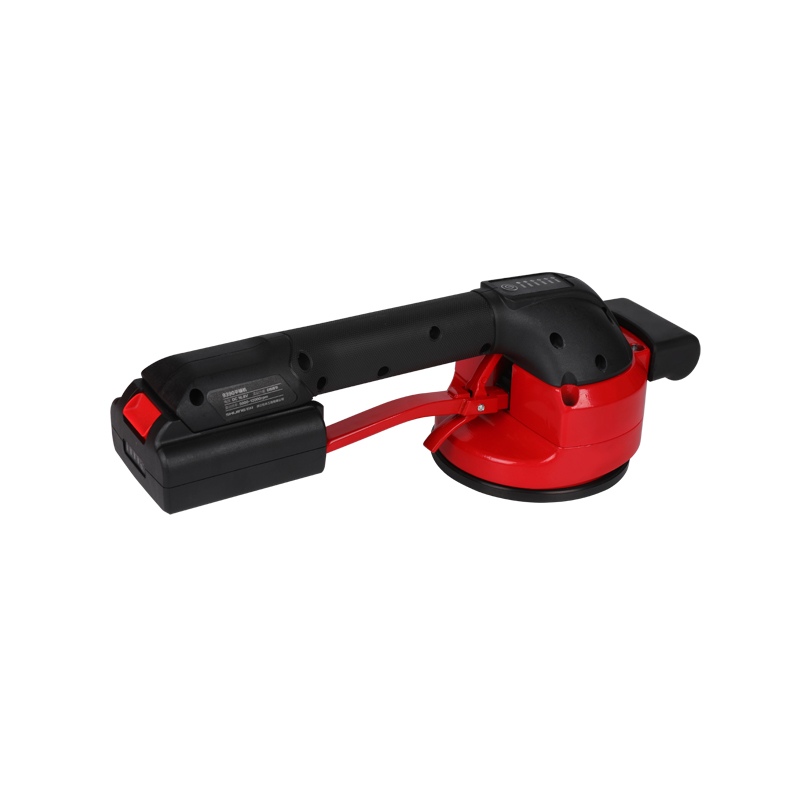
Large tiles can change the way an installation job is handled. Their larger surface area makes positioning more noticeable, while their weight can make small adjustments less convenient once the tile has been placed. The condition of the surface, the amount of adhesive used, and the way the tile is moved into position can all affect the finished result.
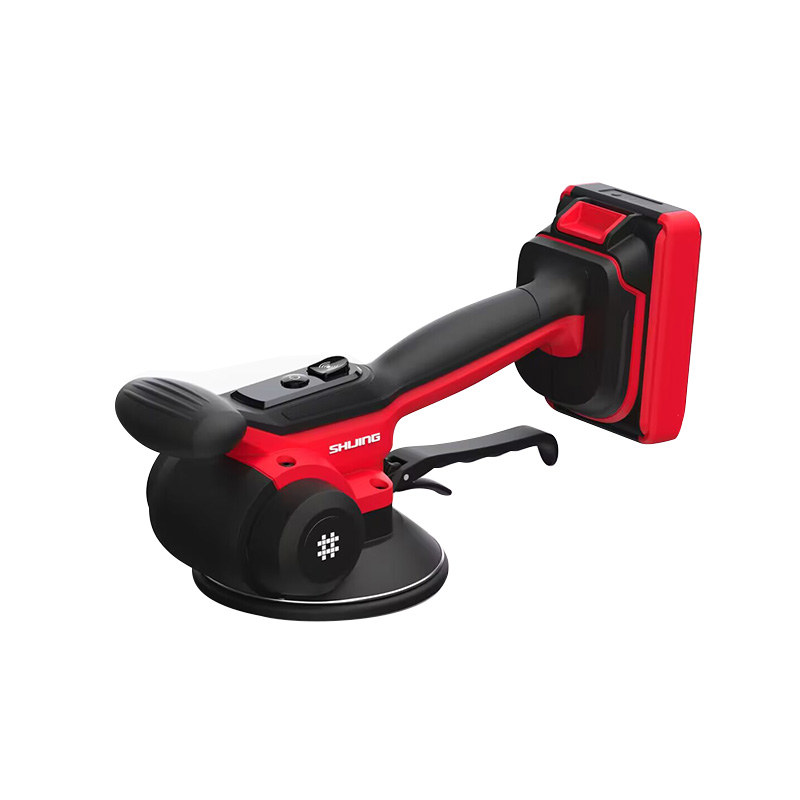
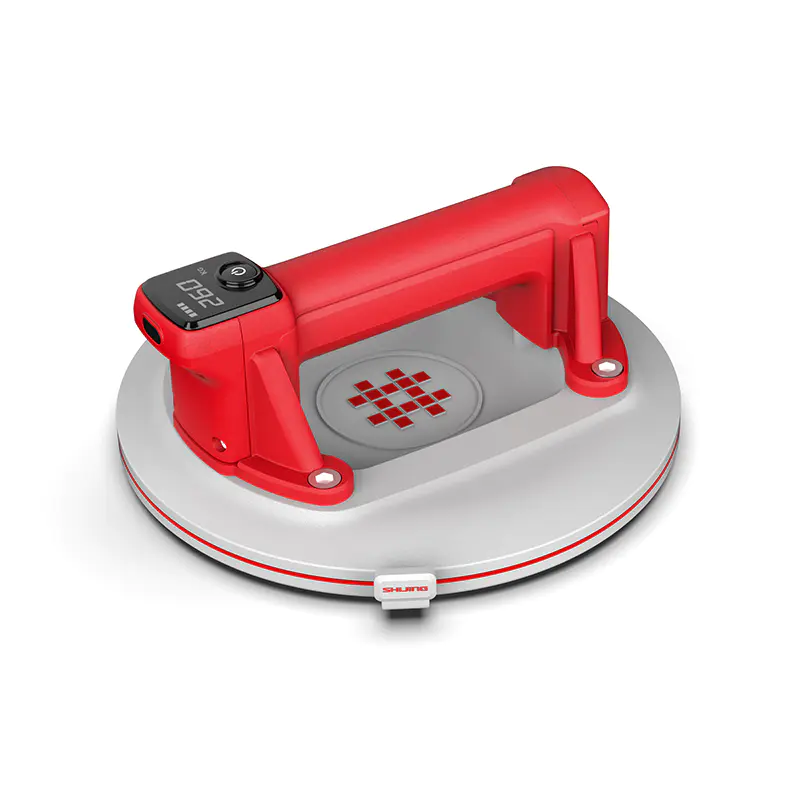
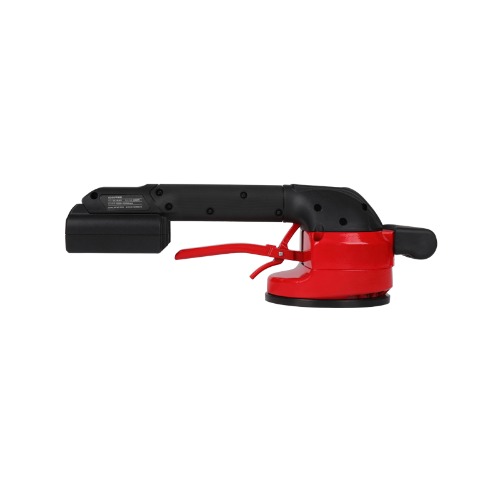
This is where vibration equipment can become part of the installation process. A Tile Vibrator is used after a tile has been placed over adhesive, helping the tile settle while the installer continues to control its position. The purpose is not simply to move the tile. Controlled movement can help improve contact between the tile and adhesive while making it easier to check how the tile is sitting.
The role of vibration also depends on the tile, working surface, adhesive condition, and installation method. A suitable approach therefore requires more than simply switching on a tool. The way vibration is applied can influence positioning, surface contact, and the appearance of adjacent tiles.
Why Large Format Tiles Are More Difficult to Set Evenly
Large tiles require careful handling because a small change in position can affect a wider area. When a tile is placed onto adhesive, the installer needs to consider its edges, corners, surrounding tiles, and the overall surface at the same time.
A smaller tile may be easier to shift by hand because its weight and contact area are more manageable. With a larger piece, however, moving one edge can affect another part of the tile. Pressing in one area may also change how the tile sits on the adhesive.
Several practical issues can appear during installation:
- The tile may be difficult to move after it touches the adhesive.
- One corner may sit differently from another.
- The installer may need to make repeated small adjustments.
- Contact between the tile and adhesive may vary across the surface.
- Adjacent tiles can make positioning more sensitive.
These issues do not necessarily mean that the installation method is unsuitable. They show why placement needs to be controlled from the moment the tile meets the adhesive.
For larger tiles, the goal is generally to achieve a stable position without relying on excessive manual pressure. Vibration can become useful at this stage because it introduces controlled movement across the tile rather than concentrating force in a single spot.
How a Tile Vibrator Helps Improve Tile Adhesive Contact
Once a tile is placed over adhesive, contact between the two surfaces depends on how the tile settles. Gaps or areas with less contact can occur when the tile does not settle evenly.
A Tile Vibrator provides a different method of adjusting the tile. Instead of repeatedly lifting, pressing, or tapping the surface, the installer can apply controlled vibration while observing how the tile responds.
The movement can help the tile settle into the adhesive layer. As the tile moves, adhesive can spread beneath areas that have not made consistent contact. The result depends on the condition and amount of adhesive, the surface beneath it, and the way the tile was initially placed.
The process should remain controlled. Excessive movement is not a substitute for correct adhesive application. If the adhesive has already changed condition or the surface underneath is unsuitable, vibration cannot correct every installation problem.
It is also useful to consider where the tile needs attention. Instead of treating the entire surface in exactly the same way, an installer can watch the edges and corners while making small adjustments. This approach can help avoid unnecessary movement and keep the tile aligned with nearby pieces.
| Installation condition | What the installer can observe |
|---|---|
| Tile has just been placed | Initial position and surface alignment |
| Tile shows uneven contact | Changes as the tile settles |
| Edge needs adjustment | Whether movement affects nearby areas |
| Adjacent tiles are already placed | Relationship between tile edges |
The value of vibration therefore comes from controlled settling rather than simply making the tile move.
Can Tile Vibration Help Reduce Voids Under Large Tiles
Voids beneath a tile can become a concern when the tile does not make consistent contact with the adhesive. With a large surface, an installer cannot always judge the condition beneath the tile simply by looking at its upper surface.
Vibration can help the tile settle into the adhesive and may encourage better contact across areas where the tile has not fully settled. This can be particularly relevant when working with larger pieces that cover a broad area.
However, the tool should not be viewed as a way to correct poor preparation. The underlying surface still needs to be suitable, and the adhesive needs to be applied in a manner appropriate for the tile and installation conditions.
A practical approach is to pay attention to how the tile responds during placement. If one area moves noticeably while another remains fixed, that difference can provide useful information about how the tile is sitting.
There are also situations where repeated vibration is not the right response. If the tile continues to move unexpectedly, the issue may relate to the adhesive layer, surface condition, or initial positioning rather than a lack of vibration.
This makes observation important. The tool supports the installation process, but it does not replace preparation or careful placement.
How Vibration Can Help Control Tile Position During Setting
Positioning becomes more sensitive as tile size increases. Once a large tile contacts the adhesive, moving it by hand can sometimes affect several edges at once.
Controlled vibration offers another way to make small adjustments. Rather than pushing strongly against one side, the installer can use movement to encourage the tile to settle while monitoring its position.
This can be useful when a tile needs to align with nearby pieces. The installer can check the spacing along the edges and watch whether the tile remains in the intended position during settling.
The technique also requires restraint. If the tile is moved too aggressively, it may shift away from its intended location. Excessive movement can also make it harder to maintain alignment with surrounding tiles.
For that reason, the process can be viewed as a sequence:
- Place the tile in the intended position.
- Check its relationship with nearby tiles.
- Apply controlled vibration.
- Observe movement around the edges and corners.
- Make small positional adjustments when necessary.
- Check the surface again before the adhesive continues to set.
This method keeps positioning and settling connected rather than treating them as separate tasks.
What Changes When Using a Tile Vibrator on Porcelain Tiles
Porcelain tiles can present different handling conditions because their surfaces and physical characteristics vary from one tile to another. Large porcelain pieces can also require careful control when they are placed over adhesive.
The installation method should therefore account for the specific tile being handled. Surface finish, size, weight, adhesive condition, and the condition of the supporting surface can all affect how the tile responds to vibration.
A Tile Vibrator does not produce the same result under every installation condition. A tile that settles easily may require only limited movement, while another may need closer attention around its edges.
Installers should also avoid assuming that a single technique works for every porcelain tile. The response of the tile should guide the process.
| Tile condition | Installation consideration |
|---|---|
| Large surface area | Monitor movement across the full tile |
| Smooth surface | Keep the tool controlled during use |
| Heavy tile | Plan placement before contact with adhesive |
| Narrow edge areas | Watch for unwanted movement |
| Nearby tiles already installed | Check alignment throughout the process |
The important point is that vibration should support the existing installation method. It should not become a replacement for suitable surface preparation, correct adhesive application, or careful tile placement.
How Tile Vibrator Use Can Affect Tile Lippage Control
Differences in height between adjacent tiles can affect how a finished surface looks and feels. With large tiles, even a small change along an edge can become noticeable because the tile spans a wider area.
Vibration can influence how a tile settles, which means it can also affect the relationship between adjacent tile surfaces. When used carefully, movement may help the tile settle into a more consistent position instead of remaining slightly raised in one area.
The surrounding tiles need to be considered during this process. A tile should not be adjusted in isolation when its edges meet pieces that have already been positioned.
It can be useful to check:
- Whether adjoining edges remain at a similar height
- Whether a corner has moved during settling
- Whether the tile remains within the intended layout
- Whether further movement would disturb nearby pieces
The key is controlled adjustment. Vibration alone does not guarantee an even finished surface. The result still depends on the underlying surface, adhesive placement, tile positioning, and the installer's ability to monitor changes as the work progresses.
What Should Installers Check After Vibrating a Tile
Once vibration has been applied, the next step is observation rather than additional movement. The tile should be checked to make sure the position remains appropriate and that the surrounding layout has not changed.
The edges are particularly useful points of reference. Looking along adjacent tiles can reveal whether one section has shifted or whether a corner has settled differently from the rest of the piece.
The surface should also be considered as a whole. A tile can appear correctly positioned at one edge while another area has moved. Checking several points gives the installer a clearer view of the result.
A simple inspection can include:
- Tile position relative to surrounding pieces
- Edge alignment
- Corner position
- Surface level across adjoining tiles
- Visible signs of movement during settling
- Overall condition of the installation area
This stage is important because further vibration is not always necessary. If the tile is already correctly positioned and adequately settled, additional movement may create an unnecessary adjustment.
The inspection also helps identify problems that may have existed before vibration was applied. If the tile continues to sit unevenly, the cause may need to be addressed through the installation method rather than by applying more vibration.
When Is a Tile Vibrator Most Useful for Large Tile Projects
The usefulness of a Tile Vibrator depends largely on the conditions of the installation. It can be relevant when larger tiles need to settle into adhesive while their position is being carefully controlled.
It may be particularly useful when the installer needs to manage several concerns at once, such as maintaining alignment, encouraging contact with the adhesive, and checking the relationship between neighboring tiles.
For smaller pieces, manual adjustment may already provide enough control. With larger pieces, controlled vibration can offer another way to handle the settling process without repeatedly applying concentrated pressure to one area.
The working environment also matters. A crowded installation area, nearby finished tiles, or limited room for repositioning can make careful movement more important.
Before using the tool, the installer can consider:
- The size and weight of the tile
- The condition of the installation surface
- The state of the adhesive
- The position of nearby tiles
- How much adjustment the tile actually requires
A Tile Vibrator is therefore better viewed as one part of the installation process rather than a standalone solution. Its role is connected to placement, adhesive contact, surface alignment, and inspection. When these steps are handled together, vibration can become a practical method for managing the installation of large tiles without relying on repeated manual pressure.
.jpg "9510-2700mm Electric Cutter For Porcelain Slab With 3380mm Rail")