English
 中文简体
 русский
 Español
 Deutsch

You can learn the recent information of Shijing.
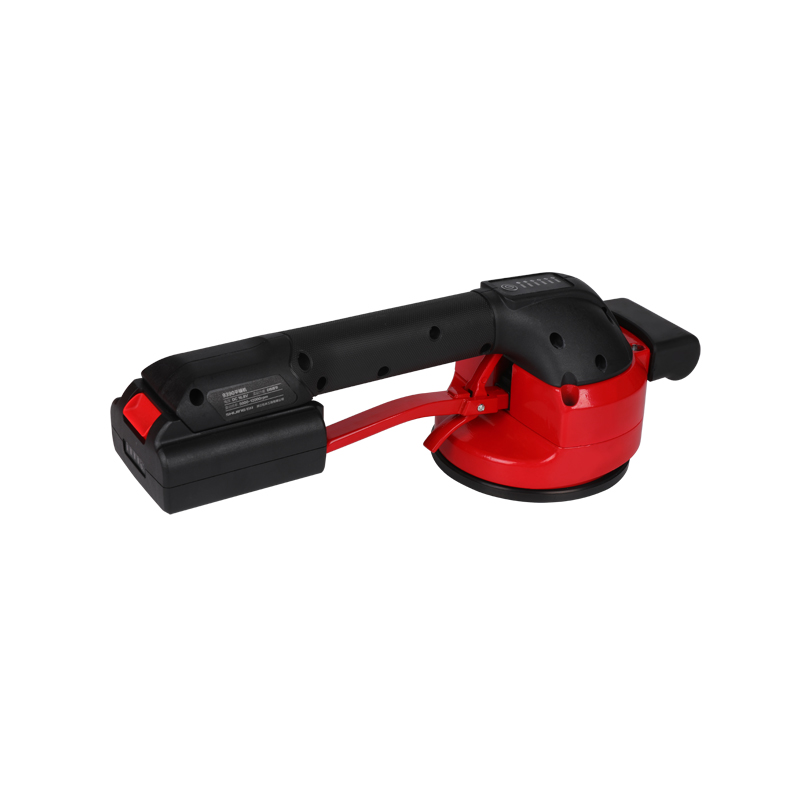

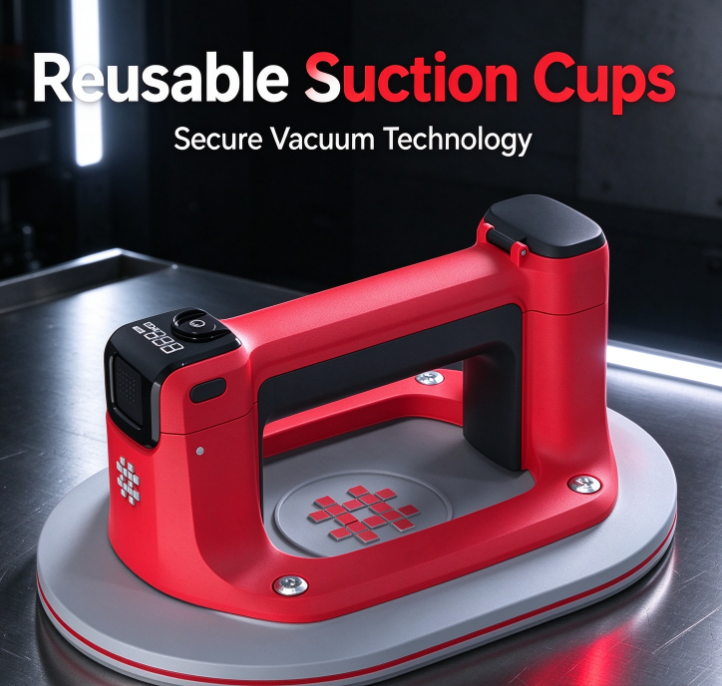
Small household problems often need simple fixes. A towel needs a place to hang, a sponge needs to dry, or a light accessory needs to stay put without drilling into a wall. Reusable suction cups handle these jobs well. They stick to suitable smooth surfaces, come off when you want them to, and go back on again as long as conditions stay right.
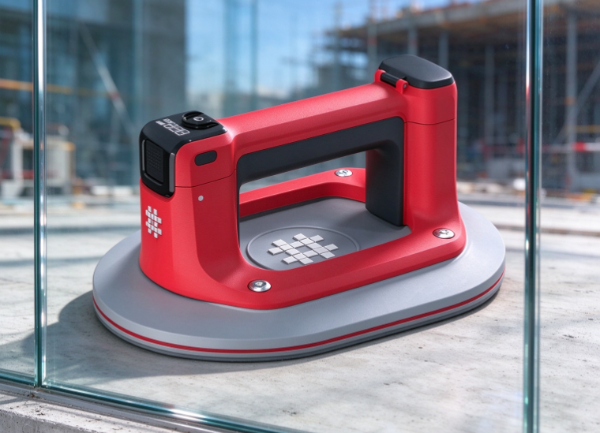
Their appeal goes beyond holding an object. They help organize tight spaces, cut the need for permanent fixtures and make it easy to rearrange a room. You'll find them in bathrooms, kitchens, offices, vehicles and other places where a temporary attachment helps.
Not every suction cup performs the same way, though. Surface texture, cleanliness, material flexibility, object weight and environmental conditions all shape the result. Knowing these factors helps consumers choose the right product and use it with confidence.
1. How Do Reusable Suction Cups Make Daily Tasks Easier?
Convenience is the main reason people pick reusable suction cups. Many everyday items need a temporary home, and a permanent hook or bracket is overkill. When the surface and load suit it, a suction cup is the easier route.
In a bathroom, it holds a soap holder, a lightweight organizer or a small hook for personal accessories. In a kitchen, it positions a sponge holder or a light storage accessory on a smooth surface. Around a desk, it secures small accessories or keeps certain items within reach.
The big advantage is flexibility. Remove the attachment when you clean, reorganize or change how a space is used. That helps in rented homes, temporary workspaces and any area where drilling is a bad idea.
Suction cups also keep frequently used items handy. Instead of leaving accessories scattered across a countertop, users place suitable items on a smooth vertical surface. Working space opens up, and routine tasks feel more organized.
Value depends on choosing the right application. A cup made for a light bathroom accessory won't suit a heavy storage container. Consider the product's stated use, the surface condition and what happens if the attachment lets go.
Get these details right and suction cups become handy tools for small organizing jobs, with no permanent changes to the room.
2. What Makes a Suction Cup Reusable?
Reusability depends on the material, shape, surface condition and overall design. A typical suction cup has a flexible contact area that presses against a suitable surface. Air gets pushed out from the space between cup and surface, and the resulting pressure difference keeps the cup attached.
The flexible material lets the rim sit close against the surface. When you remove the cup, the material returns toward its original shape, as long as it isn't damaged or permanently deformed. That's what lets you repeat the process.
Reusable designs range from a simple flexible cup to a structure with a lever or release mechanism. A basic cup relies on pressure and contact. Other designs let users adjust the attachment or release it more easily.
The material matters a lot. If it turns stiff, cracked, dirty or misshapen, the rim stops forming a close seal. Air slips under the cup, and the grip weakens.
Repeated use brings ordinary wear. The cup collects dust, meets cleaning products and faces heat and sunlight. Over time these conditions affect the material, depending on its composition and how it's used.
Reusable doesn't mean forever. Inspect the contact surface and overall shape before attaching it again. A cup with visible damage, or a rim that no longer sits flat, needs replacing.
Good design keeps normal handling simple. A product you can attach, release, clean and inspect without fuss fits naturally into everyday routines.
3. Which Surfaces Are Suitable for Reusable Suction Cups?
Surface compatibility has a major effect on how well a suction cup works. The surface must give close, continuous contact around the rim. Smooth, nonporous materials work better because they let the cup seal with fewer gaps.
Glass, glazed ceramic tiles and some smooth plastics are common examples. Polished metal also works when its finish is even and clean. These surfaces show up in bathrooms, kitchens, offices and vehicles.
Textured, porous or uneven surfaces cause trouble. Small gaps under the rim let air in, and the cup struggles to stay attached. Painted walls, unfinished wood, rough stone and textured tiles are often unsuitable, depending on finish and cup design.
Even a surface that looks smooth can hide problems. Grout lines, seams, curves, scratches and decorative patterns break contact. A cup placed partly across a tile joint, for example, won't form a complete seal.
Surface condition matters as much as the material. Dust, grease, soap residue and moisture get in the way of contact. Clean the area and let it dry, where the product calls for it, to create better conditions.
| Surface condition | Likely effect on attachment | Practical approach |
|---|---|---|
| Smooth, clean glass | Allows close contact | Check that the area is free from residue |
| Glazed ceramic tile | Often suitable when the finish is even | Avoid placing the cup across grout lines |
| Smooth plastic | May be suitable depending on the finish | Check for curves, seams, or surface texture |
| Rough or porous material | May prevent a reliable seal | Consider another mounting method |
| Greasy or dusty surface | Can interfere with contact | Clean the area before installation |
| Uneven or heavily textured surface | May allow air to enter beneath the rim | Check product compatibility before use |
Let the intended location guide your choice. A cup that works on a bathroom mirror may fail on a painted cabinet door. Check compatibility before installing, and you avoid frustration and surprise detachment.
4. How Do Material and Design Affect Everyday Performance?
Material choice shapes flexibility, contact quality, durability and resistance to environmental conditions. The material has to deform enough to touch the surface and still hold its shape in normal use.
Flexible rubber-like materials are common because they seal well against suitable surfaces. Different formulations react differently to heat, cold, cleaning products and repeated stretching. Pick the material to fit the environment and the application.
Cup shape matters too. A well-formed rim keeps contact around the attachment area. If the rim is uneven or gets distorted, the cup struggles to stay put. Size and shape should also suit the available surface and the object being supported.
Some suction cups have a lever or locking feature, which gives users a more controlled way to attach or release. Others use a simple press-on method. Each approach has its own handling requirements, so follow the instructions for your specific product.
Don't overlook the attachment point. A cup may connect to a hook, clip, holder or bracket, and that connection has to suit the intended use. Even if the cup grips securely, a poorly designed connector makes the whole product awkward or unstable.
For manufacturers, these details are linked. Material, cup geometry, attachment mechanism and accessory structure must work together. Change one part and the whole product behaves differently.
So appearance alone doesn't decide everyday performance. A simple design works well when its components fit the task and its limits are clearly understood.
5. Why Do Reusable Suction Cups Sometimes Lose Their Grip?
A suction cup that slowly lets go is annoying, especially when it holds something you use all day. It isn't always a product defect. Several conditions affect the seal and the stability of the attachment.
Surface contamination is a common culprit. Dust, oil, soap residue and other deposits open gaps between the cup and the surface. Even a thin film affects the contact area.
Wrong placement causes problems too. If part of the rim overlaps a seam, an edge or a textured patch, the cup can't form a continuous seal. Pressing it onto an uneven surface may feel secure at first and then weaken over time.
The environment plays a part. Temperature changes affect the flexibility of some materials, and long exposure to sunlight or heat ages them. Moisture and cleaning chemicals influence performance depending on the cup material and the surface around it.
Consider the supported object as well. Excess weight, an uneven load or repeated pulling stresses the attachment. A cup that holds a light accessory steadily is a poor match for something that gets moved often or pulled sideways.
These practical steps reduce the problems:
- Clean the contact area and the cup's rim before installation.
- Check that the surface is smooth, stable, and compatible with the product.
- Press or lock the cup according to the manufacturer's instructions.
- Keep the supported object within the stated use conditions.
- Inspect the attachment periodically, especially in humid or frequently used areas.
- Remove and examine the cup if it begins to slip or show visible damage.
Don't trust a cup that keeps losing its grip just because you can press it back on. Reassess the surface, the material condition and the intended load before reusing it.
6. How Should Reusable Suction Cups Be Cleaned and Maintained?
Regular care keeps the contact surface in good shape and makes suction cups easier to handle. Cleaning matters most in kitchens and bathrooms, where grease, soap residue and other deposits build up during normal use.
Match the cleaning method to the material. For many simple suction cups, mild soap and water is a good start, provided the product's instructions allow it. Harsh solvents and unsuitable cleaners can damage some materials, so skip them unless the maker confirms they're safe.
After cleaning, check the rim for particles, cracks or distortion. The contact area has to stay smooth enough to seal. If the cup has a locking mechanism or other moving parts, check those as well, following the product instructions.
Drying requirements differ by design. Some cups go onto a clean, dry surface, while certain products have other instructions. Follow the guidance provided. Don't assume every suction cup works the same way.
Storage counts too. A cup left under heavy objects gets deformed. Direct sunlight, high temperatures or incompatible chemicals also shorten its life. Keep the cup somewhere clean and avoid pressure on its rim to preserve its shape.
Maintenance doesn't have to be a chore. A quick look while cleaning the surrounding area shows whether the cup is still in good condition. If it has turned brittle, cracked or permanently misshapen, replace it instead of trying to restore it.
These habits matter most when a cup supports items above a sink, near a shower or anywhere a falling object could cause damage or injury.
7. Where Can Reusable Suction Cups Be Used in Everyday Settings?
Reusable suction cups serve different purposes depending on the environment, the surface and the supported object. Their flexibility suits spaces where people want to change an arrangement without drilling holes or leaving permanent fixtures.
In bathrooms, they support lightweight hooks, soap holders or small organizers on compatible tile or glass. Frequently used items stay within reach. Think about humidity, water exposure and accessory weight before installing.
In kitchens, suction-based holders position lightweight tools or cleaning accessories on suitable surfaces. A sponge holder moved out of the crowded work area keeps the countertop easier to maintain. Check the cup regularly if it faces grease, splashes or frequent handling.
Home offices offer more options. Some suction-based accessories hold small items on compatible glass or smooth panels. How useful they are depends on the accessory's design and the stability of the surface.
In vehicles, suction cups work with certain holders or accessories made for suitable glass or other compatible surfaces. Placement needs extra care, because heat, vibration and changing conditions affect attachment. Use products designed for that setting, and never let the installation block the driver's view or interfere with safe operation.
Retail displays and temporary installations also use suction cups where removable attachment helps. They support selected lightweight signs, holders or display components on compatible surfaces. Evaluate the load, the surface condition and the consequences of detachment before use.
| Everyday setting | Possible application | Important consideration |
|---|---|---|
| Bathroom | Lightweight hooks and organizers | Moisture, tile finish, and cleaning |
| Kitchen | Sponge holders and small accessories | Grease, splashes, and load stability |
| Home office | Small holders on smooth panels | Surface compatibility and easy access |
| Vehicle | Suitable holders and accessories | Heat, vibration, visibility, and secure placement |
| Retail display | Temporary lightweight attachments | Surface condition and the risk of falling objects |
Suction cups don't suit every task. They aren't a universal replacement for screws, anchors or other permanent mounting. Heavy, fragile or hazardous objects, and anything that causes injury if it falls, need a different attachment system.
8. What Should Consumers Consider Before Choosing Reusable Suction Cups?
Start by understanding the job the cup has to do. A product meant for a small accessory has different requirements from one that supports a larger holder or a frequently handled object.
The surface comes first. Identify where the cup will attach and check that the material and finish suit it. A smooth glass panel offers different conditions from a textured tile or a curved plastic surface.
Consider the supported object too. Its weight, shape and position affect the force on the attachment. An object that pulls outward or moves often makes different demands from one that sits still against a wall.
Ease of installation and removal affects daily convenience. A simple press-on cup suits a basic task. A design with a release mechanism fits users who reposition it regularly. Match the design to the user's ability and the intended application.
Material quality and maintenance needs deserve a look as well. Check for clear instructions on compatible surfaces, cleaning methods, load limits and environmental conditions. These details give you a better basis for choosing than appearance alone.
For manufacturers, consumer needs point the way in product development. A household accessory needs easy handling and simple cleaning. An industrial application calls for a different structure and more specific performance testing. The intended use should shape the material, the design and the instructions.
Reusable suction cups earn their place by offering a removable attachment for suitable surfaces. Their everyday value depends on how well the design fits the task, how carefully you prepare the surface and whether you maintain the product and use it within its intended conditions.