English
 中文简体
 русский
 Español
 Deutsch

You can learn the recent information of Shijing.
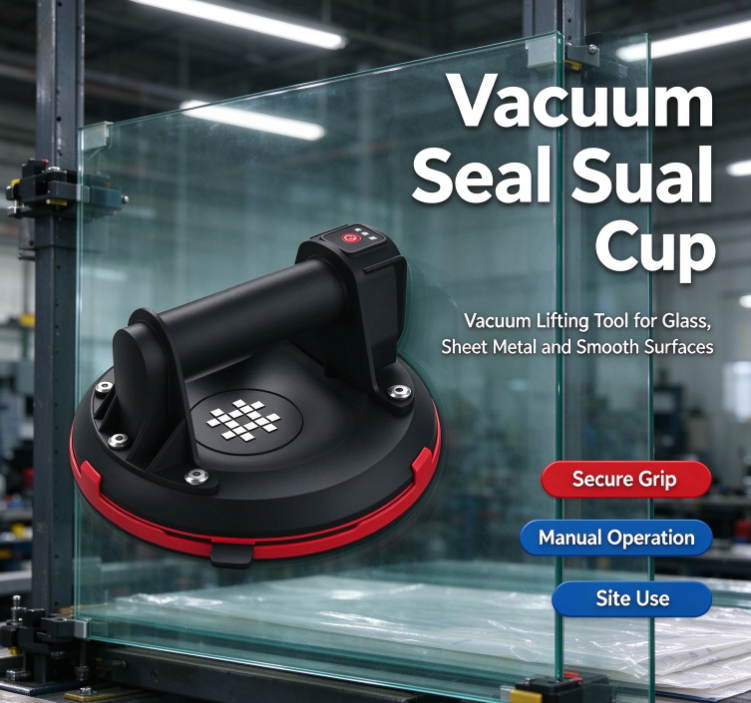
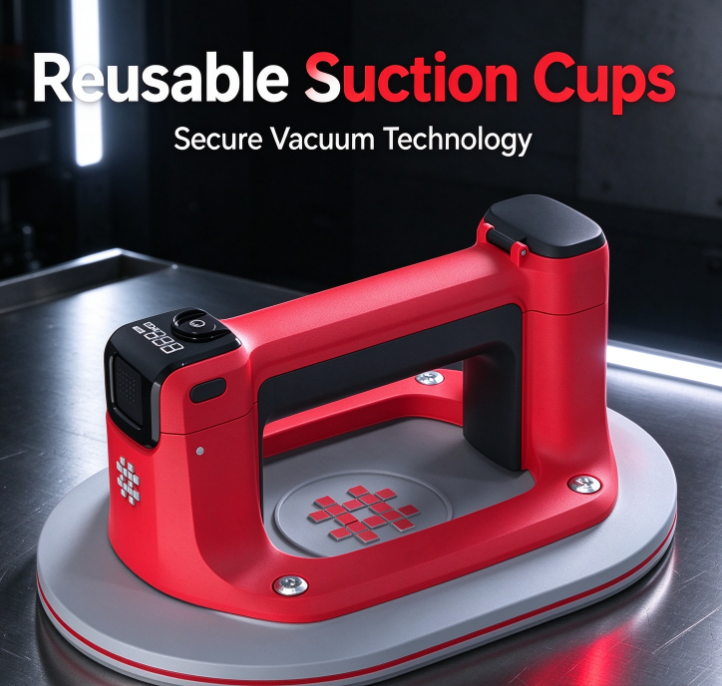
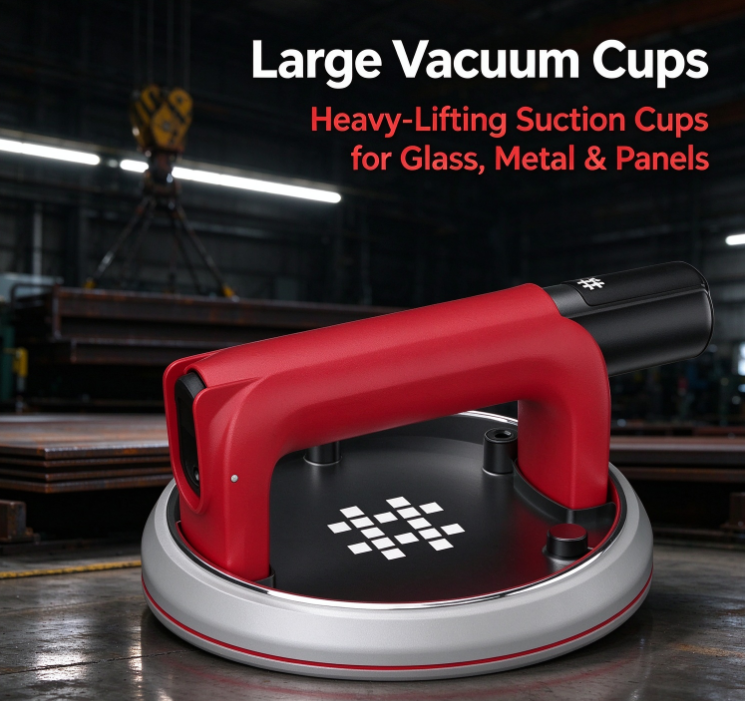

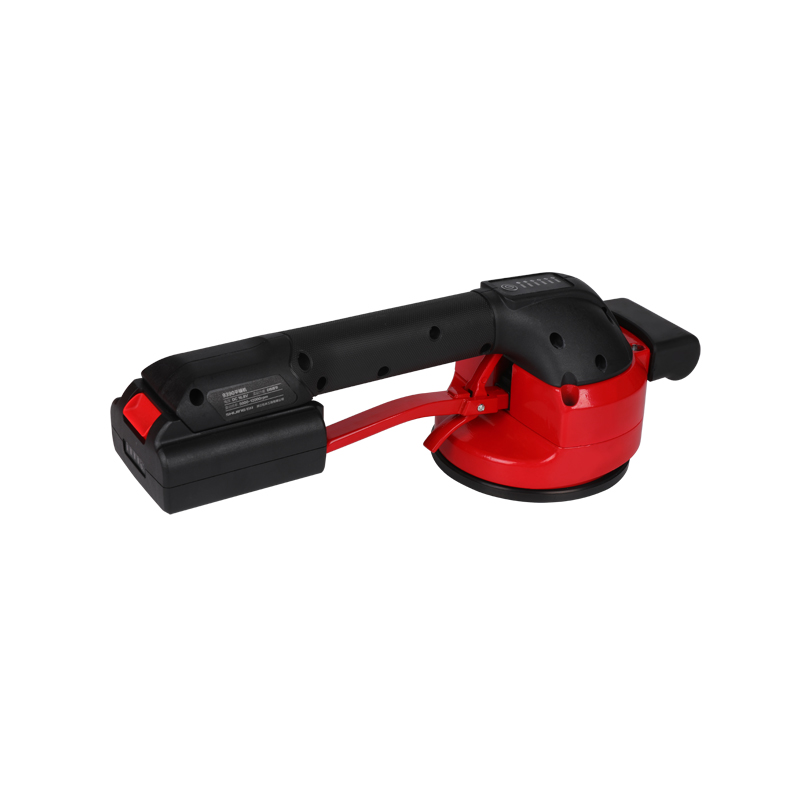

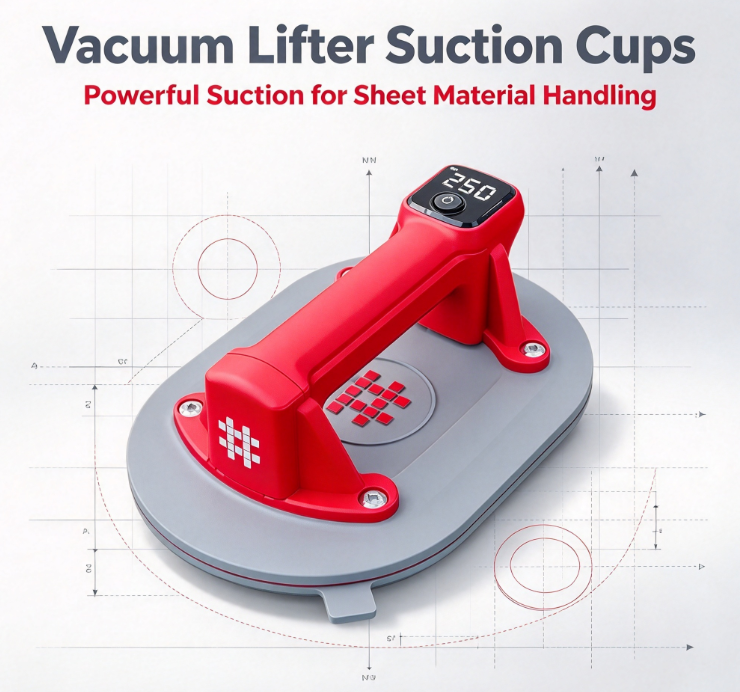
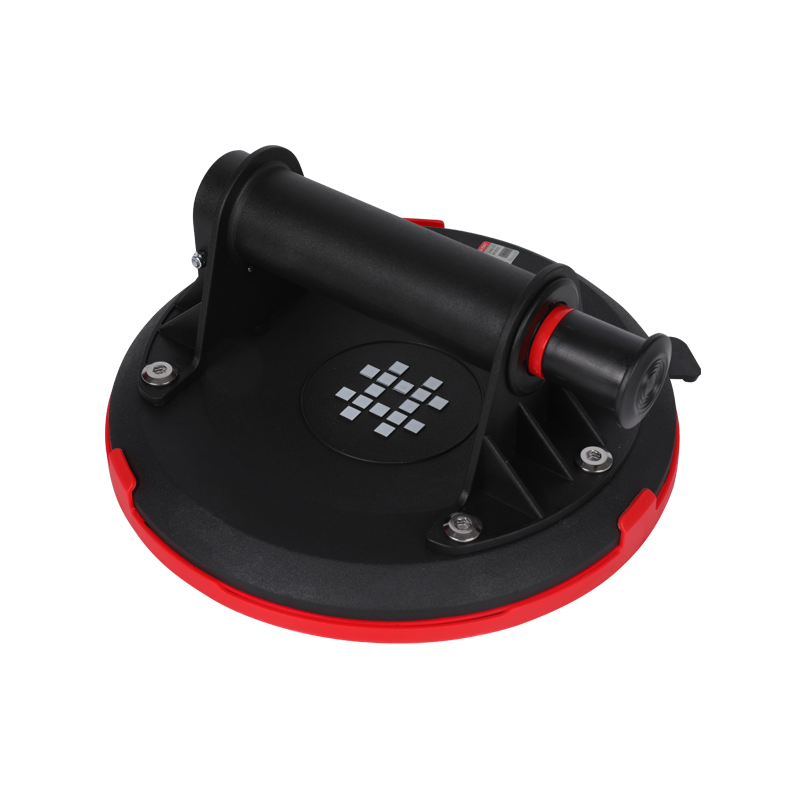
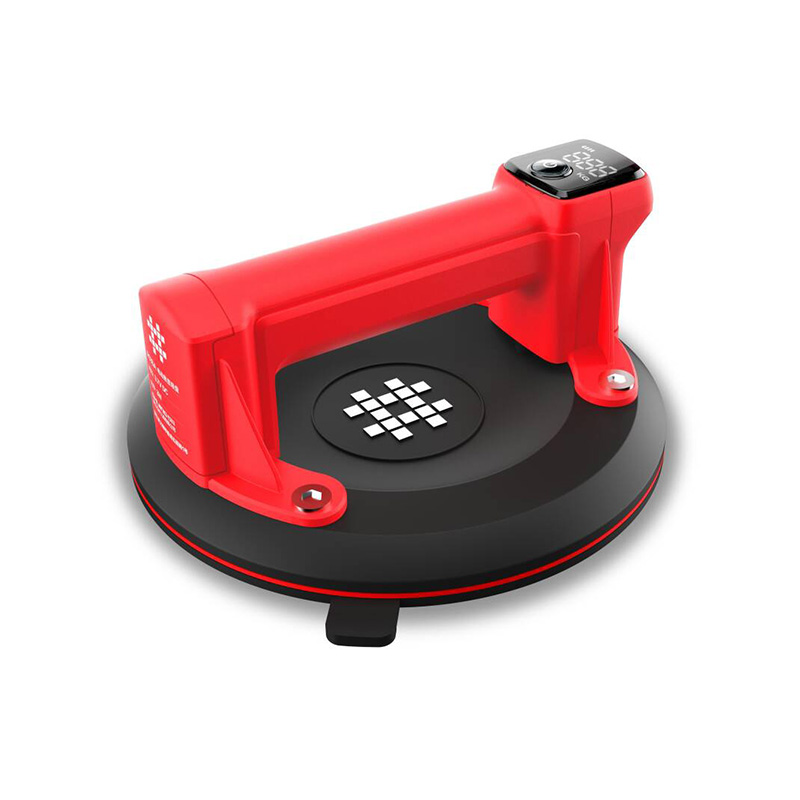
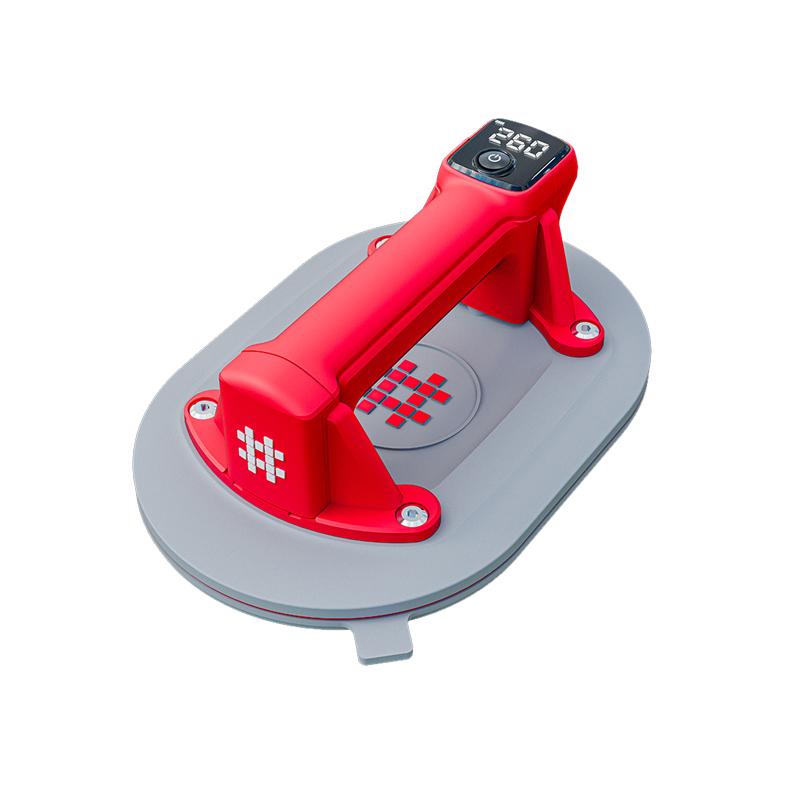
Vacuum lifting is now a fixture of material handling in manufacturing, construction, warehousing and glass processing. Workers can move heavy or delicate objects without leaning entirely on manual force. One fairly simple component sits at the center of it all: the vacuum lifter suction cup.
Suction cups look alike from one lifting system to the next, but their holding ability depends on several factors. Surface texture, material type, shape, cleanliness and flexibility all affect how well a cup builds and keeps suction. A cup that does fine on smooth glass may not grip rough concrete or porous wood nearly as well.
Knowing these differences helps manufacturers and equipment operators pick suitable cups for their working conditions. It also explains why vacuum lifting systems use different cup shapes, materials and sealing structures to handle such a wide range of objects.
How Do Vacuum Lifter Suction Cups Create a Grip?
A suction cup works by creating a pressure difference between the space inside the cup and the surrounding atmosphere. When the cup touches an object, its flexible sealing edge forms a closed contact area. Air is then pulled out of the space between the cup and the surface.
As pressure inside the cup drops, the higher atmospheric pressure outside pushes the cup against the material. That pressure difference produces the holding force that lets the lifting equipment support the object.
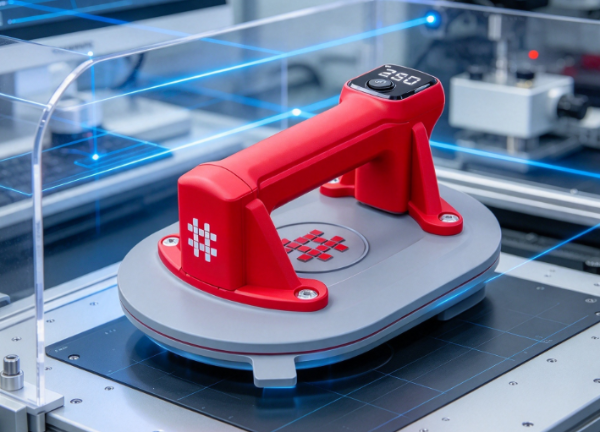
The sealing edge is crucial here. It has to follow the surface closely enough to keep air out of the contact area. If the seal is incomplete, the vacuum weakens and a stable grip becomes hard to maintain.
Cup flexibility affects contact too. A soft lip adjusts to small surface variations, while a firmer structure can give more support when an object needs a steadier contact arrangement.
Shape matters as well. Flat cups are common on fairly even surfaces, while bellows-style designs can handle certain height differences and uneven contact. Different designs answer different lifting needs, and no single approach fits everything.
Why Do Smooth Materials Allow More Reliable Suction?
Smooth, non-porous materials generally suit vacuum lifting because the cup can form a nearly continuous seal. Glass, polished metal and some plastic panels are typical examples.
On a smooth surface, the sealing lip sits snugly against the material, leaving few gaps for air to sneak in. That makes it easier for the vacuum system to hold the pressure difference needed for lifting.
Glass is a staple of vacuum handling. Its fairly even surface lets cups make direct contact. Its condition still counts, though. Dust, moisture, protective coatings and contamination can all disturb contact between cup and material.
Metal sheets offer suitable contact when their surfaces are smooth enough. Finishing processes vary, however, and a polished panel may behave differently from a brushed or textured one.
Plastics add further considerations. Some panels are smooth, while others have coatings, patterns or flexible structures. The cup has to cope with these traits without deforming the part or losing its seal.
With smooth materials, operators should watch several factors:
- Surface cleanliness: Dust, oil and loose particles can interfere with the sealing edge.
- Surface condition: Scratches, grooves and uneven areas may create small air leakage paths.
- Cup material: The sealing material should be compatible with the object's surface and working environment.
- Contact position: The cup should sit on a suitable area, not across an edge or surface joint.
Even when a material looks smooth, check its actual surface condition before lifting.
Can Vacuum Lifter Suction Cups Grip Rough or Textured Surfaces?
Rough and textured materials pose different problems. Their surfaces have small gaps, raised areas or irregular patterns, and these can stop the cup from forming a continuous seal.
Concrete panels, natural stone, unfinished wood and textured metal may all fall into this category. Air can slip through surface gaps or along uneven contact areas, so the vacuum system may struggle to keep enough suction.
Sealing lip design becomes especially important. A flexible cup can adapt to small surface variations and improve contact around the edges, but flexibility alone can't close off every leakage path.
Some cups come with wider sealing lips or specialized contact structures. These help accommodate surface irregularities within the intended application range. The right design depends on how rough the material is and whether the surface has open pores or deep grooves.
It's worth separating textured from porous materials. A textured surface may have an uneven outer layer yet stay fairly airtight. A porous material lets air pass through its internal structure, which is a different challenge for vacuum lifting.
When handling rough surfaces, operators should consider:
- Whether the surface has shallow texture or deep irregularities.
- Whether the material contains open pores.
- Whether the sealing edge can follow the surface profile.
- Whether the vacuum system can maintain a stable holding condition.
- Whether additional sealing arrangements are required.
A visual inspection can flag potential problems, but lifting suitability should be confirmed through proper testing.
How Do Porous Materials Affect Vacuum Grip?
Porous materials need special attention because air can move through the material itself. Unlike glass or polished metal, their surfaces may not offer a naturally airtight contact area.
Wood is a typical case. Its surface has natural pores, fibers and density variations. Even a board that looks fairly flat may let air pass through its structure or escape via tiny surface openings.
Cardboard, fabric, foam and some building materials pose similar challenges. Their internal structures can allow continuous air movement, making it hard for a conventional cup to hold a stable vacuum.
A vacuum lifter built for non-porous surfaces may therefore be unsuitable here. Specialized cups or lifting arrangements may be needed to limit air leakage and spread the vacuum over a larger contact area.
Some systems use foam sealing materials. These adapt to surface irregularities and help create contact across a wider area, so they're often considered for uneven or porous surfaces.
Foam seals still need proper selection. Their ability to maintain contact depends on the material's structure, surface condition and the lifting environment. A foam seal that works on one type of board may not work as well on another.
The vacuum source plays a part too. Porous materials may call for equipment that can make up for continuous air leakage, keeping an appropriate vacuum level while air enters through the object.
That makes material evaluation essential. Operators shouldn't assume all wood, fabric or foam products can be handled the same way.
Does the Flexibility of a Material Change How Suction Cups Grip It?
Material flexibility is another key factor. Some objects hold their shape during handling, while others bend, compress or deform under pressure.
Rigid materials like glass sheets and metal panels generally keep their shape once a cup is applied, so the cup maintains a fairly consistent contact area.
Flexible materials behave differently. Thin plastic sheets, rubber products, soft packaging and fabric-based materials can change shape under vacuum pressure. If the suction force isn't distributed well, the material may bend toward the cup or become distorted.
For these applications, contact area and cup arrangement need careful thought. Several cups can spread the holding force over different parts of the object, which may reduce localized deformation and give more balanced support.
Cup material is relevant as well. A soft sealing edge lowers the risk of marking sensitive surfaces, but softness shouldn't undermine the cup's ability to keep a reliable seal.
Thickness and structural support of the object count too. A flexible sheet may be easy to lift near its center yet hard to control around unsupported edges. The cup arrangement should reflect the object's shape and expected movement during lifting.
Different materials may call for different handling strategies:
| Material Type | Main Grip Challenge | Relevant Suction Cup Consideration |
|---|---|---|
| Glass sheets | Surface contamination or breakage risk | Clean contact surfaces and suitable cup placement |
| Metal panels | Surface finishes and weight distribution | Appropriate sealing lips and balanced support |
| Plastic sheets | Bending and surface deformation | Flexible contact materials and distributed support |
| Wood boards | Porosity and surface variation | Foam seals or specialized vacuum arrangements |
| Fabric materials | Air leakage and flexible structure | Broad contact areas and application-specific sealing |
| Rubber products | Surface deformation and material flexibility | Compatible cup materials and controlled contact |
The comparison shows why cup selection should weigh both the surface and the physical behavior of the object.
What Role Do Suction Cup Materials and Shapes Play?
The cup itself directly shapes how a vacuum lifter interacts with different materials. Its composition, shape and sealing structure decide how it responds to contact pressure and surface variations.
Rubber is widely used because it pairs flexibility with good sealing ability. Rubber compounds differ: some suit general industrial handling, while others are chosen for particular temperatures, surface conditions or chemical environments.
Silicone is another option where surface compatibility and flexibility matter. It may be considered for delicate or sensitive products, though any cup material's suitability depends on the object and operating conditions.
Polyurethane-based materials also appear in certain industrial cup designs. Their physical characteristics can suit applications with repeated contact and mechanical handling.
Shape counts just as much.
Flat suction cups
Flat cups are commonly used for objects with fairly even surfaces. Their structure allows direct contact with the material and supports stable positioning during lifting. They're often considered for glass, metal and rigid plastic panels.
Bellows suction cups
Bellows-style cups have a flexible body that compresses and extends. That helps absorb certain height differences and uneven positioning, and it gives some leeway when objects aren't perfectly aligned.
Oval suction cups
Oval designs help when the available contact area is narrow or elongated. They can handle profiles, strips and other objects where a round cup wouldn't fit well.
Foam suction cups
Foam-based sealing structures often serve when the surface has irregularities or lets air leak. Their broad contact area can help with certain porous or textured materials.
No single design suits every application. The choice should reflect the object's surface, shape, weight distribution and handling requirements.
How Can Operators Maintain a Stable Grip During Lifting?
Choosing a suitable cup is only half the job. Proper operation and maintenance also affect grip reliability. Even a well-matched cup can lose holding power if the contact surface is contaminated or the sealing edge is damaged.
Surface preparation is a good place to start. Where the material and application allow, remove dust, oil, loose particles and other contaminants. A clean surface gives the cup a better chance of making contact.
Cup inspection matters equally. Sealing lips can wear, crack or deform with repeated use, creating small leakage paths that are hard to spot in a quick visual check.
Operators should also look at the lifting position. A cup placed too near an edge, joint, hole or damaged section may fail to form a complete seal. The contact area should support the object without adding needless stress.
During operation, monitor the vacuum condition according to the equipment manufacturer's instructions. If the system shows a loss of vacuum or an unstable grip, stop lifting until the cause is found.
Regular maintenance may include:
- Cleaning suction cups to remove accumulated dust and residue.
- Checking sealing lips for cracks, deformation and wear.
- Inspecting vacuum hoses and connections for leakage.
- Confirming that the cup is compatible with the handled material.
- Replacing damaged components according to maintenance guidance.
- Testing the lifting arrangement before returning equipment to regular service.
Storage conditions matter too. Keep cups away from substances and environmental conditions that can cause early deterioration. Avoiding needless deformation in storage helps preserve their contact shape.
Safe operation takes more than a strong vacuum. The whole lifting system must suit the object, and operators should follow the equipment's rated capacity, inspection procedures and safety instructions. Never lift a load when the holding condition is uncertain.
How Should Businesses Choose Suction Cups for Different Applications?
For manufacturers and equipment users, cup selection should start with a clear understanding of the materials being handled. Appearance alone isn't enough. Two objects that look alike may differ in surface finish, internal structure or flexibility.
A practical evaluation should examine several aspects of the application.
Surface characteristics
Decide whether the object is smooth, textured, porous, coated or uneven. This points to the sealing structure needed to establish contact.
Material behavior
Consider whether the object is rigid, flexible, fragile or easily deformed. This affects cup softness, contact distribution and positioning.
Object geometry
Shape and available contact area influence the choice among flat, oval, bellows and foam-based designs. Curved or narrow surfaces may need a different arrangement from large, flat panels.
Working environment
Temperature, moisture, dust and chemical exposure can affect cup materials. The selected cup should suit the environment where it operates.
Handling frequency
Applications with repeated lifting may call for attention to wear resistance and maintenance. The cup should suit the expected working pattern, not just a single lift.
Safety requirements
The complete lifting arrangement should account for the object's weight, center of gravity, surface condition and movement during transport. Proper testing and safety procedures are necessary before regular operation.
Businesses handling several material types may do better evaluating different cup designs than relying on one general-purpose option. A cup that performs well on smooth glass may not suit porous wood or flexible plastic.
Vacuum lifter suction cups are small components with a big role in material handling. Their grip depends on how the cup's sealing structure relates to the physical characteristics of the object. Understanding how smooth, rough, porous and flexible materials behave makes it easier to choose suitable lifting equipment and set up consistent handling procedures.