English
 中文简体
中文简体 русский
 Español
 Deutsch
You can learn the recent information of Shijing.



.jpg)
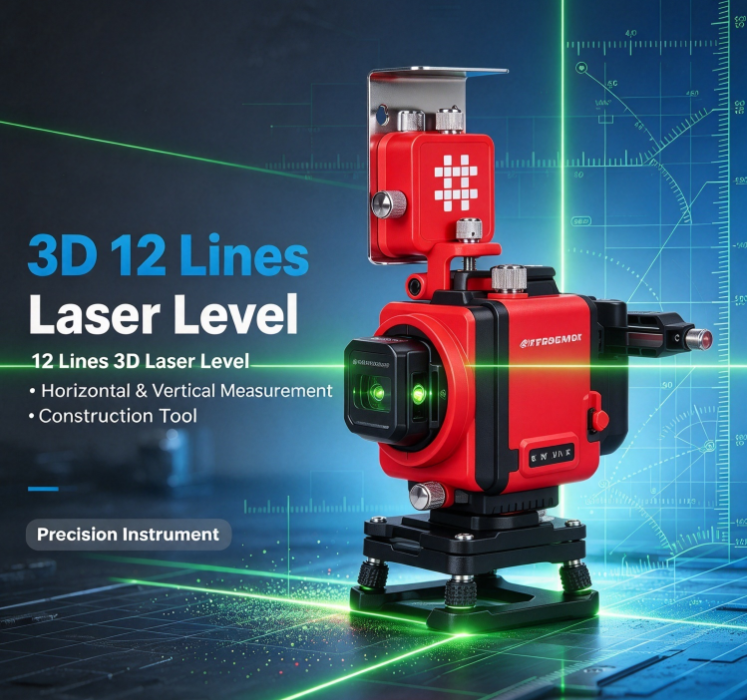
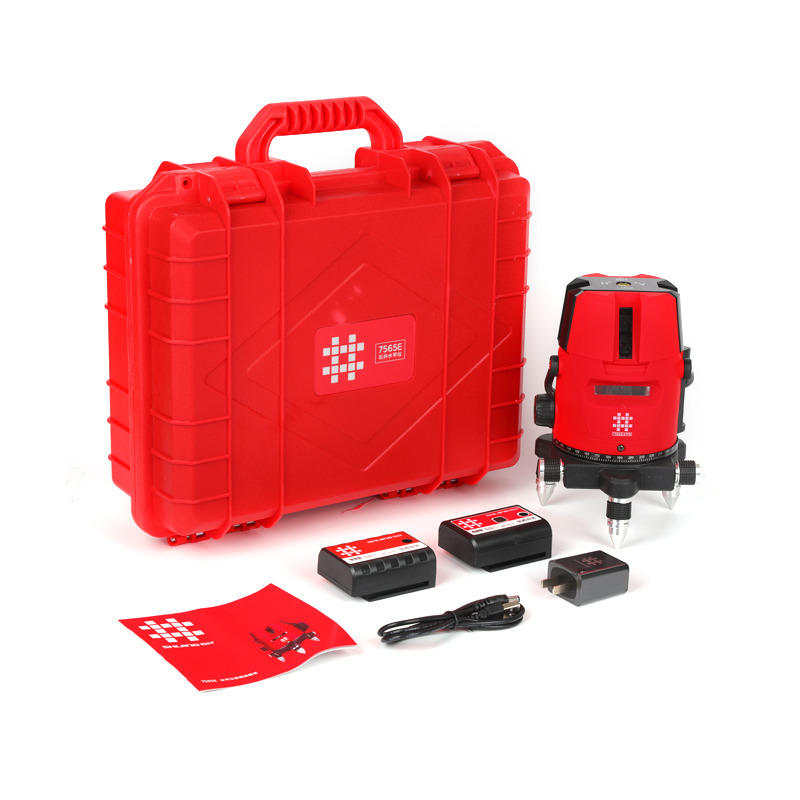
Precision tools like laser levels have revolutionized the construction and DIY industries. From installing tiles to aligning cabinets or hanging pictures, laser levels ensure accuracy and efficiency. In this FAQ, we focus on Laser Level, Self Leveling Laser Level, and Green Laser Level, providing practical insights for professionals and enthusiasts.
A laser level is a device that projects a highly visible laser beam onto a surface, helping users achieve great straight lines and accurate alignments. Unlike traditional bubble levels, laser levels allow hands-free operation, saving both time and effort.
| Component | Function |
|---|---|
| Laser Diode | Emits a highly focused beam of light |
| Leveling Base | Provides stability and ensures the beam is projected correctly |
| Adjustment Controls | Allows fine-tuning of angle and direction |
| Mounting Options | Tripod or wall mount for flexible positioning |
Advantages of Using a Laser Level
- Accuracy: Provides a straight reference line for walls, floors, or ceilings.
- Time Efficiency: Reduces manual measuring and marking.
- Versatility: Can be used in multiple construction projects, including tiling, framing, and cabinetry.
- Ease of Use: Lightweight and portable; suitable for DIY or professional projects.
Common Uses
- Aligning tiles and flooring
- Installing shelves and cabinets
- Framing walls or windows
- Hanging pictures or art
How Does a Self Leveling Laser Work?
A self leveling laser level automatically adjusts the beam to ensure a great horizontal or vertical line, even if the device is slightly tilted. This feature is particularly useful for professionals who need precise alignments in busy or uneven work environments.
How It Works
Self leveling models contain an internal pendulum system or electronic sensor that detects tilt. Once placed on a surface, the pendulum swings or sensors adjust the laser automatically, providing a level line within seconds.
| Benefit | Description |
|---|---|
| Error Reduction | Eliminates mistakes caused by uneven setup |
| Faster Setup | Reduces manual leveling time significantly |
| Consistency | Ensures uniform lines across long distances |
| Multi-Function | Many models can project horizontal, vertical, or cross lines |
Tips for Using a Self Leveling Laser Level
- Place on Stable Surface: Always ensure the base is steady.
- Activate Self-Leveling: Switch on the device and wait for the pendulum or sensor to settle.
- Adjust Beam as Needed: Use fine-tune controls if minor adjustments are required.
- Mark Reference Points: Use the laser line to mark critical points on walls, floors, or ceilings.
- Monitor Battery Levels: Self leveling models often consume more power than manual lasers.
Self leveling laser levels are ideal for both large-scale construction sites and DIY home improvement projects, as they dramatically increase efficiency and precision.
Why Choose a Green Laser Level?
A green laser level emits a green-colored beam, which is significantly brighter and easier to see compared to traditional red lasers, especially in daylight conditions. The human eye is more sensitive to green light, making it ideal for long-range projects and well-lit environments.
Comparison: Green vs. Red Laser Levels
| Feature | Green Laser | Red Laser |
|---|---|---|
| Visibility in Daylight | High | Moderate |
| Range | Up to 100 feet or more | Typically 30–50 feet |
| Price | Slightly higher | More affordable |
| Battery Consumption | Moderate | Low |
Advantages of Green Laser Levels
- Enhanced Visibility: Ideal for outdoor or bright indoor settings.
- Extended Range: Green lasers can be projected further with minimal loss of intensity.
- Precision: Provides clear, sharp lines for alignment, reducing eye strain.
- Professional Choice: Commonly used in construction, large renovation projects, and surveying.
Practical Applications
- Installing ceilings or drop-down panels
- Outdoor landscaping alignment
- Long-range wall layouts
- Construction of large commercial spaces
.jpg)
How to Choose the Right Laser Level?
When selecting a laser level, consider the following factors:
| Factor | Consideration |
|---|---|
| Type | Manual or self leveling depending on accuracy needs |
| Laser Color | Green for outdoor or long-range projects, red for indoor tasks |
| Mounting Options | Tripod, wall mount, or handheld flexibility |
| Range | Ensure beam reaches required distances for your project |
| Durability | IP-rated or rugged construction for construction sites |
| Power Source | Battery type, runtime, and recharging options |
| Beam Modes | Horizontal, vertical, or cross-line projection |
Choosing the right laser level depends on your specific project requirements, workspace conditions, and budget. Professionals often prefer self leveling green lasers for high precision and visibility, while DIY enthusiasts might choose compact red laser levels for indoor tasks.
Installation Tips for Maximum Accuracy
To achieve the good results with any laser level:
- Ensure Stability: Use a flat, stable surface or tripod mount.
- Avoid Obstructions: Clear the line of sight between the laser and reference points.
- Check Calibration: Periodically verify the accuracy against a spirit level.
- Use Marking Tools: Chalk or pencil markings help transfer laser lines onto surfaces.
- Adjust for Angle: Tilt and fine-tune using controls for sloped surfaces or unique angles.
These steps help prevent errors and make installation projects faster and more precise.
Safety and Maintenance
Laser levels are generally safe, but certain precautions are recommended:
- Eye Protection: Avoid direct eye exposure to the laser beam.
- Battery Care: Replace or recharge batteries regularly to maintain consistent output.
- Storage: Keep in protective cases to prevent damage to the laser emitter or leveling mechanism.
- Calibration: Check calibration annually for long-term accuracy.
Proper maintenance ensures longevity and good performance, especially for professional-grade models.
Laser levels, whether manual, self-leveling, or green-beam models, are essential tools for anyone seeking precision and efficiency in construction, tiling, or DIY projects. They reduce human error, save time, and ensure professional results, making them a worthwhile investment.
Choosing the right type and following proper usage and maintenance tips will maximize the benefits of this indispensable tool. By understanding the differences between laser levels, self-leveling laser levels, and green laser levels, you can select the great device for any alignment task.
-2.jpg)
.jpg "7859E 12 (3D) Lines Laser")
-4.jpg "P621 Angle Suction Cup")