English
 中文简体
中文简体 русский
 Español
 Deutsch
You can learn the recent information of Shijing.
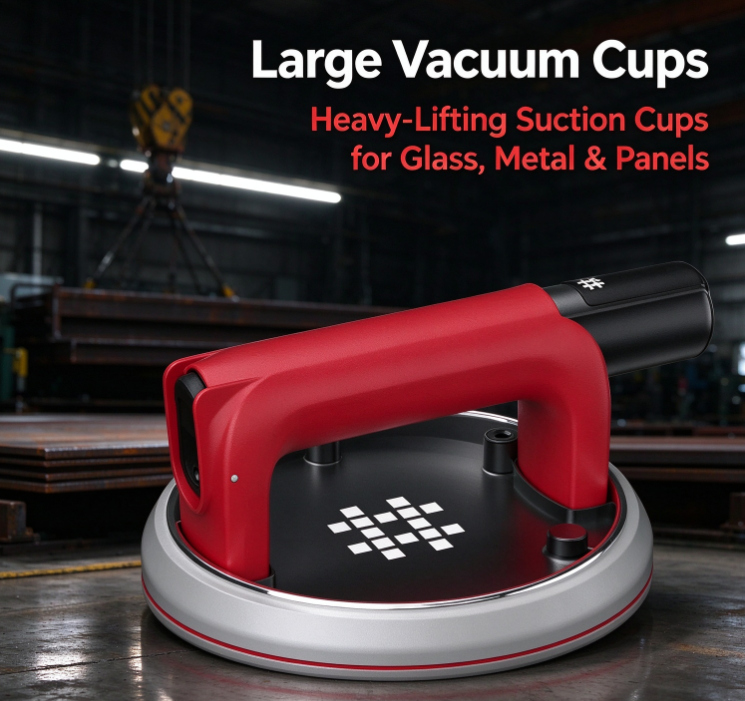
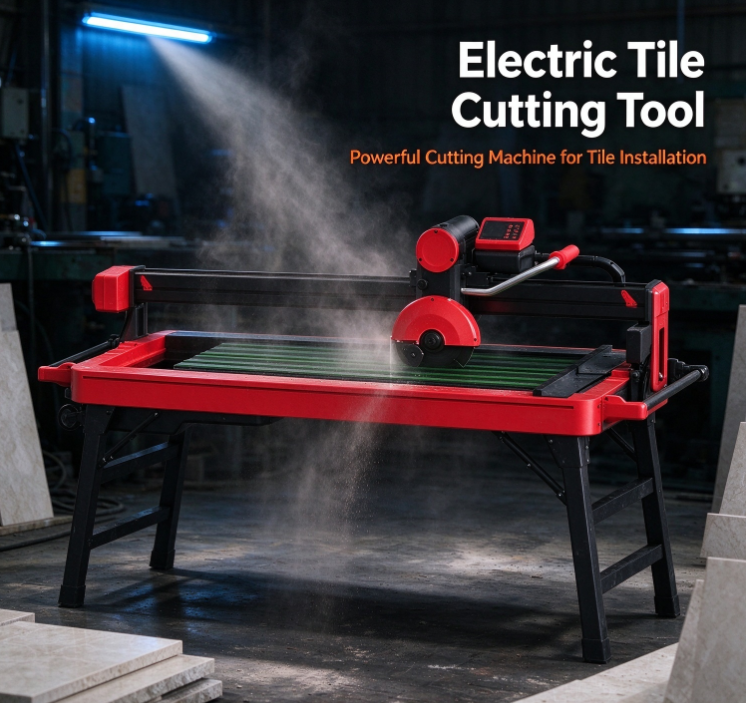
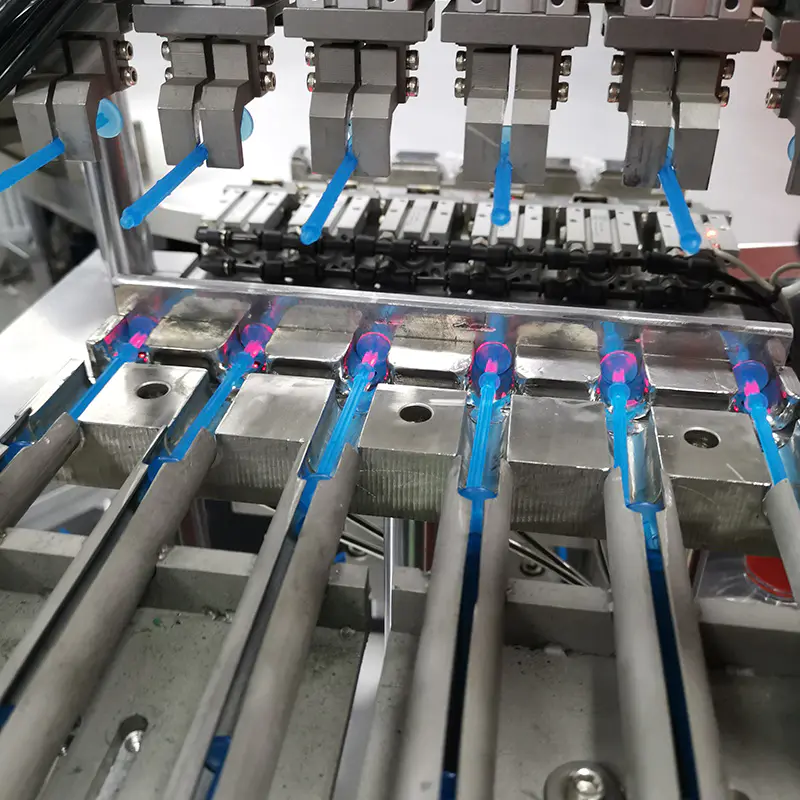
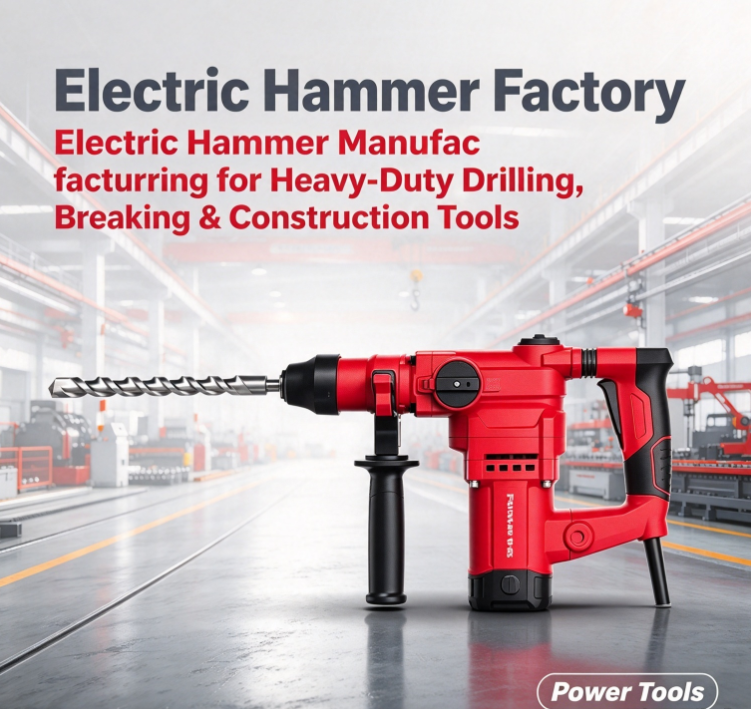
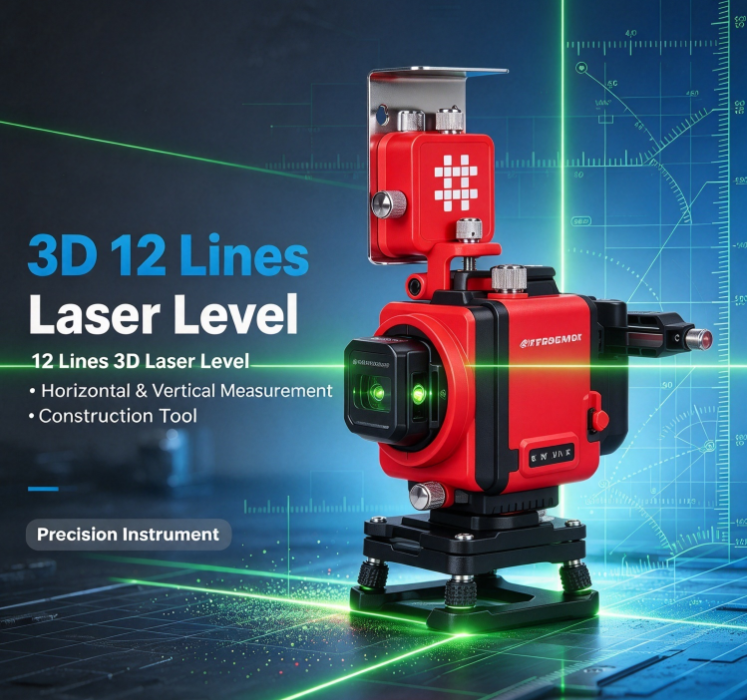
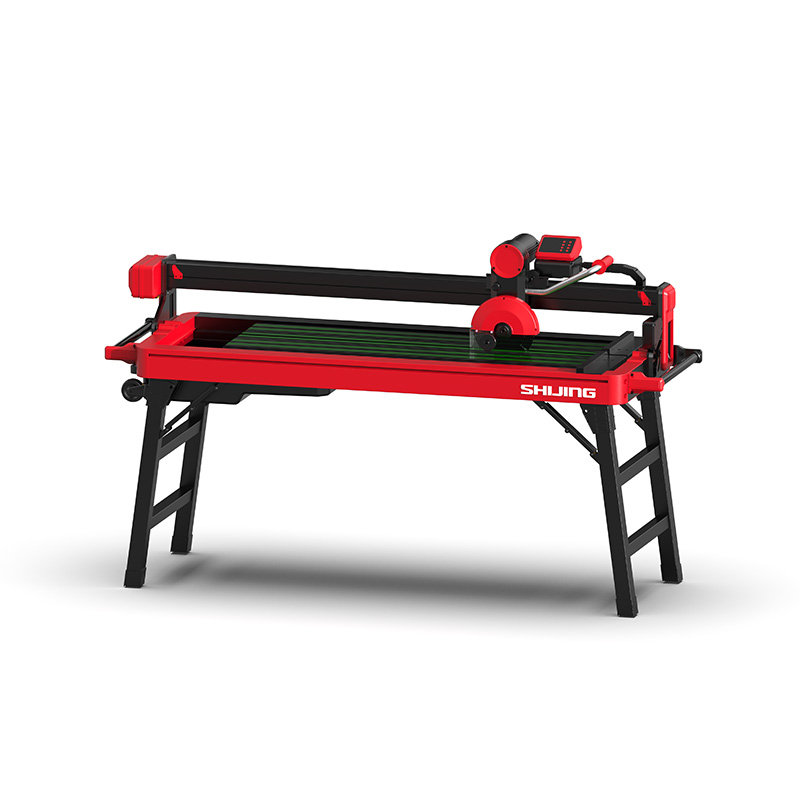
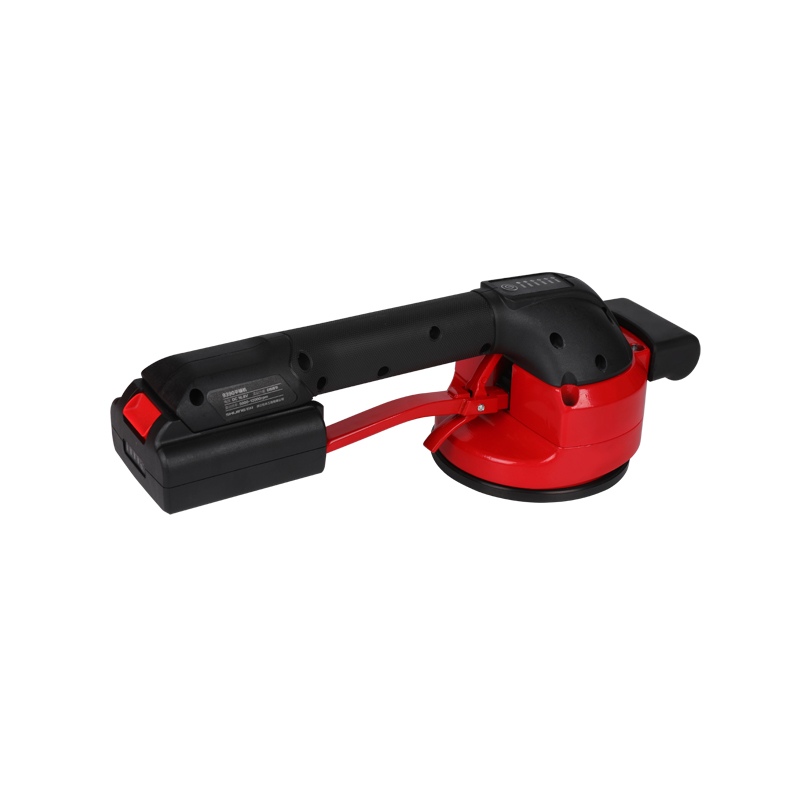

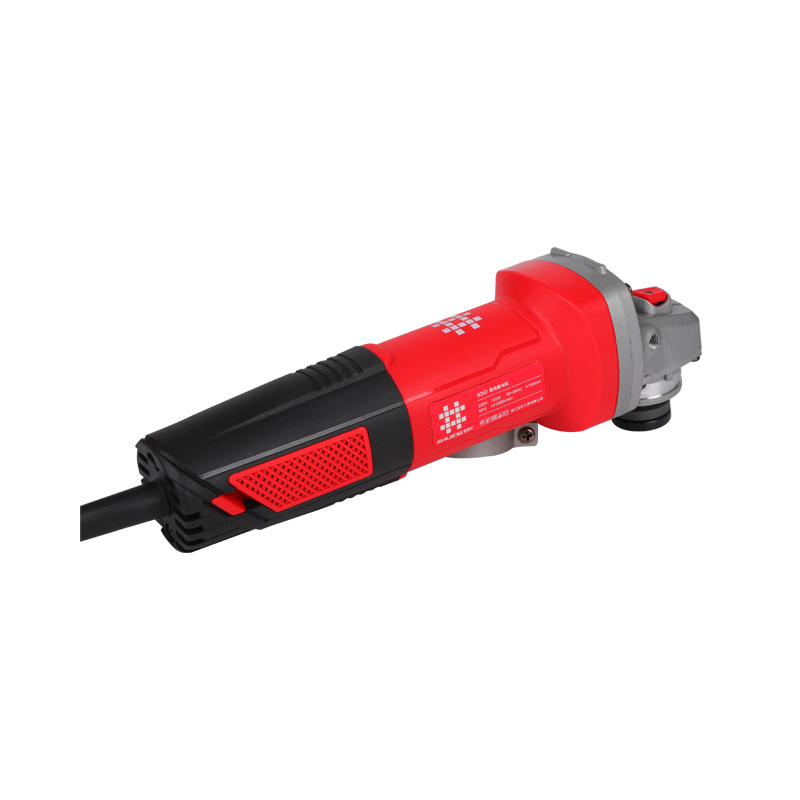
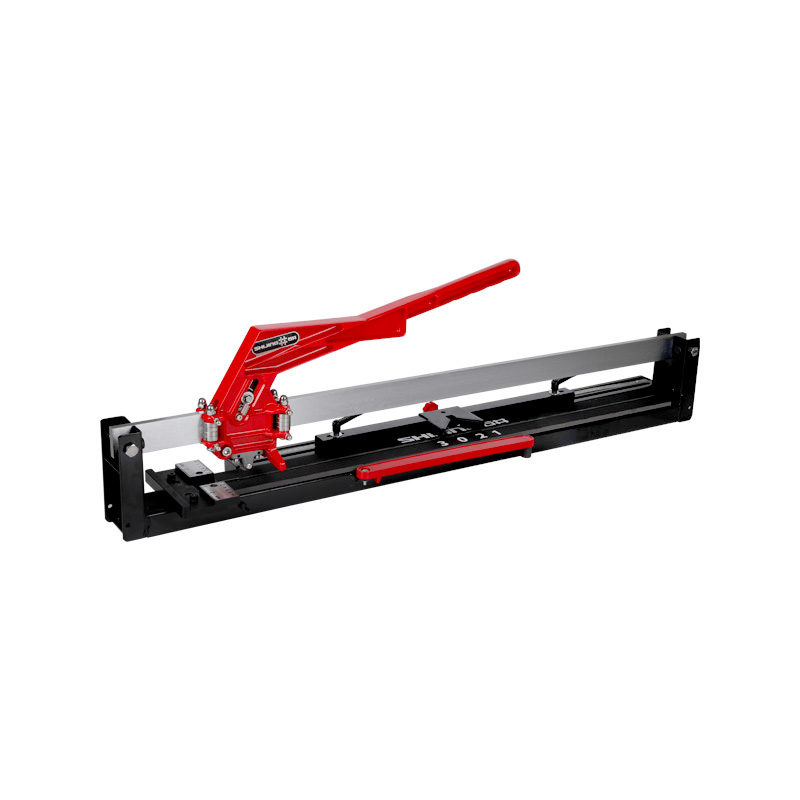
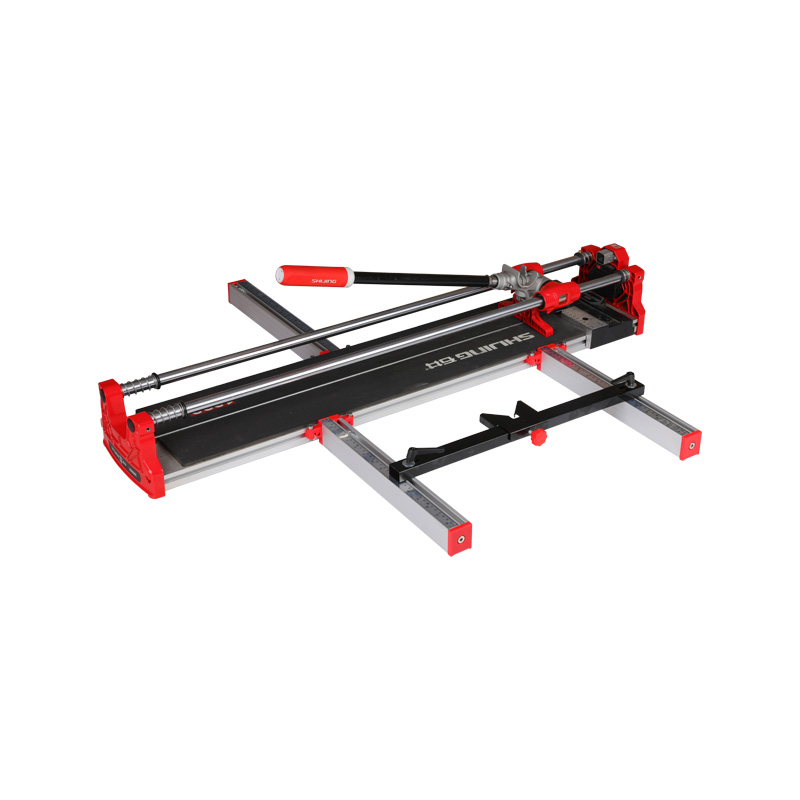

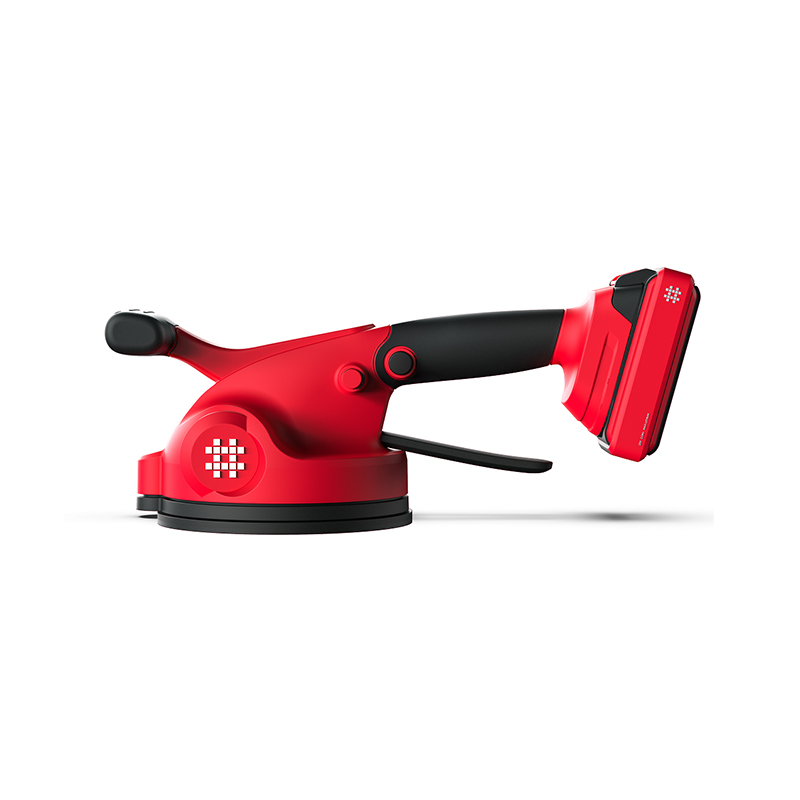
Tile vibrators are specialized tools designed to ensure that tiles are installed securely and evenly. These devices produce rapid vibrations that help settle mortar under the tile, eliminating air pockets, and creating a strong bond between the tile and the substrate. Without vibration, tiles can shift, crack, or develop uneven surfaces over time, especially when working with large-format or heavy tiles.
Types of Tile Vibrators
Tile vibrators are generally classified into electric and manual models:
- Electric Tile Vibrators: These are powered by electricity and provide consistent high-frequency vibrations. They are ideal for large-scale projects or commercial settings where efficiency and power are critical. Some electric models come with adjustable vibration intensity, allowing the installer to control the strength depending on the tile size or adhesive type.
- Manual Tile Vibrators: These devices use a hand crank or simple mechanical action to create vibrations. While less powerful, they are highly portable, more affordable, and great for small residential projects or areas without access to electricity.
Key Features to Consider
- Compact Size: Most tile vibrators are small and lightweight, which makes them easy to maneuver in tight spaces, corners, or vertical installations.
- Interchangeable Tips: Vibrator heads come in various shapes and sizes, making it possible to work with different tile formats—from mosaics to large slabs.
- Durability: High-quality models are built from steel or aluminum, designed to withstand frequent use without compromising performance.
- Ergonomic Design: Comfort grips and reduced vibration handles minimize fatigue, allowing installers to work longer hours efficiently.
Applications of Tile Vibrators
Tile vibrators are not only used for floors but are also effective for walls, countertops, and intricate layouts. They are particularly beneficial for:
- Large-format tiles that are prone to uneven adhesion.
- Complex patterns where air pockets may compromise alignment.
- Thin-set mortar applications that require precise settling.
Using a tile vibrator improves adhesion strength, reduces future maintenance, and ensures a professional-quality finish. For DIY enthusiasts, a small manual vibrator can make a huge difference, while professional tilers often rely on electric models for speed and reliability.
How does a Tile Leveling System work?
A tile leveling system is an indispensable tool for achieving a great flat tiled surface, eliminating one of the common problems in tile installation: lippage. Lippage occurs when adjacent tiles are uneven, creating a visual and functional flaw that can cycle to safety issues and premature wear.
Components of a Tile Leveling System
Tile leveling systems usually consist of three main components: clips, wedges, and tension tools.
- Clips: Placed under the tile edges, they serve as anchors that hold tiles in place while the adhesive sets.
- Wedges: Inserted into clips, they ensure all tiles remain at the same height.
- Tension Tools: Used to adjust the wedges consistently across the surface, preventing uneven pressure that could break tiles.
Step-by-Step Guide to Using a Tile Leveling System
- Prepare the Surface: Clean, repair, and level the substrate before installing tiles.
- Position Clips: Place clips under the corners or edges of tiles before pressing them into the mortar.
- Insert Wedges: Slide wedges into the clips to lock tiles in place.
- Adjust Wedges: Use a tensioning tool to apply uniform pressure, ensuring tiles are level with each other.
- Allow Mortar to Set: Wait until the adhesive is fully cured before removing clips and wedges.
Benefits of Tile Leveling Systems
- Ensures consistent tile height and prevents lippage.
- Reduces time spent adjusting tiles manually.
- Improves overall visual appeal of tiled surfaces.
- Works with large-format and uneven substrates for professional results.
Whether you are tiling a bathroom floor, kitchen backsplash, or commercial lobby, a leveling system guarantees that each tile aligns great, making the surface safer, more durable, and aesthetically pleasing.
Why use Tile Spacers and Levelers?
Tile spacers and levelers are essential for maintaining uniform gaps and precise alignment between tiles. Consistent spacing not only enhances the visual appearance but also ensures grout lines remain even and structurally stable.
| Feature | Description | Benefit |
|---|---|---|
| Spacing Accuracy | Maintains uniform gaps between tiles | Ensures clean grout lines and professional appearance |
| Leveling Assistance | Keeps tiles flat relative to each other | Prevents lippage and uneven surfaces |
| Versatility | Works with different tile sizes and thicknesses | Suitable for floors, walls, and various tile materials |
| Ease of Use | Simple insertion and removal | Speeds up installation process and reduces errors |
| Reusability | Durable plastic or nylon construction | Cost-effective over multiple projects |
How Spacers and Levelers Improve Installation
- Maintain Consistent Gaps: Spacers are inserted at tile corners to keep gaps even for grouting.
- Prevent Uneven Surfaces: Levelers work with wedges to ensure adjacent tiles remain flush while mortar dries.
- Support Various Tile Types: Both tools are compatible with ceramic, porcelain, and natural stone tiles of different thicknesses.
- Enhance Professional Finish: Using spacers and levelers results in straight grout lines, smooth surfaces, and long-lasting durability.
Ideal Usage Scenarios
- Installing patterned tiles, mosaics, or large slabs.
- Renovating floors and walls where substrate irregularities exist.
- Ensuring precise alignment in high-traffic areas where uneven tiles could cause tripping hazards.
By combining spacers and levelers, installers achieve faster, more accurate results, and homeowners enjoy visually great, functional tiled surfaces that stand the test of time.
Good Practices for Using Tile Installation Tools
- Surface Preparation: Always start with a clean, level substrate. Remove debris, repair cracks, and ensure moisture levels are suitable for adhesive.
- Use the Right Adhesive: Different tile types and sizes require compatible mortars or thin-set adhesives for good bonding.
- Combine Tools Strategically: Use a tile vibrator to remove air pockets, a leveling system to prevent lippage, and spacers for uniform gaps.
- Check Alignment Frequently: Even with leveling tools, always double-check that tiles remain straight and flush.
- Allow Proper Curing: Adhesive must fully set before removing clips, wedges, or spacers to prevent tiles from shifting.
- Grouting Tips: Apply grout evenly, clean excess immediately, and seal grout lines if required to prevent staining and moisture infiltration.
- Maintenance of Tools: Regularly inspect tile vibrators, leveling systems, and spacers for wear. Clean and store them properly to extend lifespan.
Expert Advice for Professionals
- For large-format tiles, always use both a tile vibrator and a leveling system to ensure a flawless installation.
- Consider reusable spacers for multiple projects to reduce costs.
- Use different vibrator tips for mosaic versus large tiles to optimize adhesion and prevent damage.
- In commercial or high-moisture environments, ensure adhesive and grout choices are compatible with environmental conditions.
Tile vibrators, tile leveling systems, and tile spacers and levelers are indispensable tools for anyone looking to achieve professional-grade tile installation. Each tool serves a specific purpose:
- Tile Vibrators: Eliminate air pockets, improve adhesion, and ensure long-term durability.
- Tile Leveling Systems: Prevent lippage and maintain consistent height across tiles.
- Tile Spacers and Levelers: Ensure uniform grout lines and precise alignment.
When used together with proper surface preparation and adhesive selection, these tools make tiling faster, more accurate, and visually appealing. Both DIY enthusiasts and professional installers can achieve a flawless finish that lasts for decades, reducing maintenance and improving safety.
Investing in these tools not only enhances the quality of installation but also increases efficiency, saves time, and ensures customer satisfaction in commercial projects or personal renovations.
.jpg)
.jpg "7859E 12 (3D) Lines Laser")
.jpg "7859F 12 (3D) Lines Laser")
.jpg "P617 Electrical Air Pump")
-5.jpg "P622 Tension Suction Cup")