English
 中文简体
 русский
 Español
 Deutsch

You can learn the recent information of Shijing.
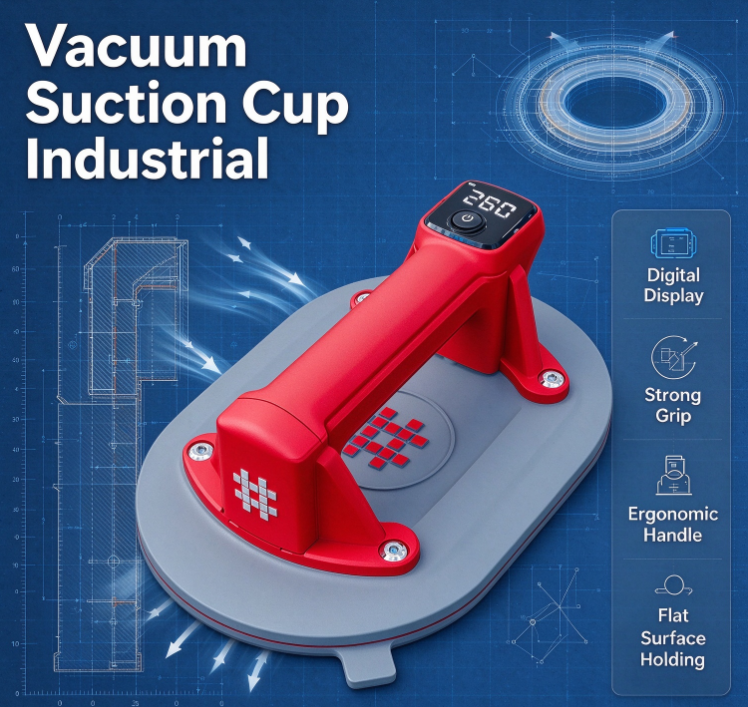
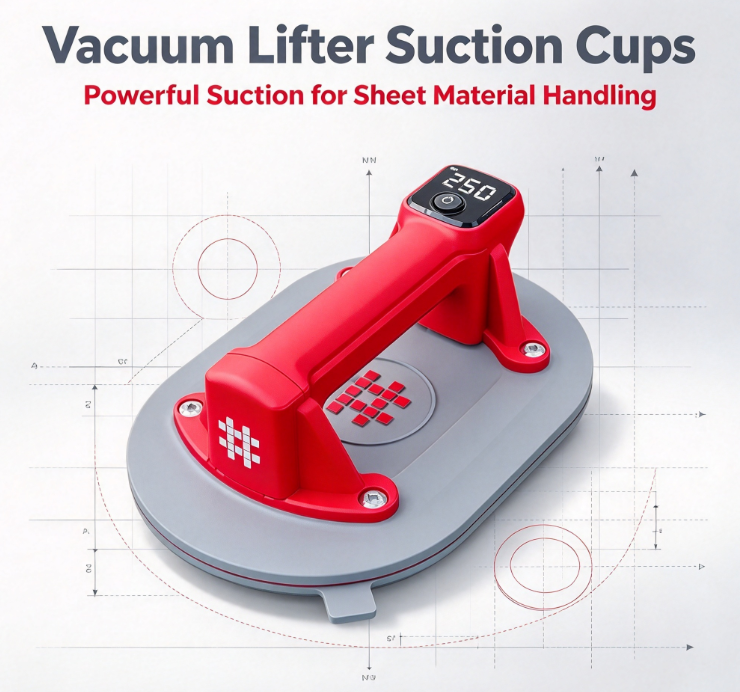
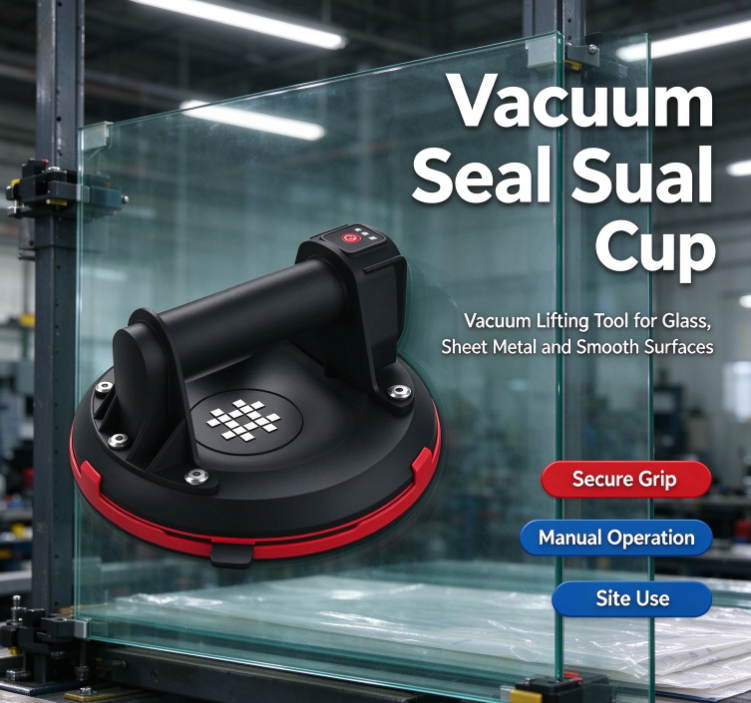
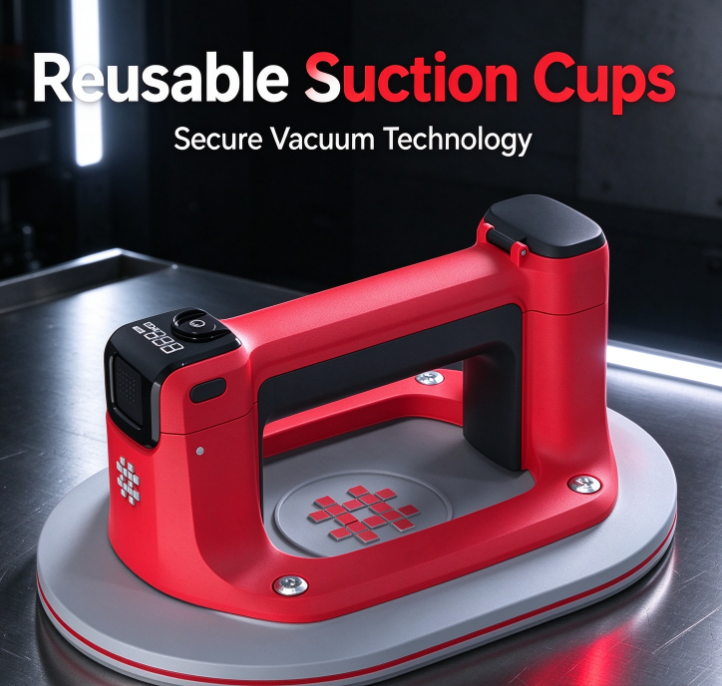
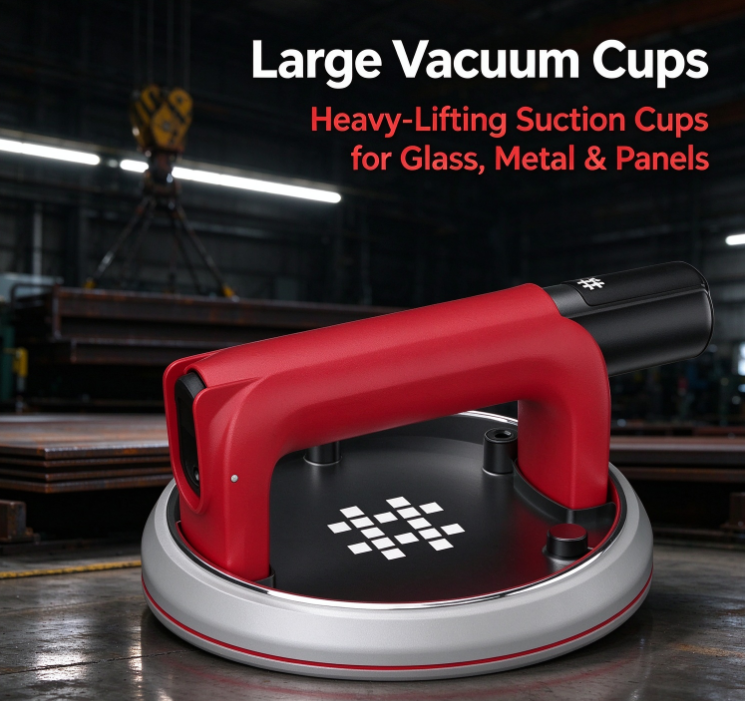
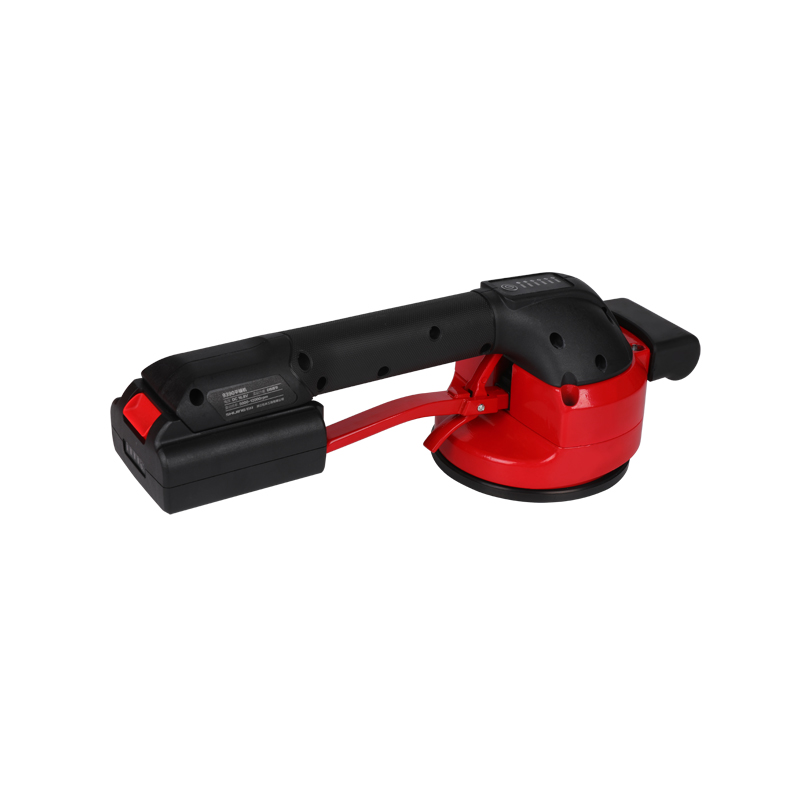

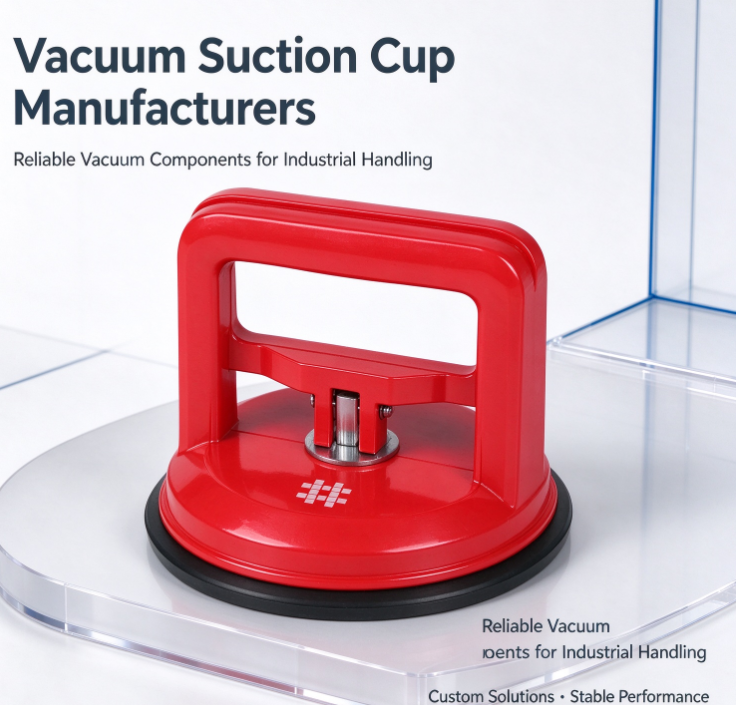
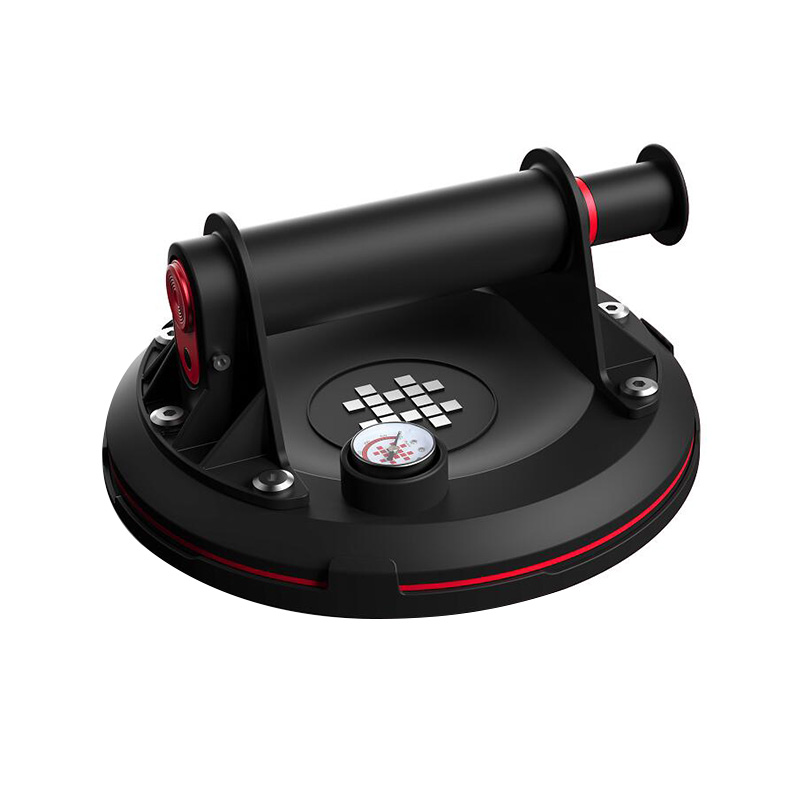
Vacuum suction cups show up all over industrial automation, packaging, material handling and manufacturing. They let machines pick up, move, position and release objects without clamping them. The cup itself looks simple. But the material it's made from has a direct effect on how well it performs, how long it lasts and where it can be used.
Applications make very different demands. Some cups need to hold smooth glass. Others have to grip rough metal sheets, plastic parts or delicate products. Add oil, moisture, dust, temperature swings or chemical exposure to the workplace, and the material choice narrows further.
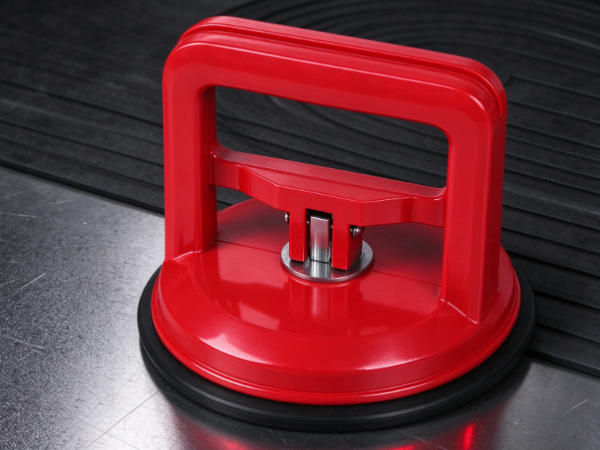
Rubber and silicone are the best-known options, but not the only ones. Nitrile rubber, polyurethane, natural rubber, EPDM and thermoplastic elastomers all have a place. Each differs in flexibility, wear resistance, chemical compatibility and the way it contacts a surface.
Knowing these differences helps manufacturers and equipment users pick the right cup. It also explains why two cups of nearly identical shape can perform differently on the same machine.
What Factors Influence the Choice of Vacuum Suction Cup Materials?
Picking a material isn't just a matter of choosing something soft and bendy. A cup has to form a reliable seal, hold its shape during operation and let go of the workpiece on cue. The material must do all of that under real working conditions.
Several factors come into play.
Surface characteristics
The workpiece surface determines how the cup makes contact. Smooth surfaces like glass and polished metal usually seal with little trouble. Rough, textured or uneven surfaces often call for a softer material that can follow small gaps and changes in the surface.
A material that's too stiff will struggle with an irregular object. One that's too soft may deform badly after many cycles of suction and release.
Flexibility and elasticity
Flexibility lets the cup lip conform to the workpiece. Elasticity brings the cup back to its original shape afterward.
Both matter on automated lines, where cups touch and release objects over and over. If a material loses its elasticity with time, the cup holds less reliably.
Wear resistance
Industrial cups often run non-stop. They rub against surfaces, get compressed repeatedly or slide across materials as they work.
Good wear resistance limits surface damage and material breakdown. It matters most in jobs with frequent picking and placing.
Environmental conditions
Temperature, moisture, oil, dust and chemicals all affect how a material behaves. One that does well in a clean packaging hall may fail in a workshop full of oil and cleaning agents.
Product sensitivity
Some products tolerate firm contact. Others scratch, mark or deform easily. Soft materials are often chosen for delicate items, though contact pressure and cup design play their part too.
Manufacturers typically weigh all these factors together instead of relying on a single property.
Which Rubber Materials Are Commonly Used in Vacuum Suction Cups?
Rubber is one of the main material groups for suction cups. Its flexibility and elastic recovery suit jobs that involve repeated contact with different surfaces.
"Rubber" covers a lot of ground, though. Each compound has its own physical and chemical properties, so applications differ.
Natural rubber
Natural rubber is known for elasticity and flexibility. It deforms against a surface and returns toward its original shape once the pressure is gone.
That makes it handy where cups grip and release repeatedly. It also offers a fairly soft contact surface for some products.
You'll find it considered for general material handling, packaging and other work where flexibility is the priority.
It has limits, however. Resistance to oils, solvents and ozone may fall short in some industrial settings, and long exposure to unsuitable conditions can change its physical properties.
So natural rubber is chosen to fit the environment, not used as a universal answer.
Nitrile rubber (NBR)
Nitrile rubber is a common pick where oils and grease are part of the job.
It resists many petroleum-based oils, which is why it appears in workshops, automotive plants and metal processing. Cups keep their properties better when handling oily workpieces.
It also brings useful flexibility and mechanical durability, and it can be made into many cup shapes.
One caution: nitrile doesn't resist every chemical or environmental condition equally. Performance shifts with the formulation and with what it touches.
Before choosing NBR cups, check the type of oil, the cleaning agents and the operating environment involved.
EPDM rubber
EPDM is another industrial rubber, known for resisting weather, ozone and moisture.
That suits cups exposed to temperature changes, humidity or outdoor conditions.
It also offers good flexibility and sealing, and may be considered for building materials, panels and similar products where weather-related aging is a concern.
Its weak spot is petroleum-based oils and fuels, where compatibility is limited. That rules it out for some oily industrial jobs.
Choosing between EPDM and other rubbers comes down to which environmental factors matter most.
Silicone rubber
Silicone is widely used where flexibility and temperature tolerance are needed. It stays flexible across a broad temperature range and can handle products with delicate surfaces.
Its soft contact makes it relevant to electronics, food-related equipment, packaging and some medical product manufacturing.
It's also useful when a workpiece must be protected from scratches or pressure marks.
On the other hand, silicone doesn't always match other industrial rubbers for abrasion resistance or mechanical strength. Suitability depends on how often it's used, the contact conditions and the service life you need.
Food-contact or medical uses may require specific material grades and compliance documents. Ordinary silicone shouldn't be assumed fit for every regulated application.
How Does Polyurethane Perform in Vacuum Suction Cup Manufacturing?
Polyurethane, or PU, is another suction cup material. It pairs elasticity with mechanical strength and wear resistance.
Compared with softer rubbers, PU resists abrasion and repeated mechanical contact better. That's useful in industrial settings where cups handle rough surfaces or move a lot.
It's commonly considered for:
- Repeated picking and placing.
- Components with slightly rough surfaces.
- Industrial material transfer.
- Applications with regular friction and contact.
- Workpieces that need both flexibility and durability.
Hardness can be tuned through the formulation, so Vacuum Suction Cup Manufacturers can make cups with different levels of flexibility.
A softer mix helps the cup adapt to the workpiece. A firmer one resists deformation during handling.
PU isn't right everywhere. Resistance to high temperature, moisture and certain chemicals depends on the specific formulation, and some types degrade under long exposure to unsuitable conditions.
When weighing polyurethane, look at both the mechanical demands and the environment.
Are Thermoplastic Elastomers Suitable for Vacuum Suction Cups?
Thermoplastic elastomers, known as TPE, blend traits of rubber and thermoplastics.
They offer flexibility and elastic recovery while allowing thermoplastic processing methods. That opens the door to cup designs needing particular shapes, production processes or material combinations.
TPE comes in many formulations, and softness, flexibility and environmental resistance vary with composition.
Potential advantages include:
Flexible material design
TPE can be made in different levels of softness, so manufacturers can tune the contact behavior to the workpiece.
Processing flexibility
Many traditional rubbers need other methods, but certain TPEs can be processed like thermoplastics. That supports varied shapes and production needs.
Material integration
TPE can be combined with other materials where different areas have different jobs. A cup might use a flexible contact section with a separate supporting structure.
Even so, TPE isn't one material with one set of properties. Some grades have limited resistance to heat, oils or repeated deformation.
Assess it against the intended use, especially if the cup will run continuously on an automated line.
What Is the Difference Between Silicone, Nitrile Rubber, and Polyurethane?
Silicone, nitrile rubber and polyurethane come up most often in suction cup selection. All three work in industry, but they answer different needs.
Seeing how they differ helps equipment makers and buyers narrow the field.
| Material | Main Characteristics | Common Application Considerations |
|---|---|---|
| Silicone rubber | Flexible, temperature resistant, soft contact | Delicate products, electronics, food-related equipment |
| Nitrile rubber | Oil and grease resistance, mechanical flexibility | Automotive parts, metal processing, oily environments |
| Polyurethane | Wear resistance, mechanical strength, adjustable flexibility | Repeated handling and friction-heavy applications |
| Natural rubber | High elasticity, flexible contact | General material handling |
| EPDM rubber | Weathering, ozone and moisture resistance | Outdoor and humid environments |
| TPE | Flexible material design, thermoplastic processing | Custom-shaped cups and integrated designs |
Real production conditions make the differences clearer.
A cup moving oily metal sheets needs oil resistance, and nitrile is a likely candidate.
One handling fragile glass cares more about soft contact and temperature, so silicone may fit.
On lines where cups face constant friction, polyurethane deserves a look because of its wear and mechanical properties.
These are general guides only. Actual performance also depends on cup shape, lip structure, hardness, surface condition and how the cup is operated.
How Do Different Materials Affect Suction Cup Performance?
Material doesn't act alone. It works with the cup's design, and its physical traits shape how the cup touches a surface, keeps a seal and copes with repeated movement.
A few performance aspects stand out.
Sealing ability
The cup must form a seal between its lip and the workpiece. If air leaks in around the lip, holding force drops.
Soft materials follow minor surface irregularities, which helps contact. They still need enough structural stability to avoid too much deformation.
Grip stability
The material affects how the cup reacts when a machine lifts or moves an object.
A good balance of elasticity and stiffness keeps contact steady. Too soft, and the cup deforms under load. Too rigid, and it won't conform to the surface.
Surface protection
Glass, polished metal, plastic parts and finished consumer goods can all scratch or pick up pressure marks.
Choose the contact material with that risk in mind. Softer ones may lower the chance of damage, but cleanliness and contact conditions still matter.
Service life
Compression, friction, environmental exposure and material fatigue slowly wear a cup down.
Materials with the right mechanical and environmental resistance can delay that wear. Even a well-chosen material will fail early if the cup is used outside its intended conditions.
Release behavior
Material also decides how cleanly the cup separates from the workpiece.
Its elasticity and deformation behavior influence how the lip returns to shape. In automated processes, consistent release keeps the next step running smoothly.
How Should Manufacturers Select Materials for Different Industrial Applications?
Each industry has its own handling needs, and a material that works on one line may not suit another.
Manufacturers usually consider the workpiece, the production environment, the operating frequency and the required contact characteristics all at once.
Automotive manufacturing
Car production involves metal sheets, glass panels, plastic components and finished parts.
Some workpieces carry oil or processing residue, which makes oil resistance a key consideration.
Nitrile may suit certain metal-handling jobs, while polyurethane may fit where repeated contact and abrasion are big concerns.
Surface finish and workpiece weight also factor in.
Glass and window manufacturing
Glass handling needs stable contact and careful surface protection. Cups must hold a seal without leaving marks or causing damage.
Silicone and suitable rubber compounds may be considered depending on the glass surface, handling process and environment.
Cup shape matters as well. A design for flat glass may behave differently on curved or irregular pieces.
Electronics manufacturing
Electronic components often have delicate surfaces and complex shapes. Some are light and easily damaged by excess contact pressure.
Soft silicone may suit certain operations, but cleanliness, material compatibility and electrostatic requirements need checking too.
Not every silicone cup is right for sensitive electronics production. Special formulations or extra design measures may be needed.
Food packaging
Food packaging equipment may handle plastic containers, paper packaging, lids and other lightweight items.
Silicone and certain approved elastomers can be used where their properties meet the application's requirements.
Consider food-contact regulations, cleaning procedures, moisture exposure and the chance of contact with oils or cleaning substances.
Check the required certification instead of assuming it from the material name.
Plastic and general packaging production
Packaging work is full of repetitive picking and placing. Cups must hold consistent contact across products with varied shapes and finishes.
Natural rubber, silicone, TPE and polyurethane may all be options, depending on the product and environment.
For light plastic containers, the material should give reliable contact without deforming the product. For heavier or rougher items, durability tends to take priority.
What Should Buyers Check Before Choosing a Vacuum Suction Cup Material?
Material matters when buying suction cups, but the name on the spec sheet isn't the whole story.
Two cups made of the same rubber type can perform differently because of formulation, hardness, manufacturing process and structural design.
These checks can help buyers compare options.
1. Identify the workpiece material
Find out whether the cup will handle glass, metal, plastic, paper, wood or something else. Note whether the surface is smooth, rough, porous, curved or uneven.
That tells you what contact characteristics you need.
2. Understand the working environment
Check for oil, water, dust, cleaning agents, chemicals or temperature changes.
Environmental compatibility is critical in industrial settings, where material breakdown can disrupt production.
3. Consider the operating frequency
A cup used now and then faces different demands from one running continuously on an automated line.
Frequent contact and release increase fatigue and wear. Share the expected operating conditions with manufacturers when discussing materials.
4. Evaluate product sensitivity
If the workpiece has a finished or delicate surface, contact softness and material cleanliness may matter.
Electronics, food packaging and some medical-related uses can bring extra requirements.
5. Ask about material specifications
Manufacturers should be able to explain the composition, suitable working conditions and relevant test data.
Buyers can also ask whether the material has been evaluated for oil resistance, temperature exposure, wear or other conditions that apply.
6. Check the suction cup structure
Material and design have to work together. Lip shape, cup diameter, internal structure and mounting method all influence handling.
A good material can't make up for a design that doesn't fit the workpiece.
7. Consider maintenance and replacement
In many automated systems, suction cups are consumables. Regular inspection catches cracks, deformation, hardening, surface damage and other signs of wear.
Ease of replacement and compatibility with existing equipment should also figure into the purchase.