English
 中文简体
中文简体 русский
 Español
 Deutsch
You can learn the recent information of Shijing.


.jpg)
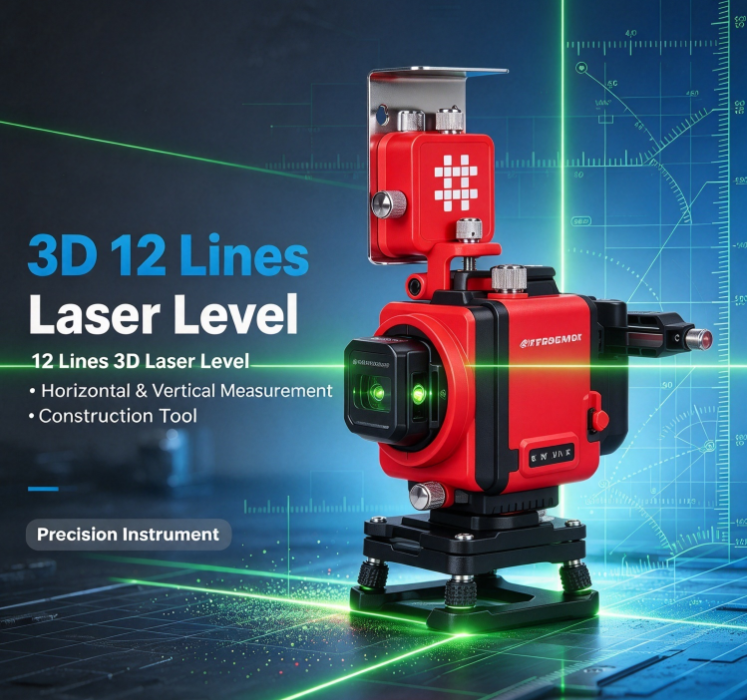
A Laser Level is more than a guiding beam on a wall; it is a measuring partner that supports real jobsite decisions. When customers search for reliable tools, they often look for how a device works in fast-paced environments, whether it stays stable, and how long it supports continuous work. For buyers comparing options from various Laser levels Manufacturers, clarity on features and usability remains a major concern, especially when considering models such as 12-line devices favored in construction and interior installation.
A 12-Line Laser Level uses twelve projected lines to help users position ceilings, partitions, cabinets, tiles, and layout points with consistency. Professionals want to know if the projection stays visible in brighter conditions, how easy the setup feels, and whether the device can handle repeated workdays. Below are several angles that potential buyers frequently explore when navigating the market.
1. What functions matter many in a 12-line Laser Level?
Users often compare the number of projection modes, the steadiness of the beam, and the ease of switching between vertical and horizontal lines. A 12-line configuration supports multi-surface alignment without repositioning the device multiple times. Many models include self-leveling components that automatically correct deviations. Buyers usually look for a balance between projection clarity, working range, and run time, especially when the job requires continuous alignment across large areas.
Manufacturers respond to these needs by offering different brightness options and compatible accessories. Rechargeable battery packs and tripod support are two details that frequently influence purchasing decisions. When selecting from various Laser level manufacturers, customers often prefer models that simplify repetitive tasks and reduce manual measuring steps.
2. How does setup impact productivity on site?
A Laser Level that starts quickly helps technicians move smoothly between tasks. Many 12-line tools activate with a single switch and self-level within a short moment. For users who work in tight rooms or on uneven floors, adjustable stands or bubble indicators allow quick micro-adjustments. Once the lines appear, marking reference points becomes more direct, saving time in carpentry, electrical layout, and renovation tasks.
Users commonly want to know whether the device maintains a stable projection when placed on different surfaces or when the environment vibrates. Models with stronger housings or protective covers often give more confidence during transport and daily handling.
3. What should buyers expect from Laser Level Manufacturers?
Customers often look for manufacturers who explain their product structure clearly and provide consistent model specifications. They want information about optical components, projection stability, durability, and available after-sales support. For B2B buyers, transparency about materials and internal calibration methods is particularly important.
.jpg)
Reliable Laser Level Manufacturers typically highlight details such as laser diode quality, housing strength, and attachment compatibility. Some also include remote controls, target plates, or rugged storage cases to support longer-term use. These factors help buyers assess whether a device fits their workflow before committing to larger procurement orders.
4. How do users care for their Laser levels for longer service life?
Even though many 12-line models are designed for demanding environments, proper handling still matters. Users often want short, practical tips. Stable placement is the early step. Cleaning the lens after dusty work prevents blurred projection. Storing the device in a cushioned case protects the alignment core during transport. Following basic care routines allows the Laser Level to retain its precision across many cycles of use.
Manufacturers also recommend turning off the unit when alignment is completed, both to preserve battery life and to avoid unnecessary wear on internal components. These simple steps help users maintain consistent performance.
.jpg "7565E 5 Lines Laser (Green Light)")