English
 中文简体
中文简体 русский
 Español
 Deutsch
You can learn the recent information of Shijing.
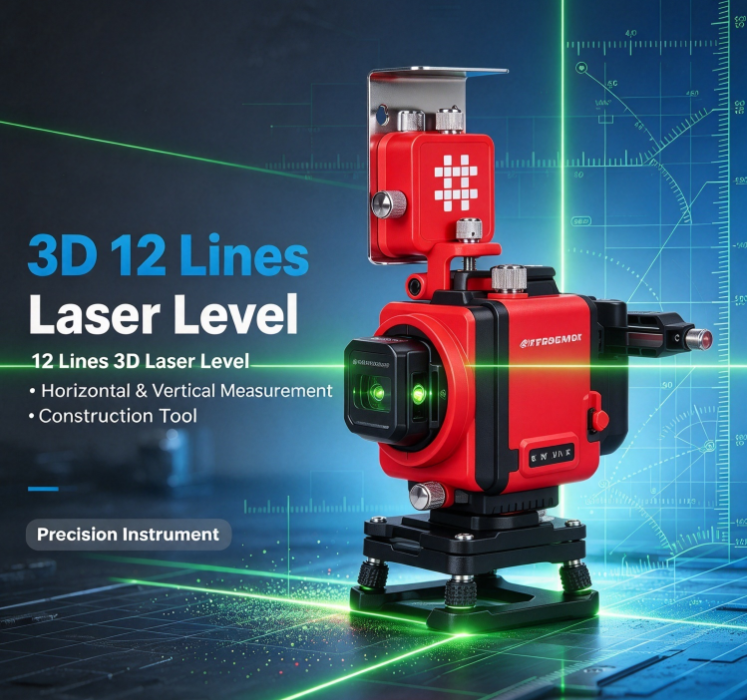

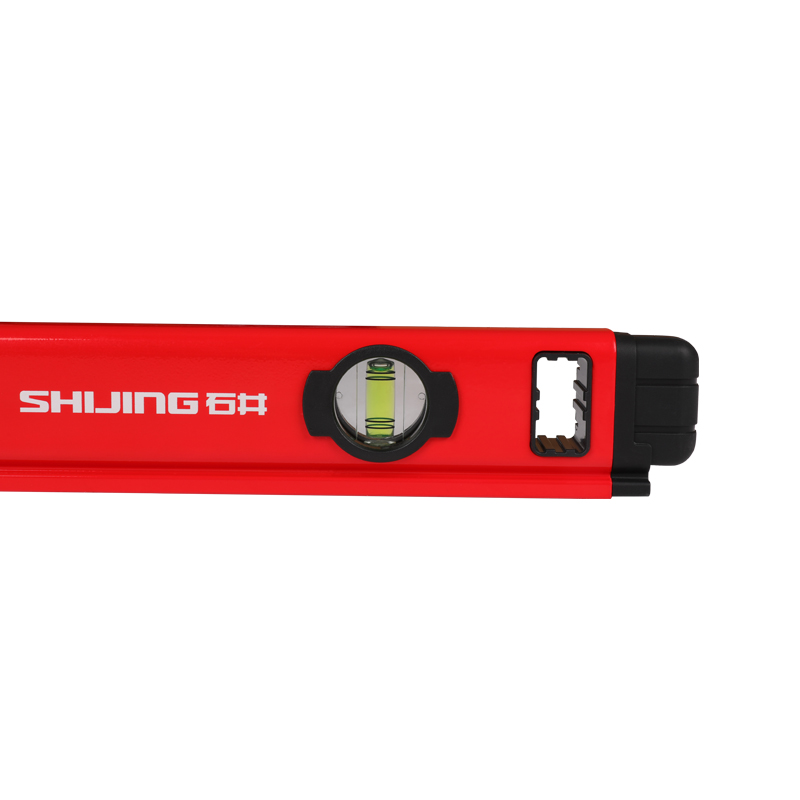
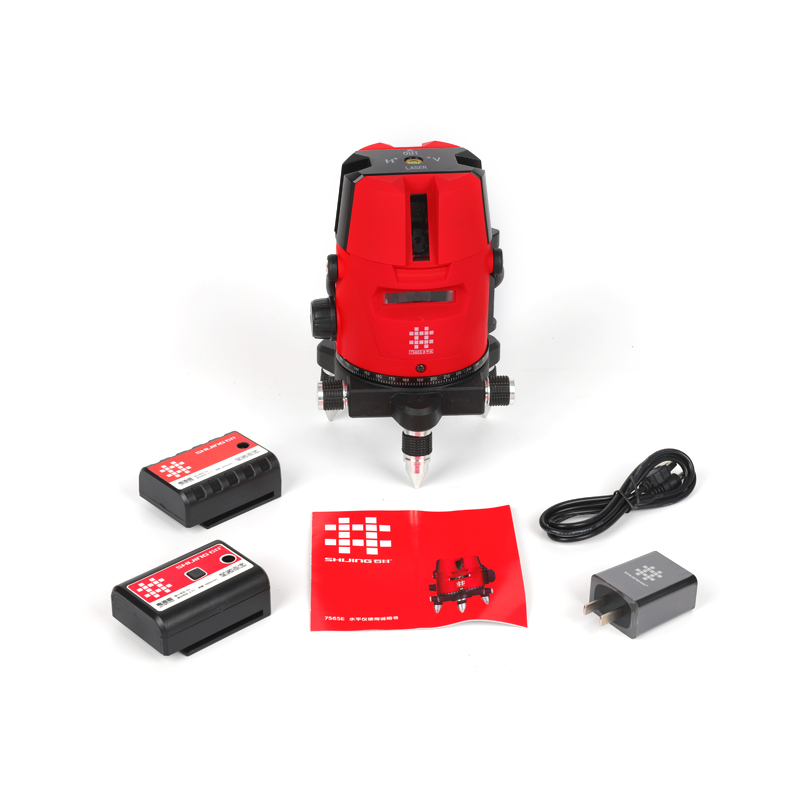
A Laser Level is a visual alignment tool used to project straight reference lines onto surfaces such as walls, floors, and ceilings. These projected lines act as guides during layout, positioning, and installation work. In construction and interior projects, alignment errors often appear small at the beginning but become costly later. Using a Laser Level helps reduce this risk by providing a constant visual reference during each step.
From a production perspective, a Laser Level is built around optical stability and mechanical balance. A professional Laser Level Manufacturer focuses on keeping the laser module fixed and stable inside the housing so that the line direction remains consistent even after repeated movement or repositioning on site.
Common Pain Points in Layout Work and Practical Solutions
Layout work often involves repeated measuring, marking, and checking. Uneven ground, limited workspace, or changing reference points can slow progress. A Laser Level addresses these issues by projecting straight lines instantly across multiple surfaces, allowing users to align components without drawing physical guide marks every time.
Multi-line configurations, including designs based on a 12-line structure, allow both horizontal and vertical references to be visible at once. This setup supports tasks such as wall partition alignment, tile layout, ceiling grid installation, and cabinet positioning. By keeping the lines visible during the process, a Laser Level supports smoother coordination between different stages of work.
Operating Features That Influence Daily Efficiency
Several operating features directly affect how a Laser Level performs during extended use. Self-leveling functions help the device adjust automatically within a set range, reducing the need for manual fine-tuning. This is especially helpful when the tool is placed on surfaces that are not fully even.
Brightness adjustment also plays a role. Indoor lighting conditions vary, and the ability to adjust line visibility helps maintain clarity without constant repositioning. Battery systems are another consideration. Rechargeable power designs allow longer usage cycles, while clear indicators help users manage working time more effectively.
From a factory standpoint, a reliable Laser Level Manufacturer balances these features with mechanical durability. Housing materials, internal mounts, and sealing methods are selected to support daily handling and regular transport between work areas.
Adapting a Laser Level to Different Work Environments
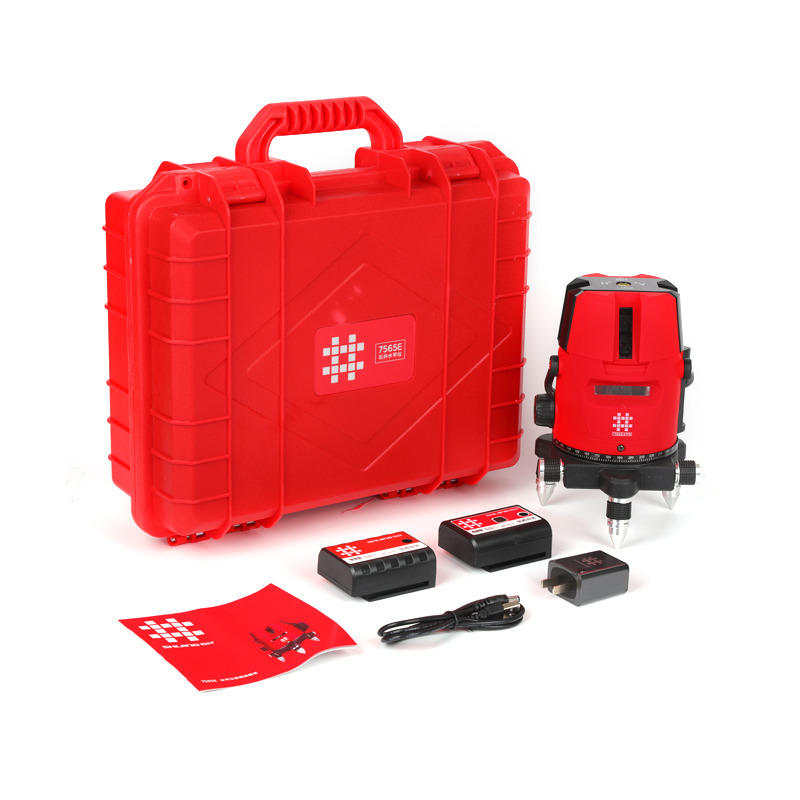
Work environments are seldom fixed. A Laser Level may be used in finished interiors, partially completed structures, or temporary setups. Projection modes that support vertical, horizontal, and cross-line output allow the same tool to adapt to different tasks without switching equipment.
Mounting flexibility also matters. Compatibility with tripods or adjustable stands allows users to set the Laser Level at various heights and angles. This is useful for tasks involving floor leveling, wall alignment, or ceiling reference lines. During production, factories typically test these mounting interfaces to reflect common working positions and movement patterns.
Manufacturing Focus on Stability and Consistency
Consistency is a key focus for any Laser Level Manufacturer supplying tools for ongoing project use. Stable calibration, standardized assembly processes, and controlled optical components help maintain uniform performance across different units. This consistency allows teams to rely on similar behavior when switching tools within the same project.
A well-designed Laser Level integrates smoothly into daily workflows. Clear operation logic, steady line projection, and predictable adjustment behavior allow workers to focus on layout accuracy rather than tool handling. In this way, the Laser Level functions as a practical alignment reference that supports reliable results across repeated installation tasks.
.jpg)

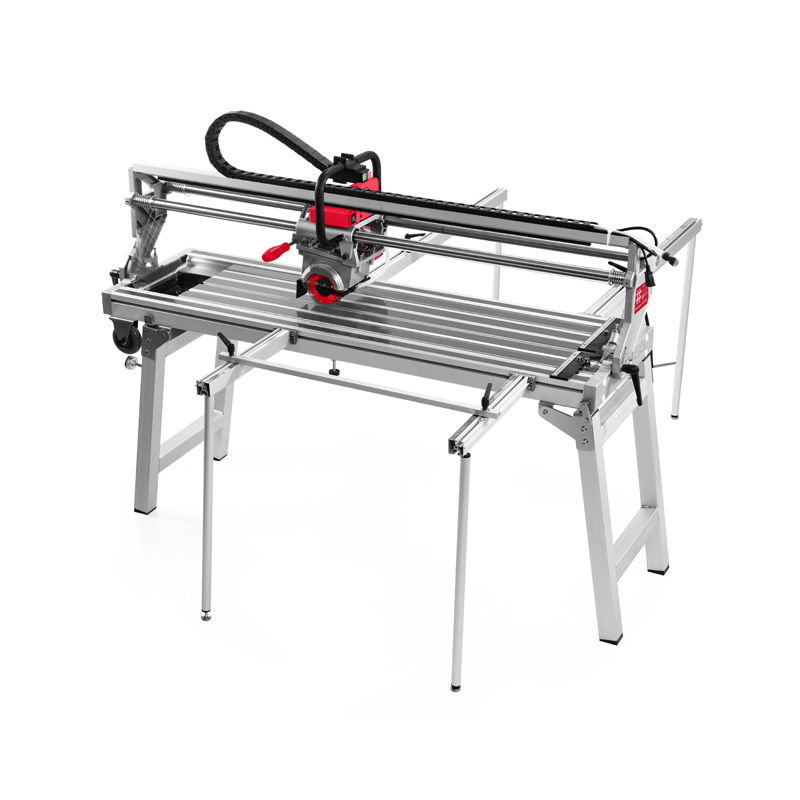
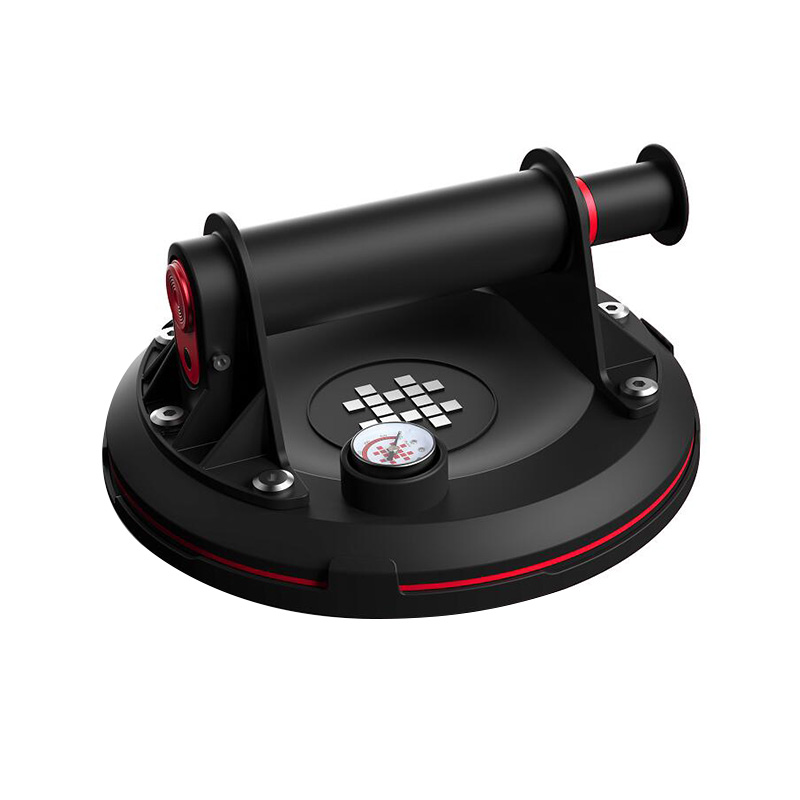
-5.jpg "P622 Tension Suction Cup")